TLDR
Brown spider monkeys (Ateles hybridus) eat mostly ripe fruit, with figs available year-round. They also eat far more leaves than other spider monkeys. In fragmented Colombian forest, leaves made up roughly 37-40% of the diet and fruit barely half. The rest is seeds, flowers, bark, decayed wood, honey, the occasional insect, and soil.
In This Post
- What is the brown spider monkey diet, in numbers?
- Why do they eat so many leaves?
- What do they eat in the dry season?
- Why do brown spider monkeys eat soil and rotten wood?
- What do brown spider monkeys eat in zoos?
- How does their diet help the forest?
What is the brown spider monkey diet, in numbers?
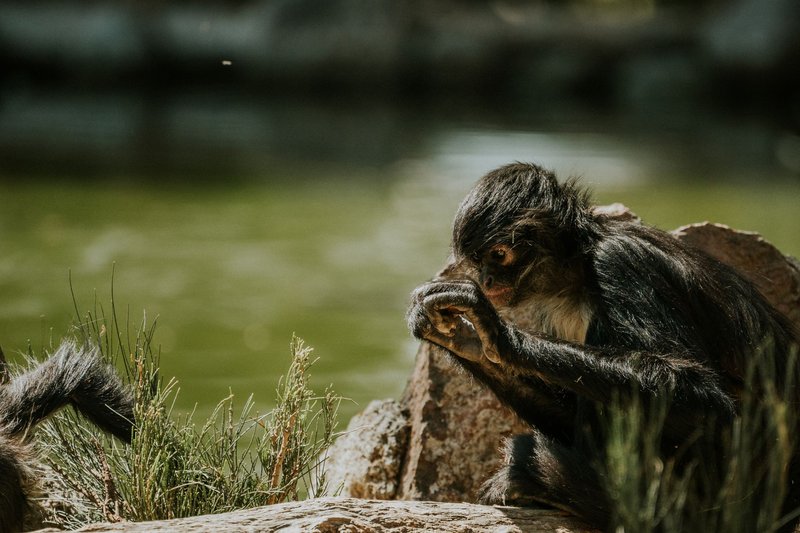
Ask what brown spider monkeys eat and most pages give you the generic spider monkey answer: fruit, nuts, seeds, flowers, insects, eggs, honey. That list is fine as far as it goes. National Geographic describes spider monkeys as mostly fruit eaters, and the brown species fits that label on paper.
The field data say something more interesting. Two Colombian studies published in Endangered Species Research tracked brown spider monkeys in forest fragments. Fruit came to barely half of what the monkeys ate. Leaves came close behind.
Here’s a rough breakdown based on those studies:
| Food type | Approximate share of diet | When it matters most |
|---|---|---|
| Ripe fruit (figs especially) | About half | Year-round, figs fill the gaps |
| Young leaves | About 37-40% | All year, more when fruit is scarce |
| Seeds, flowers, bark | Small share | Dry season |
| Decayed wood | Small but regular | Eaten regularly throughout |
| Honey and insects | Very small | Occasional, mostly dry season |
| Soil and clay | Tiny, but deliberate | Visits to salt licks |
Treat the shares as approximate. They come from forests that have already been chopped into pieces, so they show what these monkeys eat under pressure, not necessarily what they’d choose in an unbroken forest.
Why do they eat so many leaves?
Spider monkeys are built for fruit. Their guts handle sugar well and their long limbs let them reach thin branches at the edge of the canopy, where the ripest fruit hangs. Most spider monkeys stick to that strategy as long as they can.
Brown spider monkeys often can’t. Their range in northern Colombia and Venezuela has been cleared for cattle, farms and logging, and what’s left is scattered patches. Small patches have fewer fruiting trees, and the fruit they do have ripens unevenly. Leaves are always there.
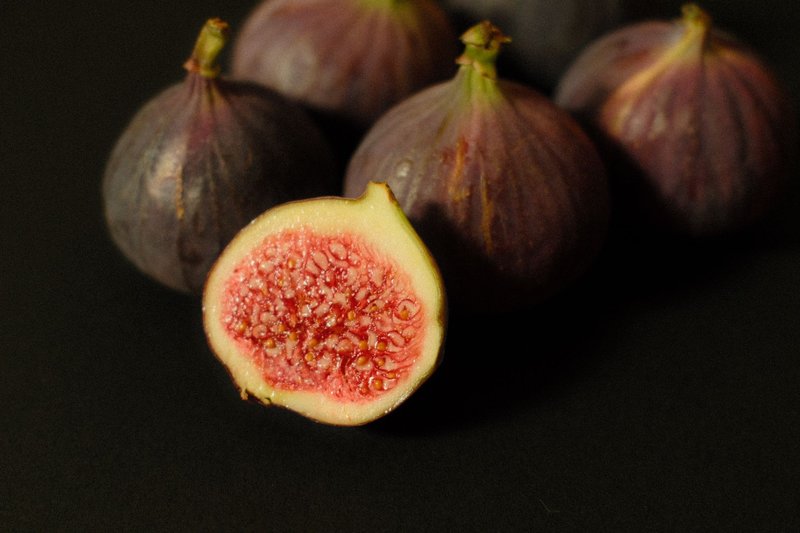
So the leaf-heavy diet looks like a fallback that became routine. Figs are the anchor. Fig trees fruit on staggered schedules, so there’s usually some tree producing somewhere, and the monkeys lean on them when everything else is bare. Leaves cover the rest.
That’s the difference most generic articles miss. A spider monkey in a large, intact forest can be a near-pure fruit specialist. A brown spider monkey in a fragment is closer to a part-time leaf eater.
What do they eat in the dry season?
The dry season is when fruit runs thin and the menu widens. Brown spider monkeys turn to seeds, flowers and bark. They’ll also raid beehives for honey and pick up the occasional insect.
None of these foods is a big calorie source on its own. Together they keep the monkeys going until the rains bring fruit back. Think of it as a pantry of last resorts, not a balanced meal plan.
Why do brown spider monkeys eat soil and rotten wood?
Eating decayed wood sounds odd, and it’s a regular habit, not a one-off. Rotting wood is soft, holds some nutrients, and is available in even the smallest forest patch. Researchers working on the species have recorded it as part of the routine diet.
Then there’s geophagy, the scientific word for eating soil. Brown spider monkeys eat clay and earth, and they drink at natural salt licks. The leading explanations are mineral supplementation, especially sodium, and settling the stomach after a diet heavy in leaves and seeds that carry plant chemicals. A leaf-heavy diet may make this habit more useful, though nobody has pinned down the exact reason in this species.
What do brown spider monkeys eat in zoos?
Detailed captive-diet data for Ateles hybridus is thin, and no single standard menu exists. Zoos typically feed spider monkeys a rotation of fruit and vegetables, leafy greens, and formulated primate food, and keepers often cut back on sugary fruit. Commercial fruit is far sweeter than wild fruit, and a diet built on it causes health problems.
The wild data explain why. A species that gets nearly 40% of its food from leaves does better with plenty of fibrous greens than with a fruit bowl. For a comparison, see how the brown howler monkey’s leaf-first diet is built around young leaves.
How does their diet help the forest?

Brown spider monkeys swallow many seeds whole and drop them far from the parent tree, often hundreds of meters away, inside a small package of fertilizer. They travel a lot, so the seeds land across a wide area. This makes them one of the forest’s main planters, particularly for large-seeded trees that few other animals can move.
That’s why their decline matters beyond the species itself. The brown spider monkey is listed as critically endangered on the IUCN Red List, and habitat loss is the main driver. When the monkeys vanish from a fragment, the seeds they used to carry stop moving, and the forest slowly loses its ability to regrow.
So what do brown spider monkeys eat? Ripe fruit and figs first, then a lot of leaves, then a long tail of seeds, flowers, bark, rotten wood, honey and soil. The diet reads like a species adapting to a shrinking forest, and the monkeys’ survival depends on how much of that forest is left.