Table of Contents
- TLDR
- The Short Answer: Leaves First, Fruit Second
- Brown Howler Diet by Food Type
- The Plants They Actually Pick
- Why Leaves Are the Staple
- Why the Diet Changes by Season and Habitat
- What Brown Howlers Eat in Captivity
- FAQ
TLDR
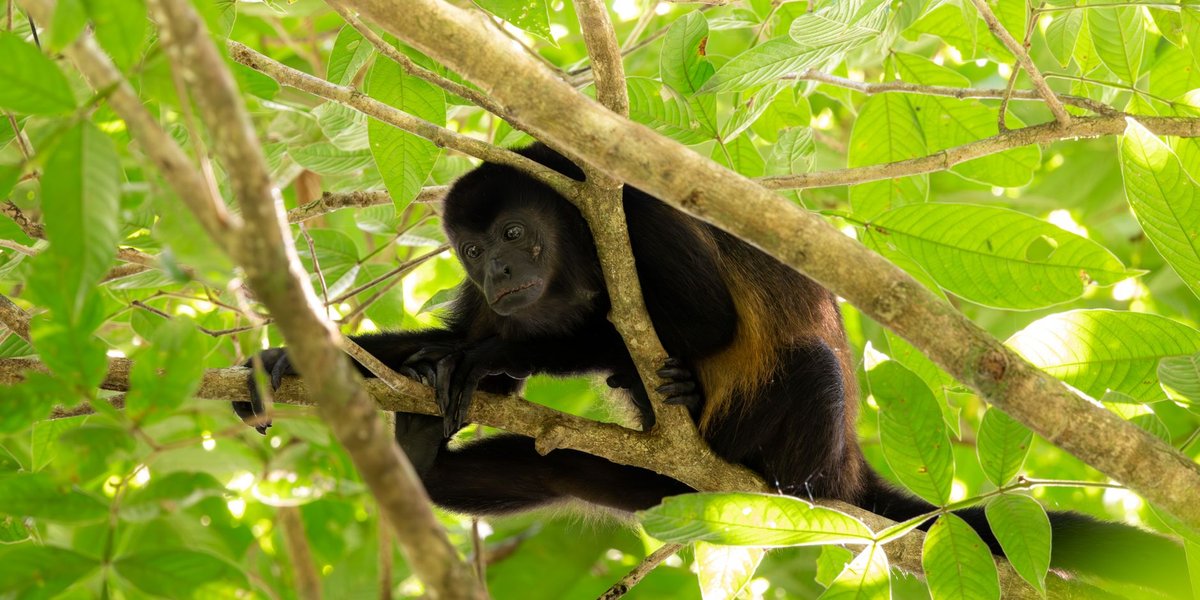
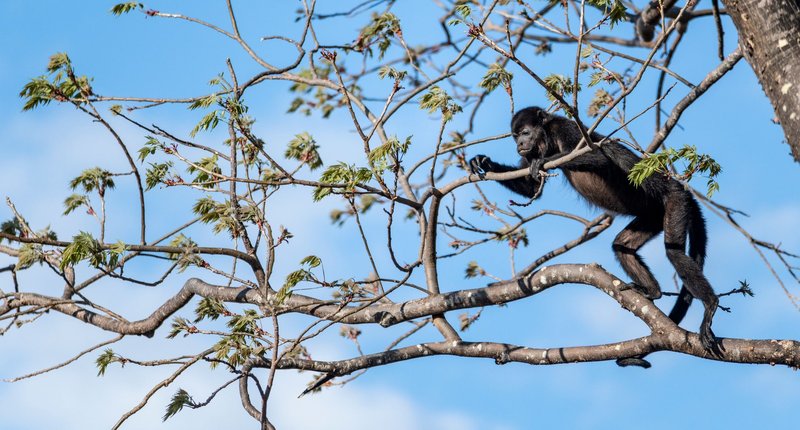
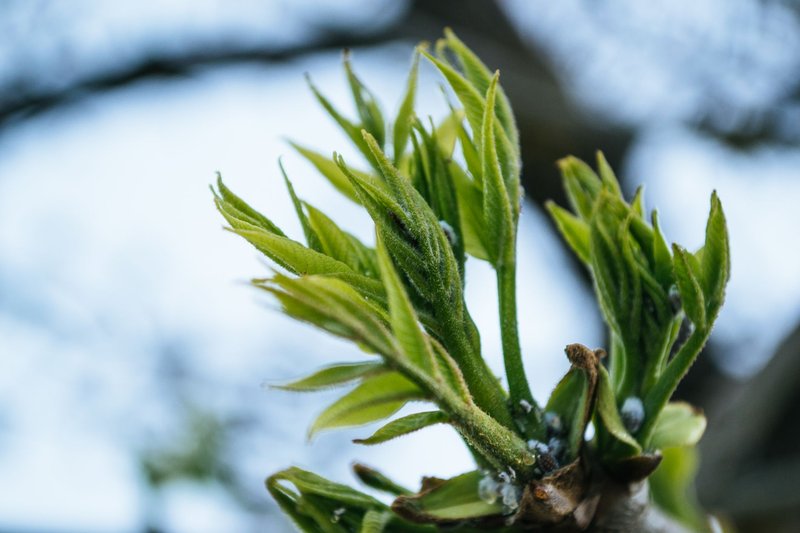
- Brown howler monkeys (Alouatta guariba) are folivores. Young leaves are their main food.
- Leaves make up roughly 62% to 81% of the diet, depending on the site. Fruit fills in at 8% to 24%, rising when trees fruit.
- Flowers, buds, seeds, petioles, moss and twigs round out the menu.
- Key plant genera: Ficus (figs), Zanthoxylum and Eugenia.
The Short Answer: Leaves First, Fruit Second
Brown howlers eat mostly young leaves. Fruit is the secondary food, picked up when it’s available and ignored when it isn’t.
That puts them at the leaf-heavy end of the primate menu. Most monkeys you can name lean on fruit and treat leaves as a fallback. Brown howlers flip that around. Across field studies in the Atlantic Forest of southeastern Brazil and northeastern Argentina, leaves account for roughly 62% to 81% of what they eat, and fruit sits between 8% and 24% depending on the season and the forest. The IUCN Red List tracks the species, which lives in exactly that fragmented forest range.
The brown howler monkey diet is also far from narrow. Researchers have recorded them eating from 402 plant species across published studies. They’re picky about which part of a plant they eat, not about which plant it comes from.
Brown Howler Diet by Food Type
Here’s how each food category fits into a typical day of feeding.
| Food type | Role in the diet | Notes |
|---|---|---|
| Young leaves | Main staple | Softer, higher in protein and lower in fiber and toxins than mature leaves |
| Mature leaves | Backup staple | Eaten when young leaves are scarce, especially in the dry season |
| Fruit | Secondary food | 8% to 24% of the diet; peaks when fruiting trees are abundant |
| Figs | Key fruit | Dependable year-round in many forests, so they bridge lean months |
| Flowers | Seasonal treat | Eaten in bursts when trees bloom |
| Buds | Seasonal treat | Soft, nutrient-dense growing tips |
| Seeds | Minor | Eaten occasionally, usually from unripe fruit |
| Petioles | Minor | The leaf stalks, chewed along with the blade |
| Moss | Minor | Taken from branches now and then |
| Twigs | Minor | Rare, and usually the tender ends |
Young leaves do the heavy lifting. Everything else is either a seasonal bonus or a stopgap.
The Plants They Actually Pick
Three genera come up again and again in feeding studies of the species.
Ficus (figs). Fig trees fruit on irregular schedules and often when little else does. Their leaves are also on the menu. For a leaf-eater, a fig tree offers both a staple and a sweet reward in one spot.
Zanthoxylum. A citrus-relative tree genus that shows up regularly in the leaf and fruit records.
Eugenia. Part of the myrtle family and a common source of both leaves and small fruits in Atlantic Forest fragments.
Lianas deserve a mention too, because most diet summaries skip them. In one forest-fragment study, lianas supplied 23% of the leaves and 52% of the flowers the monkeys ate. Woody vines grow thick in disturbed forest, and the howlers use them heavily. That’s a big share of their food coming from plants a casual observer would never notice.
You can browse the research behind these numbers in PubMed’s collection of Alouatta guariba diet studies.
Why Leaves Are the Staple
Leaves are a poor deal calorie for calorie. They’re tough, fibrous and often laced with chemicals meant to deter hungry animals. So why build a life around them? Three traits explain it.
Leaves never run out. Fruit comes and goes with the seasons. Leaves are always on the tree, which gives the howlers a food supply they can count on.
They save energy. Brown howlers move slowly and rest for much of the day, often more than 60% of their waking hours. A low-energy food suits a low-energy lifestyle. They aren’t racing between fruit trees the way spider monkeys do.
Their gut does the work. Like cows and colobus monkeys, howlers ferment plant matter. Bacteria in an enlarged hindgut break down fibre and release energy that the monkey couldn’t extract on its own. It’s slow digestion, which is another reason they spend so much time sitting still.
Young leaves get the preference because they carry more protein and less fibre than mature ones, and fewer of the compounds that make old leaves harder to digest.
Why the Diet Changes by Season and Habitat
The 62% to 81% leaf range isn’t noise. It tracks real differences in where and when a group feeds.
- Season: Fruit and flowers jump when trees produce them. In lean months the howlers fall back on leaves, including mature ones.
- Latitude: Groups in cooler, southern forests deal with sharper seasonal swings than groups closer to the tropics, which pushes them toward more leaves in winter.
- Fragmentation: In small forest patches, the monkeys have fewer tree species to pick from. They adjust by eating more of whatever is there, including lianas and exotic plants.
This flexibility is a big reason the species hangs on in damaged forest. A monkey that eats from hundreds of plant species can survive in a patch that would starve a fruit specialist.
What Brown Howlers Eat in Captivity
Zoo diets copy the wild pattern: lots of leafy browse and greens, with fruit used sparingly. Too much sweet fruit is a known problem for folivorous primates, since it can upset the fermenting gut and wear down teeth. Good captive diets lean on leaves, vegetables and a formulated primate biscuit, with fruit as a small extra. Keepers also offer fresh-cut branches, which let the animals strip leaves the way they would in the forest.
FAQ
Are brown howler monkeys herbivores? Yes. They eat only plant material, mostly leaves, fruit, flowers and buds.
What is the main food of the brown howler monkey? Young leaves. They make up the largest share of the diet at most sites.
Do brown howlers eat fruit? Yes, but as a secondary food. Fruit is roughly 8% to 24% of the diet, and figs are an important part of it.
Do they eat insects or meat? Not as a regular part of the diet. The studies describe a plant-based menu.
Why do howler monkeys eat so many leaves? Leaves are available all year, they suit a slow lifestyle, and the monkey’s fermenting gut can turn fibre into usable energy.
How many plants do brown howlers eat? Researchers have recorded 402 plant species in published studies, which shows how adaptable they are.