Most “Animals of Sudan” lists are actually lists of animals from South Sudan wearing a hand-me-down name. That’s not a knock on the writers — before 2011, Sudan and South Sudan were one country, and the white-eared kob migrations and towering Nile wetlands that made the region famous belong almost entirely to the south now. What’s left in Sudan proper is drier, harder-edged, and honestly more interesting once you know what you’re looking at: Sahara desert giving way to Sahel scrub, a sliver of savanna clinging to the Ethiopian border, and a Red Sea coastline most wildlife content ignores completely.
TL;DR
Sudan’s wildlife splits into two very different worlds: the arid north (Nubian ibex, dorcas gazelle, addax) and the southern borderlands around Dinder National Park (lions, hippos, elephants, over 250 bird species). Radom National Park in Darfur once rivaled Dinder but has been gutted by decades of conflict. The secretarybird — reclassified as Endangered by the IUCN in 2020 — sits on Sudan’s coat of arms. And the country’s ongoing civil war has put its captive wildlife, not just its wild populations, in genuine danger.
Table of Contents
- Where Sudan’s Wildlife Actually Lives
- The Most Notable Animals of Sudan
- Large Mammals
- Birds
- Reptiles and River Life
- Endemic and Rare Species
- Dinder and Radom: Sudan’s Two National Parks
- Wildlife in a Country at War
- Endangered Animals of Sudan
- Are There Dangerous Animals in Sudan?
- Sudan’s National Bird — and What It Symbolizes
- Quick-Reference: Species and Conservation Status
Where Sudan’s Wildlife Actually Lives
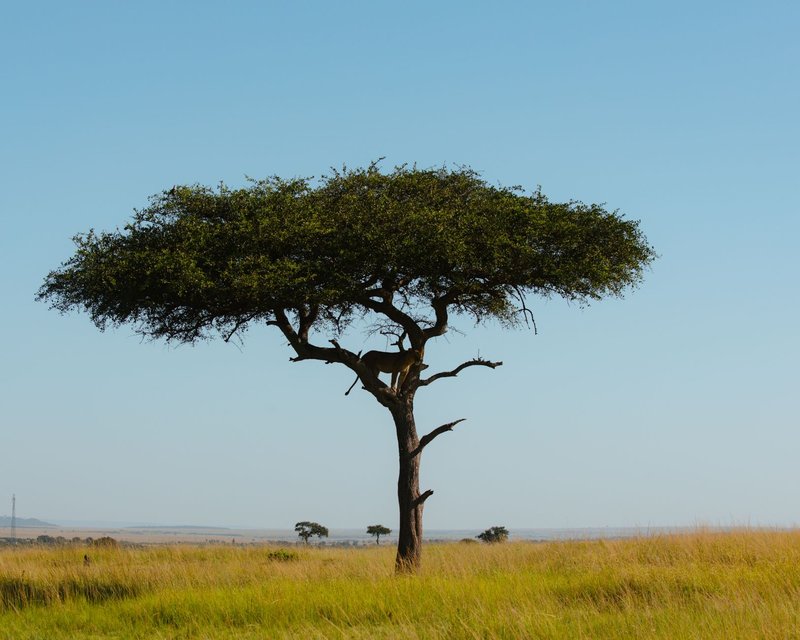
Modern Sudan is mostly desert. The Sahara covers the north outright, and the Sahel — that transitional scrub belt of acacia and seasonal grass — takes up the middle third of the country. Real savanna, the kind with permanent rivers and thick tree cover, survives in one meaningful pocket: the far southeast, along the Ethiopian border, where Dinder National Park sits.
That geography matters because it explains why so much “Sudan wildlife” content is quietly borrowing from the wrong country. Before South Sudan’s 2011 secession, one government managed both the Sahara and the Sudd wetlands, the Boma plateau, and the enormous seasonal migrations that made the region a wildlife documentary staple. All of that terrain — and most of the animals associated with it — is now South Sudan. What Sudan kept is the desert, the Red Sea coast, and a single major savanna ecosystem worth protecting.
The Most Notable Animals of Sudan
Large Mammals
African elephant. Sudan’s elephants live almost entirely within Dinder National Park, part of a small transboundary population shared with Ethiopia. The IUCN reclassified savanna elephants as Endangered in 2021, splitting them from the Critically Endangered forest elephant — Sudan’s population falls into the former category, and it’s been shrinking under poaching pressure for decades.
Lion. Dinder holds one of the last confirmed lion populations in Sudan. They’re rarely seen — the park’s dense riverine cover and low visitor numbers keep sightings scarce even for researchers — but camera traps and livestock conflict reports confirm they’re still there.
Nubian ibex and dorcas gazelle. These are the animals of Sudan’s actual majority landscape: the desert. Nubian ibex cling to the rocky outcrops of the Red Sea Hills, while dorcas gazelle range across the flatter Sahel scrub, both adapted to go long stretches without drinking water.
Greater kudu, tiang, and roan antelope. All three graze Dinder’s floodplain grasslands, feeding on the “mayas” — seasonal ponds that fill during the rains and shrink into concentrated watering holes by dry season, drawing wildlife from miles around.
Birds
Sudan sits on a major migratory flyway between Europe, the Middle East, and sub-Saharan Africa, which makes it a genuinely underrated birding destination. Dinder alone hosts more than 250 recorded species. Marabou storks, Egyptian vultures, and African fish eagles are common along the park’s waterways, and the seasonal influx of Palearctic migrants each winter turns the mayas into some of the densest wetland bird activity in northeastern Africa.
Reptiles and River Life
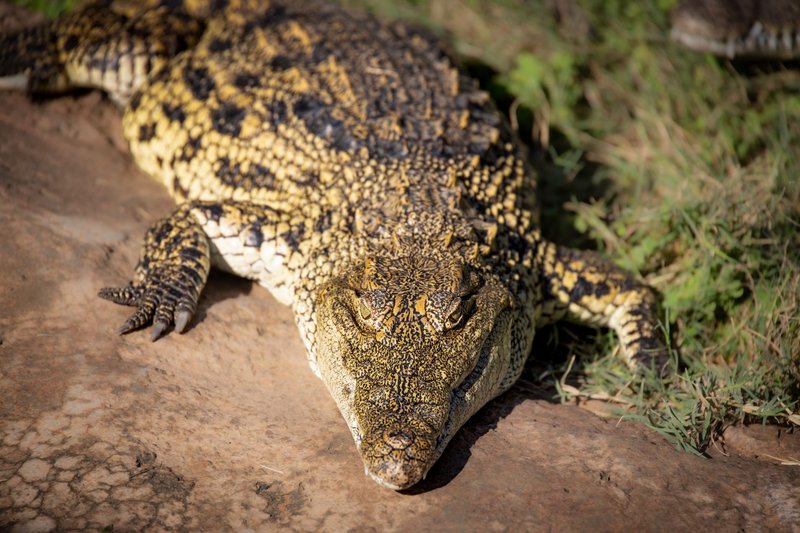
Nile crocodile. Present anywhere the Nile or its tributaries run slow — including well inside Khartoum’s city limits, where fishermen and crocodiles have negotiated an uneasy coexistence for generations.
Hippopotamus. Found in Dinder’s permanent water bodies and along stretches of the Blue Nile. They’re territorial, fast in water, and responsible for more human fatalities across Africa each year than lions and crocodiles combined — worth knowing if a “Sudan wildlife” trip is on your itinerary.
Endemic and Rare Species
Addax. Once ranged across Sudan’s northern desert; today it’s considered functionally extinct in the wild across nearly its entire historic range, Sudan included. A single reintroduced population survives in neighboring Chad, monitored under the IUCN Red List.
African wild dog. Historically present in Sudan’s southern borderlands. Confirmed sightings have become rare enough that conservationists treat any verified track or camera-trap image as a genuine data point rather than a routine record — the IUCN lists the species as Endangered range-wide.
Kordofan giraffe. A giraffe subspecies native to central Sudan and Chad, distinct from the more commonly photographed reticulated and Masai giraffes of East Africa. Regional surveys count it among the rarest giraffe populations left on the continent.
Dinder and Radom: Sudan’s Two National Parks
Dinder National Park, established in 1935, is Sudan’s wildlife flagship for a reason: it’s the one place in the country where the full savanna cast — elephants, lions, antelope herds, hundreds of bird species — still shows up together. Its network of mayas concentrates animals during the dry season into some of the best wildlife-viewing conditions in the region, assuming you can get there; access and infrastructure remain limited compared to East Africa’s established safari circuits.
Radom National Park, in South Darfur near the Chad border, used to be Dinder’s equal — a UNESCO Biosphere Reserve with elephants, lions, and Kordofan giraffe roaming an ecosystem connected to Chad’s Zakouma National Park. Decades of conflict in Darfur changed that. Poaching, displacement, and the collapse of park management gutted Radom’s wildlife populations so badly that it now functions more as a case study in what conflict does to conservation than as a functioning reserve. Its UNESCO Biosphere Reserve status remains on paper; the wildlife it was designated to protect is largely gone.
Wildlife in a Country at War
Sudan’s animals haven’t been insulated from the civil war that broke out in April 2023 between the Sudanese Armed Forces and the Rapid Support Forces. The most visible casualties weren’t in the parks — they were in Khartoum’s zoos. As the capital turned into an active front line, zoo staff lost access to food, veterinary supplies, and eventually the ability to reach the animals at all. Documented cases of lions and other captive animals starving drew international attention, and welfare organizations mounted evacuation efforts where the fighting allowed it.
It’s a different story than the poaching narratives that usually dominate African wildlife coverage, and it’s one National Geographic has covered in more depth than any conservation database: a reminder that “wildlife of Sudan” now includes the question of whether captive animals survive a war their keepers didn’t start.
Endangered Animals of Sudan
Sudan’s threatened species list reads like a summary of what happens when arid habitat, cross-border poaching, and decades of instability overlap:
- Addax — Critically Endangered, functionally extinct in the wild across its former Sudanese range
- African wild dog — Endangered, increasingly rare in Sudan’s borderlands
- African elephant (savanna) — Endangered, confined mainly to Dinder
- Secretarybird — Endangered, uplisted from Vulnerable in 2020
- Hooded vulture — Critically Endangered, a scavenger species collapsing continent-wide
- Kordofan giraffe — regionally rare, among the most threatened giraffe populations in Africa
Are There Dangerous Animals in Sudan?
The honest answer: yes, but not the ones most people picture. Nile crocodiles and hippos cause far more documented harm to people than lions or leopards, simply because they overlap with human activity along rivers and irrigation canals every day. In the desert north, the bigger practical risk comes from venomous snakes like the puff adder and Egyptian cobra, and from scorpions — the fat-tailed scorpion in particular carries a sting serious enough to warrant hospital treatment. Lion encounters are almost entirely confined to the Dinder area and remain rare even there, given how few people work or travel through the park.
Sudan’s National Bird — and What It Symbolizes
The secretarybird stands on Sudan’s coat of arms, wings spread, talons ready — a national symbol chosen to represent strength and vigilance since independence in 1956. It’s a fitting emblem for reasons the designers probably didn’t anticipate: secretarybirds hunt on foot, stalking snakes and rodents across open ground rather than relying on flight, and in 2020 the IUCN reclassified the species from Vulnerable to Endangered after populations declined sharply across its African range. The bird on the crest is doing better than most of its wild counterparts.
Quick-Reference: Species and Conservation Status
| Species | Category | IUCN Status | Where to Find It |
|---|---|---|---|
| African elephant (savanna) | Mammal | Endangered | Dinder National Park |
| Lion | Mammal | Vulnerable | Dinder National Park |
| Addax | Mammal | Critically Endangered | Formerly northern desert; now near-absent |
| African wild dog | Mammal | Endangered | Southern borderlands (rare) |
| Nubian ibex | Mammal | Vulnerable | Red Sea Hills |
| Dorcas gazelle | Mammal | Vulnerable | Sahel scrub, countrywide |
| Kordofan giraffe | Mammal | Regionally rare | Central Sudan / Darfur border |
| Hippopotamus | Mammal | Vulnerable | Dinder, Blue Nile |
| Nile crocodile | Reptile | Least Concern | Nile and tributaries |
| Secretarybird | Bird | Endangered | Sahel grassland, Dinder |
| Hooded vulture | Bird | Critically Endangered | Countrywide (declining) |
| Egyptian vulture | Bird | Endangered | Dinder, riverine areas |
Sudan’s animals don’t get the safari-brochure treatment South Sudan and East Africa attract, and a lot of that comes down to geography and history rather than any lack of wildlife worth seeing. What’s there — Dinder’s overlooked savanna, a desert built for specialists like the addax and ibex, a Red Sea coast most lists skip entirely — rewards the kind of attention that goes past the first search result.