Type “animals only found in Jordan” into Google and you’ll get a mix of listicles that don’t quite answer the question. That’s because almost nothing is. True endemism — a species that exists in exactly one country and nowhere else on Earth — is rare anywhere, and Jordan’s borders cut through the same desert, rift valley, and mountain habitats that stretch into Israel, Syria, and Saudi Arabia. Animals don’t respect national lines.
There’s exactly one confirmed exception, a tiny fish most visitors will never see. Everything else people mean when they ask this question — the Arabian oryx, the ibex clinging to canyon walls above Petra, the hyenas nobody actually spots — is iconic, rare, or regionally restricted rather than strictly endemic. That distinction matters less than you’d think once you know where to look for these animals.
TLDR
- Jordan’s only true endemic is the Azraq toothcarp, a critically endangered fish found solely in the Azraq Wetland Reserve.
- Everything else on this list — Arabian oryx, Nubian ibex, sand cat, striped hyena, caracal, Dorcas gazelle, and more — is iconic to Jordan or regionally restricted across the Levant and Arabian Peninsula, not endemic in the strict sense.
- For animal spotting, three reserves cover almost everything: Wadi Rum (desert megafauna), Dana Biosphere Reserve (canyon and mountain species), and Azraq Wetland Reserve (the toothcarp and migratory birds).
Table of Contents
- “Endemic” vs. “Iconic”: Know the Difference
- The Azraq Toothcarp: Jordan’s One True Endemic
- Arabian Oryx: The National Animal
- Nubian Ibex
- Sand Cat
- Caracal
- Striped Hyena
- Dorcas Gazelle
- Blanford’s Fox
- Honey Badger
- Desert Monitor Lizard
- Sinai Agama (Basalt Desert Subspecies)
- Rock Hyrax
- Griffon Vulture and Egyptian Vulture
- Where to Actually See These Animals
“Endemic” vs. “Iconic”: Know the Difference {#endemic-vs-iconic}
Scientists reserve “endemic” for a species restricted to one defined area and found nowhere else — a high bar that most Middle Eastern wildlife simply doesn’t clear, because the same desert basins and rift valleys run through five or six countries. What most people actually mean by “animals only found in Jordan” is broader: species that are the country’s calling card, that live in genuinely small or shrinking ranges, or that you’d struggle to see reliably anywhere else nearby.
Both categories are worth knowing. One tells you what’s biologically unique. The other tells you what to actually go looking for.
The Azraq Toothcarp: Jordan’s One True Endemic {#azraq-toothcarp}
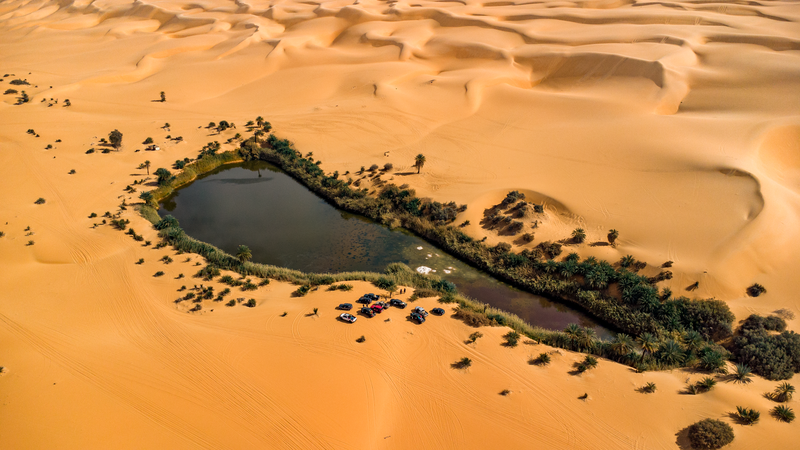
The Azraq toothcarp (Aphaniops sirhani) is the real answer to the literal question. It’s a killifish, about six centimeters long, spotted on females and striped black on males, and it exists in exactly one place: the spring-fed pools of the Azraq Wetland Reserve in Jordan’s eastern desert.
It nearly didn’t survive to be written about. Groundwater pumping drained the historic Azraq oasis through the 1980s, and the fish was presumed extinct by the mid-1990s until a 2000 survey turned up roughly 45 adults clinging on in the remaining pools. A captive breeding and reintroduction program launched in 2001 pulled it back — the species now makes up close to 70 percent of the fish population in the restored wetland, though the IUCN still lists it as critically endangered. Where to see it: the Azraq Wetland Reserve’s boardwalk pools, run by the Royal Society for the Conservation of Nature.
Arabian Oryx: The National Animal {#arabian-oryx}
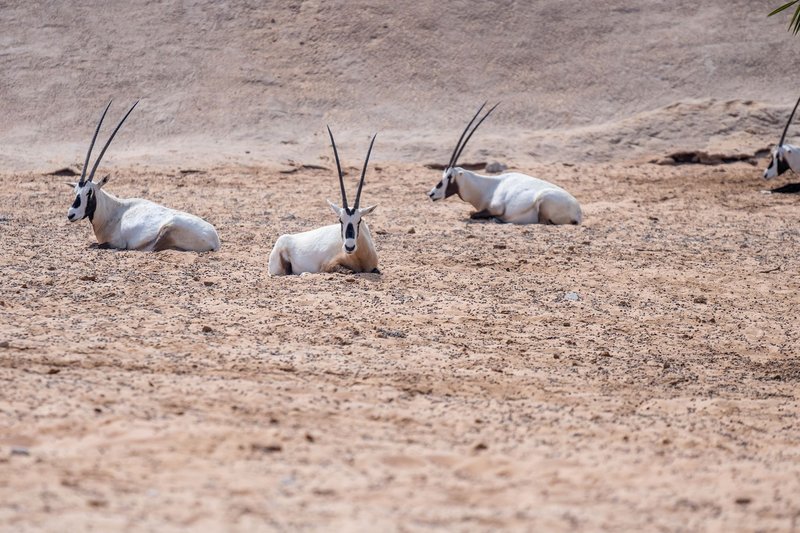
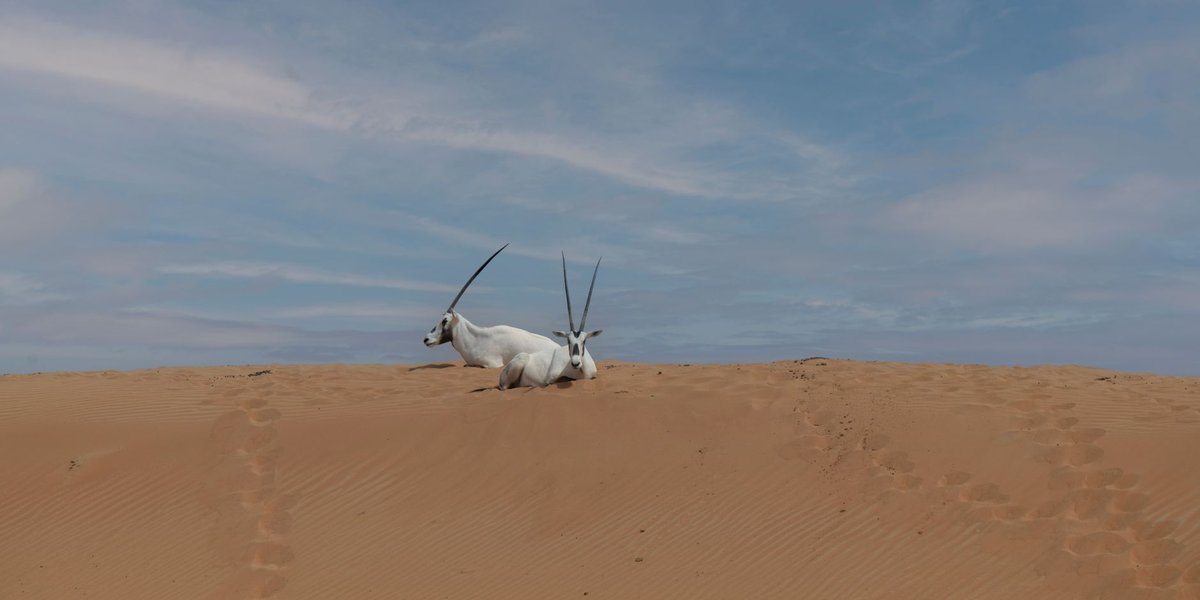
The Arabian oryx isn’t endemic to Jordan — it once ranged across the entire Arabian Peninsula — but it’s Jordan’s national animal and its comeback story is a genuinely local one. Hunters wiped the species out in Jordan by 1930, and it went extinct in the wild globally by 1972.
The Royal Society for the Conservation of Nature began reintroducing oryx in 1978 with eleven animals sourced from the San Diego Wild Animal Park and Qatar’s royal herd. A dedicated release into Wadi Rum followed in 2000 with stock from the Shaumari Wildlife Reserve, reinforced in 2008 with animals from Abu Dhabi’s Environment Agency to widen the genetic pool. That patient, decades-long effort is documented in Oryx, the Cambridge journal of international conservation, which tracked the population’s recovery alongside the political upheaval happening around it. The IUCN downgraded the species from extinct-in-the-wild to vulnerable in 2011. Where to see it: the semi-wild enclosure inside the Wadi Rum Protected Area, home to a herd of more than 70 animals.
Nubian Ibex {#nubian-ibex}
Nubian ibex are the animal you’re most likely to actually see in Jordan, and that’s the point — they’re not hiding. These wild goats, males carrying horns that curve back nearly the length of their bodies, work near-vertical canyon walls with a confidence that makes flat ground look like their fallback plan.
Rummana Campsite in Dana Biosphere Reserve is the reliable spot: groups of four to ten animals show up at dawn to browse the slopes below camp, close enough that you don’t need a long lens. Where to see it: Rummana Campsite, Dana Biosphere Reserve, at first light.
Sand Cat {#sand-cat}
The sand cat is built for a world with almost nothing in it — thick fur on the soles of its feet insulates against scorching sand, and it can go long stretches without drinking free water, pulling what it needs from prey. It’s nocturnal, solitary, and small enough (barely bigger than a housecat) to disappear into a shallow scrape of dug-out sand during the day.
Wadi Rum and Jordan’s eastern desert are the associated range, but “associated with” is doing a lot of work — camera traps, not eyewitnesses, account for most confirmed records. Where to see it: don’t count on it. If you do, it’ll likely be a fixed camera trap image from a conservation survey, not a daytime sighting.
Caracal {#caracal}
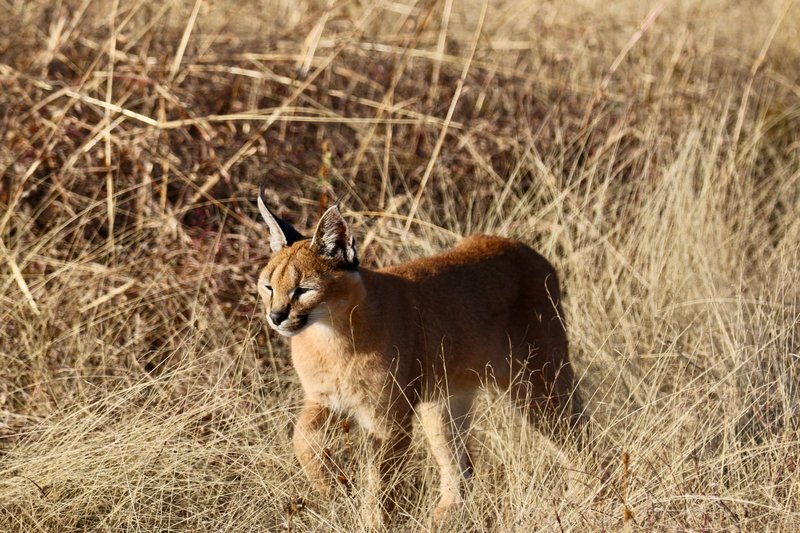
A caracal’s ears alone are worth the search — long, black-tufted, and disproportionately tall for a cat that tops out around 18 kilograms. It hunts by leaping, sometimes knocking birds straight out of the air, and it’s built for exactly that kind of explosive vertical power.
A seven-year camera trap study at artificial water sources in Dana Biosphere Reserve confirmed caracal activity alongside ibex, striped hyena, Arabian wolf, and red fox — but the researchers’ own framing makes the point: this is a species documented by cameras, rarely by human eyes. Where to see it: Dana Biosphere Reserve, in theory. In practice, treat any daylight sighting as a genuinely rare event.
Striped Hyena {#striped-hyena}
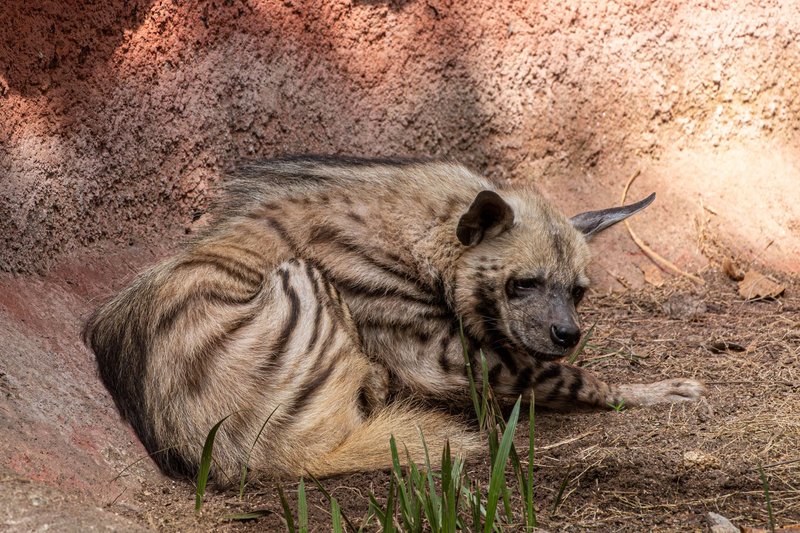
Striped hyenas are smaller and shaggier than their spotted cousins further south in Africa, with a coarse gray-brown coat and dark vertical stripes that make them look almost unfinished. They’re solitary scavengers rather than pack hunters, and in Jordan they’ve been recorded from Wadi Rum up through the northern highlands — occasionally even near the outskirts of Amman.
The species is protected under Jordanian law and classified as Near Threatened by the IUCN, with numbers sliding from habitat loss and retaliatory killing near livestock. Where to see it: rocky, arid terrain across the country’s protected areas, almost always at night and almost always by chance.
Dorcas Gazelle {#dorcas-gazelle}
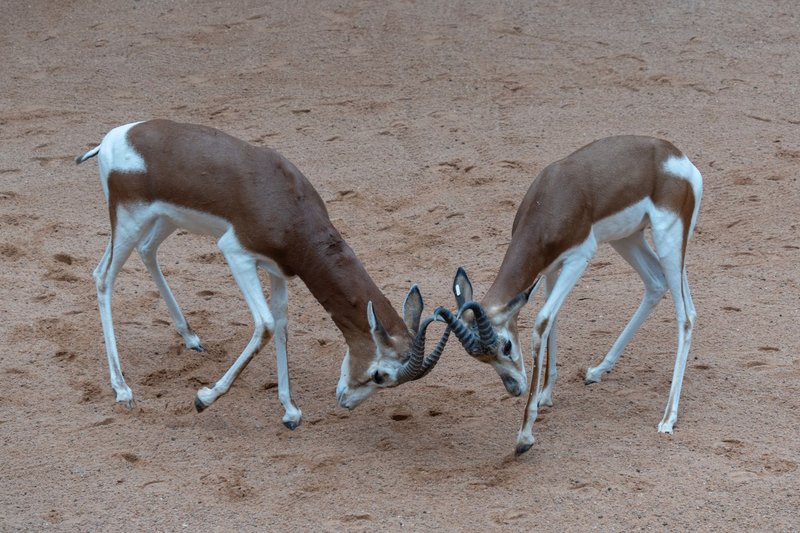
The Dorcas gazelle is small even by gazelle standards — under 20 kilograms, pale sandy coat, built to blend into open desert rather than outrun anything in it. It survives on sparse desert vegetation and moisture from morning dew, which means it doesn’t need to stay near standing water the way larger grazers do.
Small, loosely organized groups move across Jordan’s sandy eastern and southern desert, including stretches around Wadi Rum. Where to see it: open sand desert, scanning the horizon rather than the ground — they’re spotted from a distance more often than up close.
Blanford’s Fox {#blanfords-fox}
Blanford’s fox is tiny — barely a kilogram, with a tail nearly as long as its body and semi-retractable claws that let it scramble up rock faces almost like a cat. It wasn’t documented outside Israel and Sinai until surveys pushed east, and Jordan’s first confirmed record came out of the Dana Biosphere Reserve near At-Tafilah.
Since then it’s turned up across the mountainous terrain of Dana, Mujib, and Wadi Rum. Where to see it: rocky highland slopes at night — it’s almost entirely nocturnal and easiest to detect by eyeshine or camera trap rather than direct observation.
Honey Badger {#honey-badger}
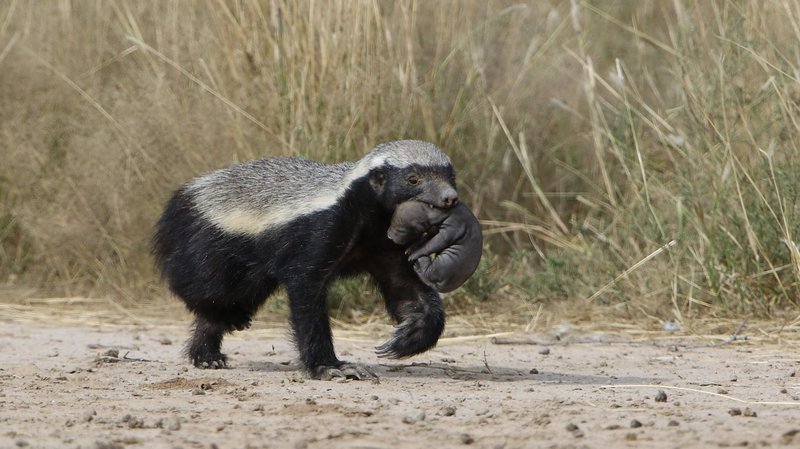
Honey badgers have a reputation for fearlessness that’s earned rather than exaggerated — thick, loose skin lets them twist around and bite an attacker even while pinned, and they’ll dig into rodent burrows or raid a beehive without much apparent concern for the outcome. Solitary and mostly nocturnal, they’re documented across Jordan’s eastern desert and the drier hill country, with records going back to the early 2000s.
Where to see it: don’t plan on it. Honey badgers cover large territories alone and avoid people; most Jordanian records come from tracks, den sites, or the occasional trail camera rather than a clean sighting.
Desert Monitor Lizard {#desert-monitor-lizard}
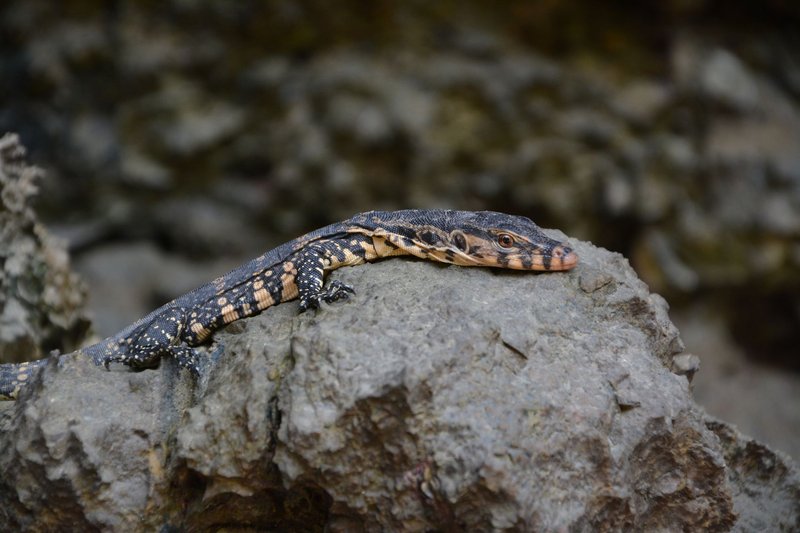
The desert monitor is Jordan’s largest reptile predator, an active, diurnal hunter that will take rodents, birds, eggs, and pretty much anything else it can overpower in the open sand and rock country it patrols. Unlike most of the mammals on this list, it hunts by day, which makes it one of the more visible predators here if you’re in the right terrain at the right time of year.
Where to see it: sandy and rocky desert flats in the eastern and southern regions, most active in the warmer months.
Sinai Agama (Basalt Desert Subspecies) {#sinai-agama}
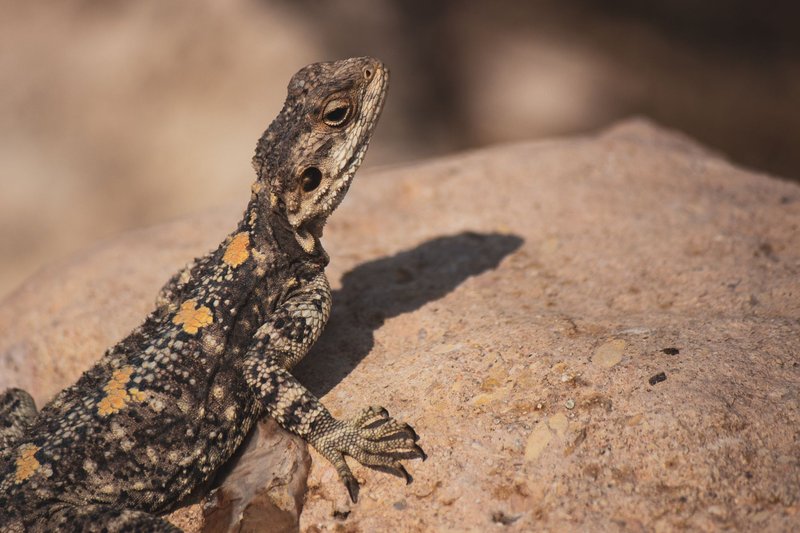
The Sinai agama itself ranges across Sinai, Israel, Jordan, and Syria, so it’s not endemic in the broad sense — but one subspecies, Pseudotrapelus sinaitus werneri, is restricted to the basalt desert of northern Jordan and southern Syria, a genuinely narrow range by reptile standards. Adult males shift into a bright blue head and orange body during breeding season, a color change dramatic enough to make an otherwise unremarkable rock lizard worth stopping for.
It favors volcanic boulder fields and hard gravel — the black basalt desert of Jordan’s northeast is textbook habitat. Where to see it: sun-warmed rocks and boulder outcrops around Petra and the Shawbak area for the wider species; the basalt desert further north for the endemic-range subspecies specifically.
Rock Hyrax {#rock-hyrax}
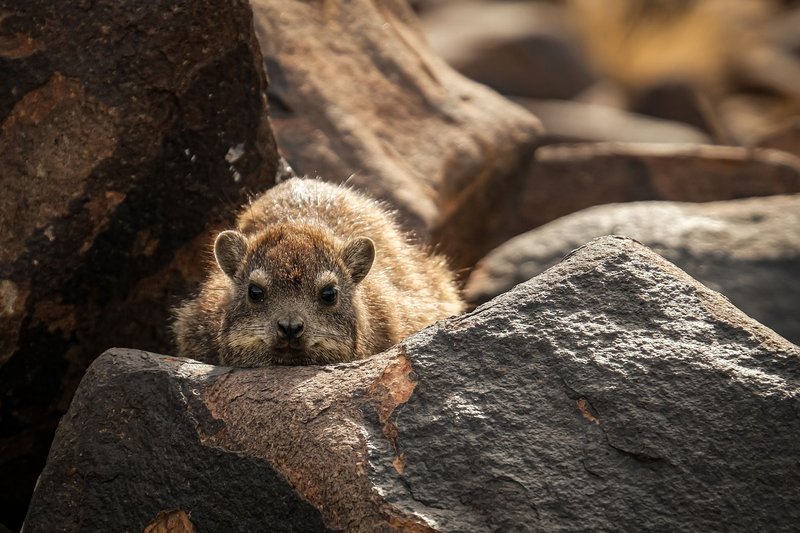
Rock hyraxes look like oversized, rodent-shaped guinea pigs sunning themselves on boulders — and their closest living relatives are, improbably, elephants and manatees, a fact that tends to surprise people more than anything else on this list. They live in colonies among rock piles and cliff faces, feeding on nearby vegetation and serving as a steady prey base for the caracals, foxes, and birds of prey sharing the same terrain.
Petra’s rock-cut tombs and trails are the classic spot: hyraxes sun themselves on the sandstone in plain view of tourists, unbothered by the crowds. Where to see it: the rocky trails and outcrops around Petra, especially mid-morning once the rock has warmed up.
Griffon Vulture and Egyptian Vulture {#vultures}
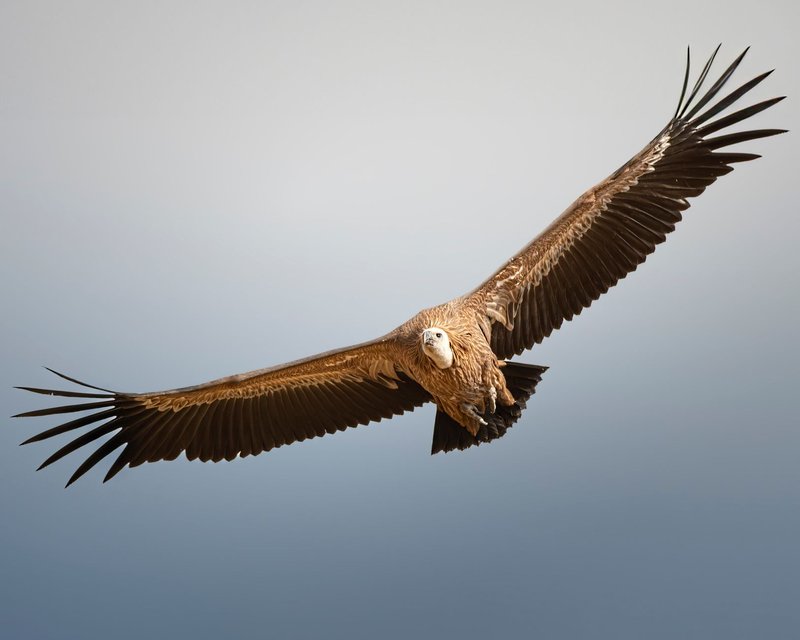
Two vulture species work Jordan’s canyon country, and they do different jobs. The Griffon vulture is the bulk scavenger — a two-meter wingspan built for riding thermals above Dana and Wadi Mujib while it watches for large carcasses. The Egyptian vulture is smaller, paler, and more opportunistic, willing to take carrion, eggs, or scraps wherever it finds them. Both are globally threatened species, and both nest on the cliff faces that make Jordan’s canyon reserves so dramatic to hike through in the first place.
Where to see them: circling above the gorges at Wadi Mujib and Dana Biosphere Reserve — look up on any clear-weather hike through the canyons and you’ll likely spot one riding a thermal.
Where to Actually See These Animals {#where-to-see-them}
Nobody ranking for this topic actually tells you where to point your trip, which is the gap worth closing here. Three reserves cover nearly everything on this list, and they’re not interchangeable.
Wadi Rum is open desert megafauna territory — the Arabian oryx enclosure, plus the best odds (still long odds) for sand cat and Dorcas gazelle. Dana Biosphere Reserve is the canyon-and-mountain reserve — Nubian ibex at Rummana Campsite, plus the camera-trap residents: caracal, striped hyena, Blanford’s fox. Azraq Wetland Reserve is the outlier: flat, spring-fed, and the only place on Earth to see the toothcarp, plus a stopover for migratory birds that has nothing to do with desert terrain at all.
If you only have time for one, Dana packs the most species density into a single hike. If you want the one animal that’s actually, technically, only found in Jordan, Azraq is the only option — and it’s also the one most visitors skip.