Uzbekistan’s most dangerous animals are small. A black widow relative, a handful of snakes, scorpions and ticks cause nearly every real incident. Wolves and snow leopards make better stories, but they almost never matter to a visitor.
This guide ranks the animals by how likely they are to hurt a traveler, not by how scary they sound. If you’re sticking to Samarkand, Bukhara, Khiva and Tashkent, skip to the city section. The risk there is close to nil.
Contents
- Quick ranking
- Karakurt
- Scorpions
- Snakes: saw-scaled viper, gyurza and cobra
- Ticks
- Stray dogs
- Camel spiders
- Large mammals
- Where tourists actually go
- The 2025 captive-animal law
- Summary
Quick ranking
Ranked by the chance a visitor gets hurt, with severity factored in:
- Karakurt: common in steppe and desert, painful and sometimes serious.
- Scorpions: common, painful, rarely dangerous to healthy adults.
- Venomous snakes: uncommon encounters, but the only animals here that can be life-threatening.
- Ticks: easy to pick up on grassy hillsides, and the source of a serious viral disease.
- Stray dogs: the realistic mammal threat, with rabies as the tail risk.
- Camel spiders: scary-looking, harmless.
- Wolves, bears, boar, snow leopards: dramatic and extremely unlikely.
1. Karakurt: the local black widow
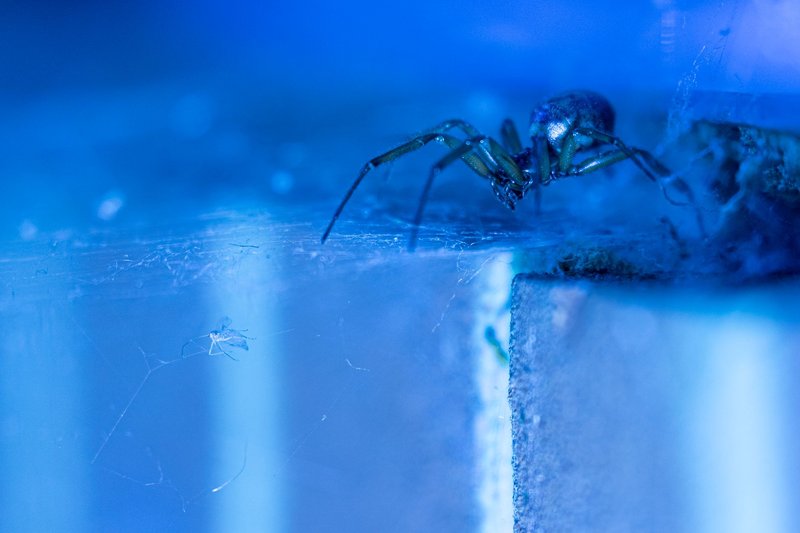
The karakurt (Latrodectus, the same genus as black widows) is the spider you’re most likely to be bitten by. It’s a glossy black spider, often with red spots on the abdomen, and it builds low, messy webs in burrows, rock gaps and the base of shrubs. It lives across the Kyzylkum desert, the Karakalpakstan steppe and dry foothills.
Spring and early summer are the high-risk months, when females are active and farmland and grazing land are being worked. Most bites happen to shepherds and farm workers, not tourists. You’re exposed when you camp on open ground, sit in dry grass or reach under rocks and wood.
A bite can feel like a pinprick. Within an hour or so, symptoms build: severe pain spreading from the bite, muscle cramps (often in the abdomen and back), sweating, nausea and a racing heart. Outbreaks in neighboring Kazakhstan have made headlines, and the species is just as established in Uzbekistan’s steppe.
First aid: Keep the person calm and still, clean the bite and apply a cold pack. Go to a hospital. Regional clinics know karakurt bites well and treat them routinely. Healthy adults usually recover, but children, older people and anyone with heart problems should be treated as urgent.
How to avoid it: Shake out boots and sleeping bags, use a tent with a sewn-in floor, and don’t pitch camp in thick dry scrub.
2. Scorpions
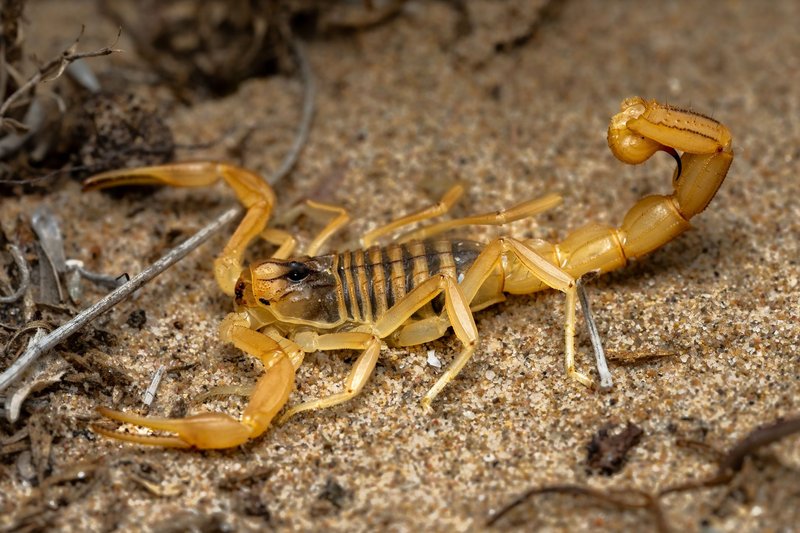
Several small scorpion species live in Uzbekistan’s deserts and rocky slopes, including the yellow and brown Mesobuthus group. They hide under stones, in crevices and in old walls during the day and hunt at night.
A sting hurts like a hot needle, then swells and may leave numbness or tingling for hours. Serious reactions are rare in healthy adults. Small children are the real concern.
You’ll meet them in the Kyzylkum, around Nuratau and in the dry hills of Surkhandarya, mostly from late spring to early autumn. Desert yurt camps are a classic spot: shoes left outside overnight, firewood piles, bedding on the floor.
First aid: Wash the area, apply a cold compress, and take a standard painkiller. Seek medical care for a child, or for anyone with spreading numbness, trouble breathing or a racing pulse.
How to avoid it: Tap out shoes before putting them on. Don’t flip rocks with bare hands. Use a headlamp if you walk at night.
3. Snakes: saw-scaled viper, gyurza and Central Asian cobra
Uzbekistan has three venomous snakes worth knowing.
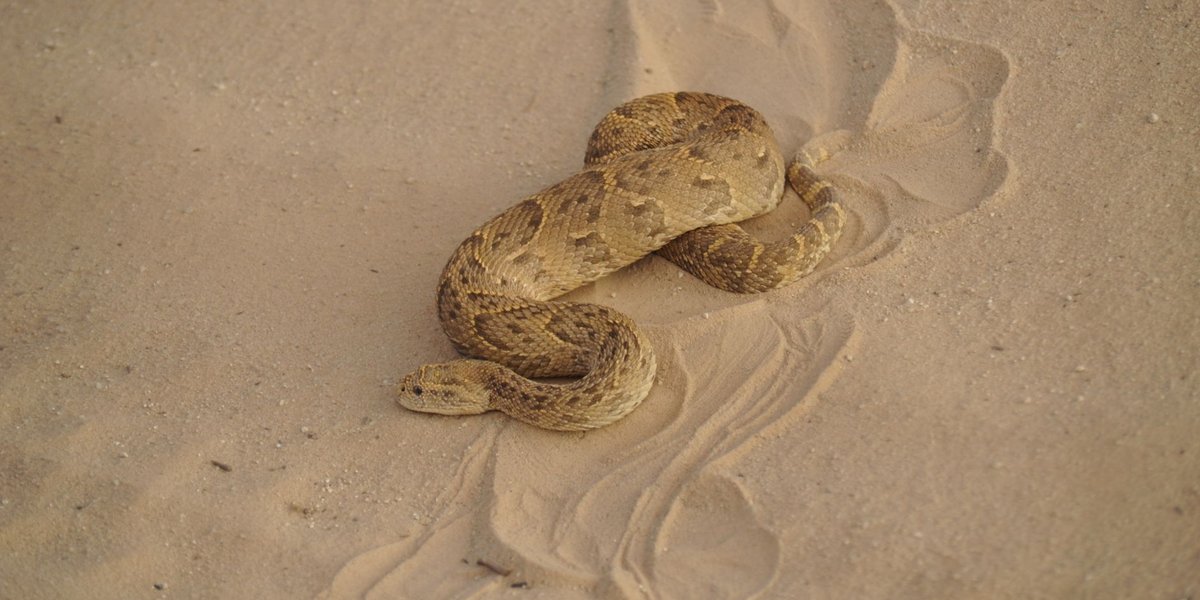
Saw-scaled (carpet) viper (Echis carinatus). Small, sandy and short-tempered. It lives in desert fringes, rocky foothills and dry riverbeds, mainly in the south (Surkhandarya) and parts of the Kyzylkum. When alarmed it coils and rubs its scales together, making a rasping sound. The species is responsible for a large share of snakebite deaths across its range in Asia, so take it seriously even though it’s small.
Gyurza (Macrovipera lebetina). The big one: a thick-bodied viper that can pass a meter in length, found in rocky hills, canyons and irrigated edges in the south and in mountain foothills. It’s slow to flee and hits hard.
Central Asian cobra (Naja oxiana). Found in the south, on rocky slopes and near streams in Surkhandarya. It’s shy and avoids people, and you’d be lucky to see one.
Snakes are active from spring through early autumn and avoid the midday heat, so dawn and dusk are the risky windows. Most bites come from stepping on or reaching toward a snake that was hidden.
According to the World Health Organization, prompt treatment with antivenom is the key to survival after a venomous bite, and delays cause most of the harm.
First aid:
- Keep the victim still and the bitten limb at roughly heart level.
- Remove rings, watches and tight clothing before swelling starts.
- Get to a hospital immediately, by car if you can.
- Don’t cut the wound, suck out venom, apply a tourniquet or use ice.
- Don’t try to catch the snake. A phone photo from a distance is enough.
How to avoid it: Wear closed boots and long trousers on hillsides. Watch where you put hands and feet on rocky ground. Walk with a light stick in grass. Never handle a snake, even a dead one.
4. Ticks
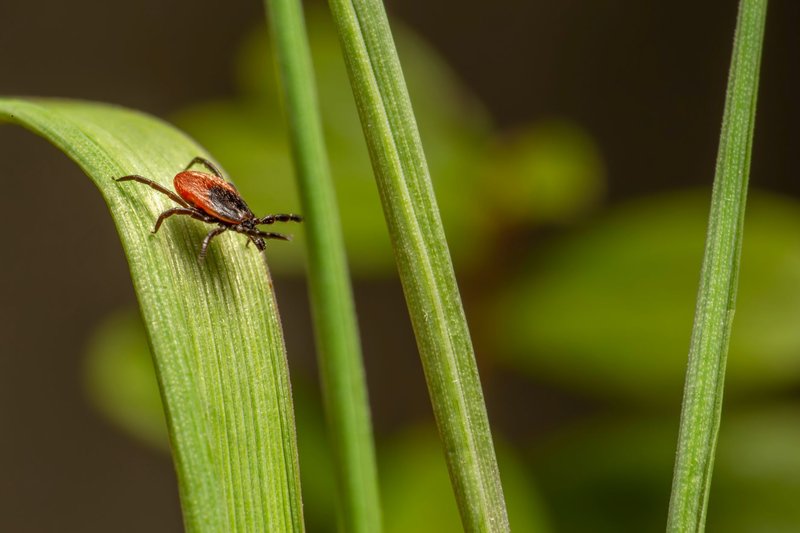
Ticks are the quiet danger on this list. They live in grass and scrub on pasture land, foothills and around livestock, and they’re active in spring and summer. The one that matters most is the vector for Crimean-Congo hemorrhagic fever, a viral disease the WHO describes as widespread in Asia, Africa and parts of Europe. Cases are reported in Uzbekistan, usually among people who work with livestock.
For a visitor, the risk is low and manageable. Ticks climb on, they don’t jump. You’d pick one up trekking through tall grass or spending time at a village with animals.
What to do: Treat clothing with permethrin or use a repellent with DEET, wear long trousers tucked into socks on grassy hillsides, and check your body at the end of the day. Remove an attached tick with fine tweezers close to the skin and pull straight out. If you get a fever, headaches or unexplained bruising in the days after, see a doctor and mention the bite.
5. Stray dogs
Stray and village dogs are the animals most likely to bite a tourist in the physical sense. Outside the historic centers, packs of free-roaming dogs exist in towns and on rural roads, and farm dogs guarding flocks can be aggressive toward strangers on foot.
The real danger is rabies. The CDC notes that rabies is nearly always fatal once symptoms appear, but is preventable with prompt post-exposure treatment. Any bite or lick on broken skin needs the same response.
What to do: Wash the wound with soap and water for several minutes and get to a clinic the same day for a rabies vaccine series. Ask your doctor about pre-trip vaccination if you plan to trek remote areas. Don’t run from a dog. Walk away calmly and keep your bag between you and it.
6. Camel spiders
Camel spiders (solifugae, sometimes called phalanges) get a reputation far beyond what they deserve. They’re fast, pale, hairy and about the size of your palm, and they run toward shade, which usually means your legs or your tent. They aren’t venomous.
They can give a painful pinch with their jaws, and you should clean the wound, but they pose no medical threat. They live throughout the Kyzylkum and the Karakum edge.
7. Large mammals: wolves, bears, boar and snow leopards
Uzbekistan’s mountains hold wolves, brown bears, wild boar and a small number of snow leopards in the Tien Shan and Pamir-Alay ranges. They are real, and almost none of them will ever see you.
- Wolves avoid people and are mostly a livestock problem.
- Brown bears are rare and shy. Making noise on a trail is enough.
- Wild boar are common in river thickets (tugai forests) and can be aggressive if cornered or with piglets. Don’t approach them.
- Snow leopards are among the rarest cats in the world, listed as vulnerable by the IUCN. There’s no record of them attacking trekkers. Seeing one would be the highlight of your life, not a threat.
Where tourists actually go
Most visitors stick to the Silk Road circuit: Tashkent, Samarkand, Bukhara and Khiva. In these cities, dangerous wildlife is not part of the experience. The biggest animal-related issues are stray dogs at the edges of town and mosquitoes in summer evenings.
Side trips change the picture:
- Kyzylkum and Karakalpakstan (including Aral Sea trips and desert yurt camps): karakurt, scorpions, snakes, camel spiders. Shake out your shoes and bedding.
- Nuratau mountains and village homestays: ticks, scorpions, stray and guard dogs.
- Chimgan and the Chatkal range near Tashkent: ticks, snakes on warm slopes, wild boar. Wolves and bears exist but are very unlikely to be encountered.
- Surkhandarya (south, near Termez): the highest snake diversity, including the saw-scaled viper, gyurza and cobra, along with scorpions.
If you stay on marked trails, wear proper footwear and keep your campsite tidy, the odds of an incident are small.
The 2025 captive-animal law
Uzbekistan banned private individuals from keeping predatory and venomous animals, effective January 1, 2025, as reported by Kun.uz. The ban also covers circus performances. For visitors this has two practical effects. You shouldn’t expect to see private menageries, and you shouldn’t buy or accept a wild animal as a souvenir or photo prop.
Summary
The animals that can hurt you in Uzbekistan are small, nocturnal and easy to avoid. Karakurt, scorpions and snakes account for most of the risk, ticks and stray dogs for most of the rest. Wolves, bears and snow leopards are a footnote.
Wear closed shoes outdoors, check what you step on, keep tents zipped, and know where the nearest clinic is when you’re out in the desert. Treat any venomous bite, tick-borne fever or dog bite as a same-day medical matter and you’ve covered nearly every realistic scenario of dangerous animals in Uzbekistan.