TLDR
Sri Lanka’s most famous animals are the Sri Lankan leopard, the Asian elephant, the sloth bear, the toque macaque and the blue whale. Seven more complete the list: the Sri Lankan junglefowl, Indian peafowl, mugger crocodile, Indian star tortoise, sea turtles, the Sri Lankan giant squirrel and the purple-faced langur. Seven of the twelve are endemic or have an endemic subspecies, and nine carry an IUCN threatened or Near Threatened listing. The table below gives the park and season for each.
| Animal | Best place | Best time | IUCN status |
|---|---|---|---|
| Sri Lankan leopard | Yala Block 1, Wilpattu | Feb to Jul | Endangered (kotiya subspecies) |
| Asian elephant | Minneriya, Udawalawe | Jul to Oct (Minneriya) | Endangered |
| Sloth bear | Wilpattu, Yala | May to Jul | Vulnerable |
| Toque macaque | Polonnaruwa, Sigiriya | Year-round | Endangered |
| Blue whale | Mirissa, Trincomalee | Nov to Apr (Mirissa) | Endangered |
| Sri Lankan junglefowl | Sinharaja, Yala | Year-round | Least Concern |
| Indian peafowl | Yala, Bundala | Year-round | Least Concern |
| Mugger crocodile | Wilpattu, Yala, Bundala | Dry season | Vulnerable |
| Indian star tortoise | Bundala, Yala | Early morning, after rain | Vulnerable |
| Sea turtles | Rekawa, Kosgoda | Year-round | Varies by species |
| Sri Lankan giant squirrel | Sinharaja, Kandy forests | Year-round | Near Threatened |
| Purple-faced langur | Sinharaja, Kandy forests | Year-round | Endangered |
Contents
- 1. Sri Lankan leopard
- 2. Asian elephant
- 3. Sloth bear
- 4. Toque macaque
- 5. Blue whale
- 6. Sri Lankan junglefowl
- 7. Indian peafowl
- 8. Mugger crocodile
- 9. Indian star tortoise
- 10. Sea turtles
- 11. Sri Lankan giant squirrel
- 12. Purple-faced langur
- Planning your wildlife trip around the seasons
Sri Lanka is an island about the size of West Virginia, but it holds rainforest, dry-zone scrub, cloud-forest plains and coral coast within a day’s drive of each other. That’s why the famous animals of Sri Lanka are so varied, and why a good wildlife trip means picking parks by season. Statuses below follow the IUCN Red List.
1. Sri Lankan leopard
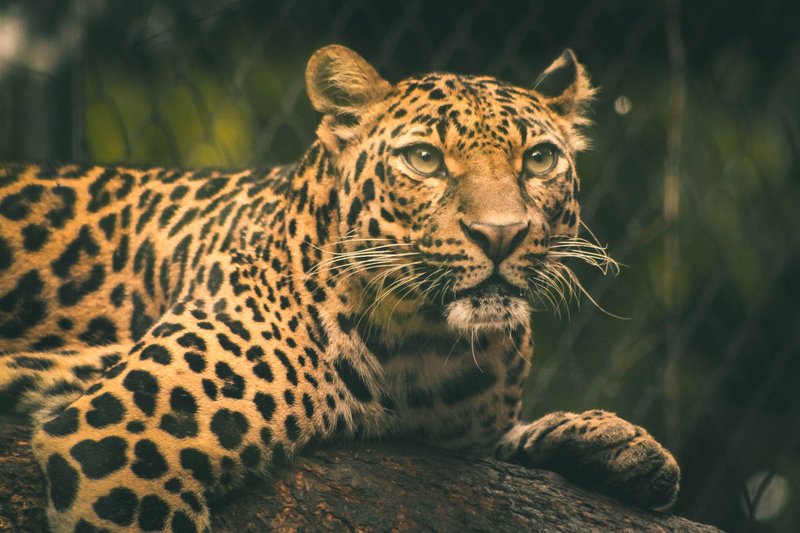
Sinhala name: kotiya | Endemic: yes (subspecies Panthera pardus kotiya) | Status: Endangered | Best: Yala Block 1, February to July
There are no tigers or lions on the island, so the leopard sits alone at the top of the food chain. That has made it bolder than leopards elsewhere. In Yala’s Block 1 they hunt in daylight and walk past jeeps, which is why the park has some of the most reliable leopard sightings in the world.
Wilpattu in the northwest is quieter and wilder, with fewer vehicles and fewer guaranteed sightings. Expect to wait. Good guides read the alarm calls of spotted deer and langurs before they see anything.
2. Asian elephant
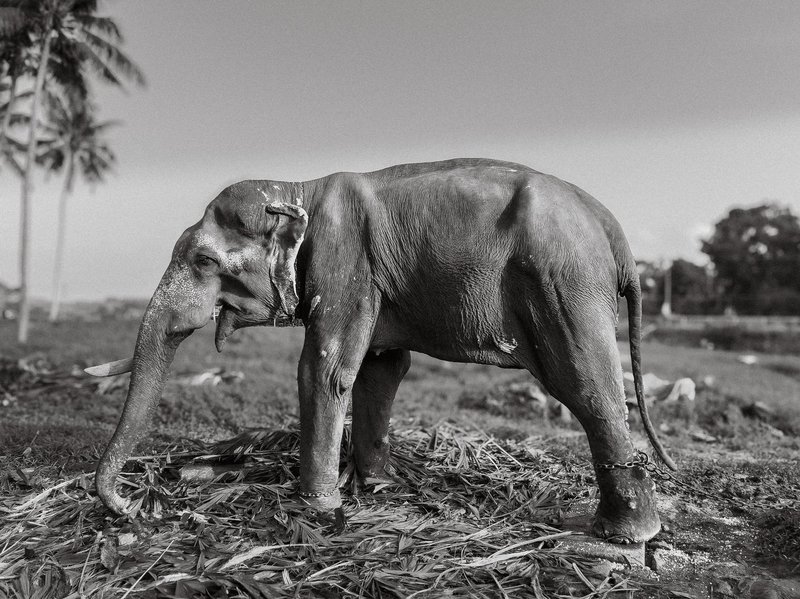
Sinhala name: aliya | Endemic: subspecies (Elephas maximus maximus) | Status: Endangered | Best: Minneriya, July to October
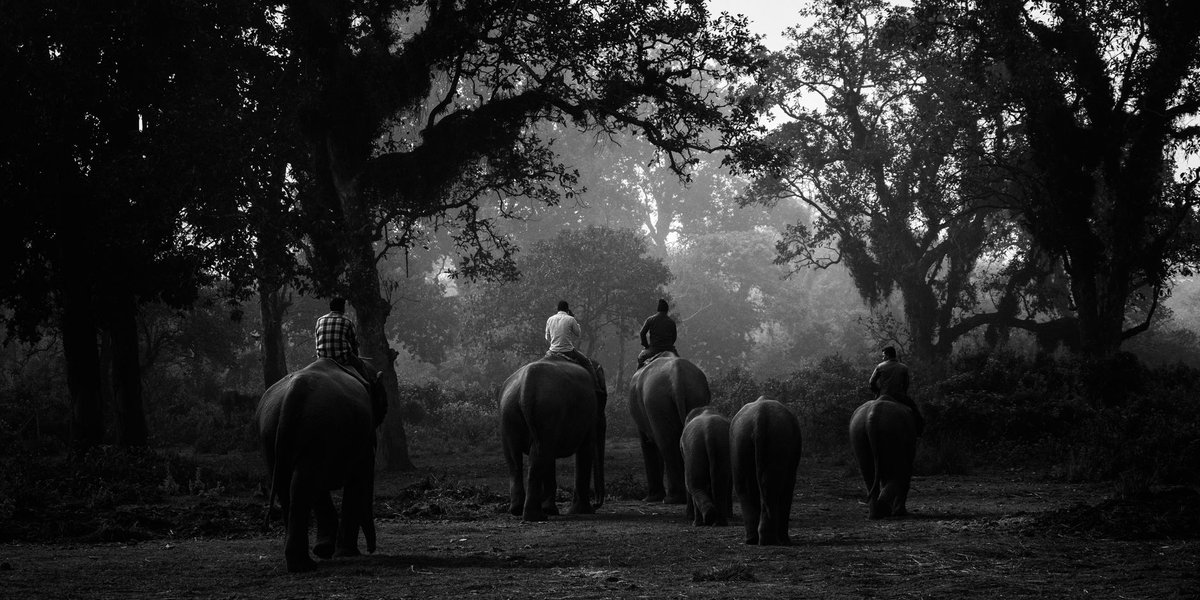
Sri Lanka’s elephants are the largest of the Asian subspecies, with a dark body and pink-blotched ears and face. Only a small share of males carry tusks, so a tusker is an event. The island’s 2024 national count came to about 7,450 wild elephants, up from roughly 5,900 in 2011, though conflict with farmers kills hundreds each year.
The best show is “The Gathering” at Minneriya, where in the dry months a couple of hundred elephants graze the shrinking reservoir bed together. Udawalawe is the safer choice for year-round sightings, since the herds live in open grassland you can see across. Udawalawe also has the Elephant Transit Home, which raises orphaned calves for release back into the wild. That’s the ethical option. Be skeptical of any venue that offers rides, chains or close contact.
Elephants matter here beyond wildlife. At the Esala Perahera in Kandy each July or August, dozens of decorated elephants parade for the Temple of the Tooth, led by a tusker carrying the casket.
3. Sloth bear
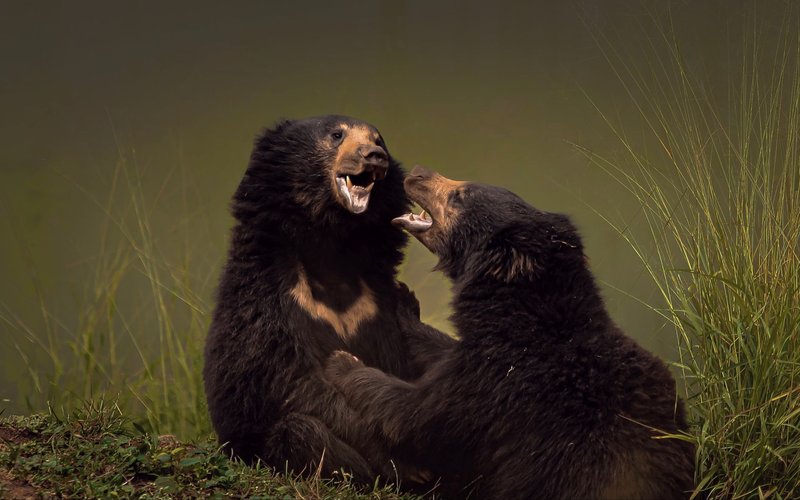
Sinhala name: walaha | Endemic: subspecies (Melursus ursinus inornatus) | Status: Vulnerable | Best: Wilpattu and Yala, May to July
The Sri Lankan sloth bear is a shaggy, long-clawed insectivore with a mobile snout it uses to suck termites out of mounds. Its coat is thinner than the Indian sloth bear’s, which suits the lowland heat.
Sightings are never promised. Your best window is when palu trees (Manilkara hexandra) drop fruit in the dry months, because bears gather under them at dawn. Early morning drives in Wilpattu and Yala’s quieter blocks give you the best odds. Keep your distance: a bear surprised on a track is more dangerous than a leopard.
4. Toque macaque
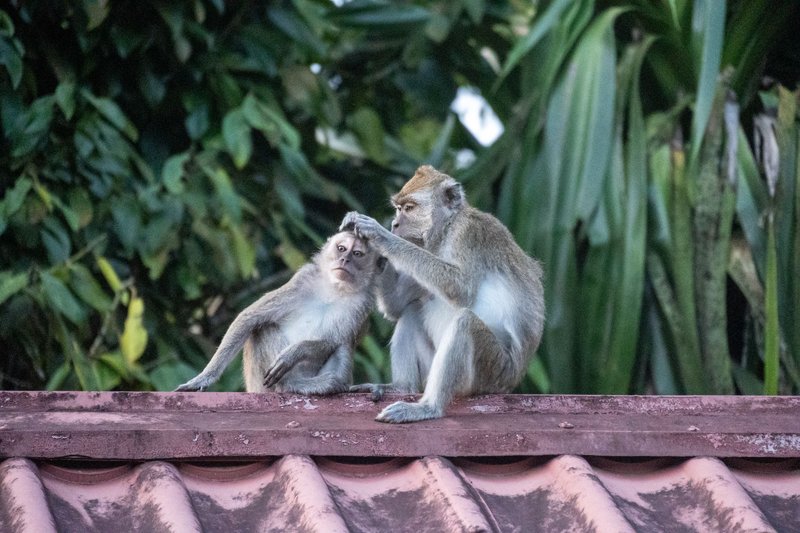
Sinhala name: rilawa | Endemic: yes (Macaca sinica) | Status: Endangered | Best: Polonnaruwa, year-round
The toque macaque is named for the whorl of hair on its crown that looks like a knitted cap. It lives only in Sri Lanka and is the island’s most visible monkey, which makes its Endangered listing surprising. Habitat loss and persecution as a crop raider are the main causes.
Polonnaruwa’s ancient ruins are the easiest place to watch troops go about their day: grooming, squabbling and stealing from tourists. Sigiriya’s grounds work too. Don’t feed them. Macaques that learn to associate people with food become aggressive.
5. Blue whale
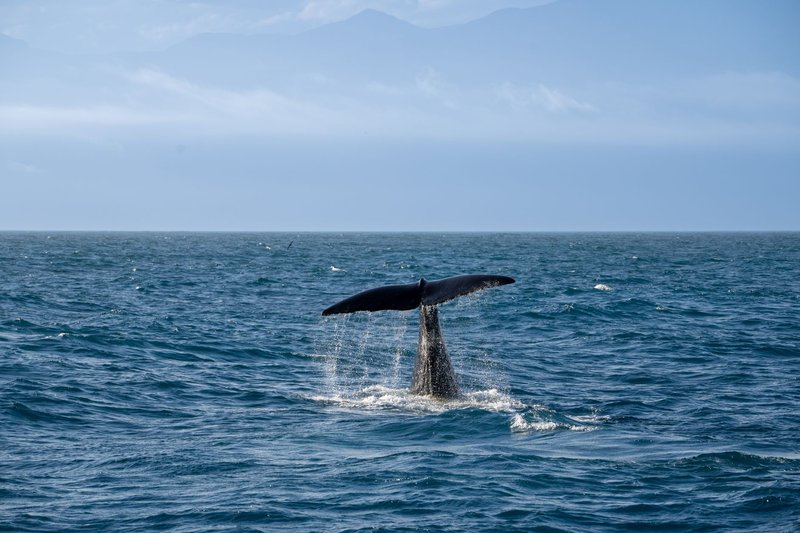
Endemic: no (Balaenoptera musculus) | Status: Endangered | Best: Mirissa, November to April; Trincomalee, roughly April to September
The waters off southern Sri Lanka are among the few places where you can reliably see the largest animal that has ever lived from a small boat. The seabed drops away close to shore, which brings deep-water prey within reach. The northern Indian Ocean blue whales here don’t follow the long seasonal migrations of Pacific and Atlantic populations, and researchers think some stay in the region year-round.
The catch is crowding. At Mirissa in peak season, dozens of boats can converge on a single whale. Choose an operator that keeps its distance, doesn’t chase, and limits its time near each animal. On the northeast coast, Trincomalee offers calmer seas and fewer boats in the months the south is rough.
6. Sri Lankan junglefowl
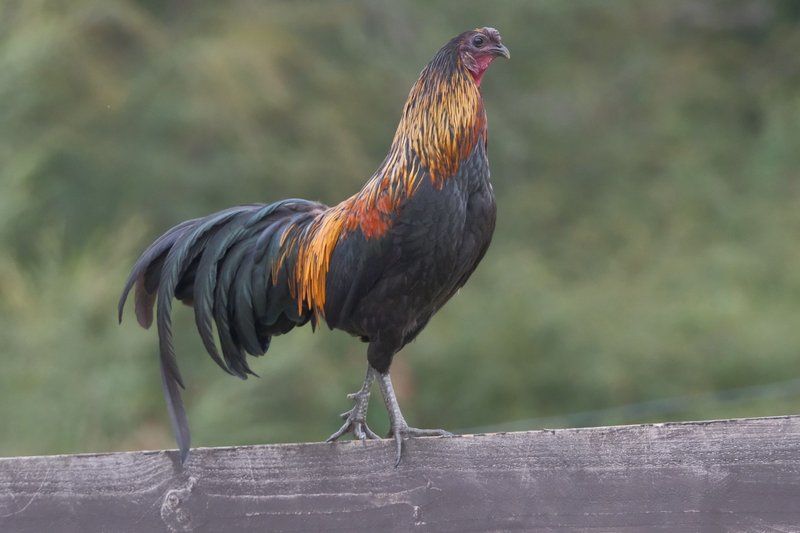
Sinhala name: wali kukula | Endemic: yes (Gallus lafayettii) | Status: Least Concern | Best: Sinharaja or Yala, year-round
This is Sri Lanka’s national bird, a wild relative of the farmyard chicken that looks like a dressed-up version of it. The male has a deep orange-red body, a purple-black tail, and a red comb with a yellow center, a mark no other junglefowl carries.
You’ll hear it before you see it, a sharp two-note call at dawn. Walk quietly along forest trails at Sinharaja, or watch for males crossing safari tracks in Yala. It’s a good first bird for anyone chasing the island’s 30-odd endemic species.
7. Indian peafowl
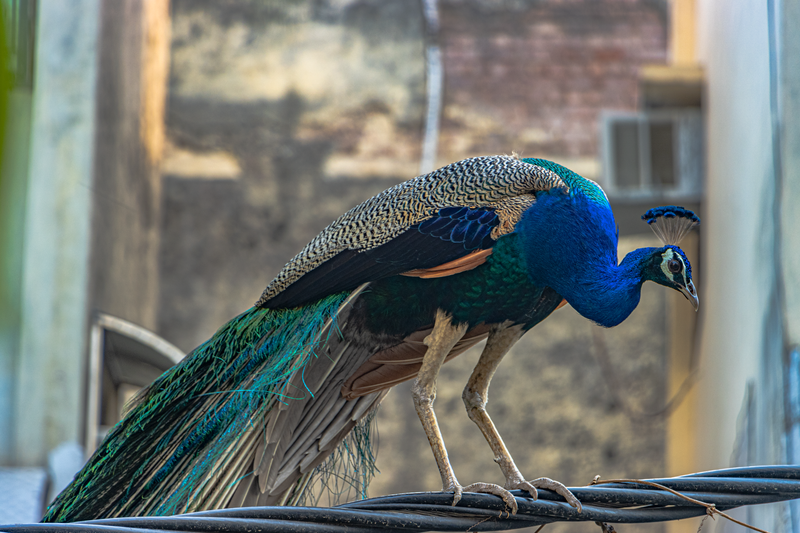
Sinhala name: monara | Endemic: no (Pavo cristatus) | Status: Least Concern | Best: Yala and Bundala, year-round
Peacocks are easy to find across the dry zone, and they’re one of the few famous animals of Sri Lanka you can photograph without a long wait. Males fan their trains for displays, and the birds roost in tall trees at dusk, calling loudly just before dark.
Bundala National Park, on the southeast coast, pairs peafowl with a wetland of flamingos, painted storks and other waterbirds. Go early. The birds hide from the midday heat.
8. Mugger crocodile
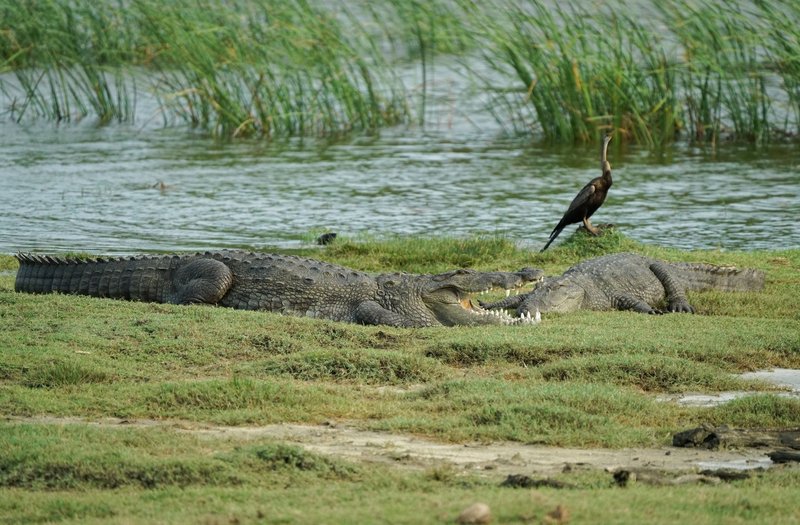
Endemic: no (Crocodylus palustris) | Status: Vulnerable | Best: Wilpattu, Yala, Bundala, dry season
Sri Lanka has two crocodile species. The saltwater crocodile gets the headlines, but the mugger is the one you’ll see most, basking on banks at Yala’s waterholes and Wilpattu’s natural lakes, the villus. Its broad, short snout separates it from the narrower-jawed saltwater species.
Dry-season visits are best. Water shrinks, animals crowd in, and muggers stack up on the remaining mud.
9. Indian star tortoise
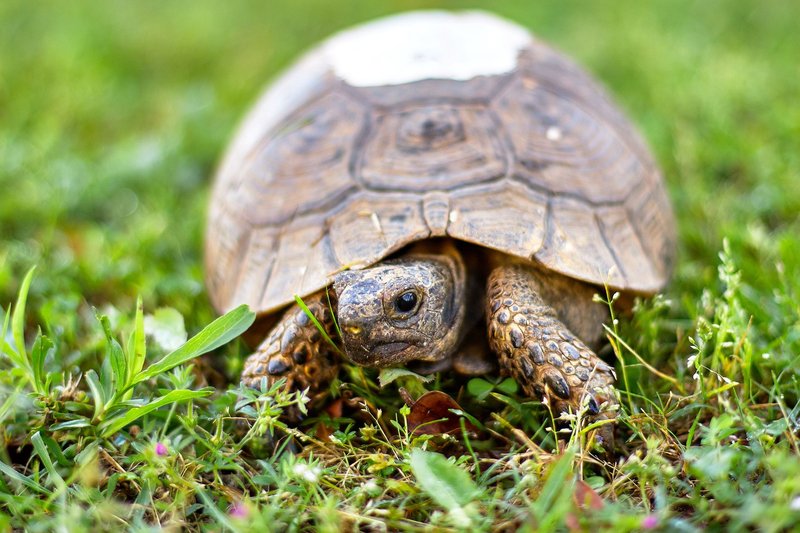
Endemic: no (Geochelone elegans) | Status: Vulnerable | Best: Bundala and Yala, early morning or after rain
The shell is the giveaway: yellow lines radiate from each scute like a child’s drawing of a star. The pattern is camouflage. In dry grass, the lines break up the shape, and a tortoise can vanish from a metre away.
Star tortoises are heavily trafficked for the pet trade across South Asia, which is why the species is listed as Vulnerable. In Sri Lanka’s southern parks they’re protected and easiest to spot on the roadsides after rain, when they’re out grazing.
10. Sea turtles
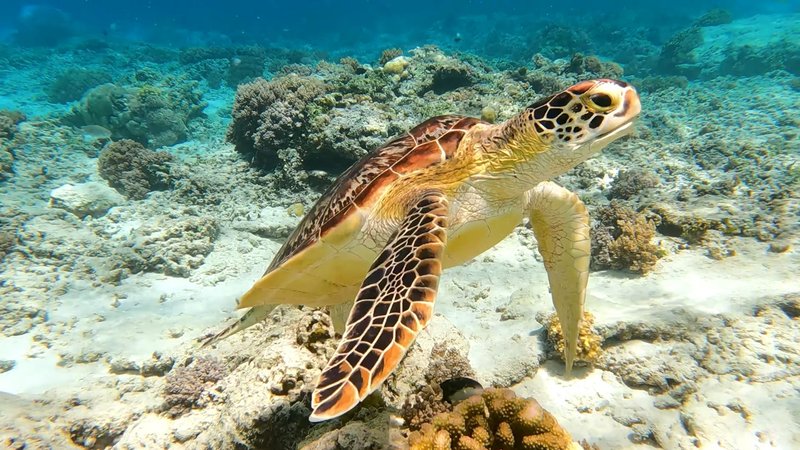
Endemic: no | Status: varies by species | Best: Rekawa and Kosgoda, year-round
Five of the world’s seven sea turtle species nest in Sri Lanka: green, loggerhead, olive ridley, hawksbill and leatherback. The hawksbill is Critically Endangered, and the leatherback, olive ridley and loggerhead are all Vulnerable.
Rekawa, near Tangalle, is the beach to choose for watching females lay eggs at night, under guided supervision with no flash photography. Several hatcheries along the southwest coast, including Kosgoda, show hatchlings, but practices differ. Some keep baby turtles in tanks for days so visitors can see them, which lowers their survival odds. Pick a hatchery that releases hatchlings at dusk soon after they emerge.
11. Sri Lankan giant squirrel
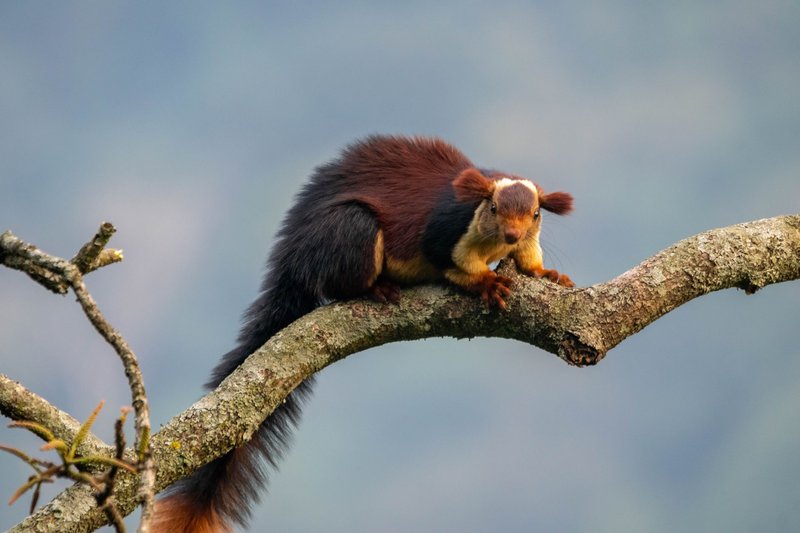
Sinhala name: dandu lena | Endemic: subspecies | Status: Near Threatened | Best: Sinharaja and the forests around Kandy, year-round
Sri Lanka’s national animal is neither the elephant nor the leopard. It’s the grizzled giant squirrel (Ratufa macroura), a tree-dweller with a tail longer than its body. The Sri Lankan form is darker and more richly colored than the grizzled squirrels of southern India.
Look up. They stay in the canopy, leaping between branches and giving a loud, rattling call. Udawattakele Forest Reserve in Kandy is a convenient place to find one without a long trek.
12. Purple-faced langur
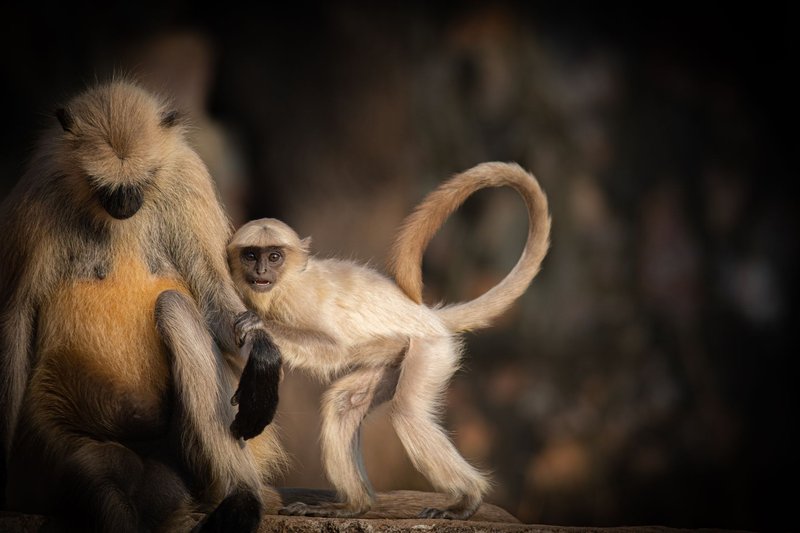
Sinhala name: kalu wandura | Endemic: yes (Semnopithecus vetulus) | Status: Endangered | Best: Sinharaja and Kandy’s forests, year-round
The purple-faced langur is a dark, long-tailed monkey with a pale mane framing a black face. It eats mostly leaves, so it moves slowly, sits still for long periods and gives you time to watch. Four subspecies live across the island’s wet zone and highlands, sharing the canopy with many other Asian rainforest animals.
The wet-zone populations are in trouble. Road deaths, electrocution on power lines and the loss of forest corridors have pushed several subspecies toward extinction. Spotting one in Sinharaja’s canopy, or in a Kandy garden, is a reminder that endemic animals of Sri Lanka often live closest to people.
Planning your wildlife trip around the seasons
Sri Lanka has two monsoons, which splits the best viewing by region. The southern and western coasts are calmest from roughly November to April, which suits Mirissa’s whale boats and beach turtles. The dry zone, including Yala, Wilpattu and Minneriya, is best in the dry months from about May to September, when animals concentrate around remaining water. Some parks close for a few weeks each year, so check the Department of Wildlife Conservation for current opening dates before you book.
Two practical rules. Book a licensed jeep with a driver-guide who knows the specific park, and pick early morning or late afternoon drives when animals move. And skip anywhere that offers riding, chaining or hand-feeding. The best-known animals of Sri Lanka are also its most pressured, and where you spend your money decides which kind of tourism survives.