Ask the internet for the flowers of Sudan and you get two kinds of answers. Dry species tables that read like a museum drawer, or a single love letter to one plant. Neither tells you what actually grows across a country that spans Saharan dunes, Sahel scrub, and the green ribbon of the Nile.
So here’s the honest version. Sudan’s flora is built for harsh conditions, which means its flowers tend to be tough, useful, and quietly beautiful rather than showy. A handful of them carry real cultural weight, and one of them is so woven into daily life that it’s become a national symbol. We’ll get to that question directly, because the sources disagree and somebody should just settle it.
Table of Contents
- The national flower of Sudan, settled
- Karkade (Roselle Hibiscus)
- Umbrella Thorn Acacia
- Tamarisk
- Blue Water Lily of the Nile
- African Tulip Tree
- Tropical Hibiscus
- Quick comparison table
The national flower of Sudan, settled
Short answer: it’s the hibiscus, specifically the roselle variety Sudanese people call karkade.
You’ll find pages that hedge on this, partly because “hibiscus” covers a sprawling genus and partly because Sudan and South Sudan get mixed up constantly. The split runs deeper than flowers, too — even the woody flora diverges, as a glance at the trees of South Sudan makes clear. But the flower people mean when they say Sudan’s national bloom is Hibiscus sabdariffa, the roselle whose dark red calyces make the tart crimson tea you’ll be offered in any Sudanese home. Sudan is widely credited as a center of origin for roselle, with the Kordofan and Darfur regions being its agricultural heartland.
That’s the difference between a national flower chosen by committee and one chosen by a thousand years of kitchens. Nobody had to legislate karkade. It earned the title.
Karkade (Roselle Hibiscus)
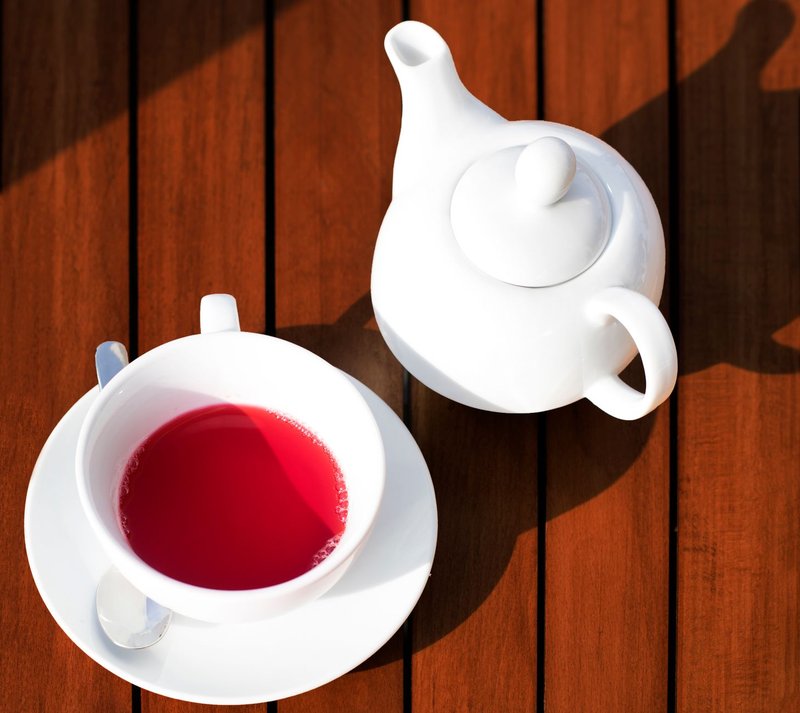
Scientific name: Hibiscus sabdariffa Region: Kordofan, Darfur, and cultivated nationwide Bloom: Pale yellow flowers giving way to the deep red, fleshy calyces that get harvested
Here’s the part most flower lists miss: the showy red bit everyone associates with karkade isn’t actually the flower. The bloom is a modest cream-to-yellow cup. What you steep for tea is the calyx, the swollen base left behind after the petals drop. It dries to a near-black crimson and rehydrates into that ruby-colored, cranberry-sharp drink served hot in winter and iced in the punishing Sudanese summer.
Karkade is hospitality made liquid. It shows up at weddings, at Ramadan iftars, and at the front of any conversation about Sudanese identity, including among the diaspora who carry the habit abroad. It’s also a genuine cash crop. According to research on roselle cultivation in Sudan, the country has long been a major producer for both domestic use and export. The dried calyces ship worldwide as “hibiscus flower” tea, and a lot of that supply traces back to Sudanese fields.
If you only learn one flower on this list, make it this one. Everything else here is botany. Karkade is the country’s flavor.
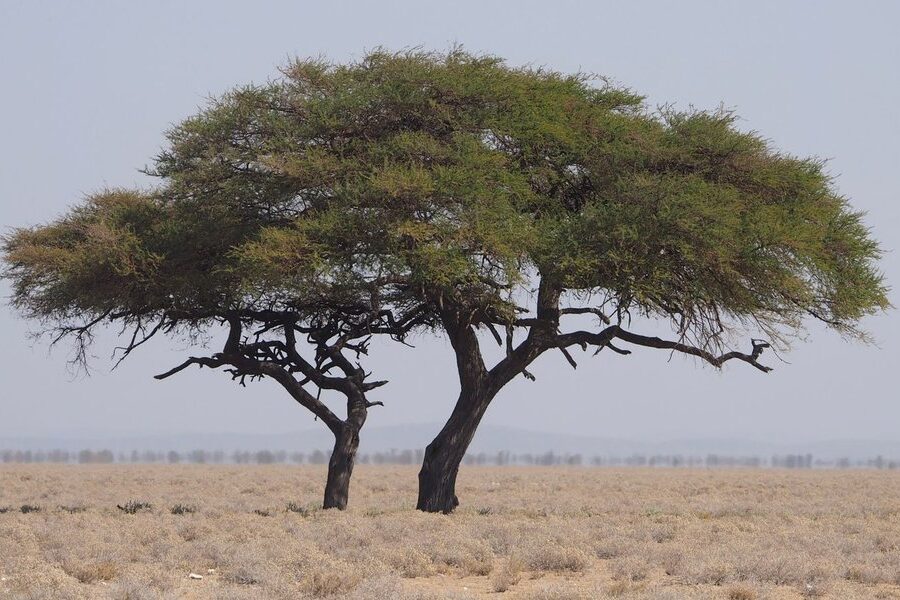
Umbrella Thorn Acacia
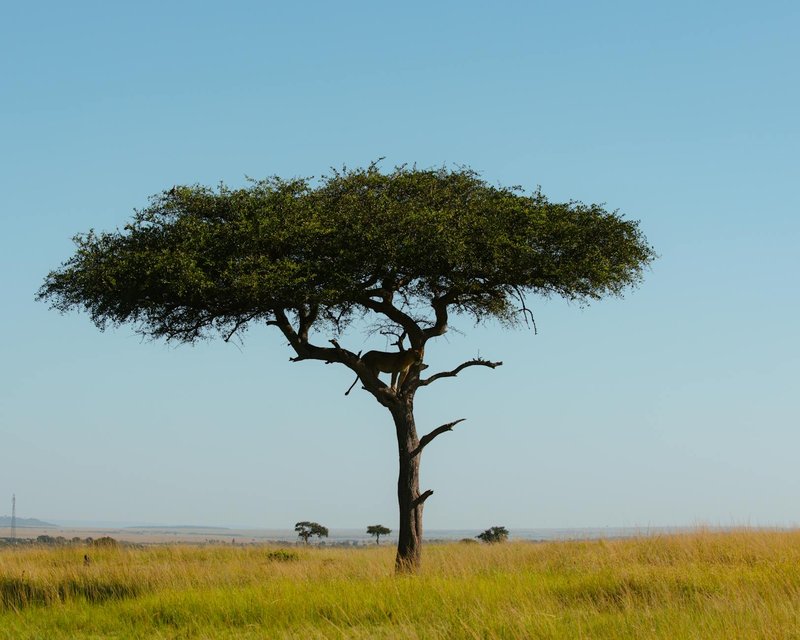
Scientific name: Vachellia tortilis (formerly Acacia tortilis) Region: Sahel and savannah belts Bloom: Small, round, cream-white puffball flowers, lightly fragrant
The umbrella thorn is the tree your brain already pictures when it imagines African grassland: a flat, spreading canopy held up like a parasol against an enormous sky. Its flowers are tiny white pom-poms, easy to overlook against the thorns, but they perfume the savannah air after rain. It’s one of the signature species you’ll meet again and again among the trees of the African savanna, where that umbrella silhouette is practically the regional logo.
The real Sudanese headliner in this family is a cousin, Senegalia senegal, the source of gum arabic. That sticky exudate was for generations one of Sudan’s principal exports, and it still ends up in soft drinks, candy, and ink around the world. So when you see an acacia flowering in the Kordofan scrub, you’re looking at a plant that survives on almost no water and quietly props up a global supply chain.
Tamarisk
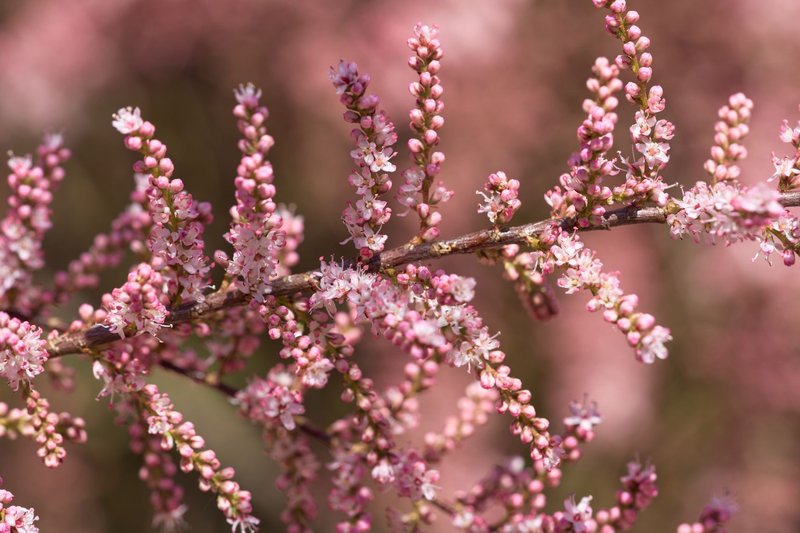
Scientific name: Tamarix species Region: Saline soils, riverbanks, and desert margins Bloom: Feathery sprays of tiny pink or white flowers
Tamarisk is the plant that thrives where almost nothing else will. Its feathery branches carry plumes of minuscule pink-white flowers, and the tree handles salt-laden soil that would kill most species outright, because it actually excretes salt through its foliage.
In Sudan that toughness makes it a working tree, not just a pretty one. Farmers plant tamarisk as windbreaks against the haboob dust storms and as living fire barriers. That habit of getting useful work out of stubborn ground is a recurring theme among savanna plants, which tend to earn their place through grit rather than looks. Tamarisk is the floral equivalent of a reliable old pickup truck: nobody writes poetry about it, but the place runs better because it’s there.
Blue Water Lily of the Nile
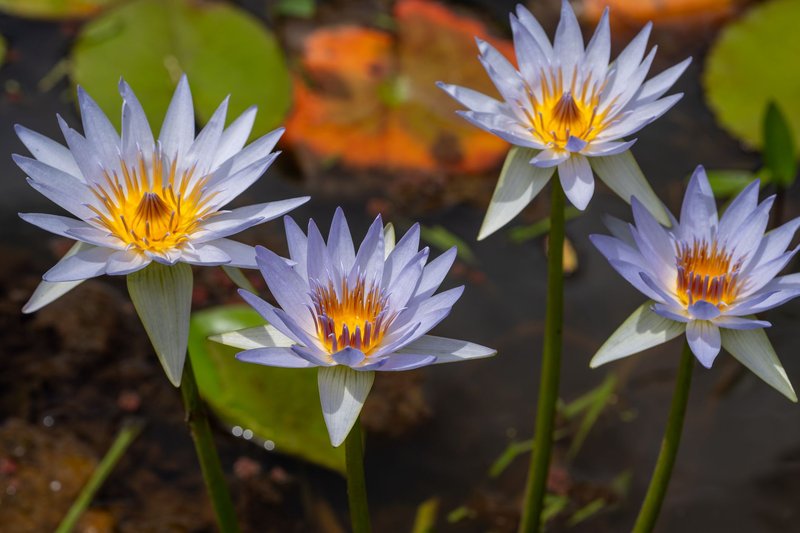
Scientific name: Nymphaea nouchali var. caerulea Region: Nile waters and seasonal wetlands Bloom: Star-shaped, sky-blue petals around a golden center, opening by day
This is the flower that breaks the desert stereotype. The blue water lily, often called the sacred blue lotus of the Nile, floats on the slow river stretches and seasonal pools with pointed, pale-blue petals arranged in a perfect star. It opens in the morning sun and closes again by afternoon.
It carries deep history. The same lily was sacred across the ancient Nile valley as a symbol of creation and rebirth, painted onto tomb walls long before modern borders existed. According to the Missouri Botanical Garden, the species is a day-blooming tropical lily native to northern and central Africa, though it has retreated from much of the lower Nile where it once grew thick. Finding it now feels like spotting something the river decided to keep.
African Tulip Tree
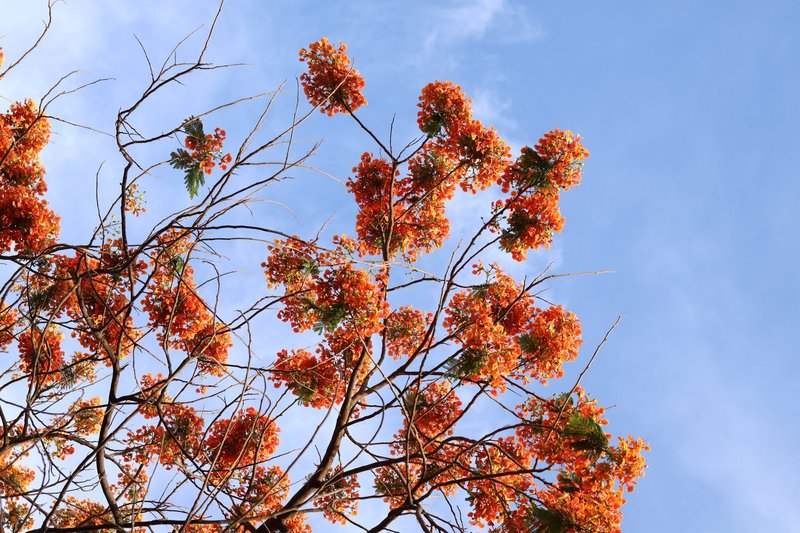
Scientific name: Spathodea campanulata Region: Wetter southern zones and cultivated as an ornamental Bloom: Big, cupped, reddish-orange flowers in dense crowns
When Sudan’s flora wants to show off, this is what it sends. The African tulip tree erupts in clusters of large flame-orange flowers that sit at the top of the canopy like a struck match. It belongs to the moister sub-Saharan zones rather than the deserts, and it’s widely planted as a street and garden ornamental for exactly that reason.
A detail kids figure out fast: the unopened flower buds are ampule-shaped and full of water. Squeeze one and it squirts. The tree is locally a spectacle and globally a bit of a bully, since it spreads aggressively outside its range, but along a Sudanese avenue in bloom it’s hard to argue with.
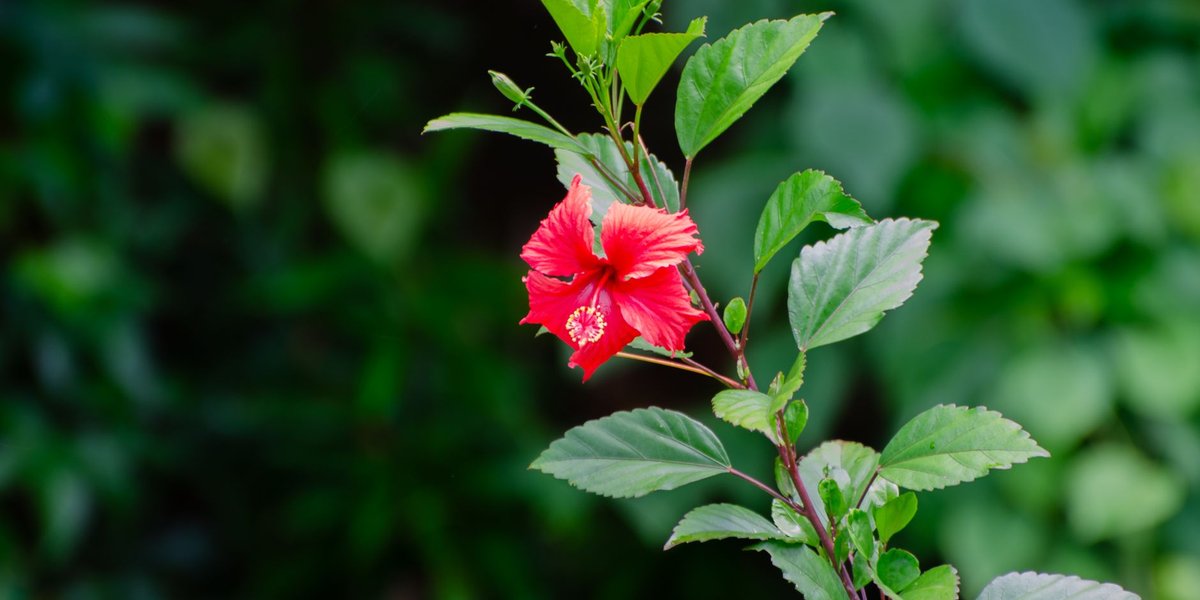
Tropical Hibiscus
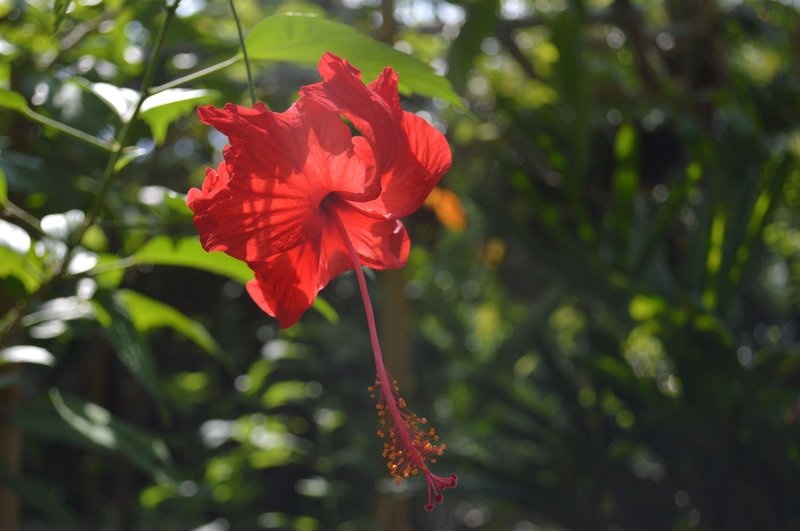
Scientific name: Hibiscus rosa-sinensis Region: Gardens, courtyards, and city plantings Bloom: Broad, single or double flowers in red, pink, yellow, and orange
This is the hibiscus people picture before they learn about karkade: the big trumpet-shaped garden flower with the long protruding stamen column, blazing red against glossy leaves. It isn’t native, but it’s everywhere ornamental plants are wanted, brightening courtyards and roadside hedges across Sudanese towns.
Worth keeping straight: rosa-sinensis is the decorative cousin, sabdariffa is the one you drink. They share a genus and a shape, but only one of them ends up in your cup. Confusing the two is the single most common mistake in write-ups about Sudan’s flowers, and now you won’t make it.
Quick comparison table
| Flower | Scientific name | Where it grows | Bloom color | Why it matters |
|---|---|---|---|---|
| Karkade (roselle) | Hibiscus sabdariffa | Kordofan, Darfur | Yellow flower, red calyx | National symbol, hibiscus tea, export crop |
| Umbrella thorn acacia | Vachellia tortilis | Sahel, savannah | Cream-white | Iconic canopy; relatives yield gum arabic |
| Tamarisk | Tamarix spp. | Saline & riverside soils | Pink/white | Windbreaks and fire barriers |
| Blue water lily | Nymphaea nouchali caerulea | Nile waters | Sky-blue | Ancient sacred flower of the Nile |
| African tulip tree | Spathodea campanulata | Southern, ornamental | Reddish-orange | Showiest bloom in the country |
| Tropical hibiscus | Hibiscus rosa-sinensis | Gardens, towns | Red, pink, yellow | Common ornamental, not the edible one |
Put together, the flowers of Sudan tell you what the country is made of: survivors in the dry north, a sacred bloom on the river, and one humble red calyx that became the taste of home. If a visitor handed you a glass of cold karkade, you’d be holding the national flower without realizing it. Now you do.
Sources: