Contents
- Why Bolivia has so many plants
- Plants of Bolivia’s Altiplano and puna
- Yungas cloud forest plants
- Amazon lowland plants
- Chaco and dry valley plants
- Bolivian medicinal plants and everyday remedies
- What threatens Bolivian flora
- Plants of Bolivia at a glance
Why Bolivia has so many plants
Bolivia’s 2014 vascular plant catalogue lists 15,345 accepted species, which puts a landlocked country of about 11 million people among the richest floras on Earth. Orchids alone account for more than 1,200 of them.
The reason is vertical. Bolivia runs from roughly 90 meters above sea level on the Paraguay River to 6,542 meters on Nevado Sajama. Walk that gradient and you pass through frozen puna grassland, fog-soaked cloud forest, thorny dry valleys, steamy Amazon floodplain and the hot scrub of the Chaco. Each band grows a different cast of plants.
So this guide is organized by habitat, not alphabet. Four ecoregions, 19 signature plants of Bolivia, and the places where you can actually go and see them.
Plants of Bolivia’s Altiplano and puna
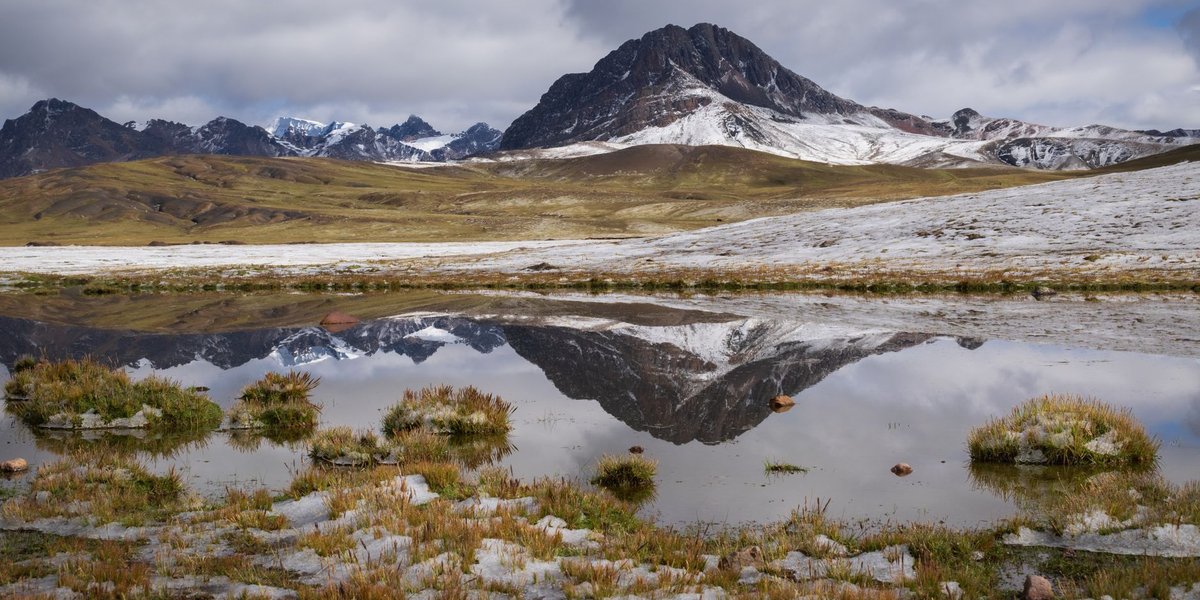
The Altiplano is a plateau sitting at 3,600 meters and above, with thin air, hard frost most nights and fierce sun by day. Plants here stay low, grow slowly and store everything underground. Five of them define the region.
Puya raimondii (Queen of the Andes)
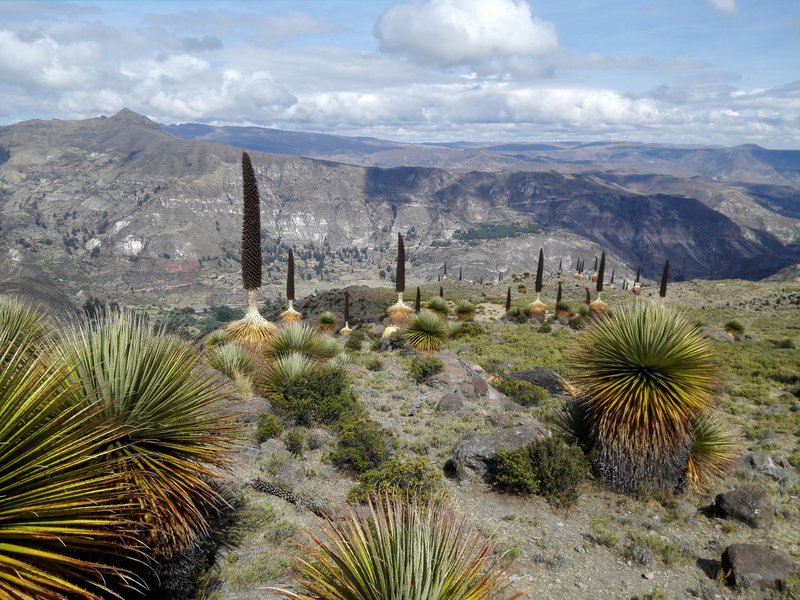
A bromeliad, which means it’s a distant relative of the pineapple, though you’d never guess. The rosette of stiff, spiny leaves looks like a giant agave, and when it finally flowers it sends up a spike that can top 10 meters and carry thousands of blooms. Then it dies. The plant is monocarpic, so flowering is its last act.
How long it waits is debated. Estimates in the literature run from 60 to 100 years at altitude, and some sources push it higher. A specimen at the UC Berkeley Botanical Garden bloomed in about 28 years when grown near sea level, which tells you the cold and thin air are what slow the wild ones down.
Where to see it: the high valleys above Cochabamba, including the Vacas area, and parts of the Tunari region.
Yareta (Azorella compacta)
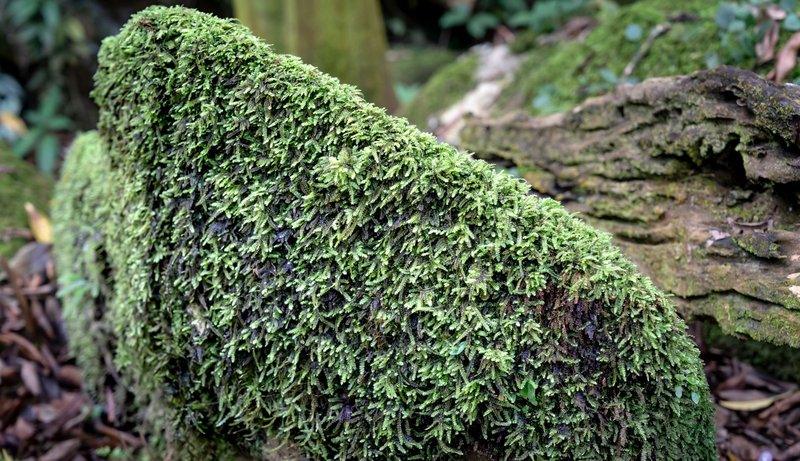
Yareta looks like a bright green boulder covered in moss. It’s actually thousands of tiny rosettes packed so tightly that the surface is hard enough to sit on. The cushion adds only a centimeter or two a year, so a mound the size of a sofa can be centuries old, and the biggest are thought to be much older.
That slow growth is the problem. The resin-rich cushion burns hot, and highland communities and miners have collected it as fuel for generations. Regrowth takes longer than a human lifetime.
Where to see it: rocky slopes between about 3,500 and 5,000 meters, notably around Sajama National Park.
Queñua (Polylepis tarapacana)
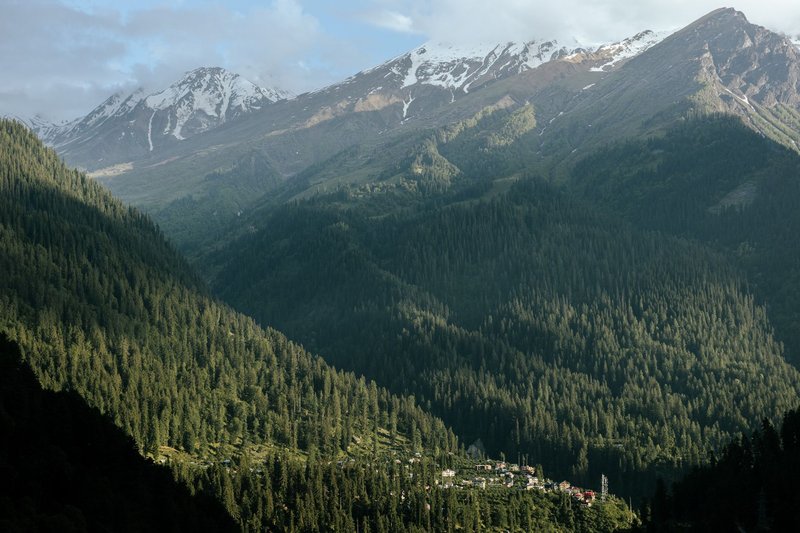
Queñua grows higher than almost any other tree on Earth, with stands recorded above 5,000 meters on the slopes of Sajama. The trunks are twisted and short, and the reddish bark peels off in thin, papery layers that trap warmth against the cold. The forests are small, scattered and an odd sight at that altitude, like an orchard growing next to a glacier.
Where to see it: Sajama National Park, home to some of the highest tree stands in the world.
Quinoa (Chenopodium quinoa)
Quinoa is the Altiplano’s headline crop. The plant itself is a leafy stalk topped with a dense seed head that turns red, orange, purple or gold at harvest, which is why a ripe field looks like a painted hillside. Bolivia’s southern Altiplano around the Uyuni salt flat produces the large-grained quinoa real, grown on sandy soil with almost no rain.
The seeds carry a bitter soapy coating, called saponin, that keeps birds off. Farmers wash or polish it away before the grain reaches your kitchen.
Where to see it: the plains around Salar de Uyuni and Lake Titicaca’s shores, especially around harvest in March and April.
Potato (Solanum tuberosum)
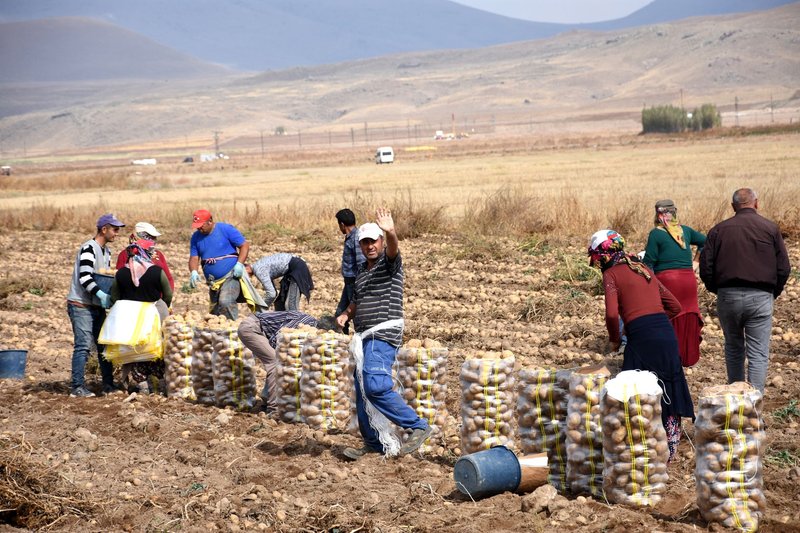
Potatoes were domesticated in the Andes around Lake Titicaca roughly 8,000 years ago, and Bolivian farmers still grow hundreds of landrace varieties in colors from black to pink to yellow-fleshed. Many of those never reach a supermarket. They sit in highland markets sorted by size and cooking use.
The Andean trick is chuño: potatoes left out to freeze overnight, trampled to squeeze out the water, then dried in the sun. The result keeps for years and doesn’t need refrigeration.
Where to see it: any Altiplano market, and terraced fields around Lake Titicaca.
Yungas cloud forest plants
East of La Paz the plateau drops off a cliff. Moist air from the Amazon basin hits the slopes and condenses into permanent cloud, and the vegetation switches from grass to layered forest dripping with moss, ferns and epiphytes. These are the Yungas. If you want an hour-by-hour change of scenery, drive the road down from La Paz.
Coca (Erythroxylum coca)
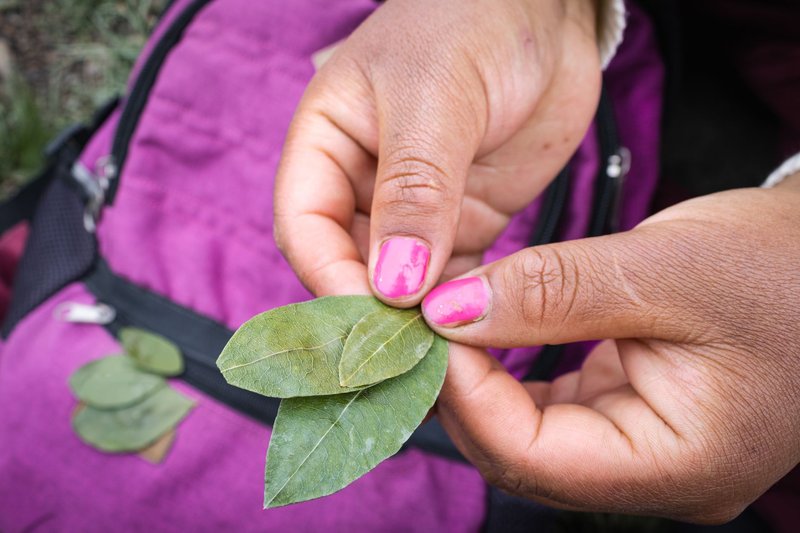
A shrub of about two meters with thin, oval, pale green leaves, grown on terraced Yungas slopes between roughly 1,000 and 2,000 meters. Locals chew the leaf as acullico, brew it as tea (mate de coca) and offer it in ceremonies. Chewing eases fatigue and the headache of altitude, and traditional use is legal and constitutionally protected in Bolivia.
Cocaine is a separate matter. It requires chemical extraction that the leaf, as chewed or steeped, doesn’t undergo.
Where to see it: the Nor Yungas and Sud Yungas valleys near Coroico and Chulumani.
Bolivian begonia (Begonia boliviensis)
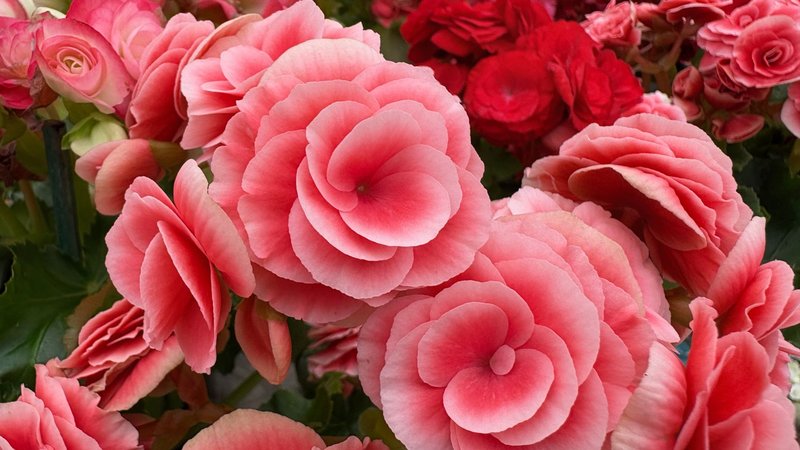
This one probably already hangs in a basket near you. Begonia boliviensis grows from tubers on steep, shaded slopes in Bolivia and northern Argentina, producing pendulous, bright orange-red flowers shaped like small lanterns. When nineteenth-century plant collectors brought it to Europe, breeders crossed it with other Andean species, and its blood now runs through many of the tuberous hybrids sold as garden begonias. For more flowers that look too strange to be real, see 20 Unique Flowers That Look Almost Fake.
Where to see it: wild plants cling to rocky, damp banks in the montane valleys of La Paz and Cochabamba departments.
Cinchona calisaya (quina)
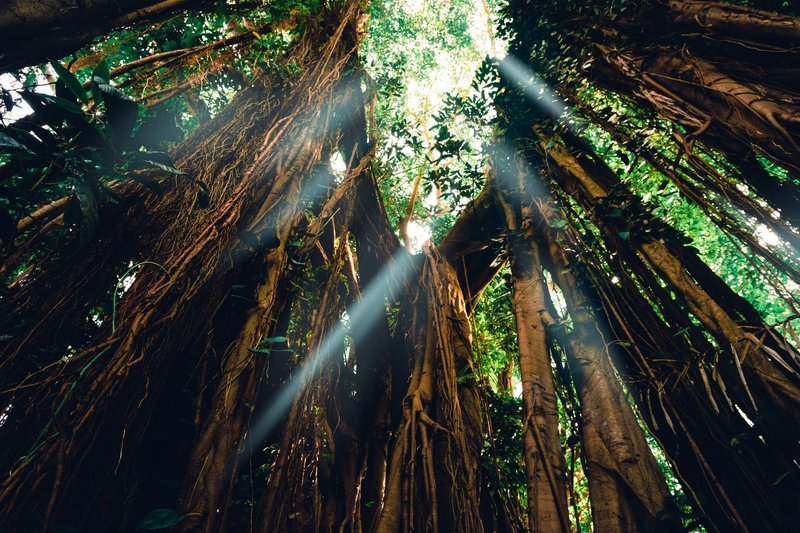
A tree with glossy leaves and clusters of small pink flowers, valued for its bark, the source of quinine. For centuries quinine was the only effective treatment for malaria. In 1865 an English trader named Charles Ledger, with the help of his Bolivian assistant Manuel Incra Mamani, collected Cinchona calisaya seeds in Bolivia and sold them to the Dutch, who built enormous plantations in Java that supplied most of the world’s quinine for decades.
Bolivia’s quina trees got nothing from the deal. Wild populations are now thin.
Where to see it: humid mid-elevation forest in the Yungas, such as Cotapata National Park.
Tree ferns (Cyathea)
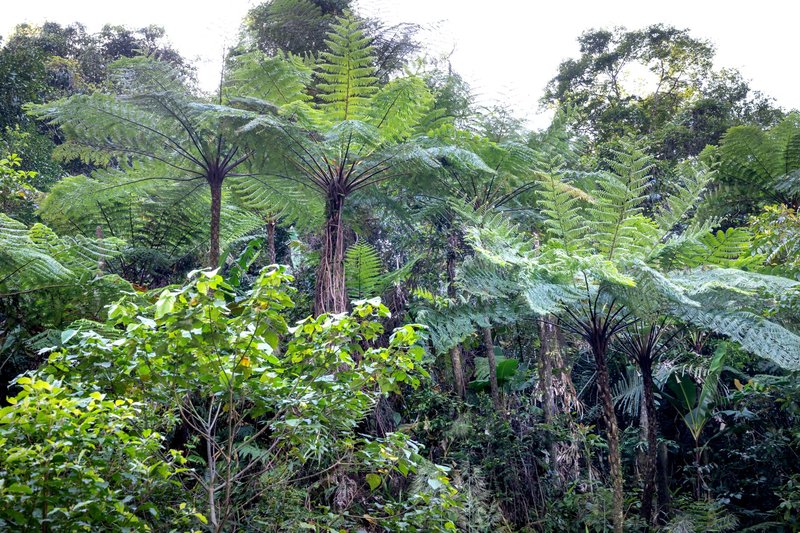
Several tree fern species rise from the Yungas understory, with stiff, dark trunks up to several meters tall and a crown of lacy fronds. They’re living fossils: tree ferns grew in forests long before flowering plants. The fibrous trunks are an unusual habitat in themselves, and mosses, orchids and small bromeliads root all over them.
Where to see it: Madidi and Cotapata, along the cloud forest belt, usually at 1,500 to 3,000 meters.
Amazon lowland plants
Bolivia’s northern lowlands, the departments of Pando and Beni and much of La Paz and Santa Cruz, belong to the Amazon basin. Rivers flood the savanna every year, forests stand 40 meters tall, and Madidi National Park links this region with the cloud forest above it. The same basin continues into Peru, whose native plants range from the desert coast to the Amazon.
Brazil nut (Bertholletia excelsa)
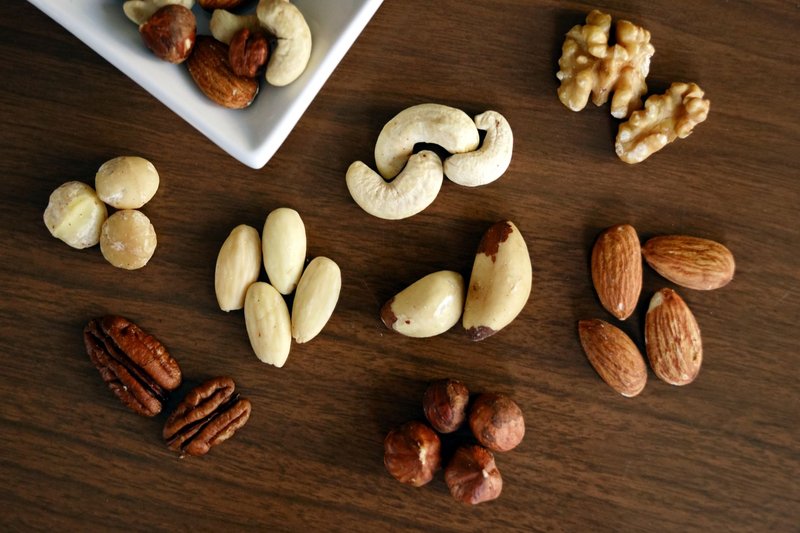
A tree that towers over its neighbors at up to 50 meters, and one of the few rainforest species that can’t be farmed in plantations. It depends on large orchid bees for pollination, and the seeds are spread by agoutis, rodents that gnaw open the cannonball-size pods. Lose the intact forest and you lose both the bees and the agoutis.
Bolivia is one of the world’s top Brazil nut producers, and in Pando collecting is the main rural income. Research across the Bolivia-Brazil-Peru frontier describes the nut as the most important non-timber forest product in the region, a rare crop that pays people to leave the forest standing.
Where to see it: the forests of Pando and northern La Paz department.
Victoria water lily (Victoria amazonica)
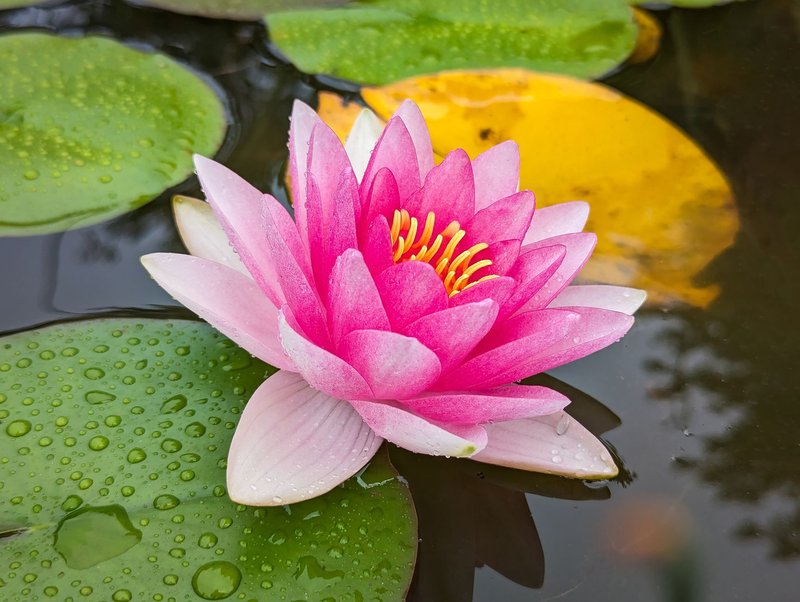
The leaves are round, rimmed upward like a pie tin and big enough to reach about 2.5 meters across, strong enough to hold a small child if the weight is spread. Underneath, the veins carry sharp spines to deter fish and manatees. The flowers open white on the first night, heat up to attract beetles, and turn pink by the second.
Where to see it: still oxbow lakes and floodplain channels in Beni, the Llanos de Moxos and the Amazon lowlands.
Patujú (Heliconia rostrata)
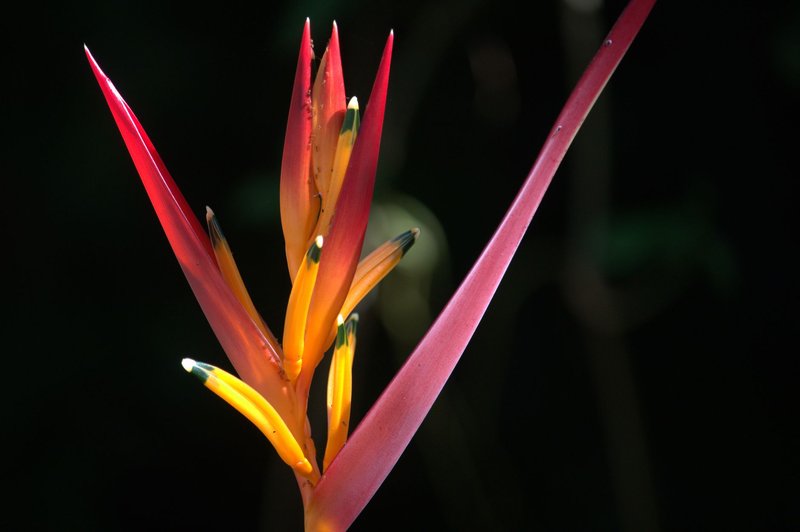
Bolivia’s lowland national flower, shared with the kantuta, is a heliconia with hanging chains of bracts in red, yellow and green, the same colors as the national flag. Those bracts, not the small true flowers, do the showing off. Hummingbirds get the nectar, and the plant gets pollinated.
Where to see it: wet forest edges and stream banks in Beni, Pando and the foothills of the Yungas.
Rubber tree (Hevea brasiliensis)
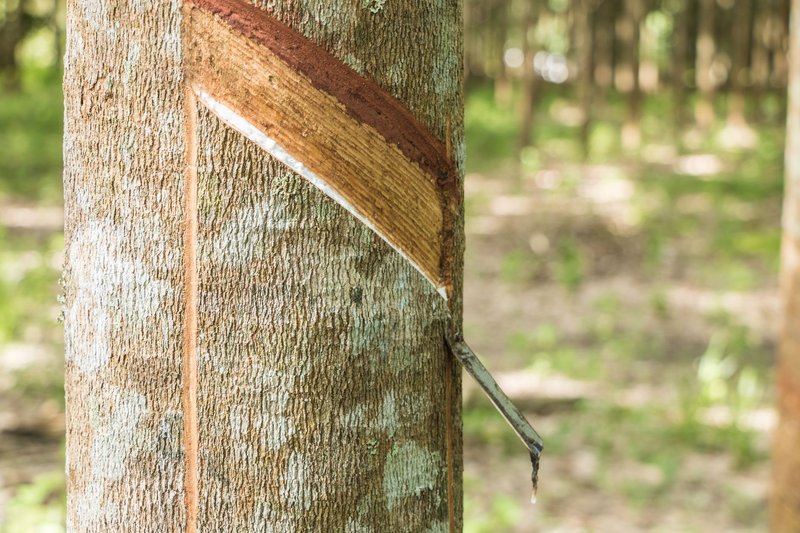
A tall, smooth-barked tree, tapped by slicing a thin groove through the bark so that the white latex runs into a cup. In the late nineteenth century Pando and Beni were part of the rubber boom, pulling thousands of workers into the forest. Rubber’s collapse left remnant trees and a lot of regional history.
Where to see it: remote forest of Pando, along the Orthon and Madre de Dios rivers.
Mahogany (Swietenia macrophylla)
Big-leaf mahogany grows straight and buttressed, producing the reddish wood that made it one of the most heavily logged tropical trees on the continent. Its international trade is restricted under CITES Appendix II, and the species is rare in places where it was once common. Bolivia still holds some of the better remaining populations.
Where to see it: protected lowland forest, including Noel Kempff Mercado National Park.
Chaco and dry valley plants
South and east of the Andes the climate flips to hot, dry and thorny. The Gran Chaco covers much of southeastern Bolivia, and the inter-Andean valleys around Cochabamba, Sucre and Tarija are drier still. Plants here conserve water, drop leaves in the dry season and carry thorns.
Bolivian mountain coconut (Parajubaea torallyi)
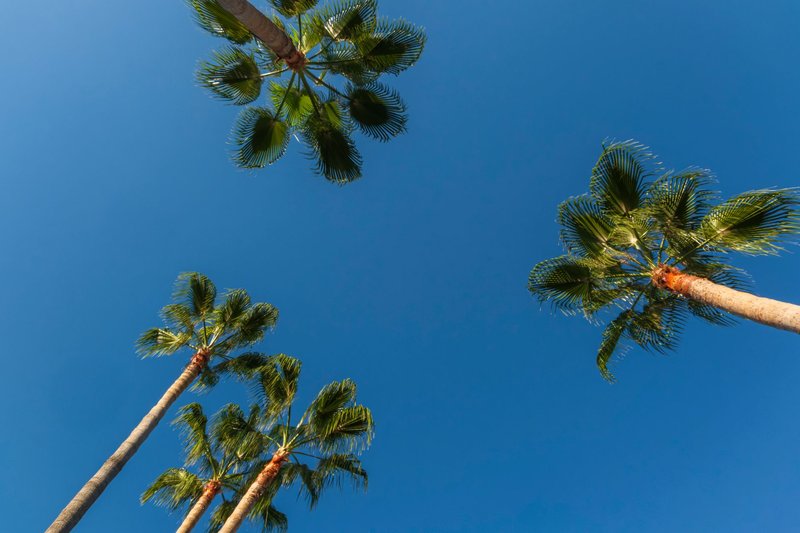
An Andean palm endemic to Bolivia, growing at 2,500 to 3,300 meters where most palms fail, which is the reason it’s called the mountain coconut. The trunk is tall and slender, with feathery fronds and small coconut-like fruit with sweet edible kernels. Grazing, harvesting and land clearance have reduced the wild populations, and it’s now treated as a threatened species.
Where to see it: dry inter-Andean valleys of Chuquisaca, Cochabamba and Santa Cruz.
Kantuta (Cantua buxifolia)
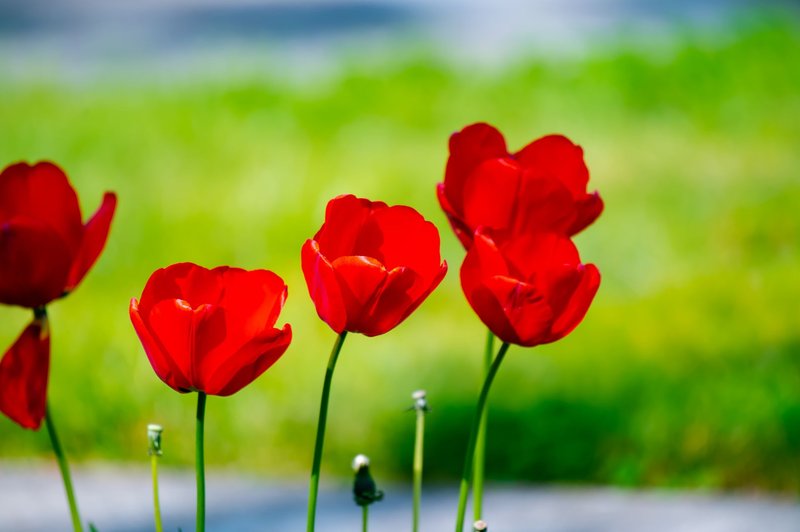
The Incas’ sacred flower and one of Bolivia’s two national flowers. A shrub of two to three meters, it hangs clusters of long tubular blooms in magenta, with yellow and green markings that echo the flag. Hummingbirds work them constantly.
Where to see it: scrubby slopes and gardens across the Andean valleys, including around La Paz and Cochabamba.
Mistol (Ziziphus mistol)
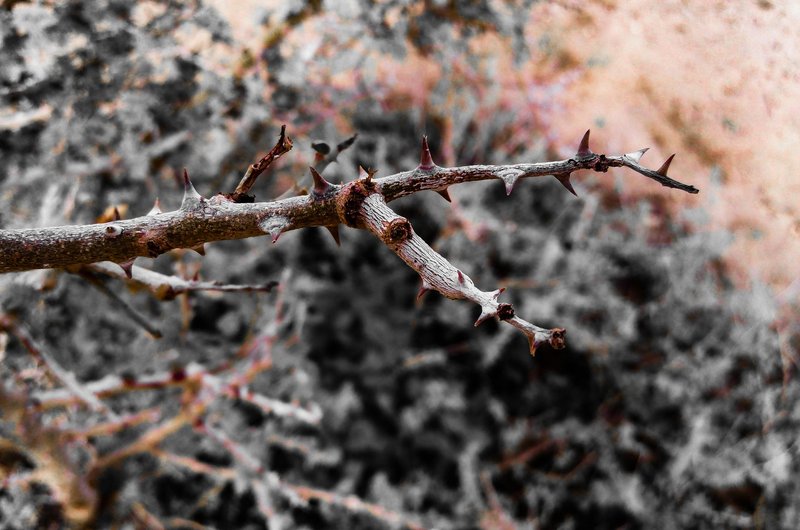
A thorny, zigzag-branched Chaco tree with small round fruits that taste of dates and are eaten fresh or turned into sweets and a fermented drink. It shrugs off drought and fires, which makes it a keystone food source for people and wildlife in a landscape where little else fruits in the dry season.
Where to see it: the Chaco of Santa Cruz, Chuquisaca and Tarija, including Kaa-Iya del Gran Chaco National Park.
Quebracho colorado (Schinopsis lorentzii)
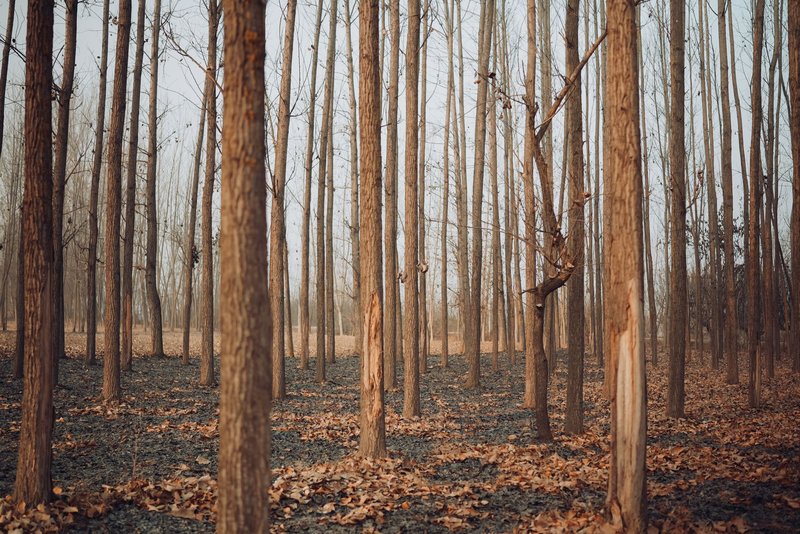
The name means “axe-breaker”, and the wood earns it: extremely dense and heavy, almost impossible to work by hand. The heartwood is rich in tannins, which made the tree a target for the leather-tanning industry for over a century. Mature stands are now much reduced.
Where to see it: dry Chaco forest in the southeast.
Toborochi (Ceiba speciosa)
The bottle tree. The trunk swells in the middle to store water, and it’s covered in conical spines that deter climbing animals. In autumn the crown loses its leaves and bursts into pink, hibiscus-like flowers. Toborochi is the emblem tree of the Santa Cruz department, where it lines streets and plazas.
Where to see it: Chiquitano dry forest and Chaco foothills, and almost any plaza in Santa Cruz de la Sierra.
Bolivian medicinal plants and everyday remedies
Many of the plants above double as medicine, and Andean markets sell dozens more. In La Paz, the Witches’ Market sells dried herbs, remedies and charms by the bundle.
A few show up in almost every home:
- Coca leaf for altitude sickness, as tea or chewed.
- Muña (Minthostachys mollis), a mint relative, steeped for stomach trouble and used to flavor soups and stews.
- Chachacoma (Senecio nutans), a small yellow-flowered shrub of the high puna, steeped as a tea for altitude sickness.
- Quina bark (Cinchona), once Bolivia’s most important medicinal export, still used in folk remedies.
Not all of these have been tested to modern clinical standards, and some can interact with medications. Treat them as living tradition more than a prescription.
What threatens Bolivian flora
The biggest threat is forest loss. Clearing for cattle and soy, expanding farmland and fire, including severe fire seasons in the lowlands in recent years, have taken a heavy toll on the Amazon, Chiquitano and Chaco forests. The Yungas also lose ground to coca and coffee terraces.
On the Altiplano the pressures are different. Mining, grazing and fuel collection hit slow growers hardest. Puya raimondii, yareta and queñua can take decades or centuries to replace what a single harvest removes. Researchers writing in Frontiers in Conservation Science list climate change among the threats to Puya populations too, as warming pushes the cold zones they depend on higher up the mountain.
The country’s protected areas, including Madidi, Sajama, Noel Kempff Mercado, Kaa-Iya and Tunari, are the best places to see these plants as they grew before heavy land use. Go with a local guide, stay on trails and never pick or dig plants. If a Bolivian botanist ever asks you to help confirm a record, say yes.
Plants of Bolivia at a glance
| Species | Common name | Family | Region | Main use or interest |
|---|---|---|---|---|
| Puya raimondii | Queen of the Andes | Bromeliaceae | Altiplano / puna | Giant monocarpic bromeliad |
| Azorella compacta | Yareta | Apiaceae | Altiplano / puna | Cushion plant, fuel |
| Polylepis tarapacana | Queñua | Rosaceae | Altiplano / puna | Highest-altitude tree forests |
| Chenopodium quinoa | Quinoa | Amaranthaceae | Altiplano / puna | Staple grain |
| Solanum tuberosum | Andean potato | Solanaceae | Altiplano / puna | Food, chuño |
| Erythroxylum coca | Coca | Erythroxylaceae | Yungas | Chewing, tea, ritual |
| Begonia boliviensis | Bolivian begonia | Begoniaceae | Yungas | Ornamental, hybrid parent |
| Cinchona calisaya | Quina | Rubiaceae | Yungas | Quinine source |
| Cyathea spp. | Tree ferns | Cyatheaceae | Yungas | Habitat for epiphytes |
| Bertholletia excelsa | Brazil nut | Lecythidaceae | Amazon lowlands | Food, export crop |
| Victoria amazonica | Victoria water lily | Nymphaeaceae | Amazon lowlands | Ornamental, ecology |
| Heliconia rostrata | Patujú | Heliconiaceae | Amazon lowlands | National flower |
| Hevea brasiliensis | Rubber tree | Euphorbiaceae | Amazon lowlands | Natural rubber |
| Swietenia macrophylla | Mahogany | Meliaceae | Amazon lowlands | Timber |
| Parajubaea torallyi | Bolivian mountain coconut | Arecaceae | Dry valleys | Edible kernels, endemic palm |
| Cantua buxifolia | Kantuta | Polemoniaceae | Dry valleys | National flower |
| Ziziphus mistol | Mistol | Rhamnaceae | Chaco | Edible fruit |
| Schinopsis lorentzii | Quebracho colorado | Anacardiaceae | Chaco | Hard timber, tannins |
| Ceiba speciosa | Toborochi | Malvaceae | Chaco / dry forest | Ornamental, regional emblem |