Contents
- What Counts as a Rare Vegetable
- The 16 Rare Vegetables
- Rare Vegetables Compared
- Where to Buy Rare Vegetables and Seeds
- FAQ
What Counts as a Rare Vegetable
Kohlrabi gets called rare in every roundup, and it sits in the produce aisle of most big grocery stores. So here is the definition this list uses: a rare vegetable is one you won’t reliably find at a supermarket, and there is usually a reason why.
The reasons repeat. Some crops spoil within days of harvest, so they can’t survive a truck. Some yield too little per square meter to pay a commercial grower. Some need a growing season or a day length that most farmland doesn’t offer. A few are simply fiddly to wash, peel or trim, and nobody wants to staff that job.
That is good news for a gardener or a curious cook. The same traits that keep these crops out of stores are the ones that make them interesting at home. The list below mixes a few familiar oddities (celeriac, Chioggia beets) with properly obscure picks (agretti, crosnes, kogomi ferns), and each entry says why the vegetable is rare, what it tastes like and how hard it is to grow. Hardiness notes refer to the USDA Plant Hardiness Zone Map, so check your zone before you order anything perennial.
The 16 Rare Vegetables
1. Cucamelon (Melothria scabra)
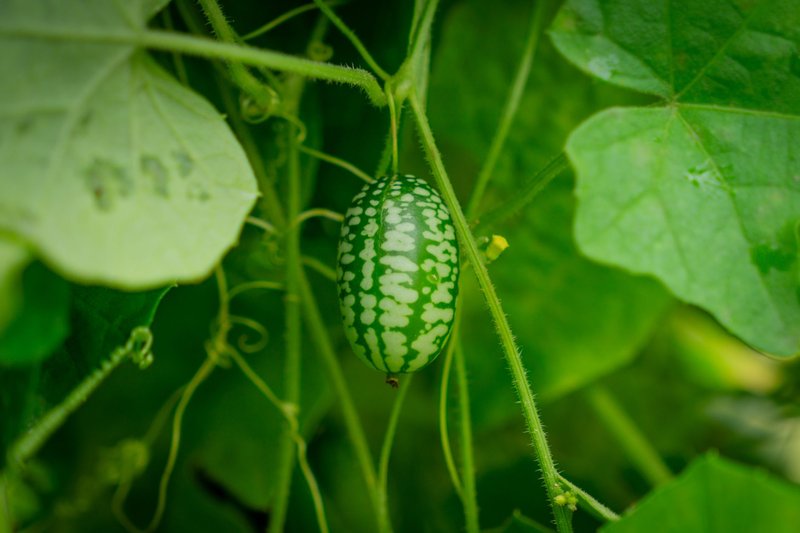
A grape-sized fruit that looks like a watermelon dressed for a doll’s house and tastes like a cucumber with a squeeze of lime. It is native to Mexico and Central America, and the vines scramble up a trellis to eight feet or more.
Why it’s rare: The fruits are an inch long and picked one at a time, so there’s no efficient way to harvest them commercially. They also bruise and soften quickly after picking.
Grow it: Treat it like a tomato. Start seed indoors, plant out after frost and expect fruit in roughly 65 to 75 days. It’s one of the easiest entries on this list. The tubers can be lifted and stored over winter like dahlias.
Eat it: Raw in salads and cocktails, or pickled whole. Skip cooking, which turns them to mush.
2. Romanesco (Brassica oleracea)
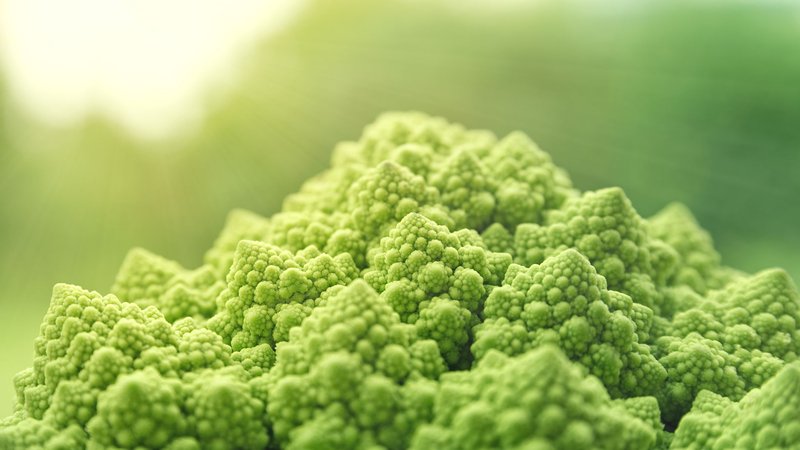
Lime-green spirals, each bud a smaller copy of the whole head. The pattern comes from cauliflower-type meristems that keep trying to make flowers and failing, a process researchers described in a 2021 study from the John Innes Centre. Romanesco tastes like cauliflower with the volume turned down: nutty, slightly sweet, no sulfur edge.
Why it’s rare: It’s a diva. Heat makes the head bolt or turn loose and ragged, and the plant takes up a lot of room for one head.
Grow it: Plan for 75 to 100 days and time the crop to mature in cool fall weather. Sow in mid-summer for a fall harvest in most climates.
Eat it: Roast it in big florets. The spirals hold browned edges beautifully, and it doesn’t need anything beyond olive oil and salt.
3. Celeriac (Apium graveolens var. rapaceum)
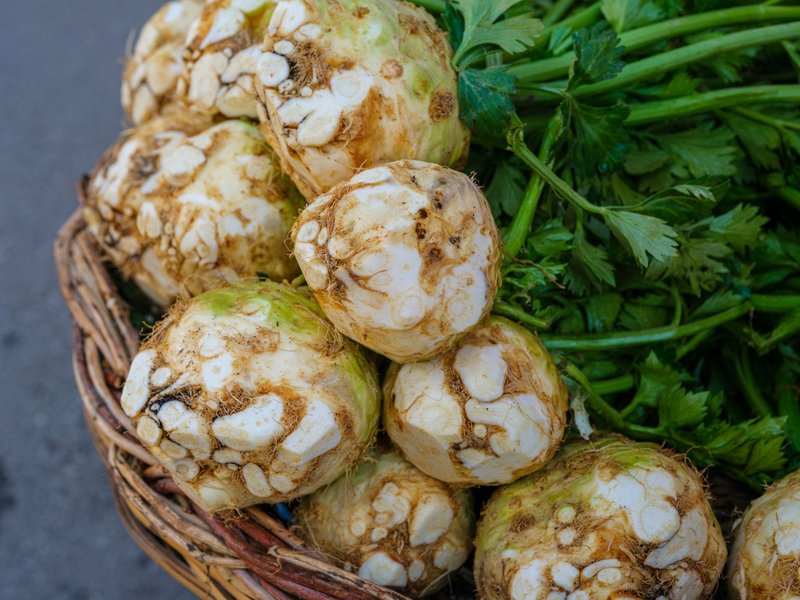
The ugliest vegetable you’ll ever love. It’s a gnarled, hairy knob that tastes like celery crossed with parsley and a handful of hazelnuts. Peel it with a knife, not a peeler.
Why it’s rare: It needs 100 to 120 days, steady moisture and rich soil, and it doesn’t look like anything a shopper wants to take home.
Grow it: Start seed indoors about ten weeks before the last frost, because the seedlings are slow. Water consistently. A dry spell makes the root woody and hollow.
Eat it: Mash it with potato, shave it raw into remoulade or roast thick slabs. Stored cold and damp, roots keep for months, which is the best argument for growing it.
4. Chioggia Beet (Beta vulgaris)
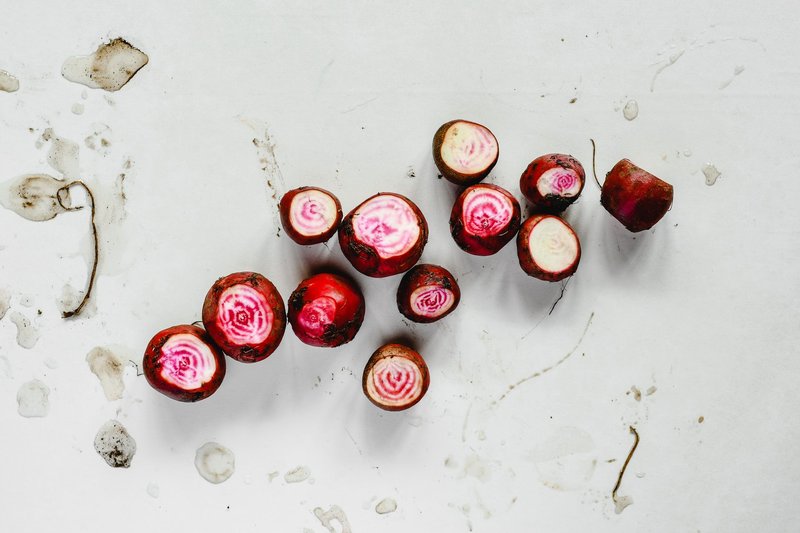
Cut one open and you get concentric pink-and-white rings, like a candy cane in cross-section. It’s an Italian heirloom from the Adriatic coast town of Chioggia, and it’s milder and less earthy than a red beet.
Why it’s rare: It isn’t, quite. It’s the easiest “well-known oddity” here, and it’s included because farmers’ markets sell it and supermarkets mostly don’t. The rings also fade when cooked, so growers lose the one feature shoppers pay for.
Grow it: Easy. Roots are ready in 50 to 60 days from direct seeding, and the greens are edible too.
Eat it: Raw. Shave it paper-thin with a mandoline and the stripes survive. Boil it and you get a pale pink beet.
5. Sunchoke (Helianthus tuberosus)
Also called Jerusalem artichoke, though it’s neither from Jerusalem nor an artichoke. It’s a North American native, a sunflower relative that makes knobby tubers with a sweet, nutty flavor somewhere between artichoke heart and water chestnut.
Why it’s rare: The skin is thin, so tubers dry out and shrivel within a couple of weeks of digging. The plant is also hard to contain. As Ohio State University Extension notes, sunchokes are low-maintenance and rich in inulin, a prebiotic fiber. Inulin is also why some people get gassy after a big serving.
Grow it: Plant tubers in spring and harvest after the first hard frost, around 120 to 150 days. Give it its own bed or a large container, because any tuber left behind will return.
Eat it: Roasted until the edges caramelize, or blended into soup. Start with a small portion.
6. Oca (Oxalis tuberosa)
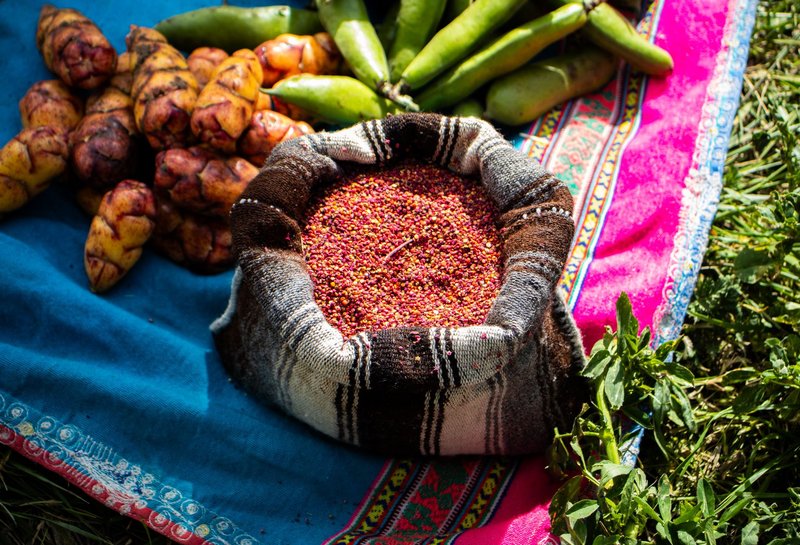
An Andean tuber that comes in lipstick pink, yellow and orange, and looks like a wrinkled, slightly crooked finger. Fresh from the ground it’s tart and lemony from oxalic acid. Leave the tubers in the sun for a week or two after digging and they turn sweeter.
Why it’s rare: Oca forms tubers only when days get short, so in northern gardens the harvest happens in late fall after most of the season has gone. Yield is modest, and the crop takes 6 to 8 months.
Grow it: Plant tubers in spring, hill the plants like potatoes and protect them from frost until the tops are killed in autumn. Hard.
Eat it: Boil, roast or fry it. Sun-cured oca is good raw in salads, with a crisp, tangy bite.
7. Yacón (Smallanthus sonchifolius)
Peel it and the root is crisp and juicy, like a pear crossed with jicama. The sweetness comes from fructooligosaccharides, which the human gut mostly doesn’t digest, so yacón tastes sugary without behaving like sugar. Fresh from the ground it’s only mildly sweet. Sit the roots in the sun for a few days and the sugars concentrate.
Why it’s rare: The plant is frost-tender, the harvest takes 6 to 7 months, and the roots bruise easily, which makes shipping difficult.
Grow it: The plants are tall and leafy, like a sunflower relative should be. Start from rhizome pieces indoors, plant out after frost, and lift before the first hard freeze. Overwinter the rhizomes in a cool, frost-free spot.
Eat it: Raw, in slaws and fruit salads, or juiced.
8. Jicama (Pachyrhizus erosus)
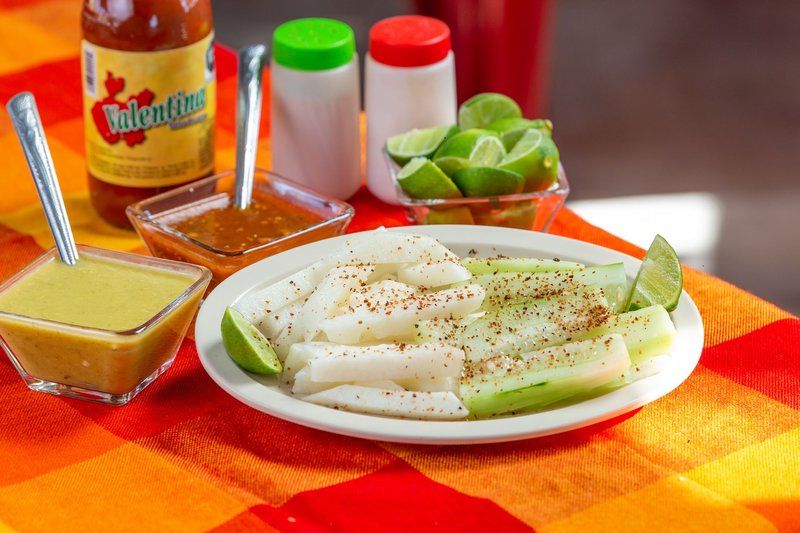
Mexican yam bean, a crisp white root that tastes like an apple that never turned. It stays crunchy even when cooked.
Why it’s rare: In stores, it isn’t, particularly near Latin American markets. In gardens it is, because it needs five to nine months of warm weather. Plant it in a region with a short summer and the root stays the size of a golf ball. The vines, pods and seeds are toxic. Only the root is food.
Grow it: Start seeds indoors in spring, plant in the hottest spot you have and pinch the flowers so the plant puts energy into the root. Hard outside zones 8 and above.
Eat it: Cut into sticks with lime and chili powder, which is how it’s sold from street carts in Mexico. Or dice it into salsa.
9. Nopales (Opuntia species)
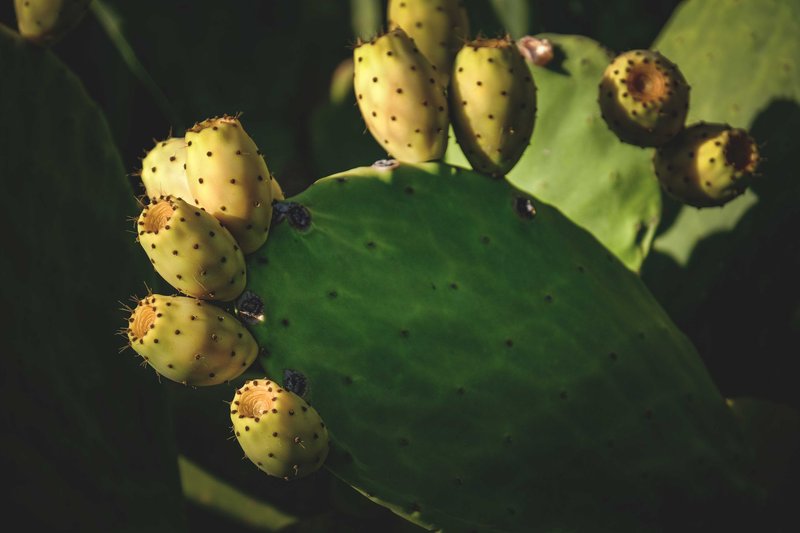
The pads of the prickly pear cactus. Cooked, they taste like green beans with a tart edge and a touch of okra’s slickness. Boil or grill them and the slime mostly cooks off.
Why it’s rare: Spines, and the finer, nastier hair-like glochids that come with them. Most shoppers don’t know what to do with a cactus. Latin American groceries sell the pads with spines already removed.
Grow it: Easy and nearly free. A hardy species like Opuntia humifusa survives cold winters in many northern zones. Plant a pad half-buried in a sunny, well-drained spot and it roots on its own. Harvest young pads in spring and summer.
Eat it: Diced and scrambled with eggs, grilled whole, or tossed into a salad with tomato, onion and cilantro.
10. Cardoon (Cynara cardunculus)
Artichoke’s thistly, silver-leafed relative. You eat the stalks, not the flower bud. They taste like a bitter, earthy artichoke heart, and Italian cooks fry them in batter or bake them into gratins around Christmas.
Why it’s rare: The plant gets four to six feet tall, and the stalks must be blanched (tied up and wrapped to exclude light) for several weeks to tame the bitterness. That’s a lot of labor for a vegetable few people have tried.
Grow it: Plan on around 150 days. It’s a perennial in milder zones and a stately annual elsewhere, and the purple thistle flowers are beautiful enough to justify the bed on their own.
Eat it: String the stalks like celery, simmer in acidulated water until tender and then bake or fry them.
11. Puntarelle (Cichorium intybus, Catalogna group)
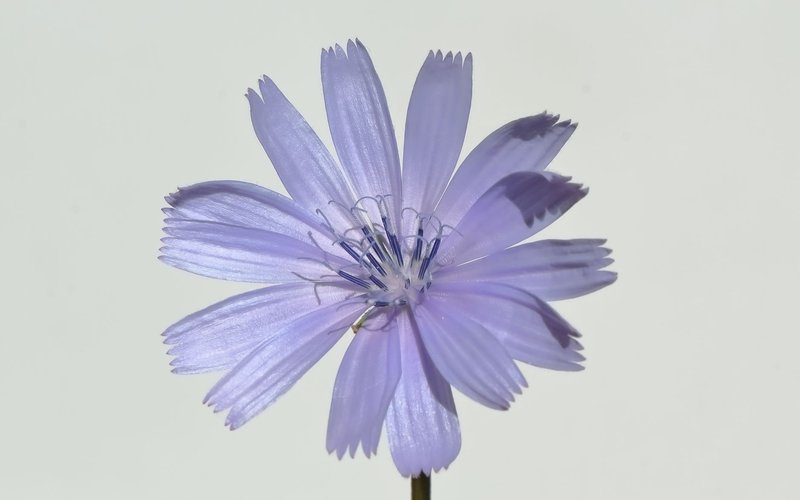
A Roman winter salad. The shoots of a Catalogna chicory are sliced into thin strips and soaked in ice water until they curl, then dressed with garlic, anchovy and lemon. The flavor is bitter, crisp and sharp.
Why it’s rare: It’s seasonal (winter), it must be cut and soaked by hand, and the leafy outer parts are discarded. Retail grocers hate that ratio.
Grow it: Easy. Sow in mid to late summer and harvest in the cold months when the center shoots develop, roughly 90 to 120 days.
Eat it: The classic Roman way, with anchovy dressing. The ice-water soak is not optional, because it takes some of the bitterness out.
12. Agretti (Salsola soda)
Also called monk’s beard or roscano. It’s a spiky green succulent with a salty, slightly sour crunch that makes it a ringer for samphire. Italian cooks blanch it and toss it with olive oil and lemon, or serve it with fish.
Why it’s rare: The seed loses viability within a few months, so old packets rarely germinate, and the harvested stems go limp quickly. A sturdy supply chain doesn’t exist.
Grow it: Buy seed fresh each year. Sow direct in spring, expect germination within one to two weeks and cut the tops at about 50 to 60 days. Cutting makes it branch.
Eat it: Blanch it for a minute, drain and dress simply. It’s already salty, so don’t add more.
13. Scorzonera (Scorzonera hispanica)
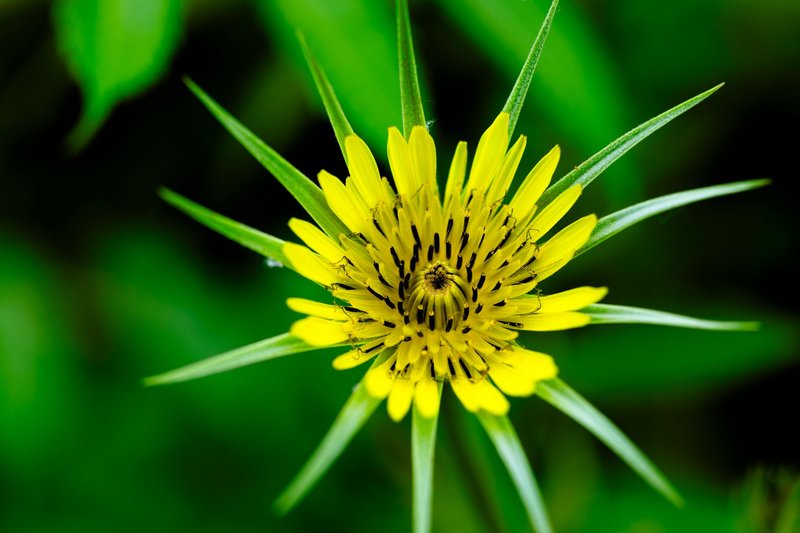
Black salsify. The roots are long, thin and dark brown to black, with white flesh inside that tastes mildly like oyster or artichoke. The flavor has earned it the name “winter asparagus” in parts of Europe.
Why it’s rare: The roots snap when dug, and they leak a milky latex when cut that stains hands brown. Growers also wait four months or more for a root as thick as a finger.
Grow it: Moderate. Sow in deep, loose soil in spring, thin early and leave the roots in the ground until winter. Digging them takes patience.
Eat it: Scrub, boil in their skins and slip the peel off afterward, which avoids the latex problem. Then butter them, or simmer them in cream.
14. Crosnes (Stachys affinis)
Also called Chinese artichokes: small, white, spiral-segmented tubers that look like a string of tiny grubs, and taste crisp and nutty, a little like a water chestnut. They carry the name of the French town of Crosnes, where they were grown in the nineteenth century.
Why it’s rare: The tubers are small, hard to clean, and they turn brown and shrivel within days of digging. Washed crosnes are a premium product that appears mostly in restaurant kitchens.
Grow it: A mint relative that spreads aggressively. Plant tubers in spring, harvest after the first frost, about five to six months later, and use them quickly.
Eat it: Sauté them in butter for a few minutes, or eat them raw. Scrub with a rough towel and salt rather than peeling.
15. Kogomi (Matteuccia struthiopteris)
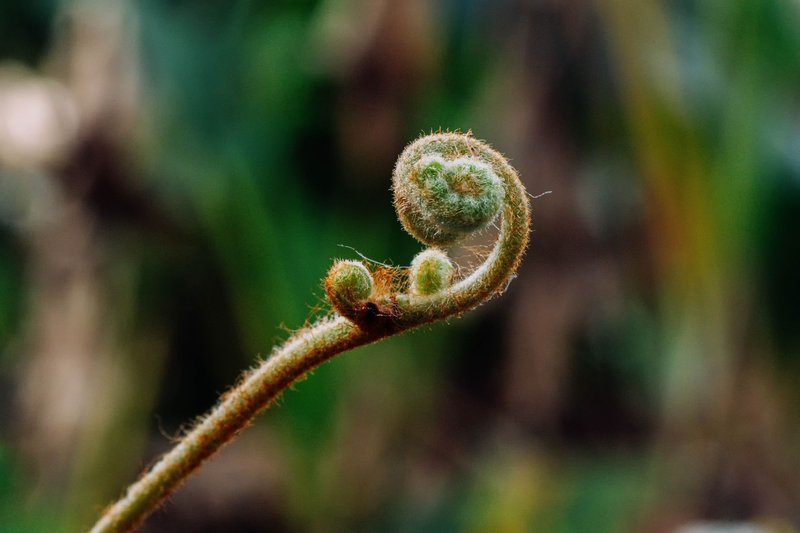
The Japanese name for ostrich fern fiddleheads, the tightly curled shoots that appear in spring. They taste like asparagus crossed with green bean, with a grassy, nutty finish.
Why it’s rare: The harvest window is about two weeks, and the shoots last only a few days in the fridge. They must also be cooked thoroughly, boiled or steamed for around ten minutes, because raw or undercooked fiddleheads have caused food poisoning outbreaks. Don’t confuse them with bracken (warabi), another fern whose shoots contain the carcinogen ptaquiloside. A peer-reviewed risk assessment found that boiling cuts exposure, but bracken is the one to identify carefully or skip.
Grow it: Plant crowns in shade with constantly damp soil, in zones 3 to 7. You wait two to three years before the first harvest, then pick only a third of the shoots from each crown so it keeps growing.
Eat it: Boil first, then sauté with garlic and butter, or dress with sesame and soy.
16. Ulluco (Ullucus tuberosus)
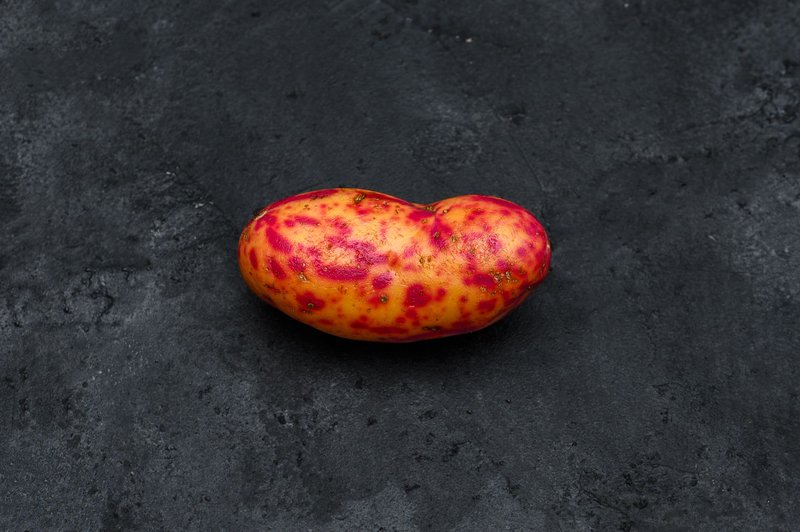
Bright magenta, yellow or speckled tubers the size of a small potato, with a waxy surface that looks painted. They’re a staple in the Andes. They taste earthy, somewhere between potato and beet, and they stay firm and a little crunchy after cooking.
Why it’s rare: It’s a cool-climate highland crop that needs short days and cool nights, and yields in lowland gardens are small. Seed tubers are hard to find.
Grow it: Hard. Plant tubers in spring, give them partial shade in hot climates and wait six to eight months, until frost kills the foliage.
Eat it: Boiled and sliced into stews, or thinly sliced into salads. Peeling isn’t necessary.
Rare Vegetables Compared
Days to maturity are approximate and counted from planting. Difficulty assumes a temperate-climate home garden.
| Vegetable | Difficulty | Days to maturity | Flavor | Where to find it |
|---|---|---|---|---|
| Cucamelon | Easy | 65-75 | Cucumber with lime | Seeds online; rarely sold fresh |
| Romanesco | Moderate | 75-100 | Mild, nutty cauliflower | Farmers’ markets in fall |
| Celeriac | Moderate | 100-120 | Celery, parsley, hazelnut | Supermarkets, farmers’ markets |
| Chioggia beet | Easy | 50-60 | Mild, sweet | Farmers’ markets |
| Sunchoke | Easy | 120-150 | Nutty, artichoke-like | Farmers’ markets, some groceries |
| Oca | Hard | 180-240 | Tart, lemony | Specialty tuber growers |
| Yacón | Moderate | 180-210 | Sweet, pear-like crunch | Specialty nurseries |
| Jicama | Moderate to hard | 150-270 | Crisp, apple-like | Supermarkets, Latin markets |
| Nopales | Easy | Perennial | Green bean, tart | Latin American markets |
| Cardoon | Moderate | 150 | Bitter, artichoke-like | Italian grocers, farmers’ markets |
| Puntarelle | Easy | 90-120 | Bitter, crisp | Italian grocers in winter |
| Agretti | Moderate | 50-60 | Salty, sour, crunchy | Fresh seed from Italian sources |
| Scorzonera | Moderate | 120-150 | Mild oyster, artichoke | Specialty grocers |
| Crosnes | Moderate | 150-180 | Nutty, water chestnut | Specialty distributors |
| Kogomi | Easy, but slow | 2-3 years to first harvest | Asparagus, green bean | Spring farmers’ markets, foraging |
| Ulluco | Hard | 180-240 | Earthy, firm potato | Specialty tuber growers |
Where to Buy Rare Vegetables and Seeds
Seeds. Heirloom and specialty seed companies carry most of this list. Look at Baker Creek Heirloom Seeds, Seed Savers Exchange, Johnny’s Selected Seeds and Territorial Seed Company for cucamelon, celeriac, scorzonera, cardoon and puntarelle. Agretti is easiest to find from Italian suppliers such as Franchi Sementi, and you should buy it the season you plant it. Oca, ulluco, yacón and crosnes are sold as tubers or rhizomes by small specialty nurseries, usually in early spring, and they sell out.
Produce. For fresh rare vegetables to eat, start with ethnic grocers. Latin American markets stock jicama and de-spined nopales. Italian delis carry cardoon, puntarelle and, in spring, agretti. Farmers’ markets are the best source for sunchokes, Chioggia beets, romanesco and scorzonera, and a grower will often dig crosnes or oca for you if you ask a week ahead. Kogomi shows up for about two weeks in spring. If you forage, learn to identify ostrich fern, because the lookalikes don’t all agree with you.
FAQ
What is the rarest vegetable you can grow?
Among these 16, agretti and crosnes are the hardest to source. Agretti seed has a short shelf life, and crosnes tubers rarely survive shipping in good shape. Oca and ulluco come next, because few nurseries offer seed tubers.
What are the easiest rare vegetables for beginners?
Cucamelon, Chioggia beets, sunchokes and puntarelle all grow without special equipment and reach harvest in a normal season. Nopales are also easy if you live where a hardy prickly pear survives winter.
Are rare vegetables more nutritious than common ones?
Not as a rule. Many of them are good sources of fiber and vitamins, and sunchokes and yacón provide prebiotic fibers, but the main reasons to grow them are flavor, variety and a longer harvest calendar.
Are any of these vegetables unsafe to eat?
Fiddleheads need thorough cooking, and bracken ferns are not the same plant as ostrich ferns. Jicama vines and seeds are toxic, so only the root is edible. Oca and ulluco leaves and tubers are traditional foods, but oca’s oxalic acid is the reason sun-curing is standard.
Can I grow these in containers?
Cucamelon, agretti, Chioggia beets, puntarelle and sunchokes do well in large pots. Sunchokes in particular are easier to contain in a pot than in a bed.