backup_image

The Complete List of Invasive Species in Mississippi

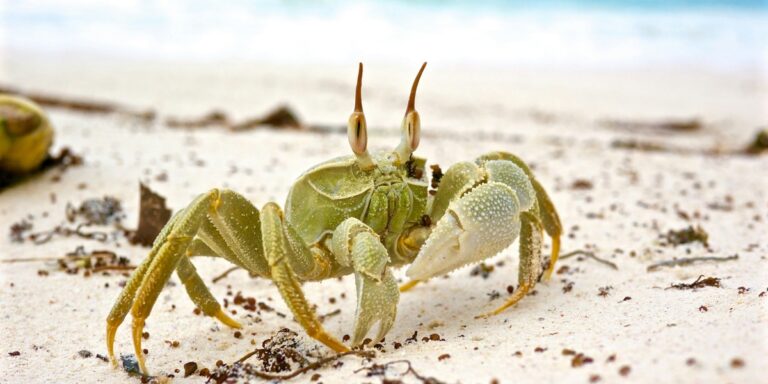
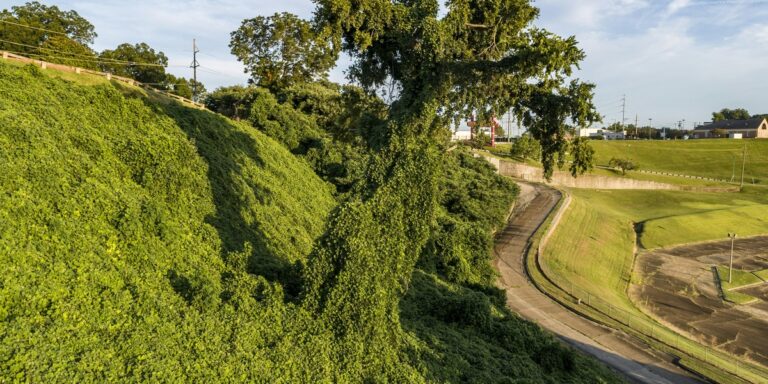
This comprehensive list catalogs 40 invasive species found in Mississippi — plants, animals, and aquatic invaders — with scientific names, status, and primary habitats. Whether you’re a landowner, conservationist, or curious resident, learn which species threaten local ecosystems, where they are commonly found, and how to take informed action to protect native habitats.

Continue reading
0 Comments
backup_image

Invasive Species in Wisconsin: The Complete List

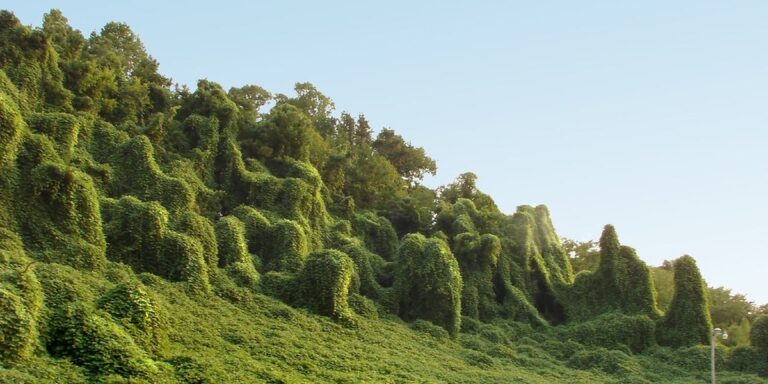
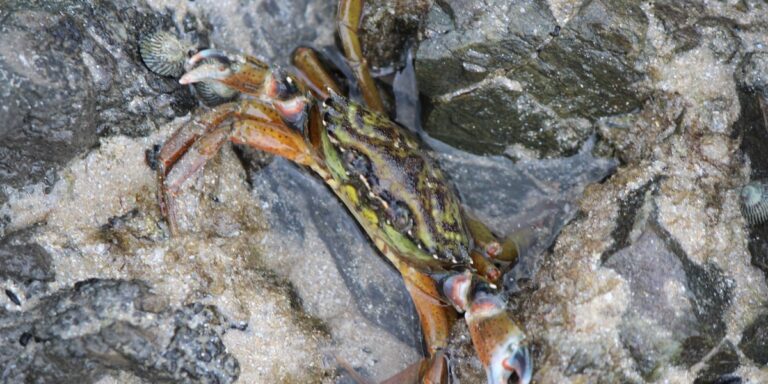
This comprehensive guide lists 64 invasive species in Wisconsin, providing scientific names, categories (plant, animal, insect, aquatic), and their statewide distribution. It helps landowners, natural resource professionals, and concerned citizens identify invasive threats, understand impacts, and take practical steps to prevent spread and support local management efforts.

Continue reading
0 Comments
featured_image

The Complete List of Invasive Species In Nebraska

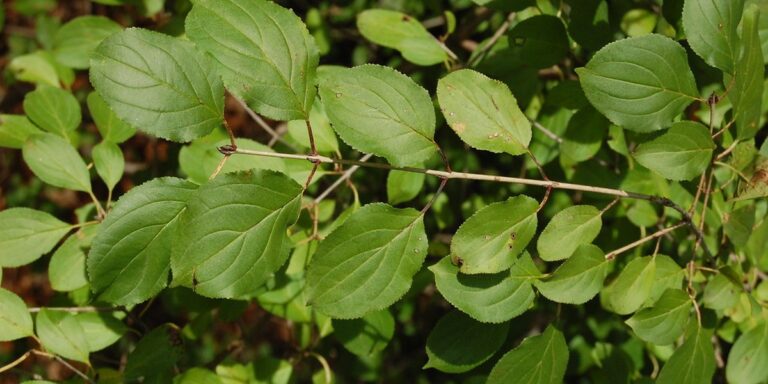
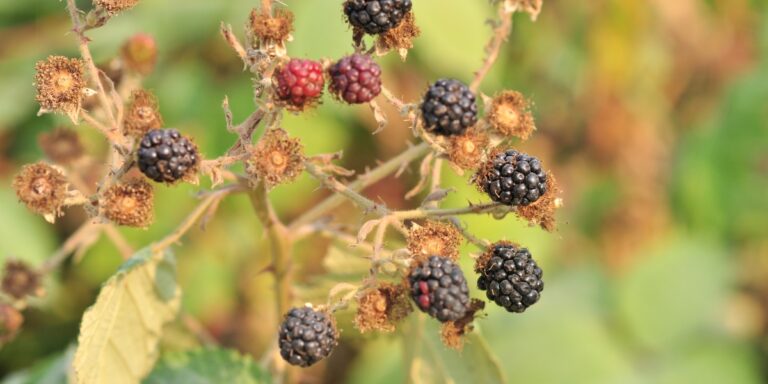
This post provides a comprehensive list of 46 invasive species in Nebraska, including scientific names, category (plant, animal, insect, aquatic) and statewide distribution notes. Use this resource to identify threats, learn how to report sightings, and find practical management guidance for protecting Nebraska’s ecosystems.

Continue reading
0 Comments
featured_image

The Complete List of Invasive Species in Virginia

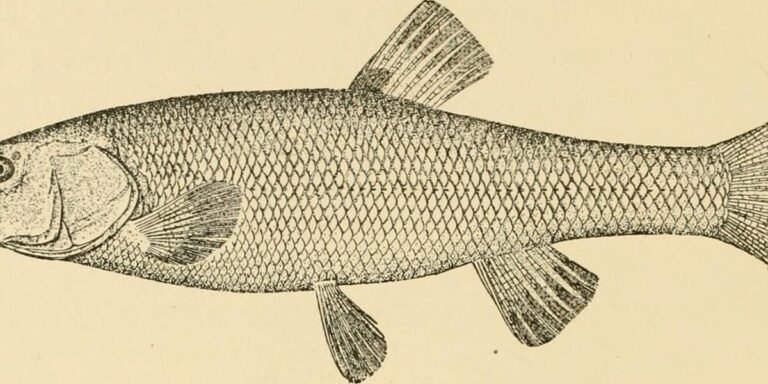
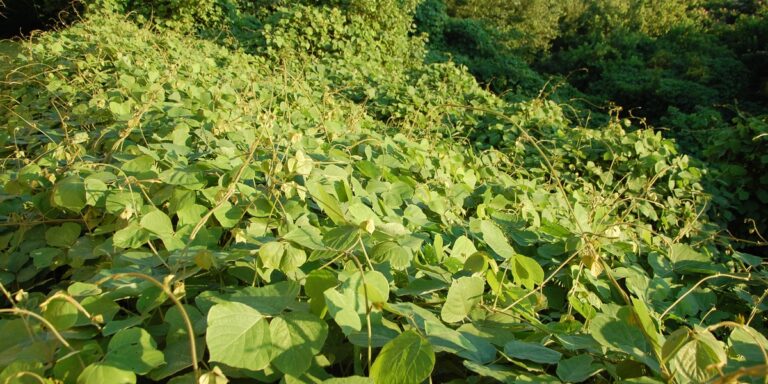
This comprehensive list catalogs 85 invasive species in Virginia with scientific names, categories, and VA range & habitat notes for each entry. Designed for conservationists, educators, gardeners, and concerned residents, it helps identify problem species, explain ecological impacts, and guide practical responses to limit their spread.

Continue reading
0 Comments
featured_image

Invasive Species in Washington: The Complete List

A comprehensive catalog of 47 invasive species in Washington, covering plants, animals, and aquatic organisms. Each entry lists the scientific name, Washington status, and primary habitat, plus resources for identification and reporting. Essential for land managers, gardeners, and residents who want to protect Washington’s native ecosystems.

Continue reading
0 Comments