Nepal’s landscapes run from tropical lowlands to Himalayan foothills, and its tree life reflects that variety. Whether you’re hiking a trail, tending a village grove, or studying local flora, a compact list makes it easier to match leaves, fruit, and habitat to species.
There are 29 Trees of Nepal, ranging from Amla to Walnut. Each entry is arranged to help identification and comparison: Scientific name,Nepali name,Elevation range (m). Practical details and names are organized so you’ll find below.
How can I use this list to identify trees across different elevation zones?
Start by noting the elevation of the area you’re in, then match that to the elevation range in the table; combining that with the Nepali name and scientific name narrows choices quickly. Look for key features like fruit (Amla) or nut-bearing habits (Walnut) and consult photos or local guides when unsure.
Where can I get more detailed images or distribution maps for each species?
Good sources include local forestry departments, herbarium records, and citizen science platforms like iNaturalist; these often link photos to scientific names and regional observations, which you can cross-check against the elevation and Nepali names in the list you’ll find below.
Trees of Nepal
| Common name | Scientific name | Nepali name | Elevation range (m) |
|---|---|---|---|
| Sal | Shorea robusta | Sal | 100-1,000 |
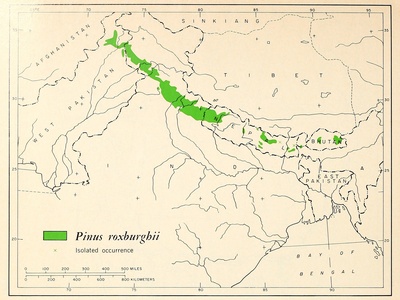
| Chir pine | Pinus roxburghii | Salla | 500-2,000 |
| Deodar | Cedrus deodara | Deodar | 1,500-3,200 |
| Lali Gurans (Tree rhododendron) | Rhododendron arboreum | Lali Gurans | 1,500-3,000 |
| Kharsu oak | Quercus semecarpifolia | Kharsu | 2,400-3,700 |
| Bhojpatra (Himalayan birch) | Betula utilis | Bhojpatra | 2,700-4,500 |
| Walnut | Juglans regia | Akhrot | 900-2,400 |
| Sissoo | Dalbergia sissoo | Sissoo | 100-1,200 |
| Peepal | Ficus religiosa | Peepal | 100-1,200 |
| Banyan | Ficus benghalensis | Bodhi | 100-1,200 |
| Mango | Mangifera indica | Aam | 80-900 |
| Neem | Azadirachta indica | Neem | 100-1,200 |
| Chilaune | Schima wallichii | Chilaune | 700-1,800 |
| Utis (Alder) | Alnus nepalensis | Utis | 600-2,400 |
| Kaphal | Myrica esculenta | Kaphal | 1,200-2,400 |
| Harro (Chebulic myrobalan) | Terminalia chebula | Harro | 200-1,200 |
| Baheda | Terminalia bellirica | Baheda | 200-1,200 |
| Amla | Phyllanthus emblica | Amla | 300-1,500 |
| Chilgoza pine | Pinus gerardiana | Chilgoza | 2,000-3,300 |
| Blue pine | Pinus wallichiana | Bhote salla | 2,000-3,600 |
| Himalayan yew | Taxus wallichiana | 1,800-3,300 | |
| Kusum | Schleichera oleosa | Kusum | 200-1,200 |
| Mulberry | Morus alba | Tut | 200-1,800 |
| Horse chestnut | Aesculus indica | 1,200-2,400 | |
| Teak | Tectona grandis | Sagun | 150-900 |
| Jamun (Java plum) | Syzygium cumini | Jamun | 100-1,200 |
| Simal (Silk cotton) | Bombax ceiba | Simal | 100-1,500 |
| Tejpat (Indian bay leaf) | Cinnamomum tamala | Tejpat | 1,000-2,000 |
| Castanopsis | Castanopsis indica | 500-1,800 |
Images and Descriptions

Sal
Dominant lowland forest tree of the Terai and Siwaliks, recognized by tall straight trunk and flaky bark. Valued for hard timber and resin, it forms extensive monodominant stands and supports traditional livelihoods; faces local pressure from logging and land conversion.
Chir pine
A tall, fire-adapted pine with long needles and reddish bark found on dry southern slopes. Easily recognized by its open crown and papery cones, it provides timber, resin and fuelwood and shapes hillland ecology across Nepal’s mid-elevations.
Deodar
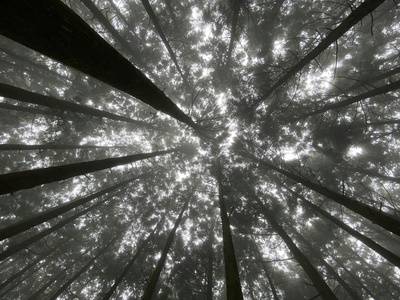
A majestic Himalayan cedar with drooping branchlets, soft needles and aromatic wood. Grows on moist montane slopes, prized for durable timber and sacred associations; plantations exist, but natural stands are important for watershed protection and biodiversity.
Lali Gurans (Tree rhododendron)
A striking flowering tree with brilliant red blooms in spring, common on moist hill slopes and ridges. Flowers and nectar support pollinators, blossoms are used in local drinks and festivals; often a cultural emblem of Nepal’s high hills.
Kharsu oak
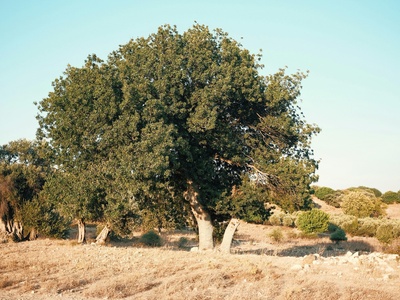
A cold-tolerant oak of subalpine forests with rounded leaves and thick bark, forming dense stands near treeline. Acorns feed wildlife and local communities; stands are ecologically important for soil stability and mountain watersheds.
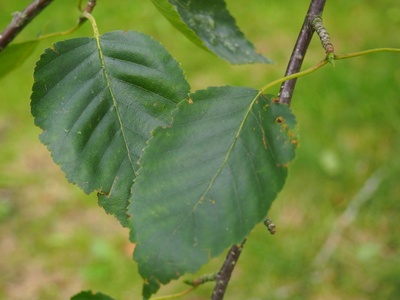
Bhojpatra (Himalayan birch)
A smooth white-barked birch famous for its peeling bark used historically for writing. Occurs near treeline on high ridges, with small, delicate leaves and papery stems; bark and wood have traditional and cultural uses in Himalayan communities.
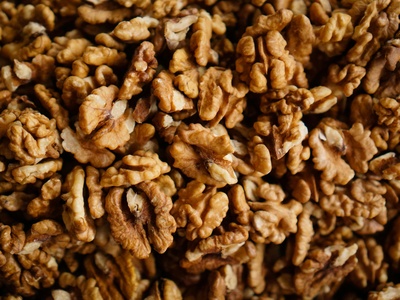
Walnut
A large broadleaf tree producing edible nuts and valuable timber, common in mid-hill terraces and village groves. Recognizable by pinnate leaves and ridged bark, walnuts support agroforestry systems and are an important cash crop in many Nepali valleys.
Sissoo
A fast-growing riverine tree with pinnate leaves and durable heartwood, common along lowland rivers and farmlands. Valued for furniture timber and shade, Sissoo tolerates seasonal flooding and is widely planted in community woodlots and hedgerows.
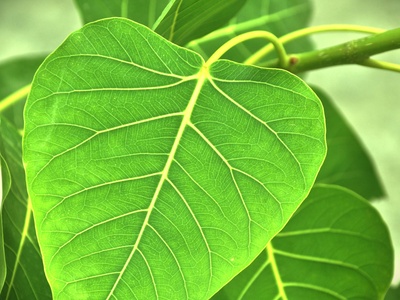
Peepal
A sacred fig with heart-shaped leaves and prominent aerial roots, found in villages and riverside groves. Produces figs that feed birds and mammals, is culturally significant at temples and crossroads, and is easy to spot for its distinctive leaf shape.
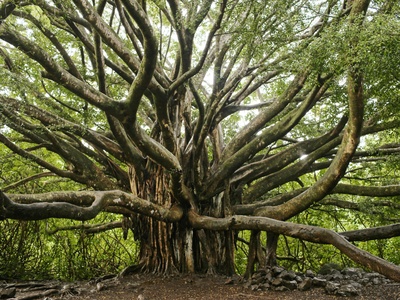
Banyan
A massive, spreading fig tree that produces aerial roots forming secondary trunks. Common in lowland settlements and temple grounds, it provides extensive shade and wildlife habitat, and is culturally revered as a living landmark across Nepal.

Mango
A familiar fruit tree of Nepal’s lowlands, with dense canopy and sweet, aromatic fruit. Grown in orchards and homesteads, mango is economically and culturally important; flowering and fruiting seasons attract pollinators and local markets bustle during harvest.
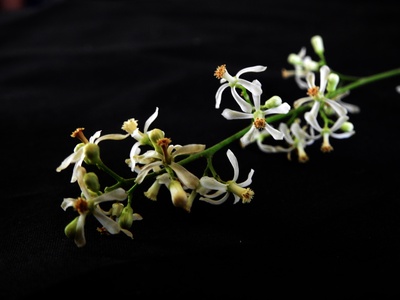
Neem
A drought-tolerant lowland tree with pinnate leaves and bitter compounds used for traditional medicine and natural pesticides. Often planted along roads and farms, neem provides shade, timber, and community health uses across the Terai and lower valleys.
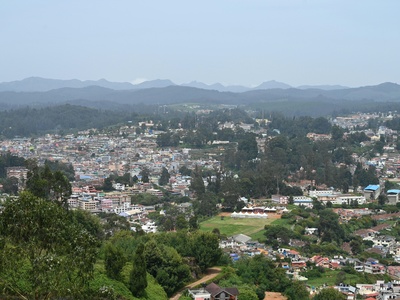
Chilaune
An evergreen mid-hill tree with hard, heavy timber and white flowers in clusters. It forms mixed montane forests, is used for quality wood and fuel, and its straight bole and dense canopy make it a notable component of Nepal’s middle-elevation forests.
Utis (Alder)
A fast-growing pioneer tree found along streams and disturbed slopes; recognizable by smooth grey bark and catkin flowers. Fixes nitrogen in soils, stabilizes riverbanks and is used in agroforestry and fuelwood, making it important for local land restoration.
Kaphal
A small to medium fruiting tree of montane forests with aromatic berries eaten fresh and fermented locally. It grows on sunny hill slopes, supports wildlife, and its tasty fruit makes it a prized subsistence species in mid-hill communities.
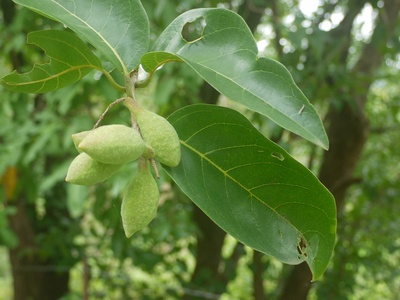
Harro (Chebulic myrobalan)
A medium deciduous tree common in lowland and hill forests, bearing small fibrous fruits used in traditional medicine. Notable for its rough bark and seasonal foliage drop, Harro plays a role in local health remedies and mixed-species woodlands.
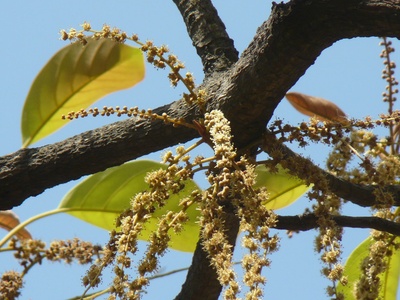
Baheda
A large deciduous tree producing hard-shelled fruits used medicinally and as livestock fodder. Found in Terai and lower hills, it is recognizable by large leaves and terminal fruit clusters; valued for traditional remedies and as a multipurpose rural tree.
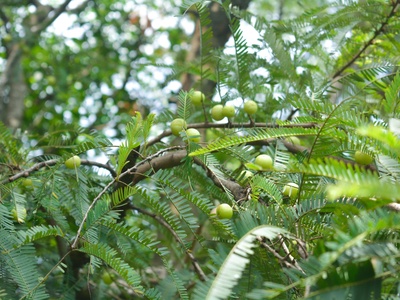
Amla
A small to medium tree producing vitamin-rich fruit used widely in Ayurvedic medicine and local cuisine. Occurs in submontane woodlands and farm boundaries; flowers, fruit and bark have traditional uses and the tree is often kept in homestead gardens.
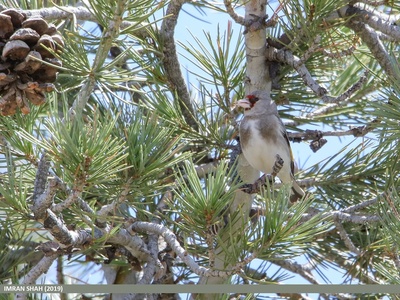
Chilgoza pine
A slow-growing pine of dry inner valleys bearing edible, nutritious nuts (chilgoza). Recognizable by stout cones and long needles, it occurs in western Himalayan slopes and supports specialty harvesting economies but faces overharvest and grazing pressures.
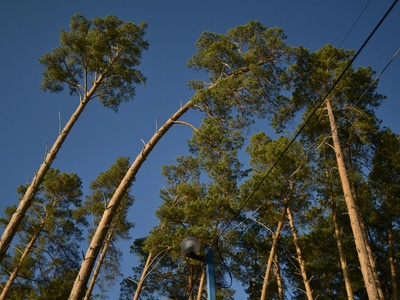
Blue pine
A graceful high-elevation pine with long drooping needles and bluish appearance, common on moist northern slopes. It supplies timber and resin locally, forms scenic montane forests, and is important for slope stabilization and mountain livelihoods.
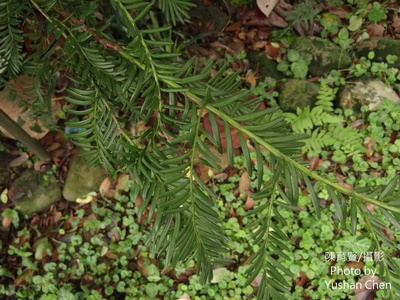
Himalayan yew
A slow-growing conifer of shady upper forests, with red arils and highly valued medicinal compounds. Often rare and patchily distributed, the Himalayan yew is threatened by overharvest for pharmaceuticals and is a focus for conservation in Nepal.
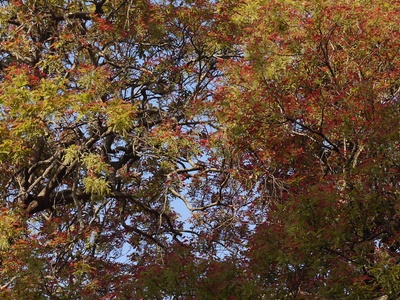
Kusum
A deciduous lowland tree with pinnate leaves and pinkish flowers, producing oil-rich seeds used for cooking and soap. Common in Terai woodlands and village groves, Kusum supports rural livelihoods and is valued for fuel, oil and tannin extraction.
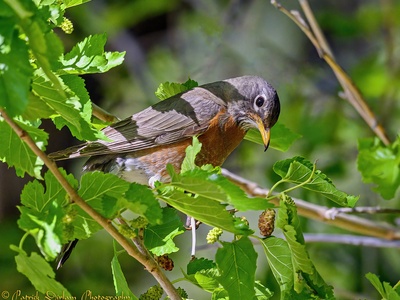
Mulberry
A small to medium tree grown for its fruit and for leaves used in sericulture. Occurs in village gardens and terraces across elevations, provides quick shade and fodder, and mulberries are eaten fresh or processed locally.
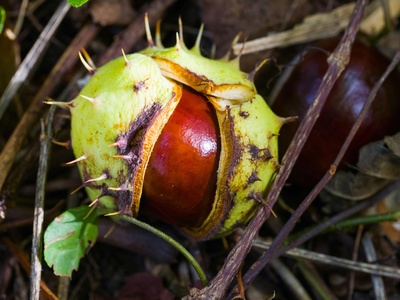
Horse chestnut
A handsome montane tree with showy white to pink flower panicles and large palmate leaves. Common in mid-hill forests and along streams, it is often planted as an ornamental and valued for shade and traditional uses.
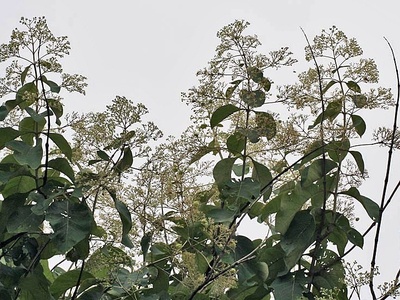
Teak
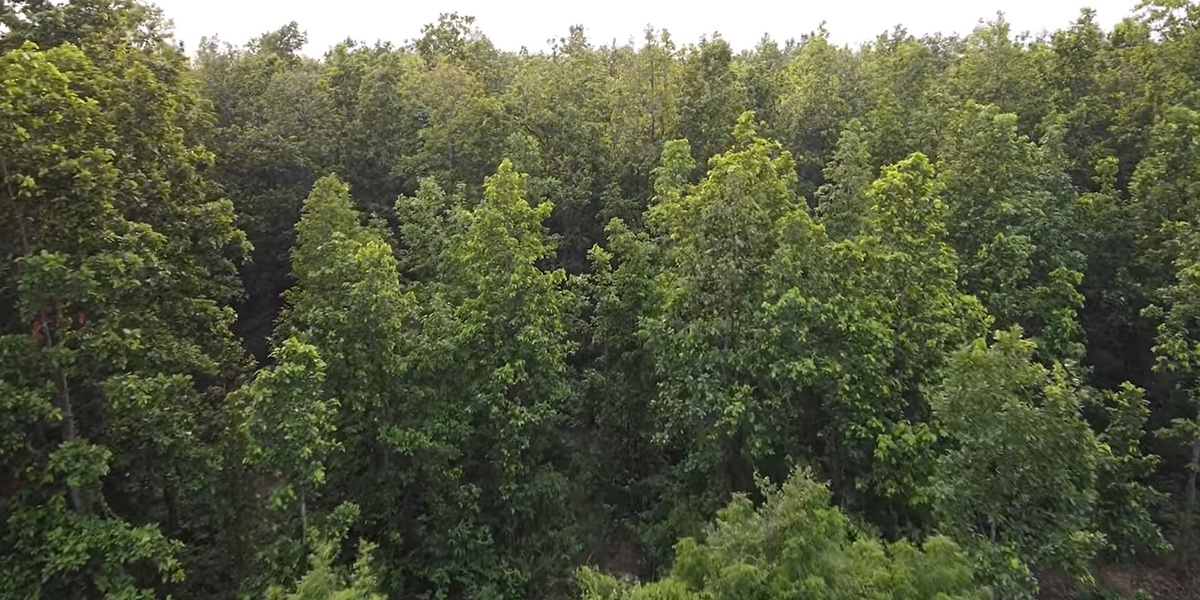
A tropical hardwood widely planted in southern Nepal for its durable timber and straight-grained boards. Recognizable by large opposite leaves and papery bark, teak occurs in plantations and some naturalized stands and is economically significant in Terai forestry.
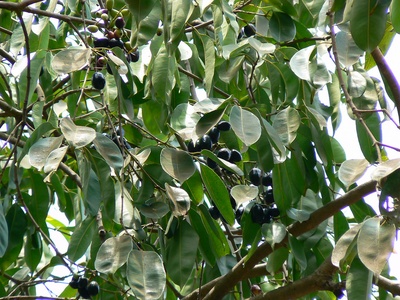
Jamun (Java plum)
A fruiting lowland tree with dark purple berries valued fresh and in preserves. Grows in riverine and village settings, attracting birds and people alike; its fruit and bark have traditional medicinal uses and support local diets.
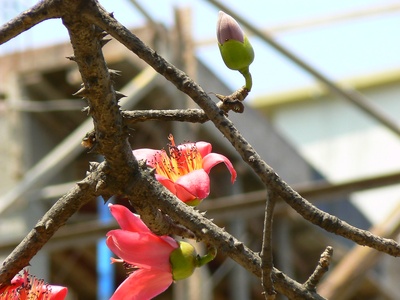
Simal (Silk cotton)
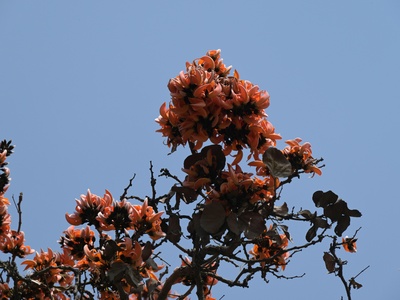
A tall deciduous tree with showy red flowers and a broad, buttressed trunk. Common in lowland and lower-hill forests, its cottony seed fibers and soft timber have traditional uses and the flowers are an important nectar source for pollinators.
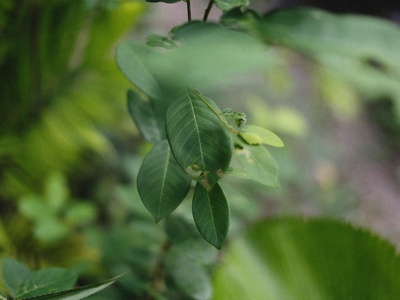
Tejpat (Indian bay leaf)
An aromatic evergreen tree of montane and lower temperate forests, known for fragrant leaves used as a spice. The bark and leaves support local culinary and medicinal traditions; it grows in mixed broadleaf stands and understory areas.
Castanopsis
A broadleaf evergreen of subtropical and lower montane forests with glossy leaves and chestnut-like nuts. Forms part of mixed hill forests, provides edible seeds and durable timber, and is recognizable by its leathery foliage and dense crown.