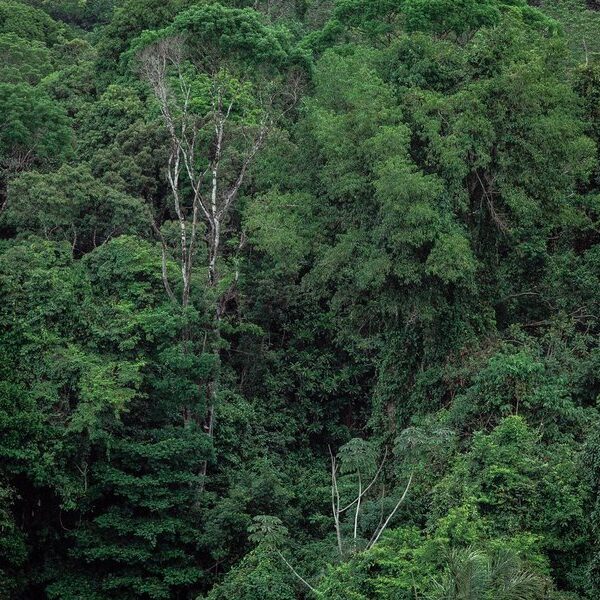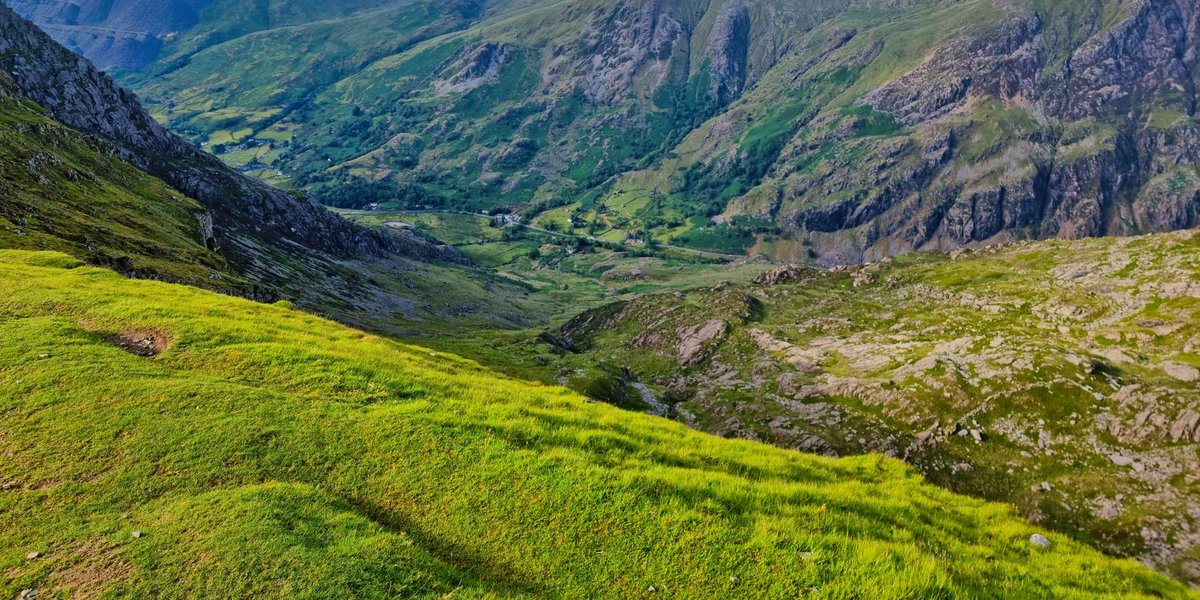
Search for Wales’ native animals and you’ll get lists that include feral goats, fallow deer and grey squirrels. None of those belong here. This list is stricter: 20 species that were in Wales before people started moving animals around, grouped by the habitat where you’re most likely to meet them, with a place and a season for each.
Some are easy. Red kites circle over car parks in mid Wales. Others are near-impossible by design, like the hazel dormouse, which spends half the year asleep in a ball of woven grass. Both kinds are here.
Table of contents
- What “native” means here
- Woodland and mountain
- Coast and sea
- Rivers and wetlands
- Birds of prey
- Summary table: where and when to look
- Wild but not native: the common mix-ups
- Welsh wildlife under pressure
- Watching wildlife without harming it
- FAQ
What “native” means here
A native animal arrived in Wales on its own after the last ice age, without help. That includes species hunted out and since returned, which is why red kites, ospreys and beavers count. It excludes anything brought in by the Romans, Normans, fur farmers or estate owners.
Welsh wildlife is also a small, tightly packed set of habitats: upland crags, oak woodland, a coastline that runs for roughly 1,680 miles with its bays and islands, and wet lowland farmland. Each group below follows one of those.
Woodland and mountain
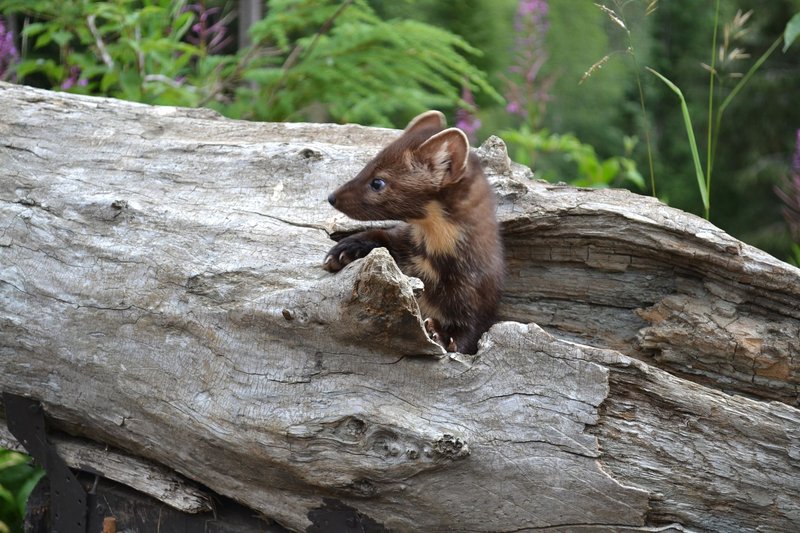
1. Pine marten
A cat-sized, chocolate-brown relative of the weasel with a cream bib, built to climb. Pine martens were close to gone in Wales until the Vincent Wildlife Trust moved animals from Scotland to mid Wales between 2015 and 2017. The population there has taken hold and is spreading.
You’re unlikely to see one by accident. They’re nocturnal and wary. Your best chance is dusk in mature mid Wales woodland, or a camera trap at a wildlife site that runs one.
2. Red squirrel
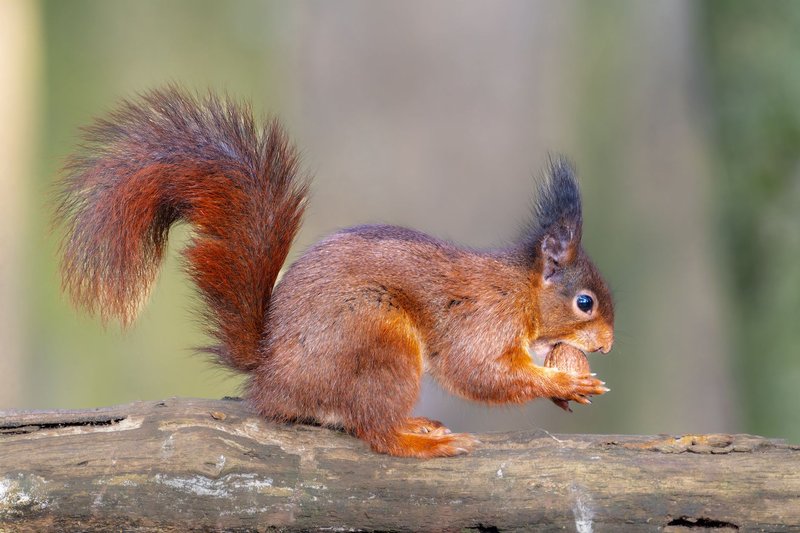
Wales’ red squirrels are in a handful of places, and each one is a conservation story. On Anglesey the population sank to about 40 animals in the late 1990s. Removing the grey squirrels, which carry squirrelpox, brought the reds back to the hundreds. Newborough Forest is the classic spot. Clocaenog Forest in Denbighshire is the other stronghold, with smaller groups in mid Wales.
Look for them feeding in pine tops in autumn, when they’re busiest and the cone debris gives them away.
3. Hazel dormouse
Small, golden, with a thick furry tail and big dark eyes. It also hibernates from roughly October to April, and it’s a protected species, so you can’t just go looking. Only licensed surveyors may handle one or open a nest box.
What you can find is the evidence. Dormice open hazelnuts by gnawing a smooth round hole with tooth marks angled around the rim, which looks nothing like the split a squirrel leaves. Hazel woodland in mid and south Wales is where to hunt for them.
4. Polecat
Dark mask, pale face, a bandit with a bad temper. The European polecat is the wild ancestor of the domestic ferret, and Wales is its stronghold. When polecats began recolonising England in the 20th century, they spread out from the Welsh borders.
They hunt at night around farm buildings and woodland edges, so most sightings are brief: a flash across a lane at dusk. Mid Wales has the best odds.
5. Adder
Britain’s only venomous snake is a quiet one. Look for the dark zigzag down the back and a V or X on the head. Adders bask on warm heathland, dune edges and sunny woodland clearings from March to May, then disperse for the summer.
Bites are rare, and only happen when someone steps on or grabs one. If you see one, step back and watch it. It will leave.
6. Ring ouzel
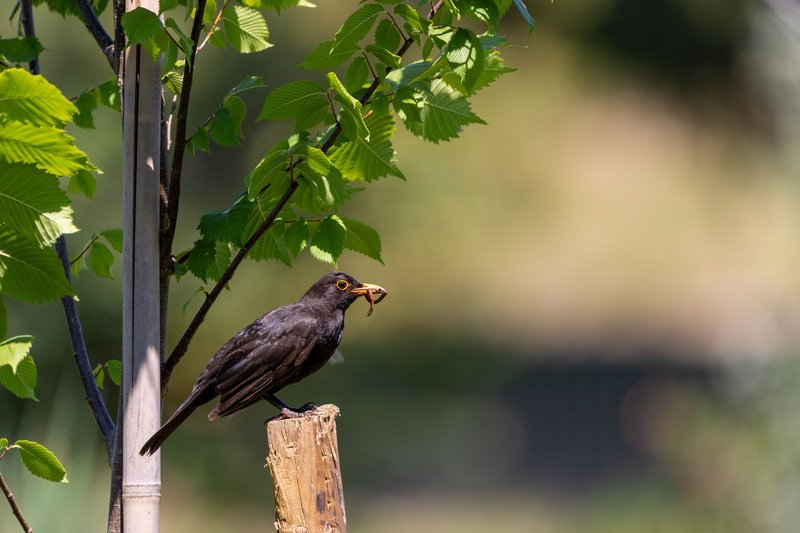
Think of a blackbird with a white crescent across its chest, living where blackbirds don’t. Ring ouzels breed on rocky upland slopes and crags in places like Snowdonia and the Brecon Beacons, arriving from Africa in spring and leaving in early autumn.
They’re red-listed in the UK, and the species is retreating from marginal uplands. A rattling alarm call from a boulder field in May is often your first clue.
Coast and sea
7. Grey seal
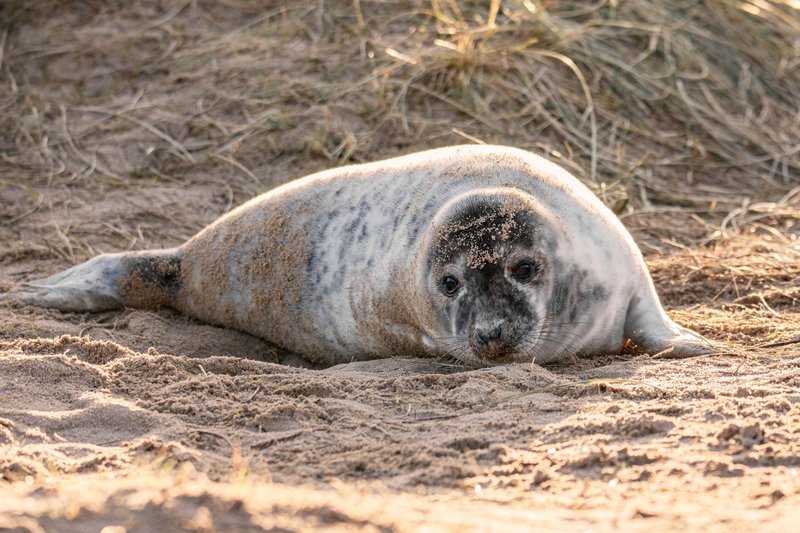
The Pembrokeshire coast and offshore islands such as Ramsey and Skomer are where grey seals haul out and breed. Pups are born with white coats between about August and December, in sea caves and on tucked-away beaches. Anglesey and the Llŷn peninsula also hold colonies.
The most dependable way to watch them is a boat trip from St Davids or an autumn walk along the coast path above a pupping beach. Keep your distance. A mother disturbed off her pup may abandon it.
8. Bottlenose dolphin
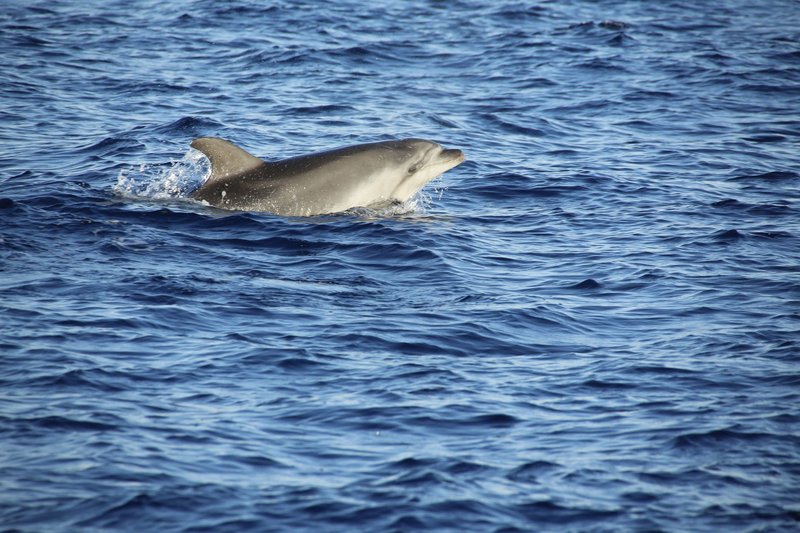
Cardigan Bay has one of the few resident groups of bottlenose dolphins in the UK, protected as a Special Area of Conservation. They live here year-round, not just passing through. Bottlenose are the large, grey, blunt-beaked dolphins, up to about four metres long, and they often come close to shore.
New Quay and Aberporth are the usual vantage points. Boat trips run roughly April to October, and calm, bright mornings in summer are best.
9. Harbour porpoise
Smaller and shyer than a dolphin, with a stubby triangular fin and no beak. Porpoises don’t leap. They roll at the surface, take a breath and go. Wales is among the best places in Britain to see them.
Sit still at a headland on a flat-calm day and scan. Strumble Head in Pembrokeshire, Bardsey Sound off the Llŷn and the waters around Skomer and Anglesey are the dependable spots, mostly from July to September.
10. Atlantic puffin
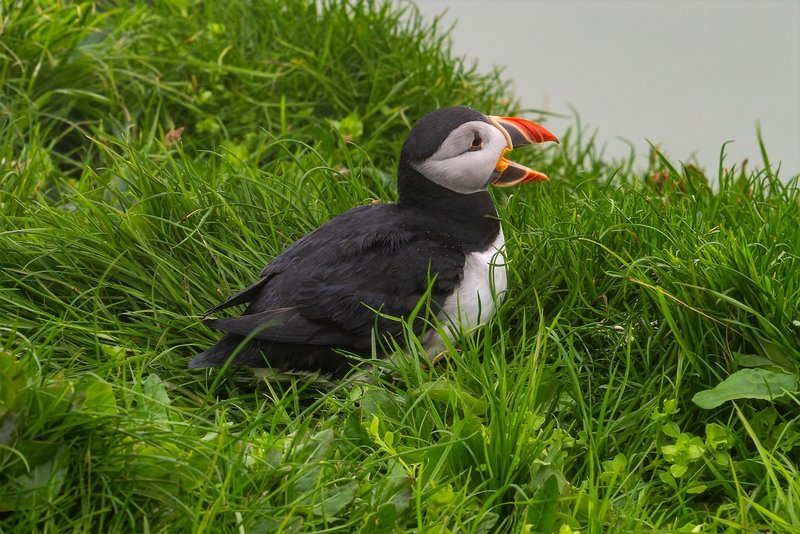
Puffins nest in burrows on a few Welsh islands, with Skomer the best known. They arrive in April and are gone by mid July. Walk the island’s cliff paths in June and you can sit a couple of metres from birds carrying sand eels to their burrows.
Skomer is reached by boat from Martin’s Haven, and daily landing numbers are limited, so book ahead for peak weeks. Skokholm and Bardsey also have breeding colonies.
11. Red-billed chough
Black crow, red legs, long curved red bill, and an acrobat’s way of flying: it tumbles and soars on cliff updrafts as if for fun. Choughs nest in sea caves and cliff crevices and feed on short turf, hunting ants and beetle larvae.
Wales holds a large part of the UK’s mainland population. South Stack on Anglesey, the Pembrokeshire coast and the Llŷn are the most reliable places, and unlike most seabirds, they stay all year.
Rivers and wetlands
12. Eurasian otter
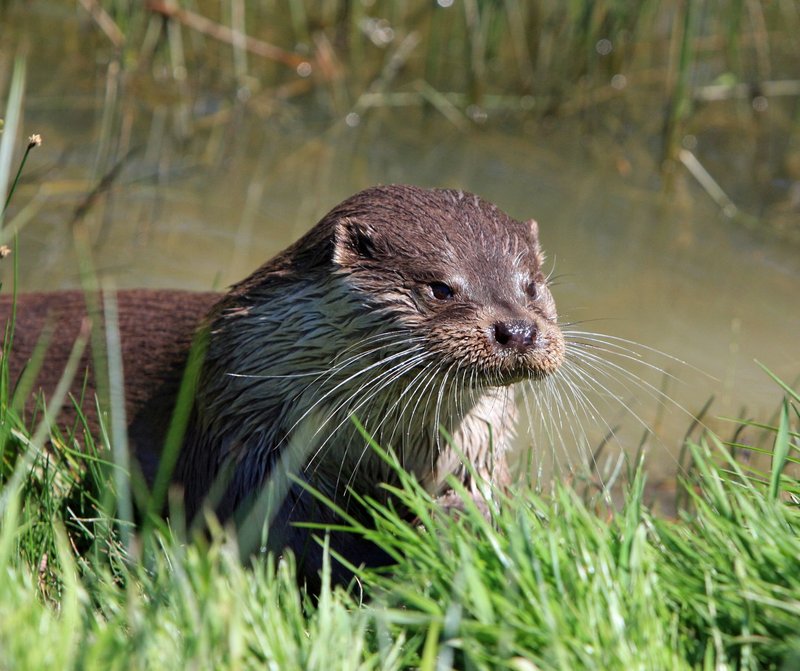
Otters nearly vanished from Wales in the 1970s and ’80s, victims of pollutants like organochlorine pesticides. They’re now recorded on most Welsh rivers and along the coast, where they hunt crabs and fish among rocks and kelp.
Seeing one takes patience and dawn or dusk. Look for ripples, a whiskered head and a thick tail on rivers like the Teifi. Spraints (droppings) on prominent rocks smell faintly of jasmine tea, and are a surer sign than any glimpse.
13. Water vole
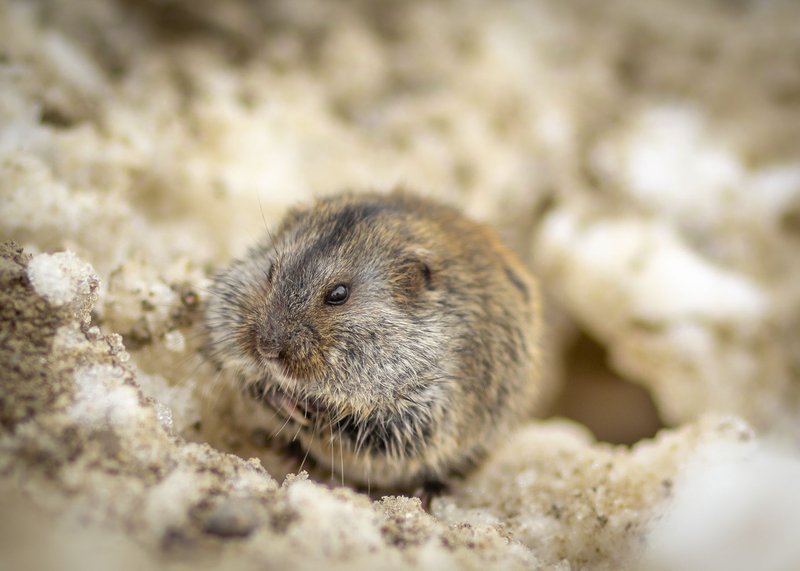
The real “Ratty” of The Wind in the Willows is a vole, not a rat: rounded nose, short furry ears, chestnut coat. Water voles have collapsed across Britain. In Wales the Mammal Society’s report for Natural Resources Wales (more on that below) assessed the species as endangered, with American mink as a major cause.
Slow, ditch-lined wetlands like the Gwent Levels still hold some. Listen for the “plop” of one dropping into the water, and look for neat green piles of cut grass stems on the bank, from April to September.
14. Eurasian beaver
Beavers were hunted out of Wales centuries ago. The medieval writer Gerald of Wales reported in 1188 that the River Teifi was the last river in Wales and England where they still lived. In Welsh, a beaver is an afanc, a word that later turned into the name of a lake monster.
The animal itself is back in the legal conversation. In October 2025 the Welsh Government announced it would recognise beavers as a native species, to allow managed reintroduction. Wild sightings remain hard to come by. You’re more likely to find evidence: stumps gnawed to a pencil point and flooded woodland where a dam has gone up. Check with a Wildlife Trust before visiting any beaver site.
15. Natterjack toad
Britain’s rarest native toad, easy to tell by the yellow stripe down its back. It walks in short runs instead of hopping. Natterjacks breed in shallow, sunny pools in dune systems, and Wales has a few: Ynyslas near Borth and Talacre on the north coast are the best known.
Their call is a rolling rasp that carries for over a mile. Visit on a warm April to June evening and you’ll hear them well before you spot one.
16. Gwyniad
A silvery whitefish and an ice age relic. The gwyniad lives in only one lake in Wales, Llyn Tegid (Bala Lake), cut off since the glaciers retreated. Its name means “the white one.”
It’s one of Britain’s rarest freshwater fish, and you won’t see it from the shore: it lives in deep water. The lake itself is still worth the trip, and every bit of work to keep the water clean is protection for a fish found nowhere else in the country.
Birds of prey
17. Red kite
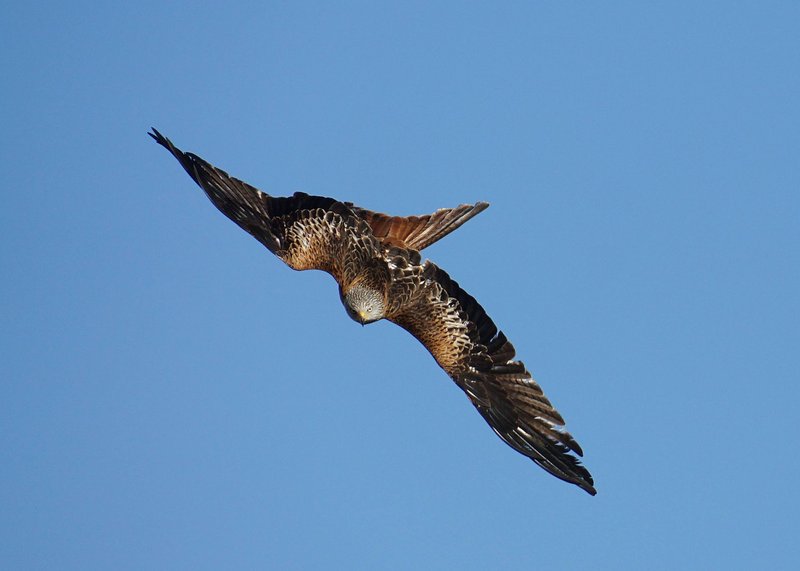
Red kites are Wales’ comeback bird. By the early 20th century a few pairs were hanging on in the Tywi valley, and mid Wales was the last refuge of the species in Britain. After decades of protection, the birds are widespread around the hills and valleys, and have spread out into England and beyond from the Welsh stock.
Look for the forked tail and rusty body. The easiest place to see them is Gigrin Farm near Rhayader, where kites are fed every afternoon and hundreds can swirl overhead at once. The Elan Valley is a free alternative.
18. Osprey
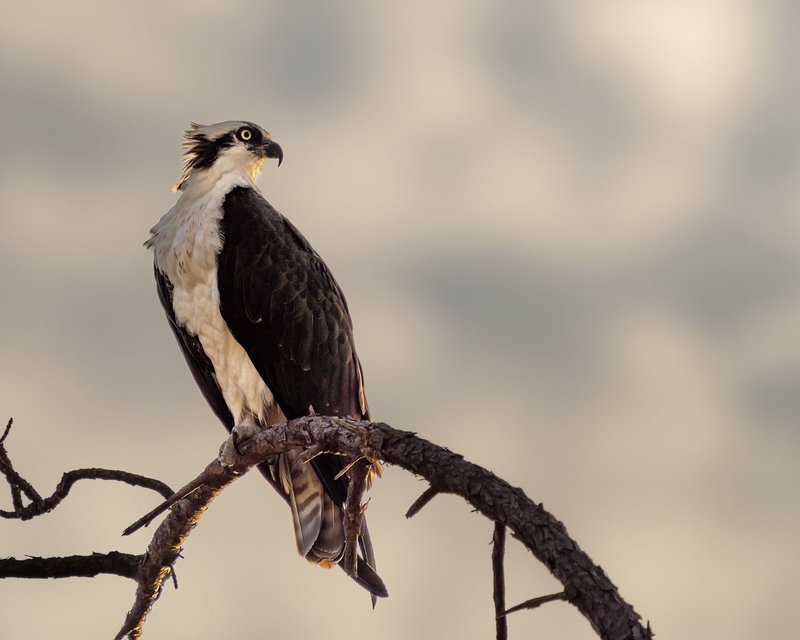
Ospreys eat fish and nothing else, and they’re one of the most dramatic things you can watch in Wales: a hover, a plunge feet-first and a heavy climb out. The Glaslyn Valley near Porthmadog has hosted a breeding pair since 2004, the first nesting ospreys in Wales for centuries. The Dyfi Osprey Project near Machynlleth has run a nesting pair since 2011 and offers viewing and live cameras.
They arrive in spring and head south to Africa after the chicks fledge, so plan for April to August.
19. Peregrine falcon
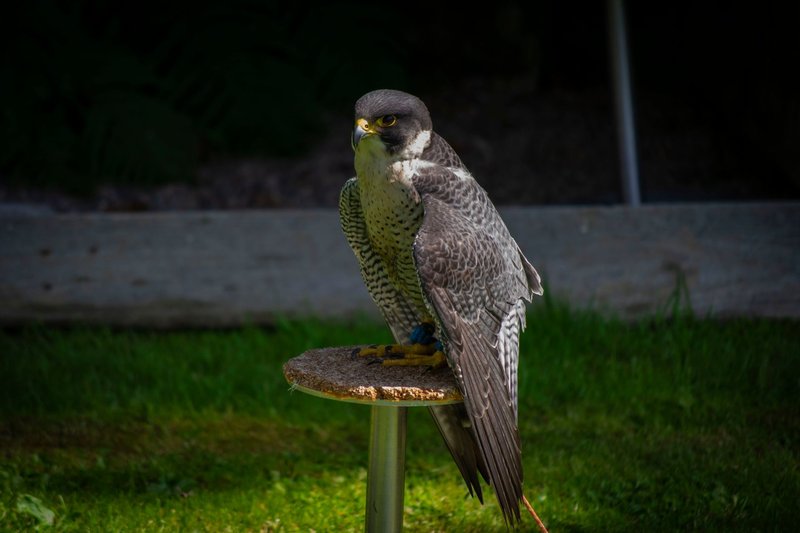
The fastest animal on the planet, in a stoop that clocks well over 100 miles an hour. Peregrines nest on sea cliffs, quarry faces and the occasional tower block. In Wales that means the Gower and Pembrokeshire cliffs, Anglesey’s South Stack and the Great Orme at Llandudno.
They’re most visible from February to June, when pairs are displaying and feeding young. Look for a stocky, anchor-shaped silhouette against the sky or a pile of feathers below a cliff ledge, the remains of someone’s lunch.
20. Hen harrier
The male is pale grey with black wingtips, and is sometimes called the “grey ghost”. Both sexes fly low over moor and marsh, tilting from side to side. In spring the male performs a looping “sky dance” to impress a mate.
Hen harriers breed in very low numbers in the Welsh uplands and have a history of persecution, so nest locations are kept confidential. Winter gives better odds, when birds hunt over coastal marshes and open moorland and gather in communal roosts.
Summary table: where and when to look
| Species | Where to look | Best time |
|---|---|---|
| Pine marten | Mid Wales woodland | Dusk, year-round |
| Red squirrel | Newborough Forest (Anglesey), Clocaenog Forest | Autumn |
| Hazel dormouse | Hazel woodland (signs only) | Autumn nut season |
| Polecat | Mid Wales farmland and woodland edges | Dusk |
| Adder | Heath, dunes, sunny woodland clearings | March to May |
| Ring ouzel | Snowdonia and Brecon Beacons crags | April to June |
| Grey seal | Pembrokeshire, Ramsey, Skomer, Anglesey | August to December |
| Bottlenose dolphin | Cardigan Bay (New Quay, Aberporth) | June to September |
| Harbour porpoise | Strumble Head, Bardsey Sound | July to September |
| Atlantic puffin | Skomer, Skokholm | April to mid July |
| Red-billed chough | South Stack, Pembrokeshire, Llŷn | Year-round |
| Otter | Rivers such as the Teifi, rocky coast | Dawn and dusk |
| Water vole | Gwent Levels and other lowland wetlands | April to September |
| Beaver | Managed sites only, check before visiting | Dusk |
| Natterjack toad | Ynyslas, Talacre dunes | April to June evenings |
| Gwyniad | Llyn Tegid (not visible from shore) | n/a |
| Red kite | Gigrin Farm, Elan Valley | Year-round |
| Osprey | Glaslyn Valley, Dyfi | April to August |
| Peregrine falcon | Sea cliffs, quarries, Great Orme | February to June |
| Hen harrier | Uplands, coastal marshes | Winter |
Wild but not native: the common mix-ups
Several animals you’ll see in Welsh countryside are wild but not native. Rattling off the list helps you avoid mislabeling them on a trail.
- Feral goats. The herds on Snowdonia’s slopes and the Great Orme descend from escaped or released domestic animals. They’re a fixture of the landscape, but they’re not wildlife in the native sense.
- Fallow deer. Introduced, traditionally credited to the Normans, and now living wild in many woods.
- Sika and muntjac deer. Both are Asian species that escaped from parks and collections.
- Grey squirrel. A North American import, and the reason red squirrels are so restricted.
- American mink. Escaped from fur farms, and a major threat to water voles.
- Rabbit. Also a medieval introduction, though it’s now the foundation of many Welsh food chains.
- Welsh mountain ponies. A hardy breed, but a domestic one, even when it’s roaming the hills.
Welsh wildlife under pressure
Not every story is a recovery. The Mammal Society’s 2020 report, produced for Natural Resources Wales, assessed 39 native or formerly native Welsh mammals and found about one in three threatened with extinction. Red squirrels and water voles were assessed as endangered, and hedgehogs as vulnerable. The report also found some recoveries: the pine marten reinforcement project was described as extremely successful, and Wales remains a stronghold for polecats.
The common threads are habitat loss, invasive species, pollution and a changing climate. The good news is that most of the species on this list respond quickly when the pressure is removed. Otters, red kites and ospreys are the proof.
Watching wildlife without harming it
- Keep your distance from seals and nesting birds. A disturbed seal mother can abandon her pup, and a flushed seabird leaves eggs exposed to gulls.
- Use accredited boat operators. Choose operators who follow a marine code of conduct, so dolphins and porpoises aren’t chased.
- Keep dogs on a lead near ground-nesting birds, seals and adders.
- Never disturb protected species. Dormice, great crested newts and bats need a licence to handle or survey.
- Stay on paths and go quiet. Most mammals here are shy. Movement and noise end sightings.
- Skip the feeding. Apart from managed sites like Gigrin Farm, feeding wild animals harms them.
FAQ
What animals are native to Wales?
Native Welsh animals include pine martens, red squirrels, polecats, otters, water voles, grey seals, bottlenose dolphins, harbour porpoises, red kites, ospreys, peregrines and puffins, plus rarer species such as the gwyniad and hazel dormouse. Beavers are being legally recognised as native.
Are there any dangerous wild animals in Wales?
Almost none. The adder is the only venomous animal, and it bites only when handled or trodden on. Wolves, bears and lynx were once native to Britain, but are long extinct in Wales.
What is the best time of year to see wildlife in Wales?
Late spring and summer cover the most ground: puffins and ospreys are present, dolphins are most active in Cardigan Bay, and adders and natterjacks are out. Autumn is best for seal pups and red squirrels, and winter is the time for hen harriers and kite feeding stations.
Which Welsh animals are endangered?
Red squirrels and water voles are both assessed as endangered in Wales, and hedgehogs as vulnerable, with about one in three native mammals threatened overall. Hazel dormice, ring ouzels and hen harriers are among the other species of concern.
Where’s the best single place to see Welsh wildlife?
Pembrokeshire. Within a short drive you can find seals, choughs, porpoises and, from Martin’s Haven, the puffins of Skomer.