Quick Answer
Chacoan peccaries eat mostly cactus — spines, pulp, and all. Their diet is built around a handful of Opuntia species, supplemented with fruit, acacia and mesquite pods, bromeliad roots, and mineral-rich soil from salt licks and ant mounds. An adult eats roughly 4 kg of food a day, and gets most of the water it needs without ever visiting a waterhole.
Table of Contents
- The cacti on the menu
- Eating a plant covered in spines
- The gut built for cactus acid
- Water without drinking
- Minerals: salt licks and ant mounds
- Beyond cactus: fruit, pods, and roots
- Seed dispersers of the Chaco
- Strict herbivores, unlike their cousins
- What changes with the seasons — and in zoos
Most zoo placards will tell you a Chacoan peccary “eats plants.” True, but it undersells one of the stranger diets in the mammal world: an animal that treats a plant designed to keep everything away from it — thorns, toxic sap, the works — as a staple food.
The cacti on the menu
The bulk of a Chacoan peccary’s diet comes from prickly pear cacti, particularly Opuntia discolor and Cleistocactus baumannii, both common through the Gran Chaco scrubland of Paraguay, Bolivia, and Argentina where the species lives. These aren’t occasional snacks. In the driest stretches of the Chaco, cactus can make up the majority of what a peccary eats in a given day, and herds will work through a patch methodically, animal by animal, until it’s stripped down to spines and skin.
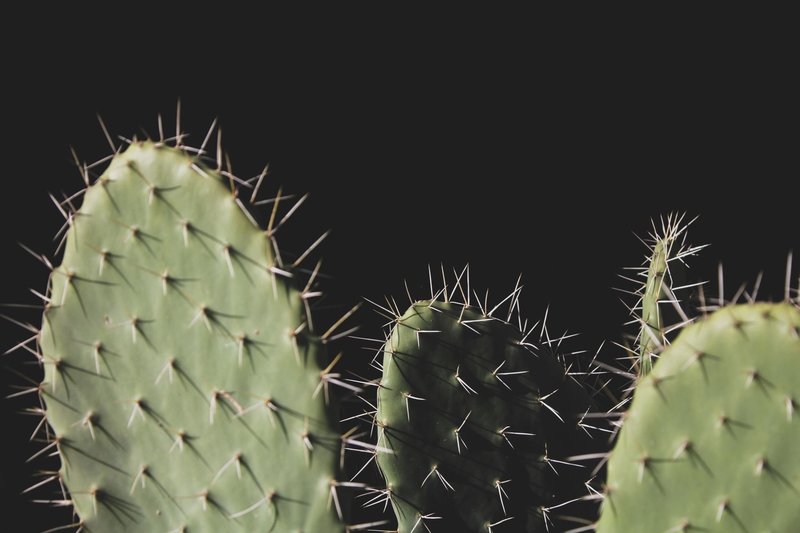
Where prickly pear thins out, peccaries switch to whatever succulent tissue is available — bromeliad bases, in particular, hold water and get targeted the same way cactus does.
Eating a plant covered in spines
Cactus spines aren’t a minor inconvenience — they’re barbed, they break off under the skin, and they’re the entire reason the plant has survived millions of years of hungry mammals. A Chacoan peccary deals with them in one of two ways: it uses its tough, leathery snout to pin a cactus pad against the ground and roll it, grinding the spines off against the dirt, or it grips individual spines with its front teeth and yanks them out one by one before eating the pad clean.
Either method takes time, which is part of why herds move slowly through good cactus stands instead of grazing and moving on the way deer do.
The gut built for cactus acid
Stripping the spines only solves half the problem. Cactus tissue is loaded with oxalic acid, which is toxic to most mammals in quantity — it binds calcium and can damage kidneys over time. Peccaries, including the Chacoan species, run on a three-chambered, non-ruminating stomach that’s more complex than a pig’s, with fermentation chambers that give gut bacteria time to break down plant acids before they hit the bloodstream, according to Animal Diversity Web.
The kidneys do the rest. Chacoan peccaries have kidneys specialized to filter and neutralize cactus acid at a rate most mammals can’t sustain, which is the physiological trick that lets them eat a plant that would put a domestic pig into renal distress.
Water without drinking
The Gran Chaco is one of the driest scrublands in South America, and standing water can be scarce for months. Chacoan peccaries largely sidestep the problem: an estimated 90% of their water intake comes from the moisture stored in cactus pulp itself, not from drinking. Their kidneys back this up by producing unusually concentrated urine, which minimizes water loss on the output side the way a desert-adapted rodent’s would.
It’s a closed loop — the same food source that requires specialized digestion to detoxify is also the water source that lets the species live somewhere most large mammals can’t.
Minerals: salt licks and ant mounds
Cactus is calorie- and water-rich but mineral-poor, so Chacoan peccaries supplement it by licking exposed soil at natural salt licks and, notably, at the mounds built by leaf-cutter ants. Ant mound soil tends to carry a different mineral profile than the surrounding topsoil, having been hauled up from deeper layers during excavation, and peccaries visit these spots repeatedly to top up calcium and sodium that cactus alone won’t provide.
Beyond cactus: fruit, pods, and roots
Cactus dominates, but it isn’t the whole story. When available, Chacoan peccaries eat the seed pods of acacia and mesquite (Prosopis) trees, fallen fruit, roots, and herbaceous plants growing beneath the scrub canopy. Mesquite pods in particular are opportunistic — they show up seasonally and get taken fast when they do, since they’re higher in sugar than anything else on offer in the dry Chaco.
Seed dispersers of the Chaco
Every mesquite pod and piece of fruit a peccary swallows comes with seeds attached, and those seeds pass through the gut and get deposited, with a little fertilizer, somewhere else in the herd’s range. In an ecosystem as sparse as the Gran Chaco, that makes Chacoan peccaries a working part of how acacia and mesquite populations spread — remove the peccaries and the seed-dispersal job doesn’t get picked up by much else at the same scale.
Strict herbivores, unlike their cousins
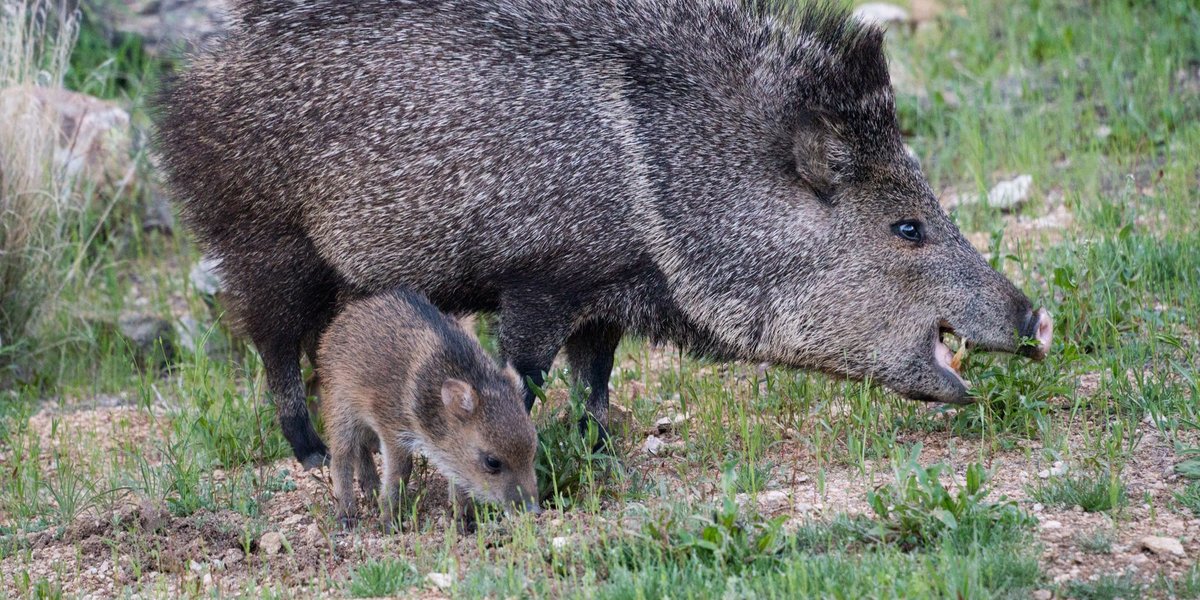
It’s worth separating Chacoan peccaries from their more familiar relatives here. Collared peccaries (the javelinas common across the American Southwest) and white-lipped peccaries both scavenge carrion and eat small animals when the opportunity presents itself. Chacoan peccaries stick overwhelmingly to plant material — their larger body size and gut capacity let them subsist on a lower-quality, high-fiber diet that smaller peccary species can’t run on efficiently, according to Animal Diversity Web. If you’ve read that peccaries in general are opportunistic omnivores, that’s true of the genus as a whole — just not of this particular, endangered member of it.
What changes with the seasons — and in zoos
Published field data on how wild Chacoan peccary diets shift across seasons is thin, which is itself telling — this is a species discovered by science only in the 1970s and still classified as endangered by the IUCN, with an estimated wild population near 3,000. What’s reasonably well established is that fruiting and pod-drop are seasonal, so mesquite and acacia make up a larger share of the diet right after they drop, while cactus carries the herds through the leaner, drier months when little else is available.
Zoo diets look different by necessity. Captive Chacoan peccaries are typically fed produce, browse, and formulated herbivore pellets rather than wild-harvested cactus, both for practical supply reasons and because captive diets can be balanced for minerals without relying on ant-mound soil. It’s a reasonable substitute, but it’s also a reminder that a zoo enclosure can’t fully replicate the specific, acid-heavy, spine-covered diet this species evolved to exploit in the wild.
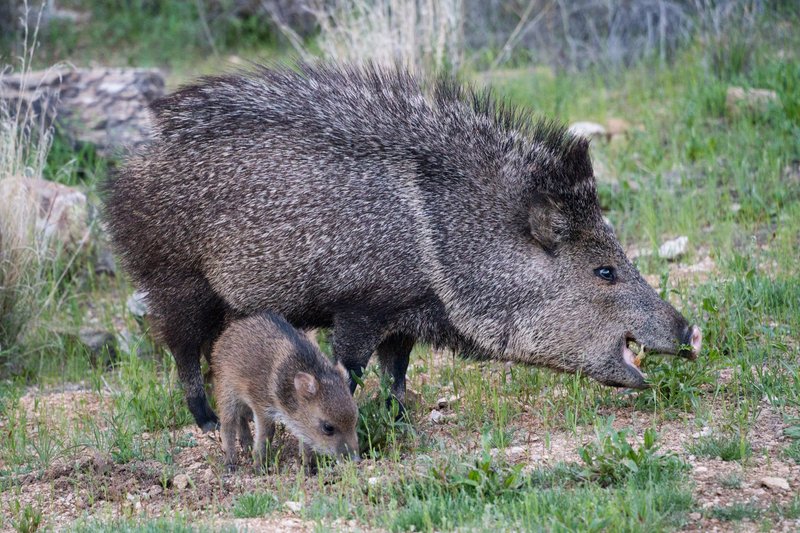
That diet is the whole reason the Chacoan peccary survives where it does. Most mammals its size can’t touch a mature prickly pear stand without real cost. This one built its entire physiology — snout, teeth, stomach, kidneys — around treating it as dinner.