TLDR
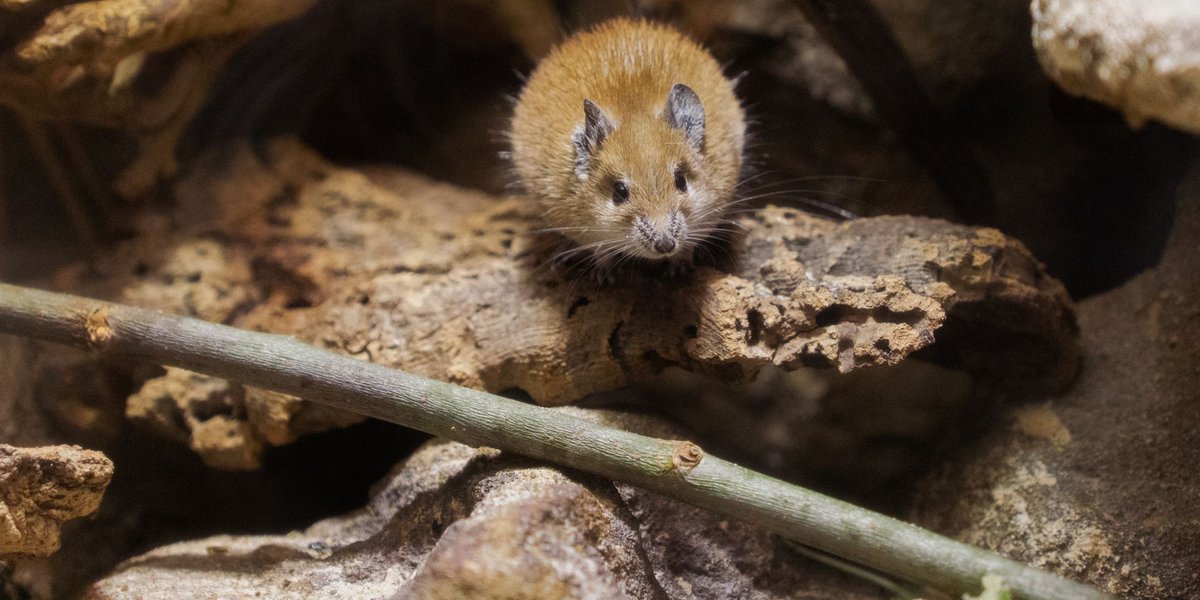
Wild Egyptian spiny mice (Acomys cahirinus) eat seeds, nuts, fruit, green leaves, insects, spiders, snails, and the occasional scrap of carrion, raiding grain stores and crops when they live near people. Pet spiny mice do best on a base of rodent lab blocks, supplemented with fresh vegetables, small amounts of fruit, an occasional protein boost like mealworms or boiled egg, and constant access to water. Skip the sugary treats and the rabbit pellets — more on why below.
What Egyptian spiny mice eat in the wild
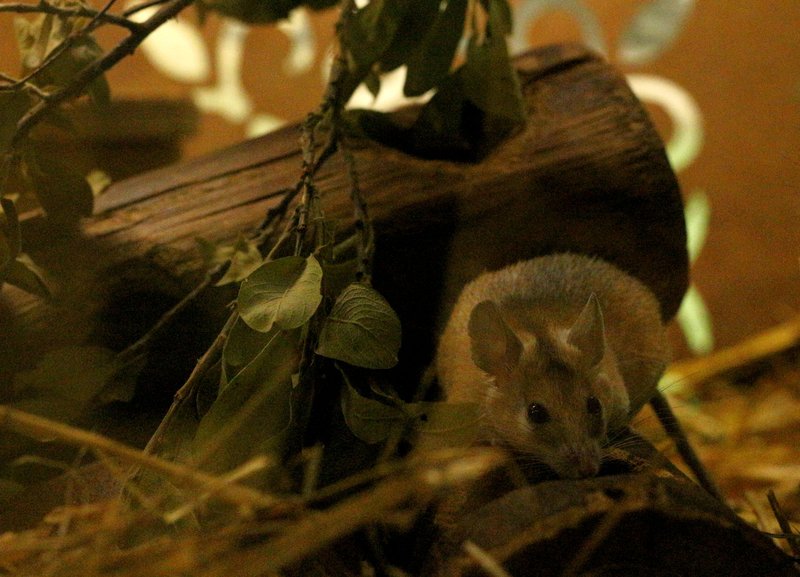
Acomys cahirinus is a desert opportunist, and its diet reflects it. Rather than specializing on one food type, it eats whatever the rocky wadis and scrubland of North Africa and the Middle East happen to be offering that week:
- Seeds and dried plant matter
- Nuts
- Fruit
- Green leaves and shoots
- Insects and spiders
- Snails and other molluscs
- Carrion, when it’s available
- Grain and stored crops, in areas close to human settlements
That last point matters more than it sounds. Spiny mice living on the edges of farmland and villages shift their foraging toward stored grain and crop leftovers, which is part of why they’re often lumped in with “commensal” rodents like house mice even though they’re only distantly related. One specific relationship stands out: spiny mice eat the fruit of the desert shrub Ochradenus baccatus but spit the seeds out intact, making them an effective seed disperser for a plant that depends on animals to spread it across barren ground.
What to feed a pet Egyptian spiny mouse
Spiny mice have become a fixture in the exotic small-pet world over the last decade, partly because they’re social, active during the day more than most rodents, and don’t smell as strongly as some cousins. Their captive diet should track their wild one in spirit — varied, plant-heavy, with protein worked in — but with a few adjustments for a life spent in a tank instead of a wadi.
The base: a commercial rodent lab block or a quality small-rodent pellet mix should make up most of the diet. Lab blocks are formulated to a complete nutrient profile, which matters more for a species prone to obesity than it does for, say, a rabbit.
Vegetables: leafy greens, broccoli, carrot, and squash in small daily portions. Rotate rather than repeat the same vegetable every day.
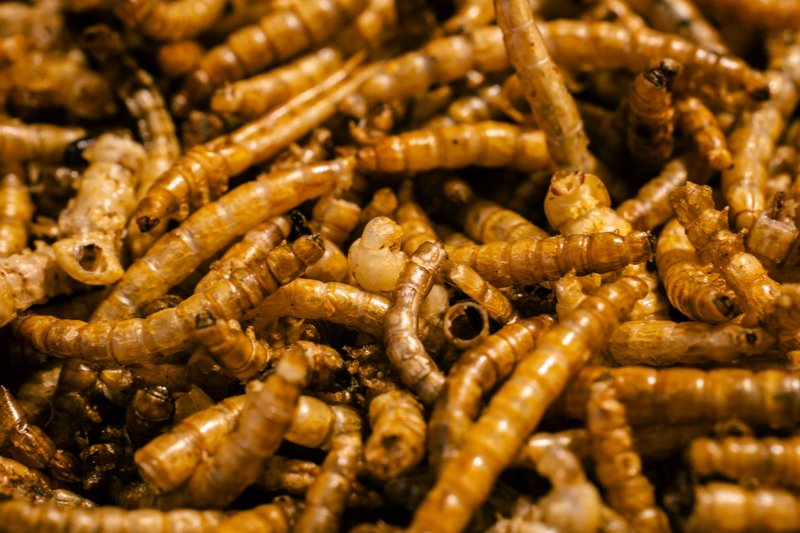
Protein: mealworms, superworms, or a bit of boiled egg once or twice a week. This is the piece most new keepers skip, and it’s the piece wild spiny mice never go without — insects and snails are a regular part of their diet, not a rare treat.
Fruit: small amounts of apple, pear, or berries occasionally. Treat fruit as a garnish, not a food group — the sugar content adds up fast on an animal this size.
Water: a water bottle or shallow, tip-proof dish, refreshed daily. Produce supplies some moisture, but it isn’t a substitute for standing water.
Foods to avoid
- Sugary treats and yogurt drops sold for “pet rodents” — mostly sugar, no nutritional upside
- Rabbit or guinea pig pellets — formulated for animals with different gut flora and vitamin needs (guinea pig pellets are fortified with vitamin C for a reason spiny mice don’t share)
- Seed-only mixes as a full diet — heavy in fat, light in everything else, and a fast route to an overweight mouse
- Avocado, chocolate, and onion or garlic in any quantity
- Citrus, beyond an occasional sliver
Feeding schedule
Offer fresh vegetables and protein daily or every other day, in portions a mouse can finish within a few hours so nothing rots in the enclosure. Lab blocks and pellets can stay available around the clock — spiny mice self-regulate reasonably well on dry food, and free-feeding it doesn’t carry the same obesity risk that free-feeding fruit or seeds does.
What baby spiny mice eat
This is where spiny mice break from almost every other pet rodent, and it’s worth knowing before you breed or adopt a litter. Acomys pups are born precocial — fully furred, eyes open, walking within days — the result of an unusually long five-to-six-week gestation for an animal this size. A study in the Journal of Experimental Biology found pups start nibbling solid food two to three days after birth and are fully weaned by two to three weeks old — roughly half the timeline of a common pet mouse.
In practice, that means a nursing mother’s enclosure needs solid food, not just nursing access, from the first few days on. Offer the same lab block and softened vegetable pieces the adults eat, cut small enough for a pup to manage, rather than waiting for a weaning age that, for this species, has mostly already passed by the time you’d expect it.
Wild diet vs. captive diet
| Wild diet | Captive diet | |
|---|---|---|
| Base food | Seeds, nuts, dried plant matter | Rodent lab blocks or pellets |
| Protein | Insects, spiders, snails, carrion | Mealworms, superworms, boiled egg |
| Produce | Fruit, green leaves, opportunistic crops | Leafy greens, carrot, squash, small fruit portions |
| Water | Dew, moisture in food, rare standing water | Water bottle or dish, daily |
| Risk factors | Drought, food scarcity | Obesity from seed- or fruit-heavy diets |
One more reason nutrition gets extra attention for this species in research settings: Acomys is one of the few mammals known to heal deep skin wounds without scarring, regrowing hair follicles, cartilage, and even muscle in studies published in npj Regenerative Medicine. That kind of tissue regrowth is metabolically expensive, which is part of why lab colonies studying scar-free healing in Acomys keep such close tabs on protein intake — a pet owner doesn’t need lab-grade precision, but it’s a good reminder that “just seeds” was never the whole diet.
FAQ
Can Egyptian spiny mice eat sunflower seeds? In small amounts, yes, but not as a staple. Sunflower seeds are fatty enough that a diet built around them is a fast track to an overweight mouse.
Do pet spiny mice need vitamin or calcium supplements? Not if they’re eating a quality lab block, which is already formulated to cover their nutritional baseline. Supplements are more likely to cause an imbalance than fix a deficiency that isn’t there.
Can Egyptian spiny mice eat fruits and vegetables every day? Vegetables, yes, rotated for variety. Fruit should stay occasional — a few times a week, not a daily side dish.
How much water does a spiny mouse drink? Less than you’d expect for its size, since it evolved for arid conditions, but “less” isn’t “none.” Fresh water should always be available regardless of how dry-adapted the species is.
Get the base right — lab blocks, rotated vegetables, a real protein source, water that’s actually fresh — and an Egyptian spiny mouse’s diet stops being a mystery. The wild version of this animal never had it easier than “eat what’s around and adapt.” The captive version just needs you to do a little of that adapting for it.