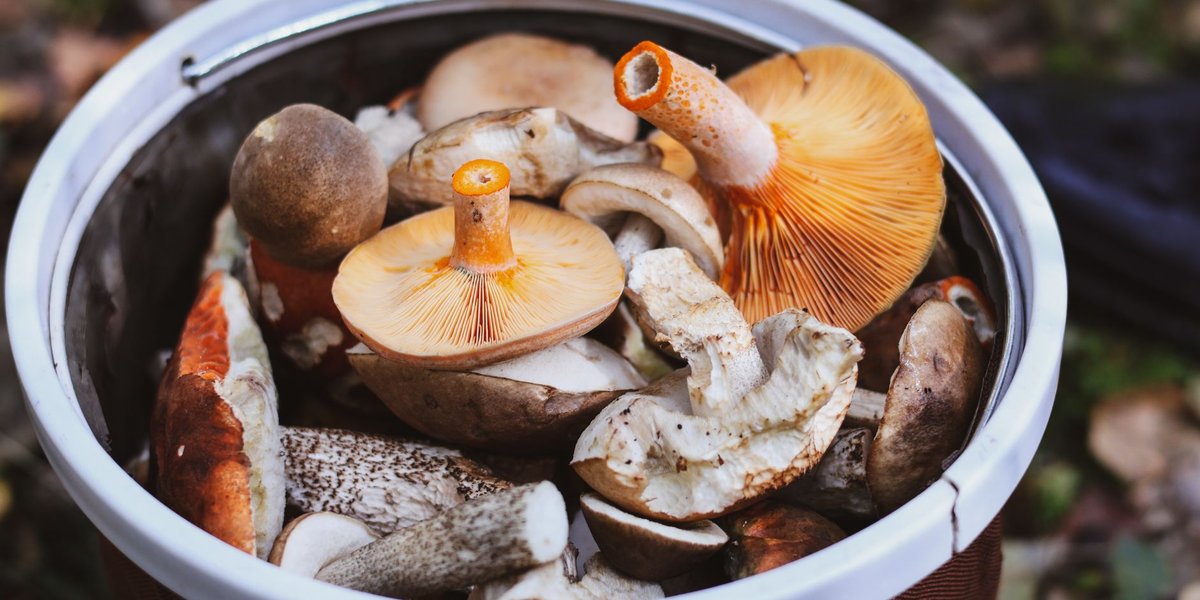
Read this first. Never eat a wild mushroom you haven’t identified with certainty. A photo match isn’t certainty. Have every first-time find checked by an experienced local forager or your regional mycological society, such as the North American Mycological Association, before it goes near a pan. Cooking doesn’t neutralize the toxins that kill people.
Most wild mushroom species you’ll meet on a walk are either harmless and bland, or not worth the risk. A small group is excellent to eat. A smaller group will put you in a hospital or a morgue. This guide covers 18 of the ones that matter most: 10 edible, 4 poisonous, and 4 deadly. Each entry names the closest look-alike and the exact feature that separates the two.
Scope: the species here grow in temperate Europe, the UK and North America. Where a species differs by region, the entry says so. Mushrooms in Australia, Asia or the tropics follow different rules, and this guide won’t keep you safe there.
Table of contents
- Four checks before you identify anything
- Edible wild mushroom species
- Edible species at a glance
- Poisonous wild mushroom species
- Deadly wild mushroom species
- What to do after a suspected poisoning
- Summary
Four checks before you identify anything
Identification fails when people look at the cap and nothing else. Run these four checks on every specimen, and dig the whole mushroom out of the ground instead of cutting it at the base.
- Underside. Gills, pores (a sponge-like surface) or ridges? This sorts most mushrooms into families before you look at anything else.
- Base of the stem. Is there a cup, sac or bulb at the bottom? The deadliest mushrooms hide a sac-like volva underground. If you cut the stem at ground level, you never see it.
- Ring. A skirt-like ring on the stem narrows the field fast, and it appears on both field mushrooms and death caps.
- Spore print. Cut the cap off, lay it gills-down on a sheet of paper (half white, half black works best) and cover it with a glass for a few hours. White, pink, brown, rust and green prints belong to different groups, and the print settles arguments that photos can’t.
One rule beats the rest: when two mushrooms look alike, the dangerous one usually differs in exactly one feature. Learn that feature for each species you plan to eat.
Edible wild mushroom species
These ten suit beginners better than most because each has a feature that’s hard to confuse with its dangerous twin. Cook all of them. Several cause stomach trouble when raw, and some are mildly toxic until heated.
1. Chanterelle (Cantharellus cibarius and relatives)
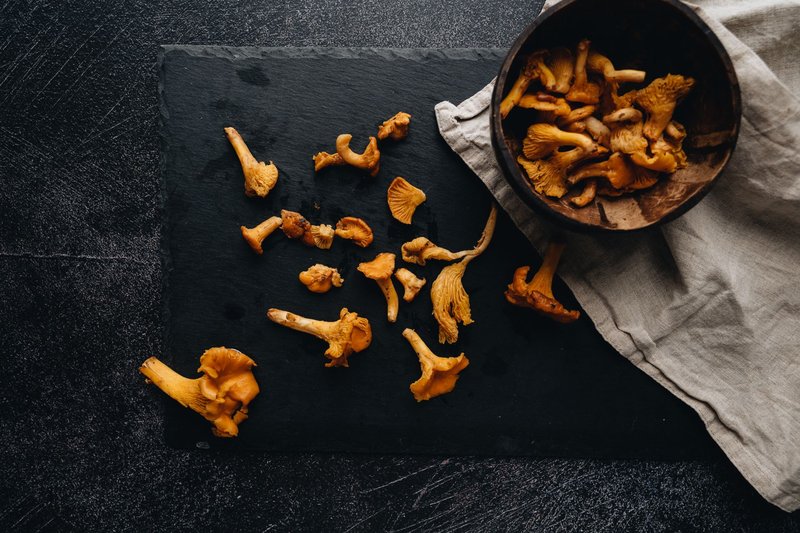
Egg-yolk yellow to orange, funnel-shaped, 3 to 10 cm across, with a wavy edge. Smell one and you’ll get apricot. The underside has no true gills. It has blunt, forked ridges that run down the stem, and the flesh tears like string cheese. It grows on the ground near oak, beech and conifers from summer to autumn. In North America, the “chanterelle” you find may be a different species in the same group (the Pacific golden chanterelle on the West Coast, for example), and the same rules apply.
Look-alike: the jack-o’-lantern (entry 12). It grows in tight clusters on wood or buried roots, and it has thin, sharp, true gills. Chanterelles grow singly or scattered, from soil, with blunt ridges.
2. Porcini or cep (Boletus edulis)
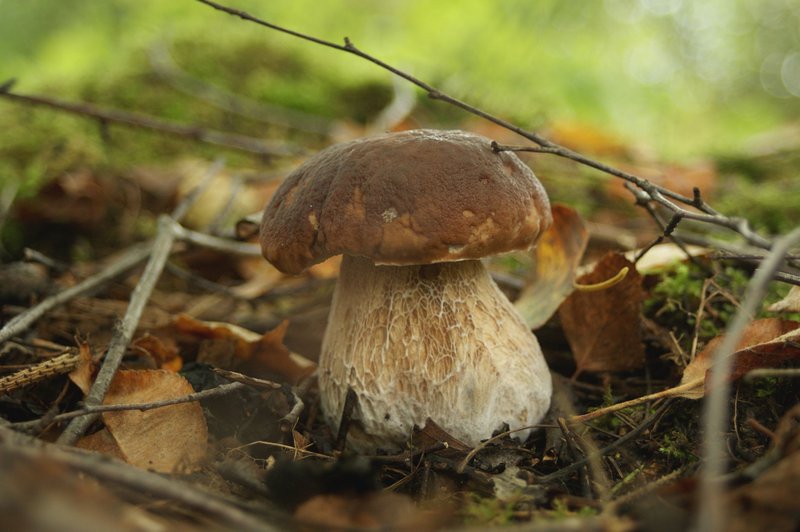
A fat brown bun of a cap, 7 to 25 cm wide, on a barrel-shaped stem with a pale net pattern near the top. Underneath, there are pores instead of gills: white when young, turning olive-yellow with age. The flesh stays white when you cut it and doesn’t stain blue. You’ll find it from late summer to autumn under spruce, pine, oak and beech.
Look-alike: the bitter bolete (Tylopilus felleus). Its pores turn pink with age, and the stem net is dark brown. One lick of the cap tells you the rest: it’s intensely bitter. It isn’t dangerous, but one bitter bolete ruins a whole pan.
3. True morel (Morchella species)
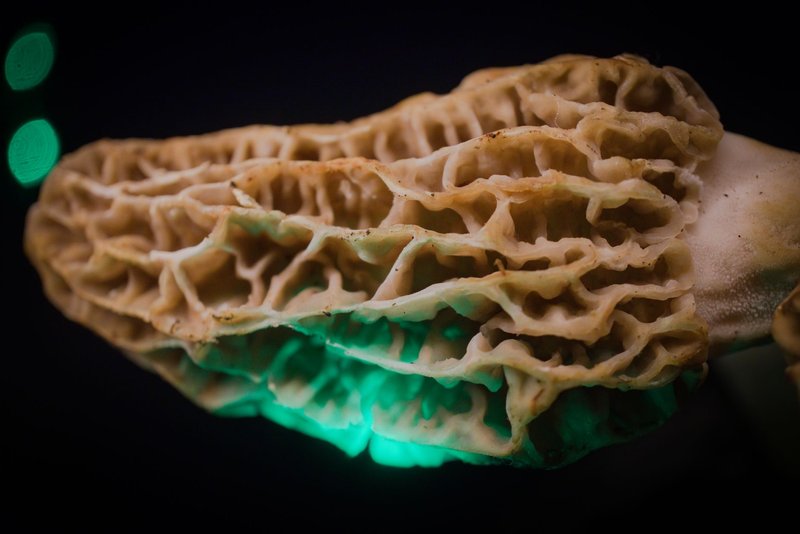
The spring mushroom. Morels appear from roughly April to June depending on latitude, often near dying elms, ash trees and old apple orchards. The cap is a honeycomb of pits and ridges, tan to grey-black, and it’s fused directly to the stem. Slice one lengthwise and it’s completely hollow, cap and stem as one empty chamber.
Look-alike: the false morel (entry 14). Its cap looks like a wrinkled brain and hangs free of the stem, and the inside is cottony or chambered, not hollow. Always cut every morel in half.
4. Chicken of the woods (Laetiporus sulphureus)
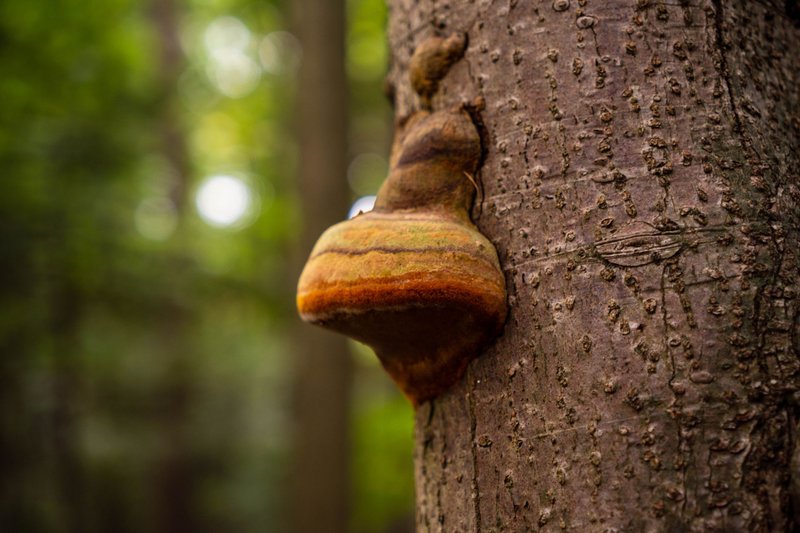
Stacked shelves of sulfur-yellow and orange on oak, cherry or willow, from late spring to autumn. Single shelves reach 30 cm across, and a big flush can fill a basket. The underside has tiny pores, not gills. Young, soft, moist edges are the part to pick.
Look-alike: nothing dangerous in the same shape and colour, but the host tree matters. Specimens growing on yew, eucalyptus or conifers are best left alone, because they’re linked to stomach upsets. Some people react to chicken of the woods even from oak, so eat a small portion the first time.
5. Hen of the woods or maitake (Grifola frondosa)
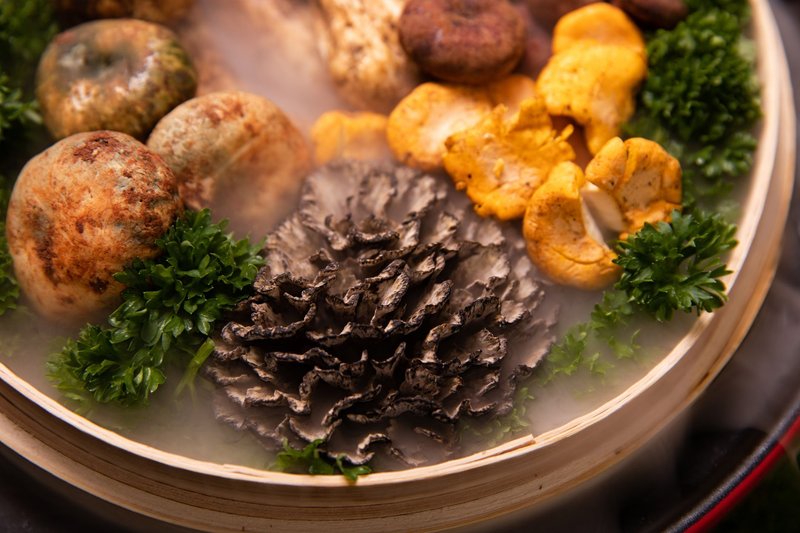
A ruffled rosette of overlapping grey-brown fronds at the base of oaks, from late summer to autumn. A single clump can weigh several kilos. The undersides are white with tiny pores, and the whole thing smells earthy and a little like roasted nuts. It returns to the same tree year after year.
Look-alike: the giant polypore (Meripilus giganteus). It’s bigger, in broader, flatter brackets, and it stains black within minutes of bruising. It’s tough and not worth eating anyway.
6. Giant puffball (Calvatia gigantea)
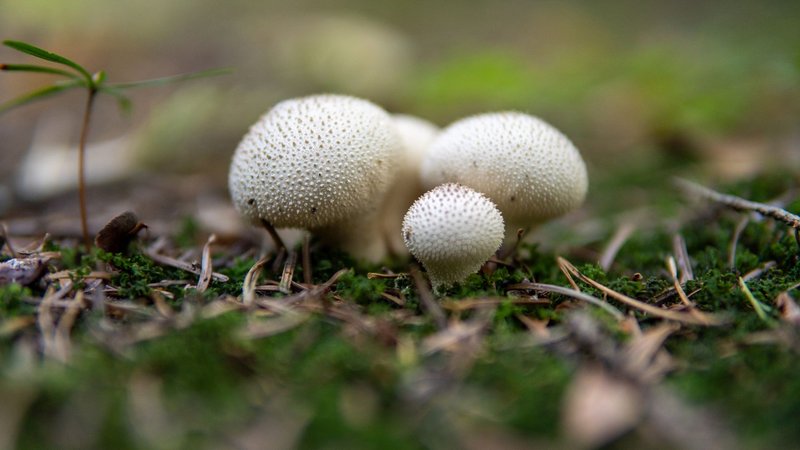
A white ball the size of a football, sometimes a beach ball, sitting in a meadow, pasture edge or hedgerow from late summer into autumn. It has no stem, no gills and no cap. Slice it open: the inside must be pure, uniform white, like firm marshmallow. Any yellow, green, brown or visible shape inside means the spores have started to form and it’s past eating.
Look-alike: a young Amanita, still enclosed in its egg-shaped universal veil. Cut it in half. An Amanita shows the outline of a cap and stem inside, and a puffball shows nothing but white. Earthballs (Scleroderma) are also round, but they have a thick skin and a dark purple-black interior, and they’re mildly toxic.
7. Field mushroom (Agaricus campestris)
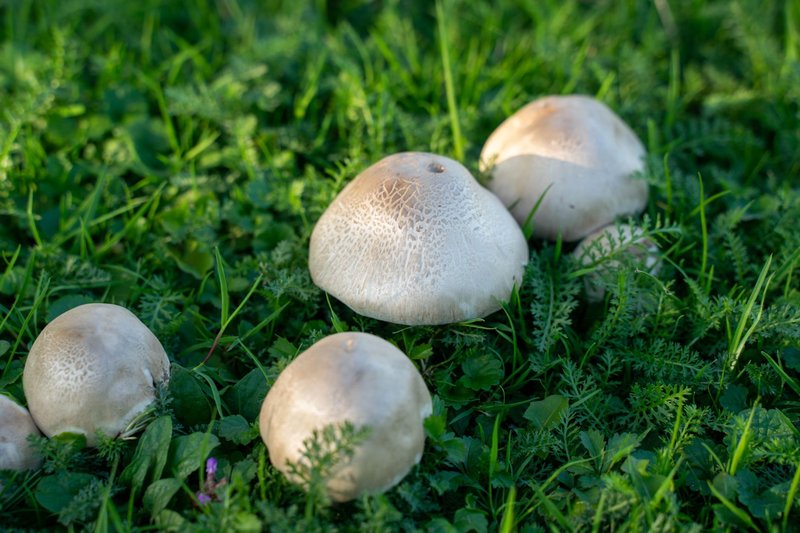
The supermarket mushroom’s wild cousin. The cap is white, 3 to 10 cm, on a short stem with a thin ring. The gills start pink, then darken to chocolate brown. It grows in open grass such as pastures, lawns and meadows, from summer through autumn. It smells properly mushroomy.
Look-alike: death cap and destroying angel (entries 15 and 16). Those have white gills at every age. A field mushroom’s gills are never white once the veil breaks. The second look-alike is the yellow stainer (Agaricus xanthodermus). Scratch the base of its stem and the flesh flashes chrome yellow, and it smells of ink or hospital disinfectant. It causes cramps and vomiting.
8. Shaggy ink cap (Coprinus comatus)
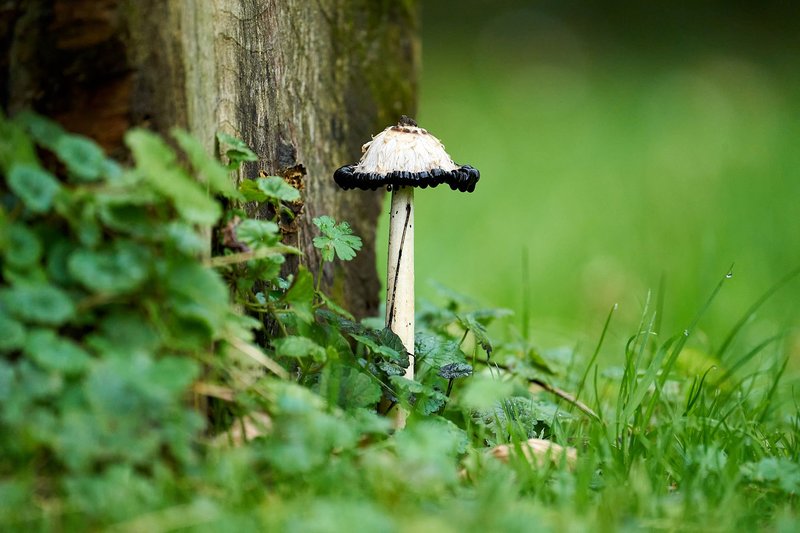
A white, shaggy-scaled, bullet-shaped cap up to 15 cm tall, pushing up through lawns, verges and disturbed soil from spring to late autumn. Pick it while the gills are still white. Within hours the edge turns black and dissolves into ink, and a mushroom that’s started to run is too far gone. Cook it the day you pick it.
Look-alike: the common ink cap (Coprinopsis atramentaria), with a smooth grey-brown cap. It’s edible but reacts with alcohol. Drink anything within a few days of eating it and you can get a flushed face, a racing heart and nausea.
9. Oyster mushroom (Pleurotus ostreatus)
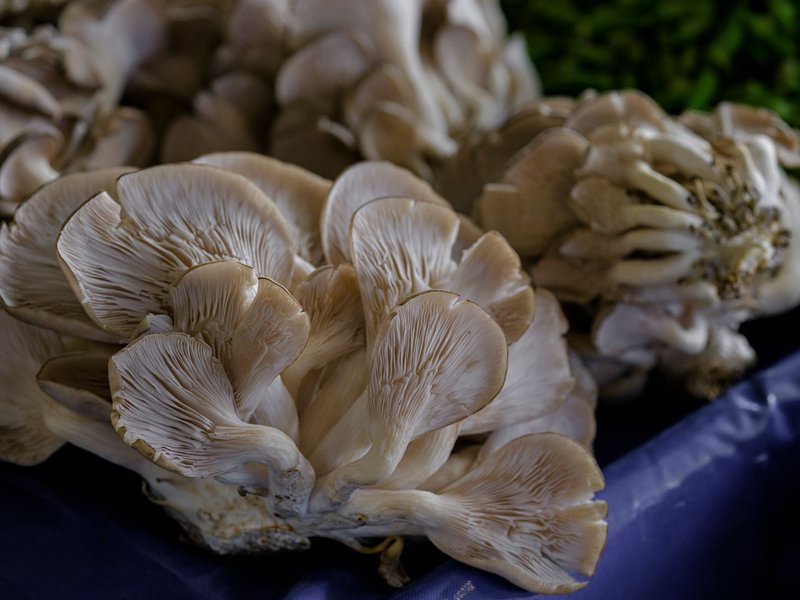
Overlapping shelves in grey, tan or blue-grey on dead and dying hardwoods, especially beech. Caps are 5 to 20 cm. The gills run down onto a very short stem, or none at all, and the spore print is white to pale lilac. In cool weather it fruits from autumn well into winter, and it’s one of the few mushrooms you can pick after a light frost.
Look-alike: angel wings (Pleurocybella porrigens), thin, pure white and found on conifer wood. It has been linked to illness and deaths in Japan, so skip it. Oysters are thicker and fleshier, and they grow on hardwoods.
10. Wood blewit (Lepista nuda)
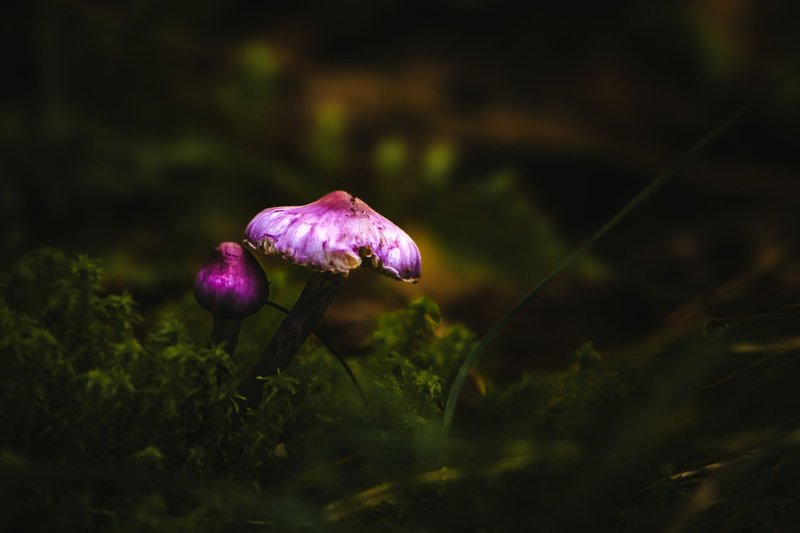
A lilac-violet cap, 6 to 15 cm, with lilac gills and a stout stem, fading to tan with age. It smells fruity, a bit like perfume. Wood blewits turn up in late autumn and early winter in leaf litter, compost and woodland edges, and they’re among the last edible mushrooms of the year.
Look-alike: violet webcaps (Cortinarius species), several of which are toxic and a few of which are deadly (see entry 17). A webcap’s spore print is rusty brown and a cobweb-like veil crosses the gills of young ones. A blewit’s print is pale pinkish-buff.
Edible species at a glance
| Mushroom | Latin name | Season | Where | Key look-alike | The difference |
|---|---|---|---|---|---|
| Chanterelle | Cantharellus cibarius | Summer to autumn | Soil near oak, beech, conifer | Jack-o’-lantern | Blunt ridges, solitary vs sharp gills, clustered on wood |
| Porcini | Boletus edulis | Late summer to autumn | Under spruce, pine, oak, beech | Bitter bolete | White pores, white net vs pink pores, dark net |
| Morel | Morchella spp. | Spring | Elm, ash, old orchards | False morel | Hollow and honeycombed vs brainy and cottony |
| Chicken of the woods | Laetiporus sulphureus | Late spring to autumn | Oak, cherry, willow | Same species on yew or conifers | Check the host tree |
| Hen of the woods | Grifola frondosa | Late summer to autumn | Base of oaks | Giant polypore | Giant polypore blackens when bruised |
| Giant puffball | Calvatia gigantea | Late summer to autumn | Meadows, hedgerows | Young Amanita | Pure white inside vs a cap shape inside |
| Field mushroom | Agaricus campestris | Summer to autumn | Open grass | Death cap, yellow stainer | Pink-to-brown gills vs white gills; no yellow stain |
| Shaggy ink cap | Coprinus comatus | Spring to autumn | Lawns, verges | Common ink cap | Shaggy scales vs smooth cap; alcohol reaction |
| Oyster mushroom | Pleurotus ostreatus | Autumn to winter | Dead hardwood | Angel wings | Thick, grey-tan, hardwood vs thin, white, conifer |
| Wood blewit | Lepista nuda | Late autumn to winter | Leaf litter, compost | Violet webcaps | Pale buff print vs rusty brown |
Poisonous wild mushroom species
These four are unlikely to kill a healthy adult, but they’ll make you miserable, and one of them can do real damage.
11. Fly agaric (Amanita muscaria)
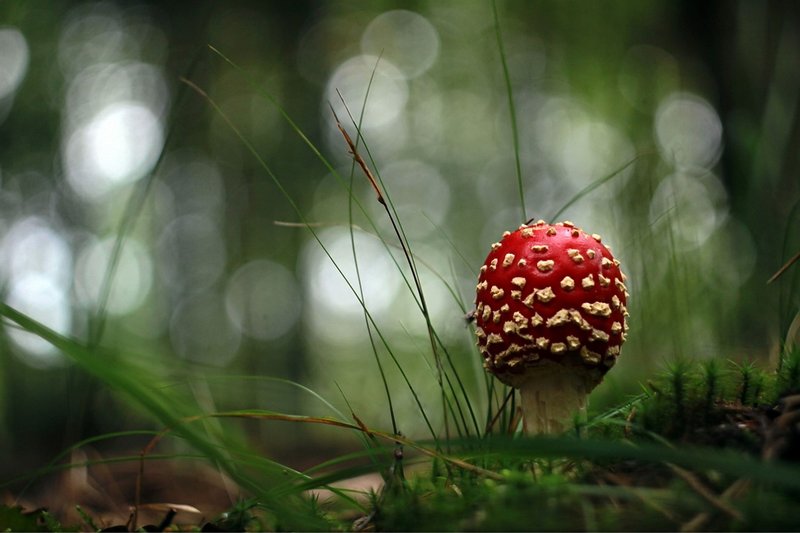
The cartoon toadstool: a red cap, 8 to 20 cm, covered in white warts that rain can wash off, over white gills, a skirt-like ring and a bulbous base ringed with scaly bands. It grows with birch, pine and spruce from late summer to autumn. Western North America also has a yellow-orange form. The toxins (ibotenic acid and muscimol) cause nausea, confusion, drowsiness and muscle twitching within 30 minutes to two hours. Deaths are rare, but the experience isn’t pleasant, and it’s easy to confuse with the edible Caesar’s mushroom (Amanita caesarea) when the warts have washed off. Caesar’s mushroom has a yellow stem and gills. The fly agaric’s are white.
12. Jack-o’-lantern (Omphalotus illudens in eastern North America, O. olearius in southern Europe)
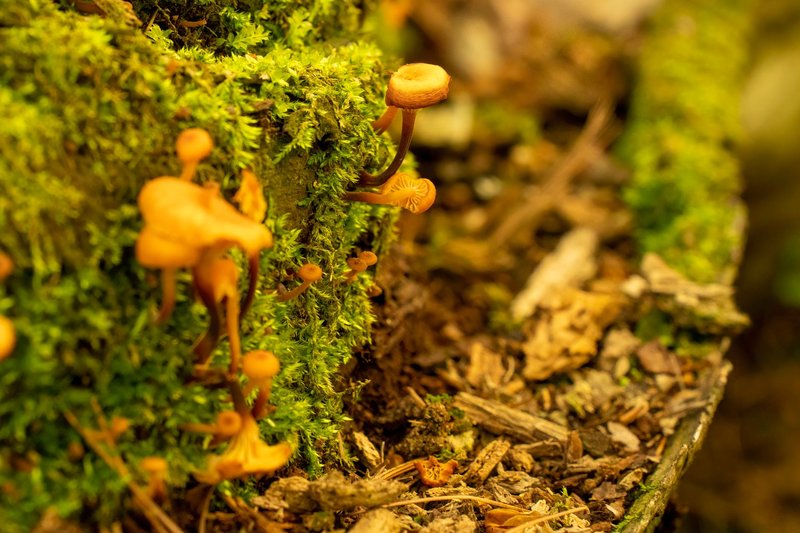
Bright orange, 5 to 15 cm, growing in dense clusters on stumps or buried roots from late summer through autumn. The gills are true, thin and run down the stem. It’s the classic chanterelle mistake, and the result is hours of vomiting, cramps and diarrhea. Check the habitat: chanterelles come out of soil, singly. A tight bunch attached to wood isn’t a chanterelle.
13. Green-spored parasol (Chlorophyllum molybdites)
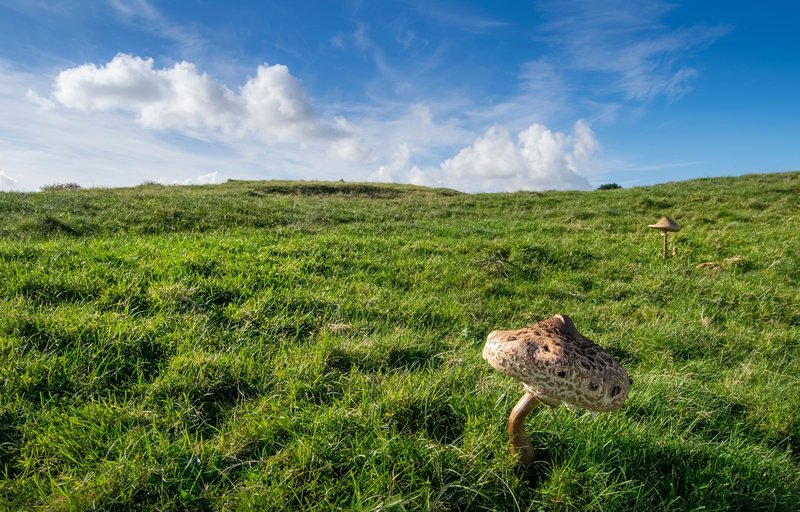
One of the most common causes of mushroom poisoning in North America, mostly in the southern and eastern United States. It’s a big, shaggy white-scaled mushroom, 10 to 30 cm across, that appears in lawns and pastures after summer rain. The gills start white, then turn dull grey-green as the spores ripen. The spore print is green, which no edible parasol produces. It looks very much like the edible parasol (Macrolepiota procera), and people who collect it for dinner usually get violent stomach illness.
14. False morel (Gyromitra esculenta)
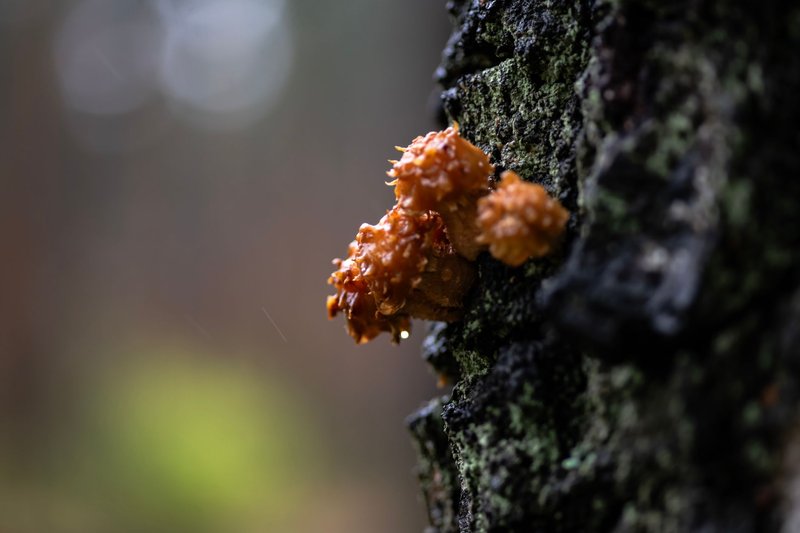
A rust-brown, lobed cap that looks like a wrinkled brain, 4 to 10 cm across, usually under conifers in sandy soil in spring. The cap hangs loosely over the stem instead of fusing to it. Cut one open and the inside is cottony or chambered, never cleanly hollow like a true morel. It contains gyromitrin, which the body converts into a rocket-fuel component (monomethylhydrazine). Symptoms are vomiting, diarrhea, headache and, in bad cases, seizures and liver damage. Some people in Scandinavia and eastern Europe eat it after repeated boiling, but the toxin also escapes as fumes while cooking, and the margin between a meal and a poisoning isn’t predictable. Treat it as off the menu.
Deadly wild mushroom species
Four mushrooms are responsible for most fatal wild mushroom poisonings in temperate regions. Learn them before you learn anything edible.
15. Death cap (Amanita phalloides)
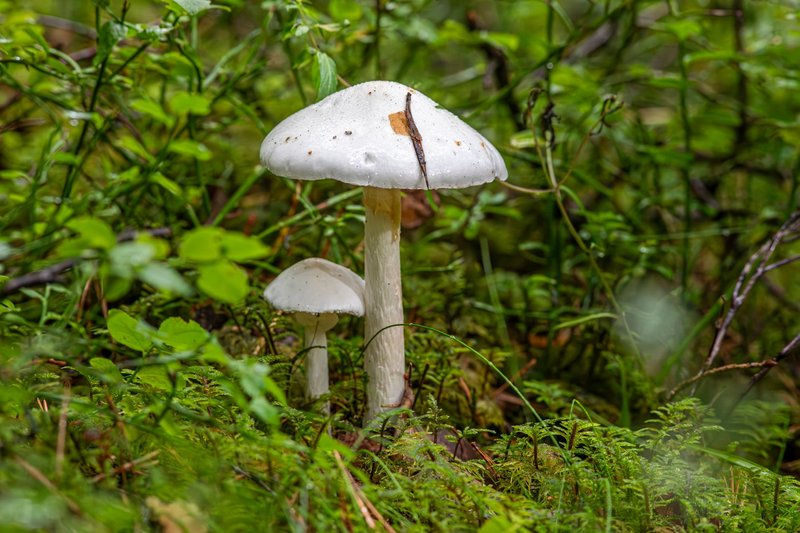
Olive-green to yellowish cap, 5 to 15 cm, smooth, with fine radiating fibres. The gills are white, there’s a skirt-like ring, and at the base a sac-like cup (the volva) that’s often buried. A white form exists. It grows under oak, beech, chestnut and hazel from late summer to autumn. It’s native to Europe and now established in the northeastern US and on the Pacific coast, where it grows under imported and native oaks. The CDC documented a cluster of death cap poisonings in Northern California in early 2016.
Death caps are the dangerous twin for field mushrooms, and in some regions for paddy straw mushrooms (Volvopluteus volvacea), which people from Southeast Asia sometimes pick in North America and Europe. The paddy straw has pinkish spores. The death cap’s spores are white. Both have a sac at the base.
Why it kills: amatoxins. They survive cooking, freezing and drying. Symptoms (vomiting, severe diarrhea) start 6 to 24 hours after eating, then ease for a day or two. It looks like recovery. Liver failure follows. Treatment in hospital works best when it begins before the liver crashes.
16. Destroying angel (Amanita bisporigera, A. ocreata, A. virosa)
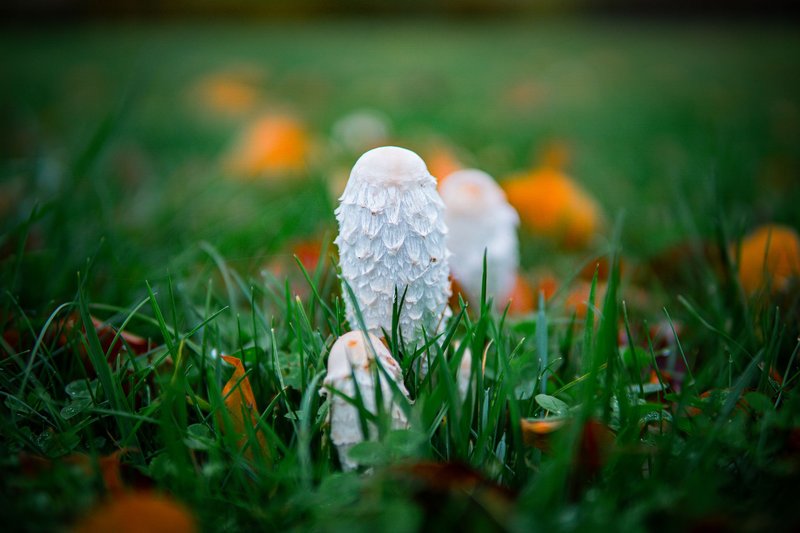
A pure white mushroom with white gills, a delicate ring and a sac-like volva, 5 to 12 cm across. A. bisporigera grows in eastern North American woods, A. ocreata on the West Coast, and A. virosa in Europe. All are summer-to-autumn species. They carry the same amatoxins as the death cap. They’re often picked by mistake as button mushrooms, horse mushrooms or meadow mushrooms. The rule that prevents it: all-white gills plus a ring plus a volva is a stop sign. Don’t eat anything white with white gills unless an expert has identified it in person.
17. Deadly webcap (Cortinarius rubellus)
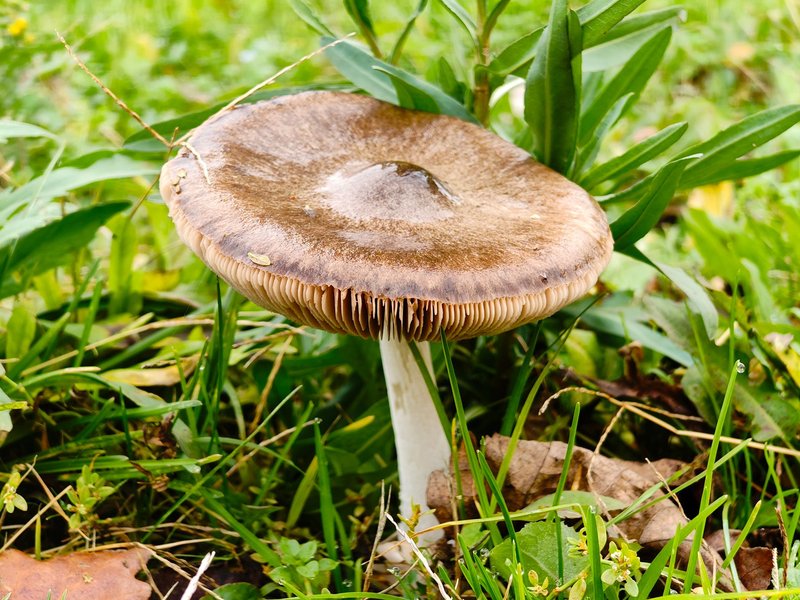
A small, orange-brown cap, 3 to 8 cm, with a distinct pointed bump, rusty-brown gills and a rusty spore print. It grows in acidic conifer woods, among moss, from late summer to autumn, in Europe and North America. A related species, the fool’s webcap (C. orellanus), is also deadly. They contain orellanine, which destroys the kidneys. The problem is the delay. Symptoms can take anywhere from 2 to 20 days to show up, so most victims don’t connect the illness to the meal. They’ve been mistaken for chanterelles and for edible webcaps.
18. Funeral bell or deadly galerina (Galerina marginata)
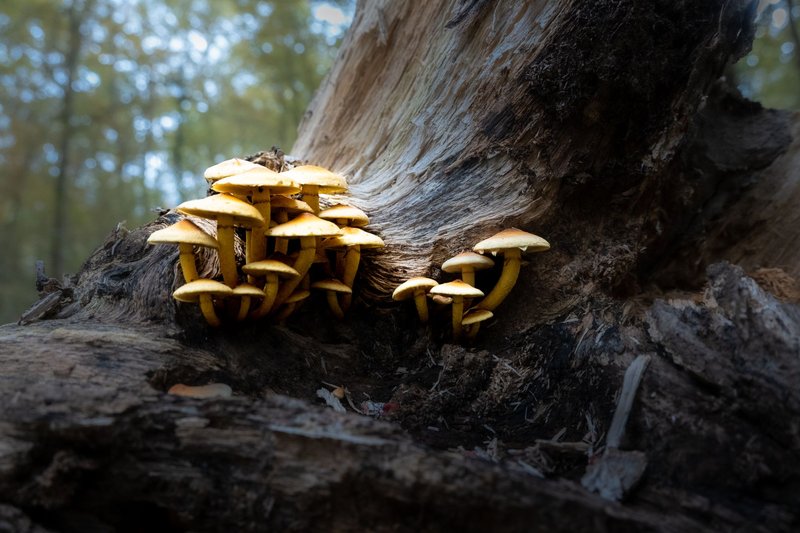
A small honey-brown mushroom, 2 to 6 cm, on rotting wood, often in clusters. It has a thin ring on the stem and rusty-brown gills. It fruits from autumn into winter, mostly on conifer logs. It has the same amatoxins as the death cap, in a package that looks like nothing. It’s confused with honey mushrooms (white spore print) and with small brown “magic mushrooms” (Psilocybe) that grow on wood chips. The tell is a rusty-brown spore print and a ring. Never pick small brown mushrooms off wood to eat. The risk is far bigger than the reward.
What to do after a suspected poisoning
Most top guides skip this. Don’t wait for symptoms. Amatoxin and orellanine poisoning can feel mild at first, and the damage is already done by the time you’re sick.
- Call for help immediately. In the US, call Poison Control on 1-800-222-1222. In the UK, call NHS 111, or 999 if the person is drowsy, confused, convulsing or struggling to breathe. In other countries, call your local poison centre or emergency number.
- Keep what’s left. Save raw leftovers, cooked leftovers and any trimmings, in a paper bag or container, and take them with you. If you can, take photos of the mushroom where it grew. Identifying the species lets doctors choose treatment faster.
- Note the timing. Write down when you ate the mushroom and when the first symptoms started. Symptoms that begin six hours or more after eating point toward the worst toxins, so tell the doctor.
- Don’t induce vomiting or try home remedies. Do what the poison centre tells you.
- Alert everyone who ate it. People who shared the meal and feel fine still need to be checked.
Summary
The safest approach to wild mushroom species is a short list learned well. Start with two or three from the edible group that have clear, checkable features: a puffball sliced open, a hollow morel, a chanterelle with blunt ridges. Learn the death cap, the destroying angel, the deadly webcap and the galerina before you eat anything else. Take spore prints, dig up the base, and get every new species confirmed by someone who knows your local fungi in person. A good meal isn’t worth a liver.