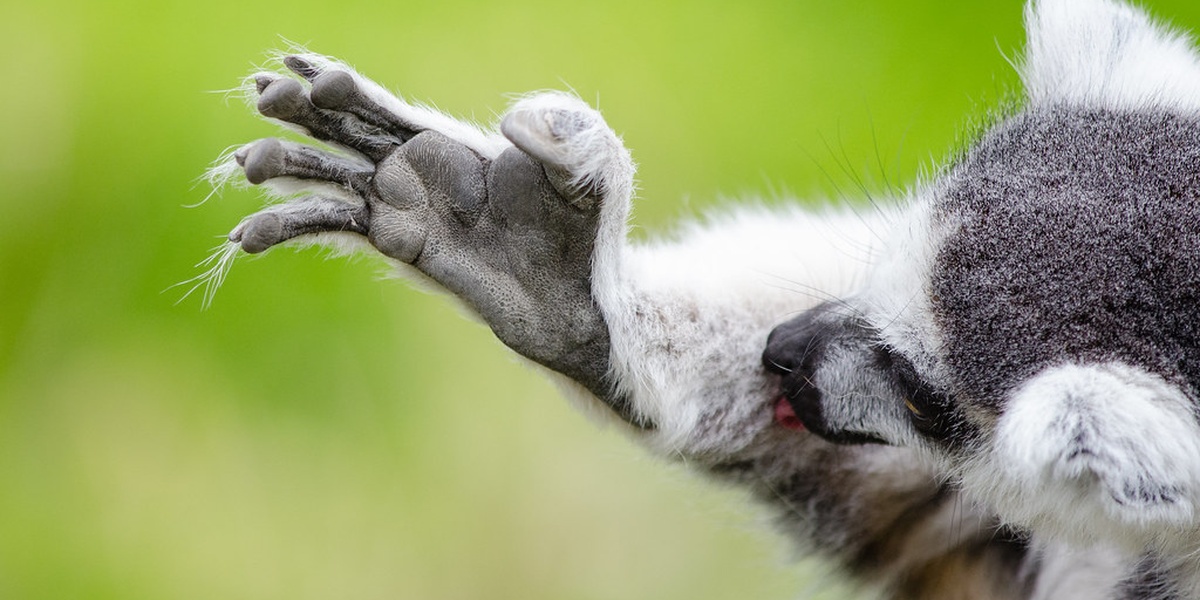
Madagascar’s island ecosystems are unlike anywhere else on Earth, sheltering a web of plants and animals shaped by long isolation. From spiny forests to rainforests and coastal mangroves, the island’s wildlife tells the story of evolution in a confined, varied landscape that draws naturalists and curious travelers alike.
There are 52 Madagascar’s native animals, ranging from the Aye-aye to Verreaux’s sifaka. For each entry you’ll find below the data organized as Scientific name, Endemic, IUCN status so you can quickly see taxonomy, whether a species is unique to the island, and its conservation risk—information useful for research, travel planning, or supporting protection efforts you’ll find below.
How can I tell which species are only found in Madagascar?
Check the “Endemic” column in the list; it flags species exclusive to Madagascar. Those marked endemic are not naturally found elsewhere, which helps prioritize visitors’ sightings and gives conservationists a clear focus for protection and habitat management.
How reliable is the IUCN status in the list for current conservation planning?
The IUCN status offers a standardized snapshot of extinction risk but can change as new assessments occur; use it as a starting point, then consult the latest IUCN Red List entries or local conservation groups for up-to-date guidance before making management or travel decisions.
Madagascar’s Native Animals
| Common name | Scientific name | Endemic | IUCN status |
|---|---|---|---|
| Ring-tailed lemur | Lemur catta | Yes | Endangered |
| Indri | Indri indri | Yes | Critically Endangered |
| Coquerel’s sifaka | Propithecus coquereli | Yes | Endangered |
| Verreaux’s sifaka | Propithecus verreauxi | Yes | Endangered |
| Aye-aye | Daubentonia madagascariensis | Yes | Endangered |
| Black-and-white ruffed lemur | Varecia variegata | Yes | Critically Endangered |
| Golden bamboo lemur | Hapalemur aureus | Yes | Critically Endangered |
| Brown lemur | Eulemur fulvus | Yes | Vulnerable |
| Gray mouse lemur | Microcebus murinus | Yes | Least Concern |
| Diademed sifaka | Propithecus diadema | Yes | Critically Endangered |
| Greater bamboo lemur | Prolemur simus | Yes | Critically Endangered |
| Fat-tailed dwarf lemur | Cheirogaleus medius | Yes | Least Concern |
| Red ruffed lemur | Varecia rubra | Yes | Endangered |
| Milne-Edwards’ sportive lemur | Lepilemur edwardsi | Yes | Endangered |
| Fossa | Cryptoprocta ferox | Yes | Vulnerable |
| Malagasy civet (fanaloka) | Eupleres goudotii | Yes | Near Threatened |
| Malagasy giant rat (votsotsa) | Hypogeomys antimena | Yes | Endangered |
| Lowland streaked tenrec | Hemicentetes semispinosus | Yes | Least Concern |
| Common tenrec | Tenrec ecaudatus | Yes | Least Concern |
| Madagascar flying fox | Pteropus rufus | Yes | Endangered |
| Madagascar fish eagle | Haliaeetus vociferoides | Yes | Critically Endangered |
| Madagascar pochard | Aythya innotata | Yes | Critically Endangered |
| Helmet vanga | Euryceros prevostii | Yes | Vulnerable |
| Sickle-billed vanga | Falculea palliata | Yes | Vulnerable |
| Madagascar paradise flycatcher | Terpsiphone mutata | Yes | Least Concern |
| Blue coua | Coua caerulea | Yes | Least Concern |
| Cuckoo-roller | Leptosomus discolor | No | Least Concern |
| Pitta-like ground roller | Atelornis pittoides | Yes | Near Threatened |
| Madagascar buzzard | Buteo brachypterus | Yes | Least Concern |
| Panther chameleon | Furcifer pardalis | Yes | Least Concern |
| Parson’s chameleon | Calumma parsonii | Yes | Near Threatened |
| Satanic leaf-tailed gecko | Uroplatus phantasticus | Yes | Near Threatened |
| Flat-tailed leaf-tailed gecko | Uroplatus fimbriatus | Yes | Near Threatened |
| Ploughshare tortoise (angonoka) | Astrochelys yniphora | Yes | Critically Endangered |
| Radiated tortoise | Astrochelys radiata | Yes | Critically Endangered |
| Madagascar big-headed turtle | Erymnochelys madagascariensis | Yes | Critically Endangered |
| Madagascar ground boa | Acrantophis madagascariensis | Yes | Vulnerable |
| Madagascar tree boa | Sanzinia madagascariensis | Yes | Vulnerable |
| Madagascar day gecko | Phelsuma madagascariensis | Yes | Least Concern |
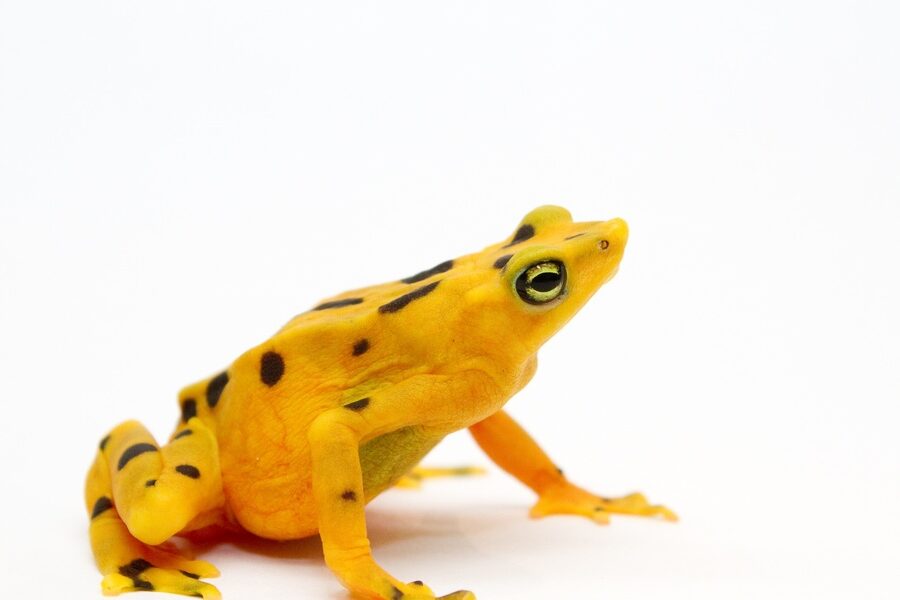
| Golden mantella | Mantella aurantiaca | Yes | Critically Endangered |
| Tomato frog | Dyscophus antongilii | Yes | Near Threatened |
| Baron’s mantella | Mantella baroni | Yes | Least Concern |
| Boophis treefrog | Boophis madagascariensis | Yes | Least Concern |
| Comet moth | Argema mittrei | Yes | Not Evaluated |
| Giraffe weevil | Trachelophorus giraffa | Yes | Not Evaluated |
| Madagascar hissing cockroach | Gromphadorhina portentosa | Yes | Not Evaluated |
| Giant pill millipede | Zoosphaerium spp. | Yes | Not Evaluated |
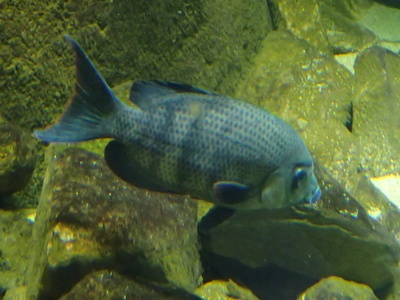
| Menarambo cichlid | Paretroplus menarambo | Yes | Critically Endangered |
| Red-tailed paradise fish (Madagascar rainbowfish) | Bedotia geayi | Yes | Endangered |
| Sakaramy killifish | Pachypanchax sakaramyi | Yes | Endangered |
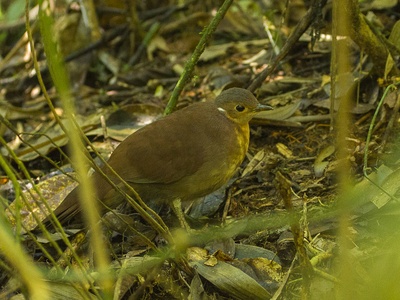
| Brown mesite | Mesitornis unicolor | Yes | Endangered |
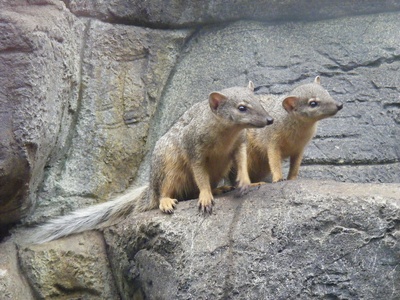
| Narrow-striped mongoose | Mungotictis decemlineata | Yes | Endangered |
Images and Descriptions
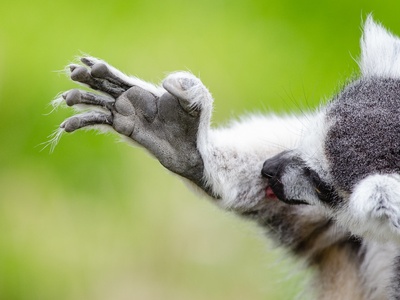
Ring-tailed lemur
Iconic southern species found in spiny forests and gallery woodlands, about 2–3 kg with a long black-and-white ringed tail. Highly social and diurnal, it’s a favorite of visitors but threatened by habitat loss and hunting.
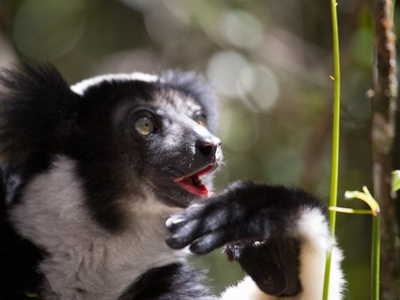
Indri
Largest living lemur of eastern rainforests, 6–9 kg, black-and-white and tailless with haunting, resonant calls. A cultural and ecological flagship species, critically threatened by deforestation and fragmentation.
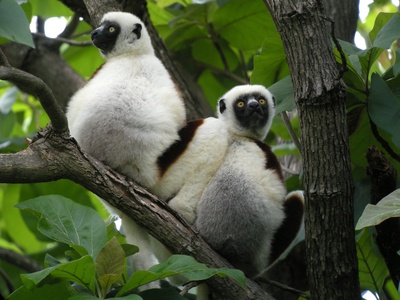
Coquerel’s sifaka
Found in western dry and deciduous forests, around 4–5 kg, white with dark face. Famous for its vertical clinging and “dancing” sideways hops on the ground; vulnerable to logging and hunting.
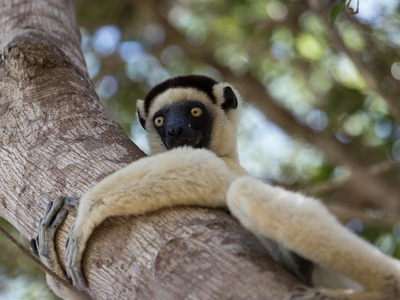
Verreaux’s sifaka
Resident of southern and western dry forests and spiny bush, 3–4 kg, white coat and dark face. Recognizable for spectacular leaping and upright hopping; threatened by habitat clearance and fragmentation.
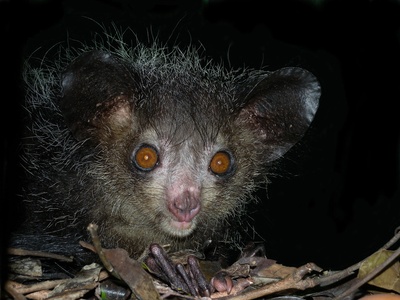
Aye-aye
Nocturnal, solitary lemur from rainforests and coastal woods, 2–3 kg, rodent-like teeth and an elongated middle finger used to extract insect larvae. Elusive and often persecuted due to cultural myths.
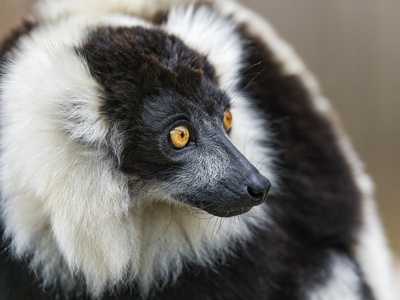
Black-and-white ruffed lemur
Canopy specialist of eastern rainforests, 3–4 kg, striking black-and-white ruff and loud calls. A major seed disperser for large-fruited trees and highly threatened by hunting and habitat loss.
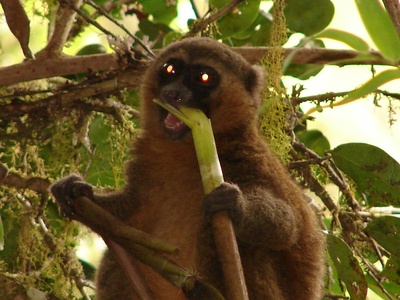
Golden bamboo lemur
Small lemur of bamboo stands in eastern upland forests, about 1.1 kg, golden-rust fur and specialized bamboo diet, able to tolerate cyanide-rich shoots. Very restricted range and highly endangered.
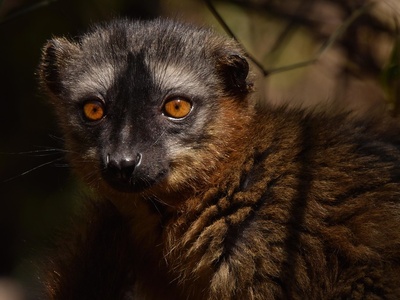
Brown lemur
Widespread in varied forest types across Madagascar, 2–3 kg, generally brown fur with subtle sexual differences. Adaptable but declining from habitat conversion and hunting in parts of its range.
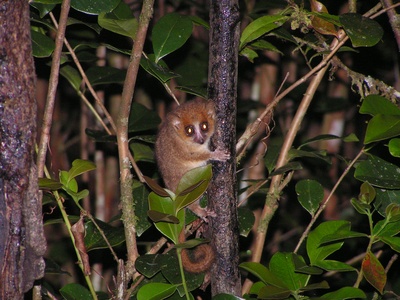
Gray mouse lemur
Tiny nocturnal primate found widely in dry and humid forests, 60–90 g, large eyes and rapid breeding. Often active in gardens and edge habitats, useful for studies of primate ecology.
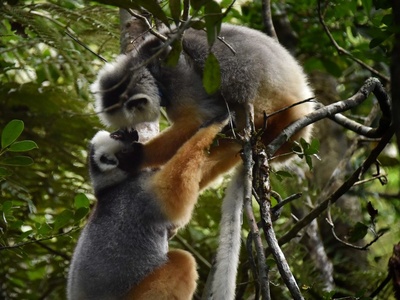
Diademed sifaka
Large, striking sifaka of eastern rainforests, up to ~6 kg with cream, orange and dark facial markings. Spectacular leaper threatened by logging, fragmentation and hunting across its narrow range.
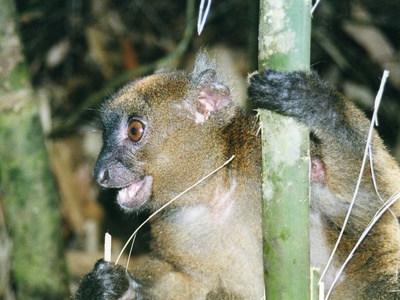
Greater bamboo lemur
Rare bamboo specialist of eastern forests, medium-sized (approx. 1.5–2 kg), feeds heavily on bamboo shoots and is critically endangered due to habitat loss and its very restricted distribution.
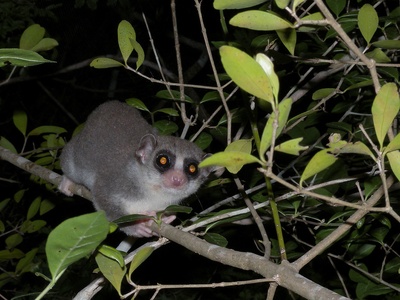
Fat-tailed dwarf lemur
Small nocturnal lemur of western dry forests, about 150 g, stores fat in its tail and hibernates in tree holes during dry seasons. Fascinating seasonal physiology and relatively tolerant of degraded habitats.
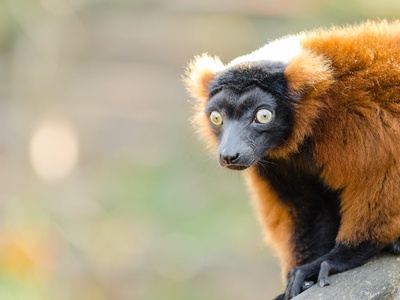
Red ruffed lemur
Restricted to Masoala Peninsula rainforests, 3–4 kg, deep red fur with black-and-white patterning and loud raucous calls. Key seed disperser for canopy trees and threatened by habitat loss.
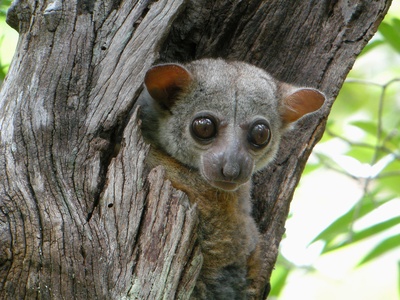
Milne-Edwards’ sportive lemur
Nocturnal canopy lemur from western dry and gallery forests, about 1 kg, cryptic brown-gray fur and strong hind legs for leaping. Vulnerable to deforestation and fragmentation.
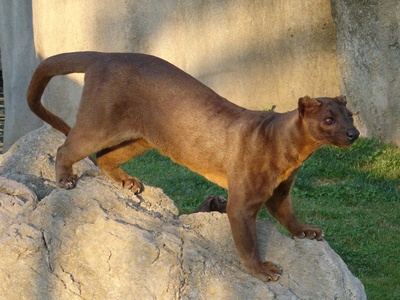
Fossa
Largest native carnivore on Madagascar, found across varied forests, 5–8 kg, cat-like body with flexible spine. Apex predator that hunts lemurs and small mammals, declining with forest loss and persecution.
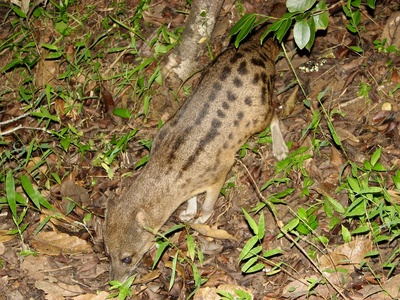
Malagasy civet (fanaloka)
Small, secretive carnivore of moist forests and dry scrub, 1–2 kg, pointed snout and spotted coat. Important mesopredator and indicator of healthy forest, sensitive to habitat degradation.
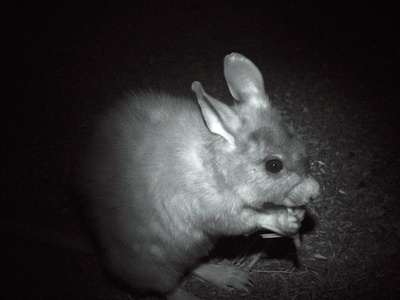
Malagasy giant rat (votsotsa)
Large burrowing rodent of western dry deciduous forests and scrub, up to ~1 kg, nocturnal and lives in family groups. Endangered from agricultural expansion and hunting.
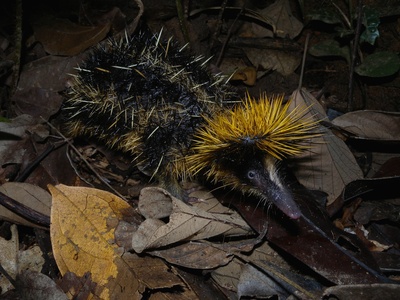
Lowland streaked tenrec
Distinctive black-and-yellow-striped insectivorous tenrec of eastern rainforests, 200–300 g, with coarse spines and ability to stridulate. Fascinating convergent form like hedgehogs but unique to Madagascar.
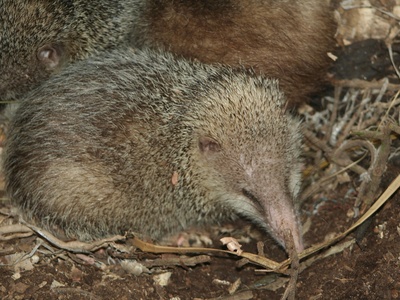
Common tenrec
Widespread, variable tenrec found in forests and savannas, 1–2 kg, hedgehog-like appearance with spines in some populations; omnivorous and adaptable to a range of habitats.
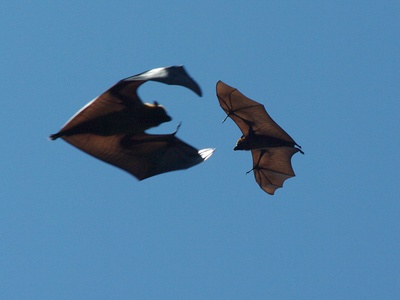
Madagascar flying fox
Large fruit bat of coastal and lowland forests, wingspan over 1 m and body weight up to 1 kg. Important seed disperser and pollinator but hunted and lost habitat—populations are declining.
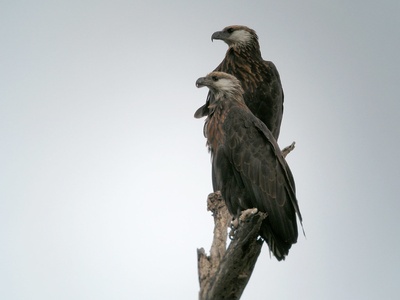
Madagascar fish eagle
Huge coastal and lake raptor with ~1.5–2 m wingspan found on northwest and east coast waterways. One of the world’s rarest birds, with few breeding pairs left and urgent conservation needs.

Madagascar pochard
Small diving duck once nearly extinct, now limited to a few highland lakes and marshes after reintroduction programs. Rare, secretive, and a flagship species for freshwater conservation.
Helmet vanga
Striking vanga of humid eastern forests with a large blue bill and helmet-like crest, medium-sized and highly specialized. Forest specialist vulnerable to logging and fragmentation.
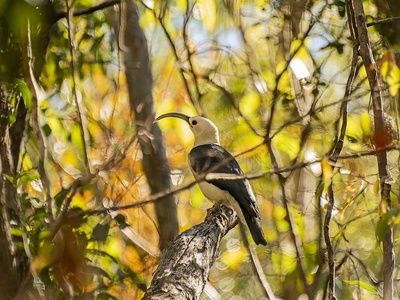
Sickle-billed vanga
Unusual ground-foraging vanga of eastern rainforests, large hooked bill and distinctive plumage, often heard before seen. Vulnerable due to habitat loss and limited range.
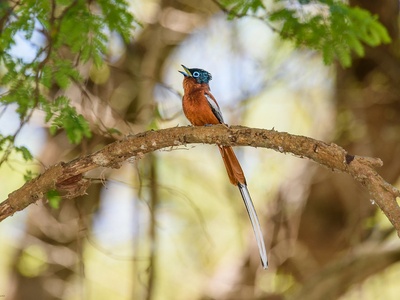
Madagascar paradise flycatcher
Graceful flycatcher of forests and woodlands across the island; male has long tail streamers and striking plumage. Common in suitable habitat and a delight for birdwatchers.
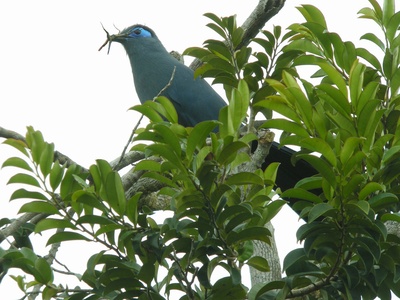
Blue coua
Medium-sized forest bird of eastern rainforests, pale blue-grey plumage and long tail. A member of the endemic coua group, often seen hopping through mid-canopy and feeding on fruits and insects.
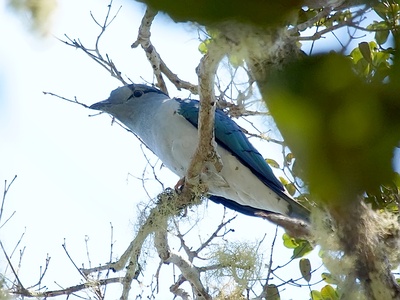
Cuckoo-roller
Unique, chunky bird of Madagascar and the Comoros, 30–40 cm, iridescent plumage and heavy bill. Taxonomically distinct as the sole member of its family and found across many forest types.
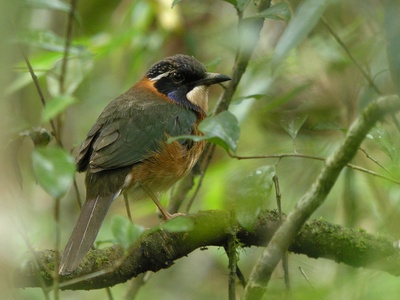
Pitta-like ground roller
Shy and terrestrial ground roller of montane and humid forests, compact brown and chestnut plumage with pitta-like behavior. Ground-dwelling and sensitive to habitat disturbance.
Madagascar buzzard
Common forest and open-country raptor across Madagascar, medium-sized brown hawk often seen perched roadside. Adaptable predator important for controlling small mammal and bird populations.
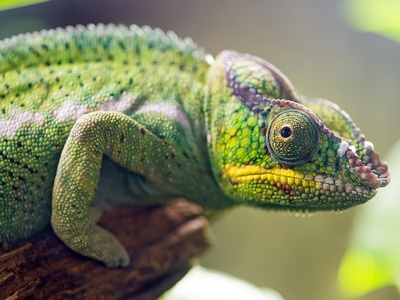
Panther chameleon
Spectacular, variable chameleon found in eastern, northern and western forests, 30–60 cm including tail, with regionally distinct color morphs. Popular with photographers but susceptible to illegal collection.
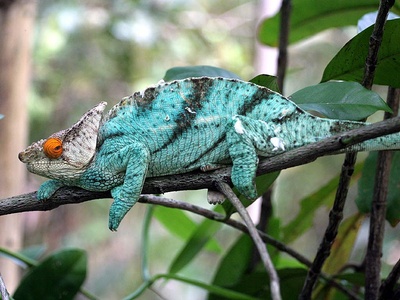
Parson’s chameleon
One of the largest chameleons from eastern rainforests, up to ~68 cm, heavyset with prominent casque. Slower life history and vulnerable to habitat loss and collection for pet trade.
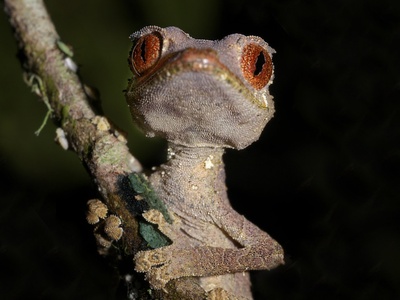
Satanic leaf-tailed gecko
Tiny nocturnal gecko of humid forests with incredible dead-leaf camouflage, 10–15 cm including tail. A master of disguise often seen clinging to bark at night.
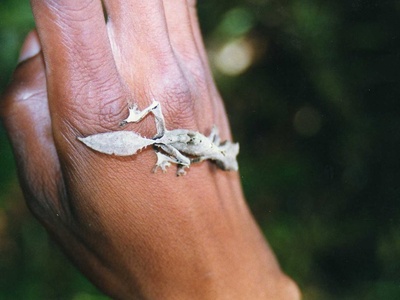
Flat-tailed leaf-tailed gecko
Large, flattened nocturnal gecko from eastern rainforests, superb bark camouflage with fringed edges and broad leaf-like tail. Vulnerable to logging and collection for trade.
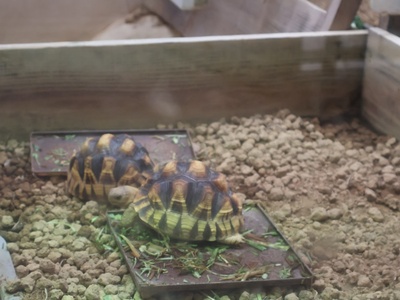
Ploughshare tortoise (angonoka)
Very rare tortoise of dry northwestern forests and scrub, medium-sized with a high domed shell; critically endangered by illegal collection and habitat loss.
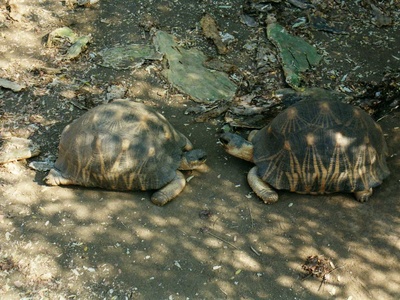
Radiated tortoise
Southern spiny forests specialist with dramatic star-patterned shell, medium-sized and slow-growing. Highly prized in illegal pet trade and culturally important, facing severe declines.
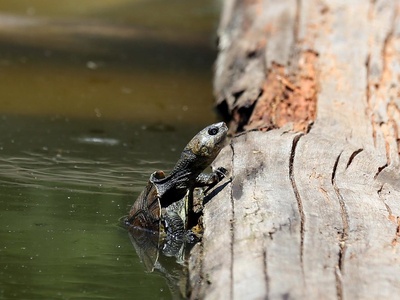
Madagascar big-headed turtle
Freshwater turtle of rivers, lakes and marshes in western Madagascar, large head and heavy shell. Critically endangered from habitat loss, hunting and capture for trade.
Madagascar ground boa
Heavy-bodied terrestrial boa inhabiting dry forests and scrub, up to ~2–3 m, ambush predator of mammals and birds. Threatened by habitat conversion and persecution.
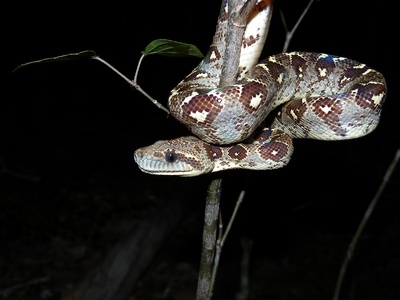
Madagascar tree boa
Arboreal boa of eastern rainforests, greenish adults with vertical pupils and prehensile tail. Feeds on birds and mammals and is sensitive to forest loss and the pet trade.
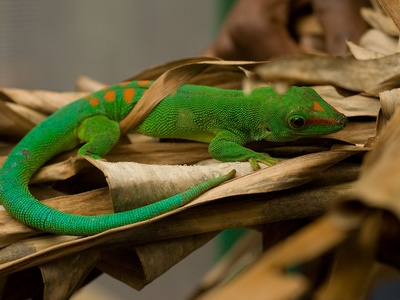
Madagascar day gecko
Bright diurnal gecko of coastal forests and gardens, 10–15 cm, vivid green with red markings. Common and eye-catching, often seen on tree trunks and buildings in coastal zones.
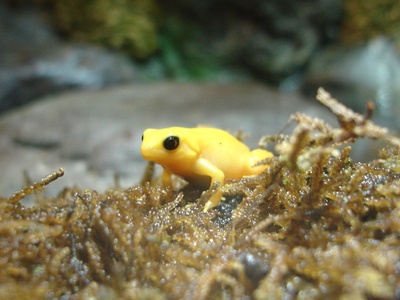
Golden mantella
Tiny, brilliantly orange frog of eastern swampy forest near Moramanga, 2–3 cm. Toxic skin alkaloids, highly sought after in the pet trade and severely threatened by habitat loss.
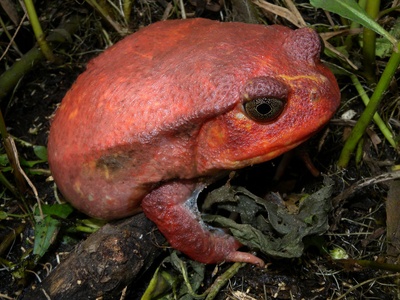
Tomato frog
Large, squat orange-red frog of northeastern marshes and forest edges, secretes sticky toxins when stressed. Common in some protected areas but threatened by wetland loss and collection.
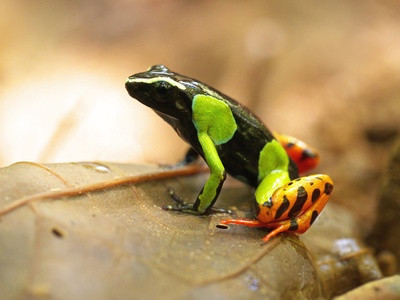
Baron’s mantella
Small, colorful poison frog of eastern rainforests, green or black with bright markings and active by day. A showy species often seen near streams and leaf litter.
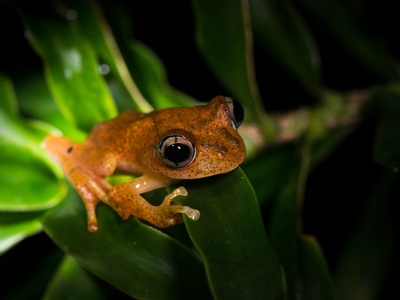
Boophis treefrog
Representative bright-eyed treefrog of eastern rainforests, medium-sized with large eyes and patterned limbs. Nocturnal and often heard calling near forest streams, an indicator of healthy waterways.
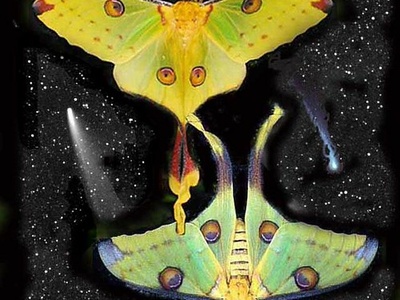
Comet moth
Spectacular giant silk moth from eastern rainforests with long tail streamers and wingspan up to ~20 cm. Adults live briefly, making caterpillar host-plant conservation crucial for species persistence.
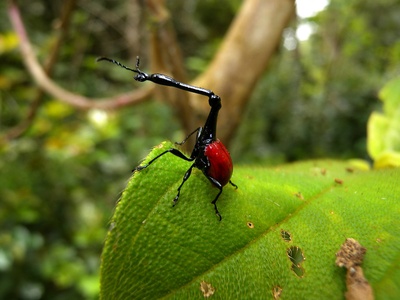
Giraffe weevil
Odd-looking insect from eastern forests with an elongated neck in males used in nest building and combat. Striking red and black coloration makes it a popular subject for photographers and naturalists.
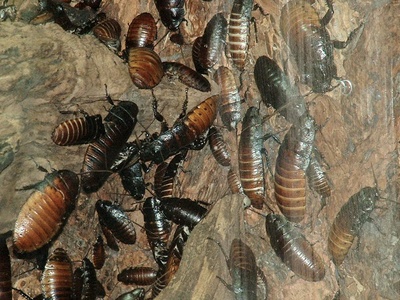
Madagascar hissing cockroach
Large, wingless forest cockroach famous for audible hissing used in defense and communication. Robust and easy to observe in leaf litter and deadwood in several habitats.
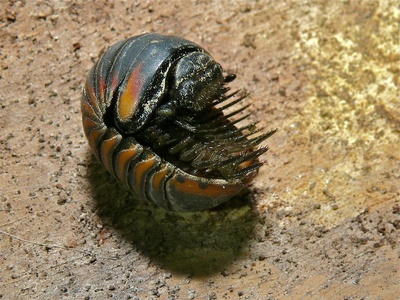
Giant pill millipede
Large, round pill millipedes of humid forests that roll into tight balls when disturbed. Endemic leaf-litter detritivores important for nutrient cycling and often restricted to single forest blocks.
Menarambo cichlid
Endemic freshwater cichlid once common in lowland lakes and marshes; round-bodied and pale. Now restricted to small waters and captive-breeding programs aim to prevent extinction.
Red-tailed paradise fish (Madagascar rainbowfish)
Colorful freshwater fish of eastern rivers and streams, males with red fins and slender bodies. Localized, threatened by habitat degradation and introduced species.
Sakaramy killifish
Small, colorful killifish from western rivers and ponds, males brightly patterned. Restricted range and threatened by habitat loss and invasive fish species.
Brown mesite
Secretive, ground-dwelling bird of western dry forests and understory, chunky and brown with cryptic plumage. Rare and threatened by habitat conversion and hunting, prized by birdwatchers for sightings.
Narrow-striped mongoose
Small, slender carnivore of western dry deciduous forest, distinctive narrow dorsal stripes and long body. Diurnal hunting specialist threatened by loss of dry forest and fragmentation.