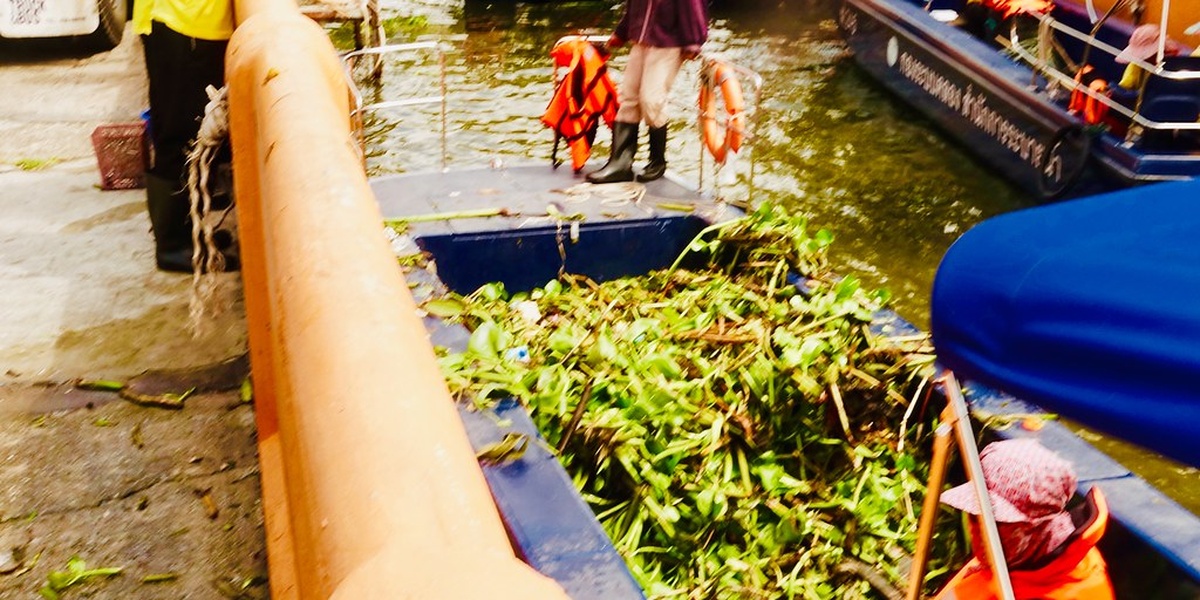
Pakistan’s landscapes—from coastal mangroves and Indus floodplains to high mountain streams—support a wide mix of native and non-native species. Human activity, trade and changing climates have allowed some outsiders to establish, altering ecosystems, fisheries and public health in different provinces.
There are 20 Invasive Species in Pakistan, ranging from African catfish to Yellow fever mosquito; for each entry I list Scientific name,Origin (region),Pakistan regions — you’ll find below.
How were these 20 species chosen for the list?
They were selected based on records of establishment or repeated introduction in Pakistan from government reports, peer-reviewed studies and monitoring programs, prioritizing species with documented ecological, economic or health impacts; the goal was to present a concise, evidence-based list rather than every occasional sighting.
What should I do if I spot African catfish or Yellow fever mosquito near me?
Note date, exact location and take clear photos if safe, avoid moving specimens, and report sightings to your provincial fisheries or wildlife office for fish and to municipal public health/vector-control services for mosquitoes—include the Scientific name if known or photos, as these details speed follow-up and help track spread.
Invasive Species in Pakistan
| Name | Scientific name | Origin (region) | Pakistan regions |
|---|---|---|---|
| Mesquite | Prosopis juliflora | Americas (Mexico/South America) | Sindh,Punjab,Balochistan |
| Lantana | Lantana camara | Central/South America | Sindh,Punjab,Khyber Pakhtunkhwa,Balochistan |
| Parthenium weed | Parthenium hysterophorus | Americas (Mexico) | Sindh,Punjab,Khyber Pakhtunkhwa,Balochistan |
| Water hyacinth | Eichhornia crassipes | South America | Sindh,Punjab,Khyber Pakhtunkhwa |
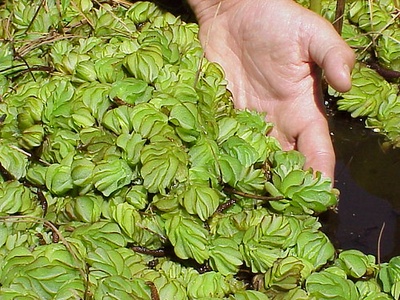
| Giant salvinia | Salvinia molesta | South America | Sindh,Punjab |
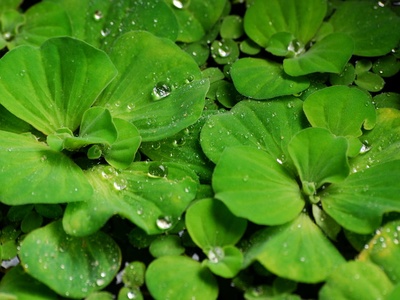
| Water lettuce | Pistia stratiotes | Tropical Americas/Africa | Sindh,Punjab |
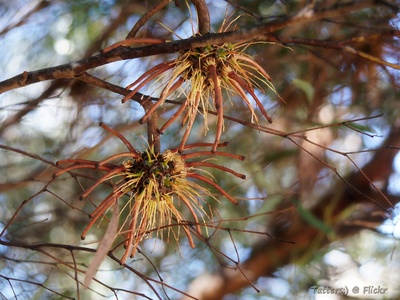
| Eucalyptus | Eucalyptus camaldulensis | Australia | Punjab,Sindh,Balochistan |
| Fall armyworm | Spodoptera frugiperda | Americas | Punjab,Sindh,Khyber Pakhtunkhwa |
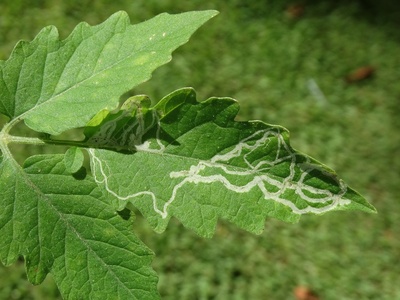
| Tomato leafminer | Tuta absoluta | South America | Sindh,Punjab |
| Cotton mealybug | Phenacoccus solenopsis | Americas | Punjab,Sindh,Balochistan,Khyber Pakhtunkhwa |
| Nile tilapia | Oreochromis niloticus | Nile Basin (Africa) | Sindh,Punjab (lakes,reservoirs) |
| Mosquitofish | Gambusia affinis | Eastern North America | Punjab,Sindh (canals,ponds) |
| African catfish | Clarias gariepinus | Africa | Punjab,Sindh (rivers,ponds) |
| Common carp | Cyprinus carpio | East/Central Asia (Eurasia) | Rivers and reservoirs nationwide |
| Yellow fever mosquito | Aedes aegypti | Africa | Urban areas across Sindh,Punjab,Khyber Pakhtunkhwa |
| Asian tiger mosquito | Aedes albopictus | Southeast Asia | Punjab,Sindh,Khyber Pakhtunkhwa |
| Red palm weevil | Rhynchophorus ferrugineus | Southeast Asia | Sindh,Balochistan,Punjab (date-growing zones) |
| Whitefly (crop complex) | Bemisia tabaci | Tropical Americas/Global invasive | Punjab,Sindh,Khyber Pakhtunkhwa |
| Buffel grass | Cenchrus ciliaris | Africa/Arabia | Balochistan,Sindh,Punjab rangelands |
| Prickly pear | Opuntia ficus-indica | Mexico/Central America | Balochistan,Sindh (arid zones) |
Images and Descriptions

Mesquite
Tough shrub/tree planted for fuel and fencing that has spread across arid lands. It outcompetes native vegetation, lowers groundwater, reduces pasture quality and creates thorny thickets; control is costly (mechanical removal, follow-up herbicide/replanting).
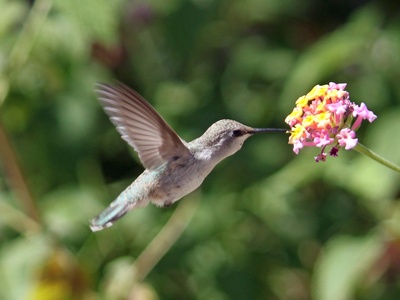
Lantana
Aggressive shrub invading disturbed sites, roadsides and forest edges. Forms dense stands that suppress native plants, reduce pasture value and harbor pests; control uses manual removal, herbicides and targeted restoration.
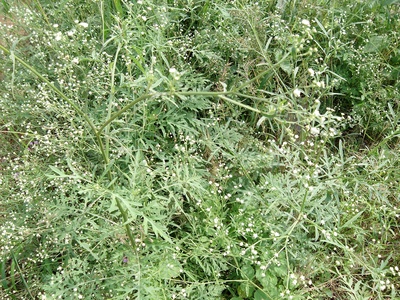
Parthenium weed
Fast-spreading annual weed now widespread in fields, roadsides and towns. Causes major crop yield losses, severe allergic dermatitis and asthma in people, and livestock poisoning; management requires integrated approaches including biocontrol and community removal.
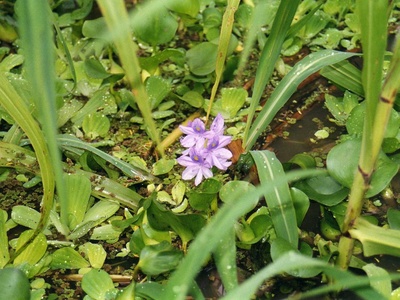
Water hyacinth
Floating aquatic plant choking canals, reservoirs and wetlands. Blocks irrigation, reduces fisheries and water quality, and increases mosquito habitat; control is mechanical removal, dredging and biological agents where feasible.
Giant salvinia
Fast-growing floating fern recorded in lakes and canals. Forms dense mats that reduce oxygen, harm fish and block waterways; local eradication relies on removal and biocontrol trials, but re-infestation is common.
Water lettuce
Free-floating plant found in slow-moving waters and reservoirs. Congests waterways similar to hyacinth, harming fisheries and irrigation; control mirrors hyacinth strategies and needs early action to prevent spread.
Eucalyptus
Widely planted for timber and fuel; these trees alter soil chemistry, are water-demanding, and can suppress native understory. They are valuable economically but can degrade groundwater and biodiversity in arid zones; planting policy and mixed species restoration help mitigation.
Fall armyworm
A recent, rapidly spreading moth pest attacking maize, sorghum and other crops. Causes severe yield losses; farmers use insecticides and integrated pest management (monitoring, biocontrol) to reduce damage.
Tomato leafminer
Highly destructive moth of tomato and related crops; larvae bore into leaves, stems and fruits causing heavy yield and quality losses. Rapid spread in Pakistan demands intensive monitoring, pheromone traps and strict field hygiene.
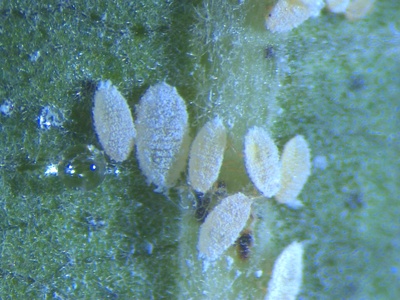
Cotton mealybug
Introduced mealybug that became a major cotton and vegetable pest, causing stunting, sooty mould and yield loss. Management includes biocontrol (parasitoids), insecticides and cultural controls.
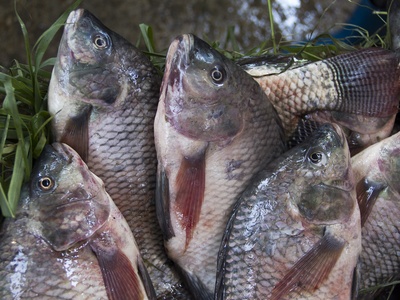
Nile tilapia
Introduced for aquaculture; escaped populations now established in reservoirs and canals. Competes and hybridizes with native fish, alters food webs and can damage local fisheries; farm containment and monitoring recommended.
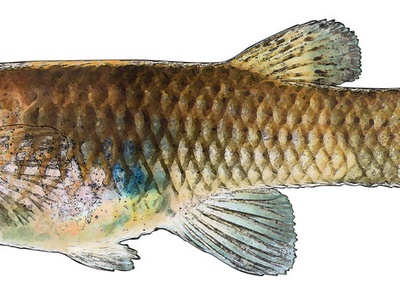
Mosquitofish
Introduced for mosquito control, now established in irrigation channels and ponds. Preys on native fish larvae and invertebrates, impacting aquatic biodiversity; its use is discouraged in favor of habitat-based mosquito control.
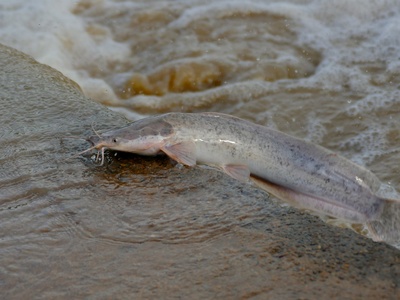
African catfish
Introduced for aquaculture and stocking; escaped individuals prey on native fishes and compete for resources. Management focuses on farm biosecurity, monitoring and avoiding introductions into natural waters.
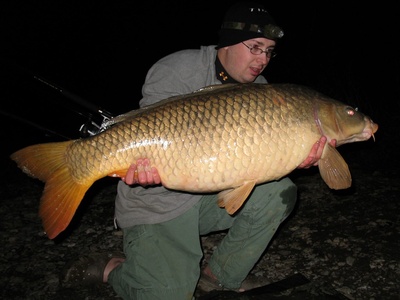
Common carp
Widespread aquaculture escapee that disturbs sediments, reduces water quality and competes with native species. Management includes stocking controls, netting and habitat restoration to reduce impacts on fisheries.
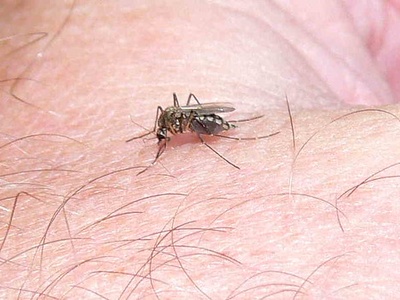
Yellow fever mosquito
Aedes aegypti is established in cities and towns and is the primary vector of dengue, chikungunya and Zika. Urban breeding in containers causes major public health burdens; control relies on source reduction, community awareness and targeted spraying.
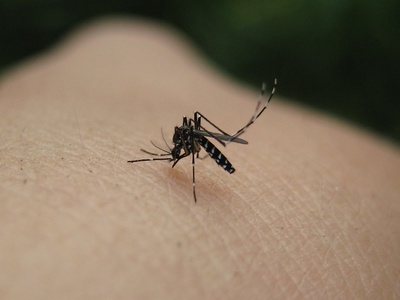
Asian tiger mosquito
A container-breeding mosquito that spreads dengue and chikungunya; colonizes urban and peri-urban areas. Spreads via used tires and trade; control is similar to Aedes aegypti with emphasis on community cleanup and surveillance.
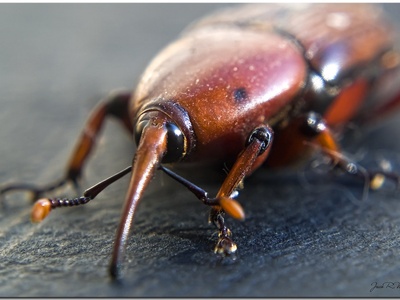
Red palm weevil
A serious pest of date and coconut palms, its larvae bore into trunks causing tree death. Detection, pheromone traps, regular inspection and removal of infested palms are key control measures.
Whitefly (crop complex)
A sap-sucking insect complex that transmits plant viruses and damages cotton, vegetables and ornamentals. Causes yield losses and control challenges due to resistance; integrated pest management and virus-resistant varieties are used.
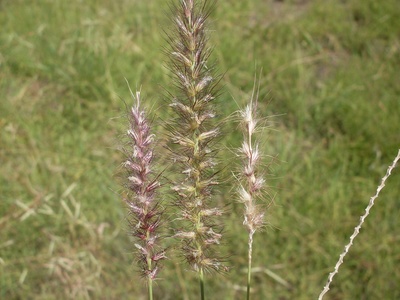
Buffel grass
Introduced as pasture grass, now dominant in many arid rangelands. Increases fire risk, displaces native species and reduces forage diversity; management includes grazing control, restoration and preventing further spread.
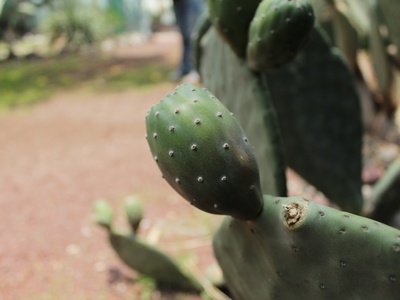
Prickly pear
Cactus introduced as fodder/hedging that has escaped in dry rangelands. Forms dense, spiny stands that reduce usable grazing area and injure livestock; mechanical removal and targeted herbicides are used in control.