Desert landscapes often look empty at a glance, but they hide a patchwork of microhabitats where heat, sand and rock shape distinct lifestyles. From burrows beneath dunes to sun-warmed rocks, reptiles have adapted in ways that make desert ecosystems surprisingly varied.
There are 45 Desert Reptiles, ranging from African sand boa to Zebra-tailed lizard, showing species that burrow, sprint or bask across arid regions. For each species, the entries list Scientific name,Length (cm),Range / habitat,Venomous — you’ll find below.
How can I tell if a desert reptile is venomous?
Visual cues can help but are not foolproof: regional field guides, pupil shape and head profile sometimes indicate venomous groups, but many safe-looking species are harmless and some venomous ones look similar to nonvenomous relatives; consult the list below (see the Venomous column) and avoid handling unknown reptiles, seeking professional identification if needed.
When is the best time to look for desert reptiles?
Early morning and late afternoon are prime times when temperatures are moderate and reptiles are active; seasonal rains also boost visibility as animals emerge to feed and breed — carry water, move slowly, and observe from a distance to minimise disturbance.
Desert Reptiles
| Name | Scientific name | Length (cm) | Range / habitat | Venomous |
|---|---|---|---|---|
| Gila monster | Heloderma suspectum | 45 | Sonoran & Mojave deserts; rocky burrows | Yes |
| Desert tortoise | Gopherus agassizii | 35 | Mojave & Sonoran deserts; burrows in washes | No |
| Desert iguana | Dipsosaurus dorsalis | 35 | Sonoran Desert; sandy scrub and dunes | No |
| Chuckwalla | Sauromalus ater | 45 | Sonoran & Mojave rocky lava flows and crevices | No |
| Desert horned lizard | Phrynosoma platyrhinos | 12 | Great Basin & Mojave sandy deserts | No |
| Flat-tailed horned lizard | Phrynosoma mcallii | 12 | Sonoran Desert sandy flats and dunes | No |
| Sidewinder | Crotalus cerastes | 70 | Mojave & Sonoran sandy dunes and flats | Yes |
| Mojave rattlesnake | Crotalus scutulatus | 80 | Mojave & Sonoran deserts; rocky and scrub areas | Yes |
| Western diamondback | Crotalus atrox | 120 | Sonoran & Chihuahuan deserts; scrub and grasslands | Yes |
| Sahara sand viper | Cerastes cerastes | 50 | Sahara sandy deserts; dune plains and sabkhas | Yes |
| Arabian horned viper | Cerastes gasperettii | 60 | Arabian Peninsula deserts; sand and gravel plains | Yes |
| Saw-scaled viper | Echis carinatus | 60 | Dry regions from Sahara to India; arid scrub | Yes |
| Persian horned viper | Pseudocerastes persicus | 60 | Iranian & Central Asian deserts; rocky and sandy areas | Yes |
| Egyptian cobra | Naja haje | 140 | N Africa deserts and semi-deserts; rocky and sandy areas | Yes |
| Death adder | Acanthophis antarcticus | 60 | Australian arid woodlands and spinifex; ambush sites | Yes |
| Inland taipan | Oxyuranus microlepidotus | 200 | Central Australian arid clay plains and rocky gullies | Yes |
| African sand boa | Eryx colubrinus | 80 | North African sandy deserts and semi-deserts | No |
| Arabian sand boa | Eryx jayakari | 60 | Arabian Peninsula sandy deserts and wadis | No |
| Woma python | Aspidites ramsayi | 200 | Australian arid interior; sandy and rocky deserts | No |
| Spiny-tailed lizard | Uromastyx aegyptia | 45 | N Africa & Arabian deserts; rocky outcrops and scree | No |
| African spurred tortoise | Centrochelys sulcata | 70 | Sahel & Sahara fringe drylands; sandy scrub | No |
| Desert monitor | Varanus griseus | 150 | Middle East & Central Asian deserts; open sandy plains | No |
| Sand goanna | Varanus gouldii | 140 | Australian arid interior; sandplains and scrub | No |
| Perentie | Varanus giganteus | 180 | Australian deserts; rocky ranges and open plains | No |
| Thorny devil | Moloch horridus | 20 | Central Australian sandy deserts; spinifex and dunes | No |
| Bearded dragon | Pogona vitticeps | 40 | Eastern & central Australian arid zones; rocky scrub | No |
| Central netted dragon | Ctenophorus nuchalis | 25 | Australian arid sandplains and spinifex | No |
| Namaqua chameleon | Chamaeleo namaquensis | 30 | Namib Desert rocky outcrops and mountain slopes | No |
| Sandfish skink | Scincus scincus | 18 | Sahara & Arabian sandy deserts; shifting dunes | No |
| Fringe-fingered lizard | Acanthodactylus scutellatus | 20 | N African & Sinai deserts; sandy plains and gravel | No |
| Spotted desert lizard | Mesalina guttulata | 15 | North African & Arabian deserts; sandy-gravel plains | No |
| Steppe racerunner | Eremias velox | 18 | Central Asian deserts and semi-deserts; open steppe | No |
| Leopard gecko | Eublepharis macularius | 20 | Rocky deserts of Iran, Pakistan & Afghanistan | No |
| Desert night lizard | Xantusia vigilis | 10 | Sonoran Desert rocky crevices and talus | No |
| Western banded gecko | Coleonyx variegatus | 14 | Sonoran & Mojave rocky areas and under debris | No |
| Zebra-tailed lizard | Callisaurus draconoides | 15 | Mojave & Sonoran open sandy flats and washes | No |
| Side-blotched lizard | Uta stansburiana | 13 | W North American deserts; rocky and sandy areas | No |
| Long-nosed leopard lizard | Gambelia wislizenii | 30 | Mojave Desert open flats and creosote scrub | No |
| Fringe-toed lizard (Mojave) | Uma scoparia | 12 | Mojave sandy dunes and blowouts; burrows in sand | No |
| Shovel-nosed snake | Chionactis occipitalis | 40 | Sonoran & Mojave sandy deserts; beneath surface and debris | No |
| Coachwhip | Masticophis flagellum | 150 | American deserts; open scrub, flats and washes | No |
| Gopher snake | Pituophis catenifer | 200 | North American deserts; burrows, fields and scrub | No |
| Atacama lizard | Liolaemus atacamensis | 10 | Atacama Desert rocky and volcanic plains | No |
| Desert collared lizard | Crotaphytus bicinctores | 22 | SW US rocky desert and washes | No |
| Desert night snake | Hypsiglena torquata | 40 | SW US deserts; rocky areas and wash edges | No |
Images and Descriptions
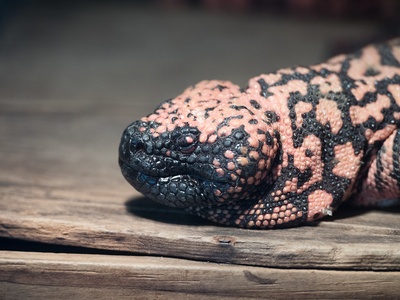
Gila monster
Slow-moving, heavy-bodied lizard with bead-like skin and black-pink pattern. Venom delivered via grooved teeth; rarely aggressive but medically significant. Often found near washes and burrows, active in warm months.
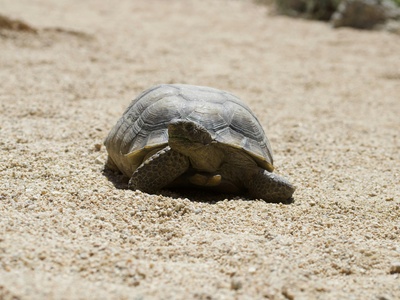
Desert tortoise
Sturdy, domed tortoise adapted to arid life with long-lived individuals. Spends much time in burrows to avoid heat and drought, feeds on hardy desert plants and flowers.
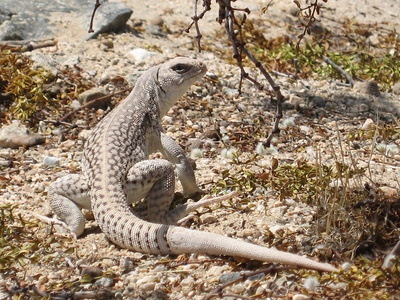
Desert iguana
Pale, fast-moving iguana that tolerates extreme heat better than most reptiles. Eats leaves and flowers, often seen basking on rocks or darting across open sand.
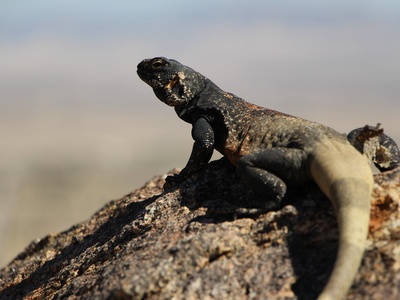
Chuckwalla
Chunky, herbivorous lizard that wedges into crevices and inflates its body as defense. Often found on basalt rock and desert boulders, with loose skin and a broad tail.
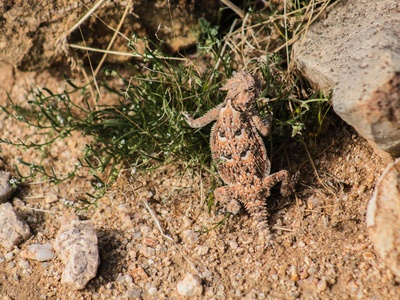
Desert horned lizard
Flat, spiky-bodied lizard with a short snout, excellent camouflage on sand and gravel. Feeds mainly on ants and can puff up or shed blood from eyes when threatened.
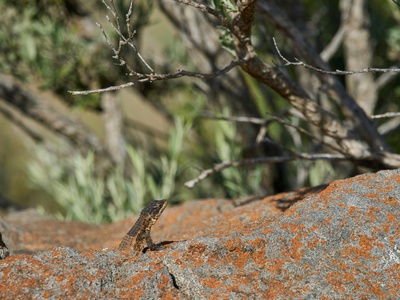
Flat-tailed horned lizard
Specialist of fine sandy dunes, this flat-bodied lizard has fringe-like scales for burrowing and camouflage. Relies on ant diets and rapid sand-burying to avoid predators.
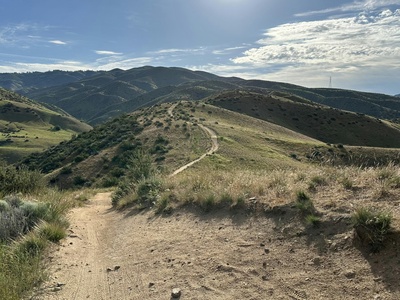
Sidewinder
Small rattlesnake known for sidewinding locomotion across hot sand. Cryptically colored and fast-striking; venom is medically significant, so give wide clearance in the wild.
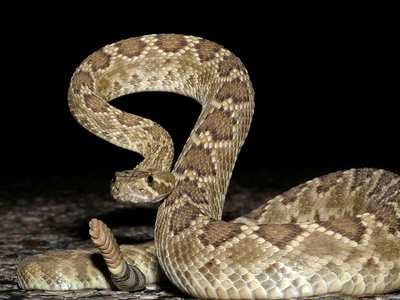
Mojave rattlesnake
One of North America’s most venomous rattlesnakes with variable coloration. Prefers rocky desert slopes and washes; warning rattle precedes defensive strikes when threatened.
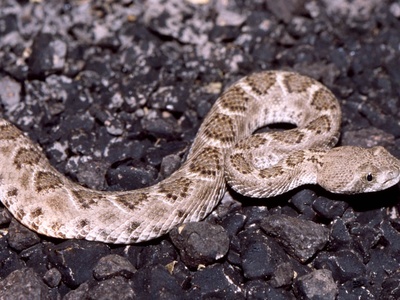
Western diamondback
Large, heavy-bodied rattlesnake with distinctive diamond pattern. Common in desert scrub and rocky areas; potent venom and bold defensive behavior make it dangerous to people.
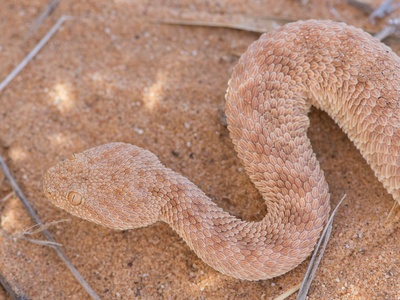
Sahara sand viper
Small, heavily keeled viper that “side-steps” and buries in sand with only eyes exposed. Ambush predator with potent venom, iconic of North African dunes.
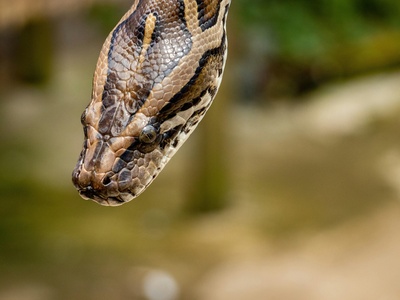
Arabian horned viper
Sand-colored, horned viper that buries itself and ambushes prey. Well adapted to extreme heat with cryptic patterning and a primarily nocturnal or crepuscular lifestyle.
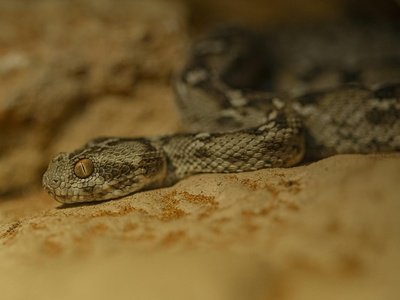
Saw-scaled viper
Small, aggressive viper with keeled scales that make a rasping threat sound. Responsible for many envenomations across arid regions; quick-striking ambush hunter of rodents and lizards.
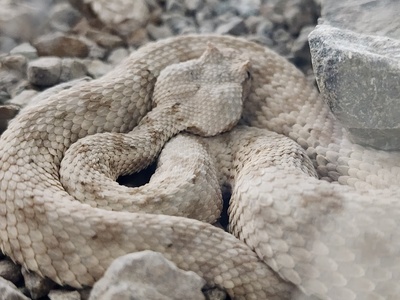
Persian horned viper
Heavily built viper with frontal horn-like scales and strong venom. Ambushes from under rocks or sand in arid, rocky desert habitats.
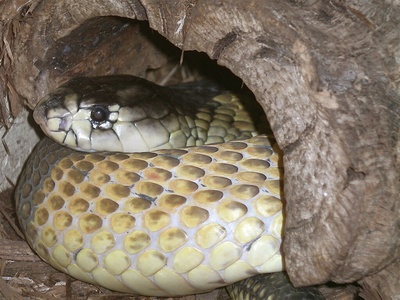
Egyptian cobra
Large cobra that inhabits desert margins and rocky wadis. Can deliver a significant neurotoxic venom; often avoids humans but is dangerous if cornered.
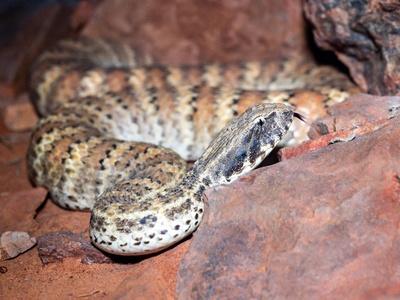
Death adder
Ambush predator with a stout body and short tail used as a lure. Highly venomous and fast-striking; relies on camouflage among leaf litter and grasses.
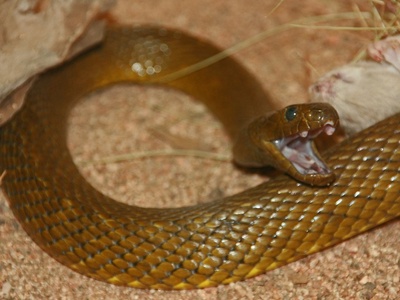
Inland taipan
Exceptionally venomous and secretive snake of remote arid plains. Rarely encountered by people; known for a highly toxic bite and preference for rodent prey in clay-based habitats.

African sand boa
Stout, blunt-headed boa that burrows in loose sand to ambush rodents. Nonvenomous constrictor, often mistaken for venomous snakes due to stocky appearance.
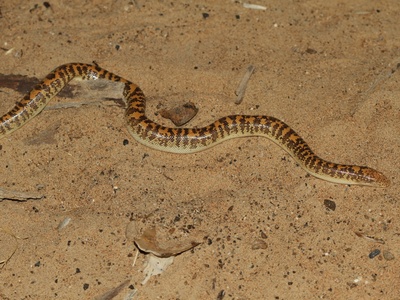
Arabian sand boa
Compact, burrowing boa that spends much time beneath sand or under rocks. Gentle constrictor that feeds on small mammals and lizards in arid dune systems.
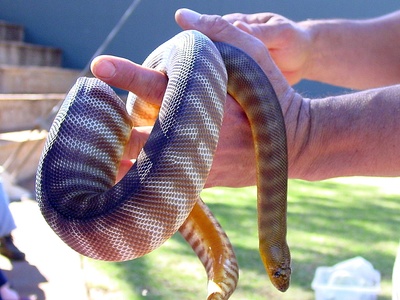
Woma python
Large, nonvenomous constrictor adapted to arid landscapes. Hunts mammals and reptiles at night; smooth scalation and muted patterns help it blend into sandy habitats.
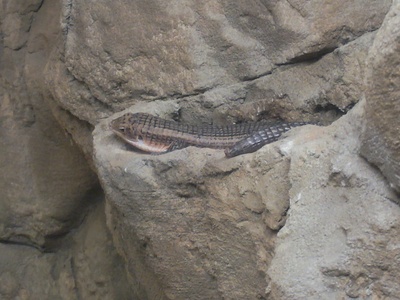
Spiny-tailed lizard
Stocky, herbivorous agamid with a spiky tail used for defense. Basks on rocks by day and feeds on tough desert vegetation, tolerating high temperatures.
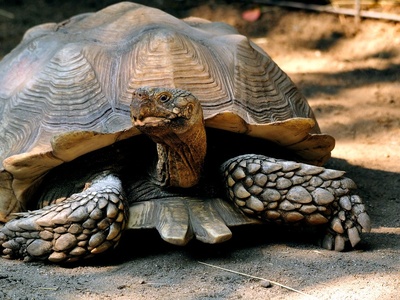
African spurred tortoise
Large, powerful tortoise of hot, dry regions that digs deep burrows to escape heat. Grazes on tough grasses and succulents and is well adapted to seasonal dryness.
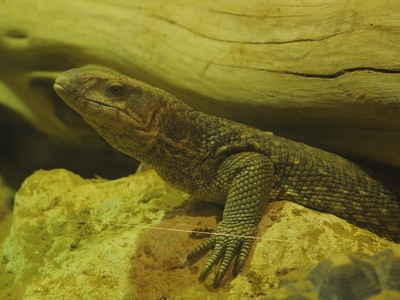
Desert monitor
Slim but powerful monitor that hunts lizards, small mammals and eggs. Fast-moving with long tail, uses burrows and rocky outcrops in arid landscapes.
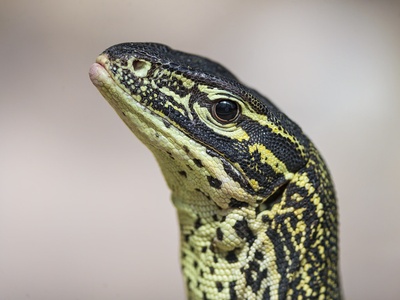
Sand goanna
Versatile, active monitor (goanna) that scavenges and hunts across deserts. Powerful limbs and sharp teeth allow it to take a variety of prey, from insects to small mammals.
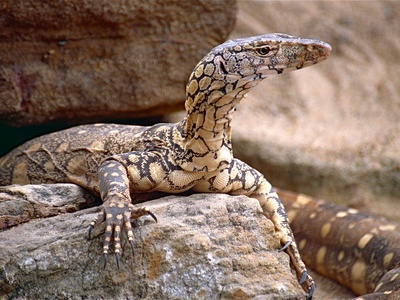
Perentie
Australia’s largest monitor lizard, muscular and fast with a long tail. Dominant predator in arid zones, preys on mammals, reptiles and birds.
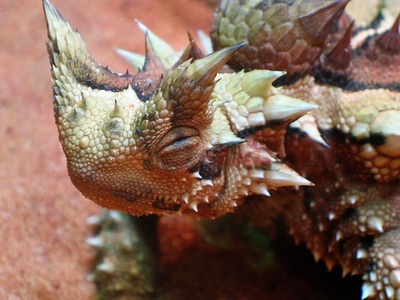
Thorny devil
Tiny, spiny ant-eating specialist with a domed body and false head. Unique water-collecting skin channels help it drink from dew and sparse rain.
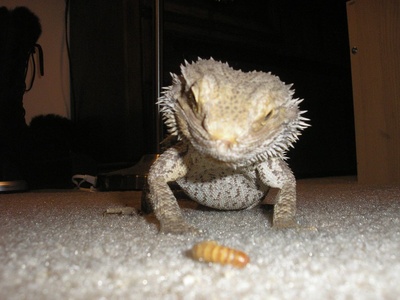
Bearded dragon
Familiar, broad-headed agamid that basks conspicuously on rocks and branches. Omnivorous diet and social signaling with head-bobbing and dark “beard” displays.
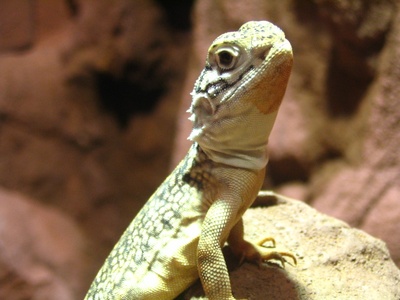
Central netted dragon
Small, colorful agamid with distinctive net-like pattern. Active by day, uses crevices and vegetated hummocks, and darts rapidly to escape predators in hot deserts.
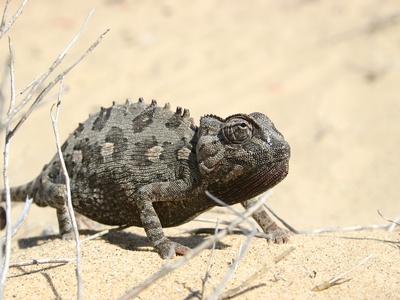
Namaqua chameleon
Unusual desert chameleon adapted to hyper-arid coastal dunes and rocky hills. Smaller than forest chameleons, it feeds on insects and shows color change for thermoregulation and signaling.
Sandfish skink
Smooth, wedge-shaped skink that “swims” through hot sand to escape predators and heat. Shiny scales reduce friction; diurnal insectivore specialized for dune life.
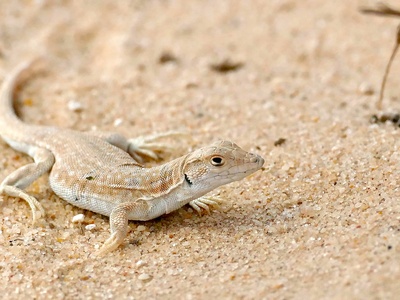
Fringe-fingered lizard
Slender, fast lizard with fringed toes for running on loose sand. Active daylight hunter of insects, often seen sprinting across open desert flats.
Spotted desert lizard
Small, cryptic lacertid that favors open sandy or gravelly ground. Quick and wary, it feeds on insects and uses speed and camouflage to avoid predators.
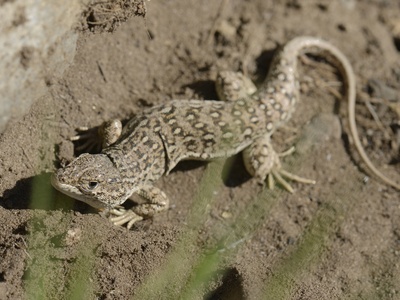
Steppe racerunner
Slim, fast-moving lizard adapted to arid steppes and sandy plains. Bright males show markings during breeding; captures insects with rapid sprints.
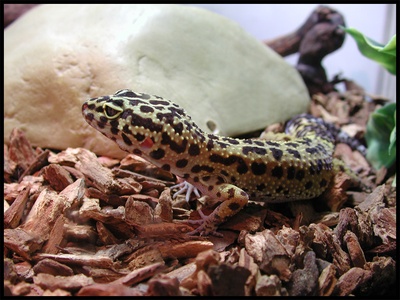
Leopard gecko
Nocturnal, ground-dwelling gecko with movable eyelids and spotted pattern. Common in rocky desert habitats, often sheltering under stones by day and hunting insects at night.
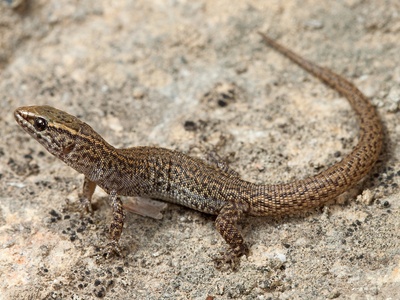
Desert night lizard
Small, secretive crevice-dweller that forages around rock piles and under bark. Unlike many lizards it tolerates cooler nights and maintains small home ranges.
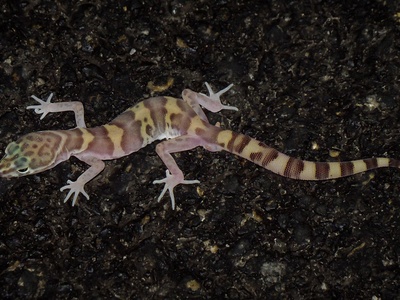
Western banded gecko
Delicately patterned, nocturnal gecko that hides in crevices by day. Lures prey with tail movements and is harmless to people.
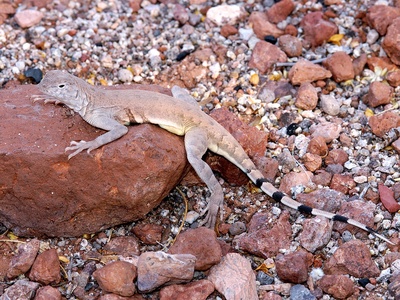
Zebra-tailed lizard
Slim, fast lizard with bold tail pattern often seen sprinting across warm desert flats. Uses speed to escape and displays tail-waving to distract predators.
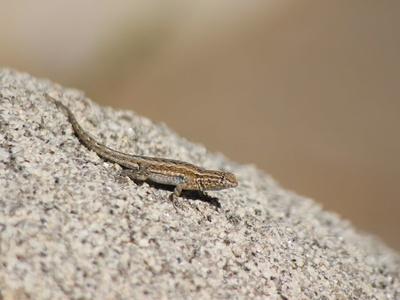
Side-blotched lizard
Tiny, common desert lizard with a dark blotch behind the forelimb. Highly adaptable and abundant on rock piles, scrub and flats across arid West.
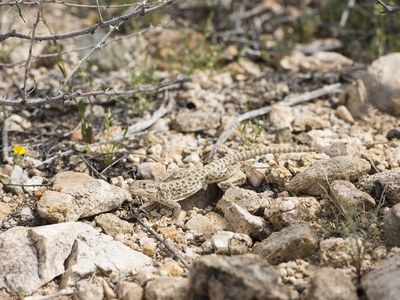
Long-nosed leopard lizard
Slim predator with long head that hunts insects and small vertebrates. Often seen on low shrubs and open ground, it is an active daytime hunter.
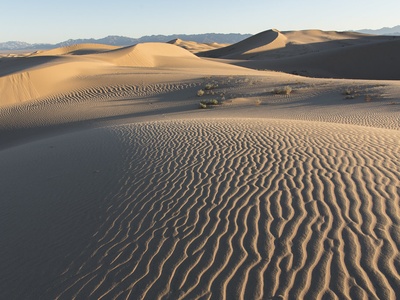
Fringe-toed lizard (Mojave)
Specialist dune dweller with fringed toes for running on loose sand and nostrils that reduce sand intake. Rare and strongly tied to active dune habitats.
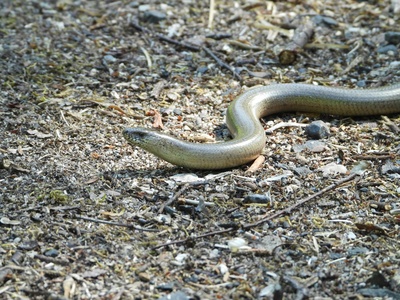
Shovel-nosed snake
Small, smooth-bodied snake with a flattened snout for burrowing. Nocturnal or crepuscular, it feeds on lizards and invertebrates in loose sand.
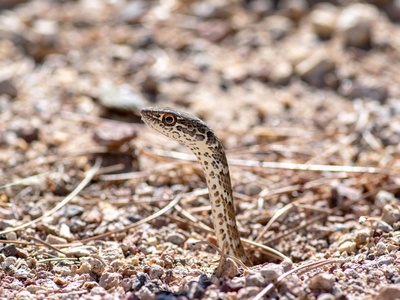
Coachwhip
Long, slender, fast-moving snake that actively forages by day. Nonvenomous but a formidable-looking hunter that will flee quickly or present a bluff if cornered.
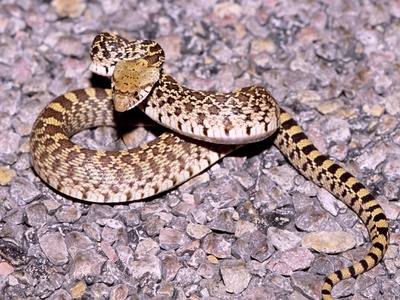
Gopher snake
Large constrictor often mistaken for rattlesnakes due to defensive hissing. Powerful and adaptable, it preys on rodents and uses burrows and rodent nests.
Atacama lizard
Tiny, hardy lizard endemic to one of the driest deserts on Earth. Lives among rocks and sparse vegetation, feeding opportunistically on insects and plant matter.
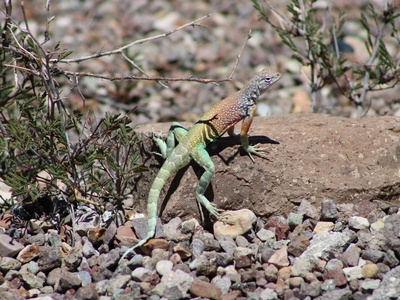
Desert collared lizard
Stocky, powerful lizard with bold neck bands and strong jaws. Often basks on rocks and preys on insects and smaller lizards, capable of running bipedally in short bursts.
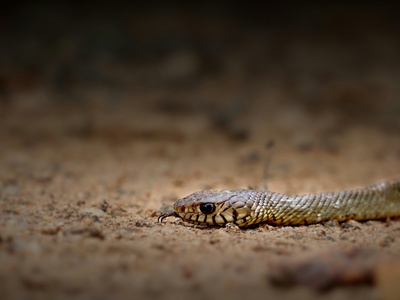
Desert night snake
Small, nocturnal rear-fanged snake with mild venom for subduing frogs and lizards. Generally timid and not dangerous to people; active along rocky crevices and washes.