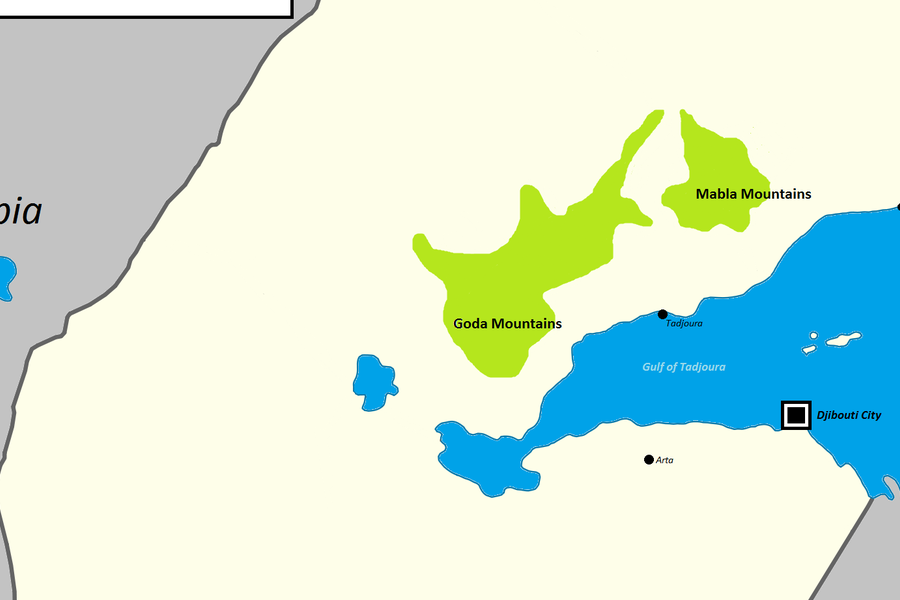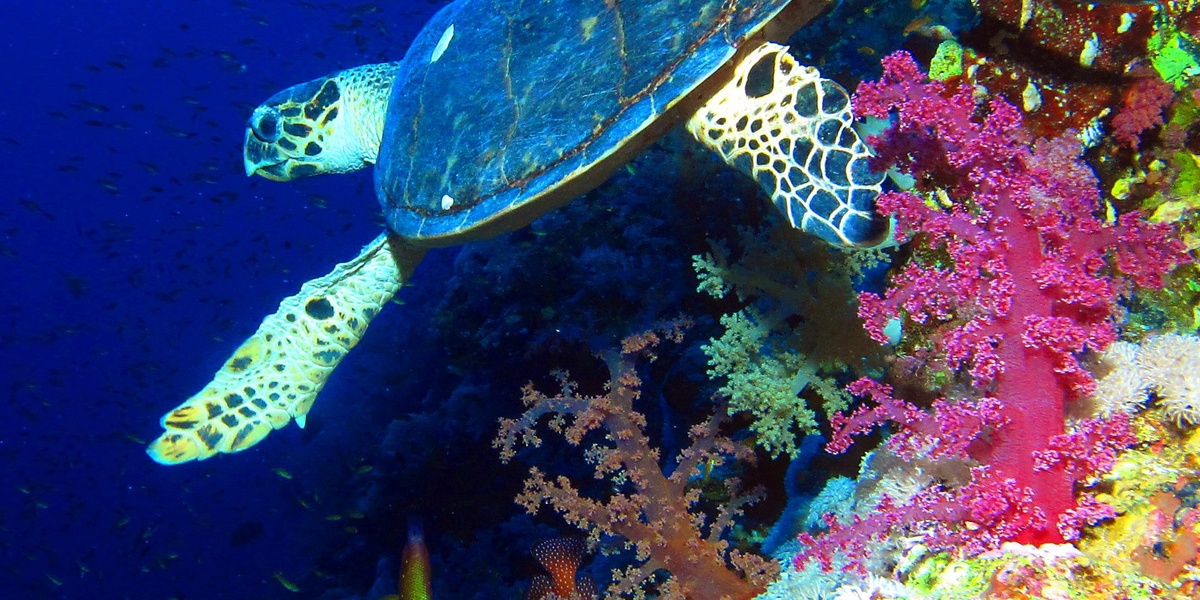
The Maldives’ coral atolls and shallow lagoons support a rich variety of marine and island species, but rising sea temperatures, coastal development and fishing pressures are increasing risks to local biodiversity. Small, localized populations make conservation decisions urgent and data-driven.
There are 17 Endangered Species in the Maldives, ranging from Black teatfish to White teatfish. For each species, you’ll find below the following columns: Scientific name,IUCN status (year),Main threats (max 15 words) — you’ll find below.
How current and trustworthy is the IUCN information listed here?
The table shows each species’ IUCN status alongside its assessment year so you can judge currency; some assessments are recent while others need updating, so cross-check the year column with the IUCN Red List site and local survey reports for the latest data.
What practical actions can help protect these endangered species locally?
Support and respect designated marine protected areas, follow sustainable fishing guidelines, report illegal harvesting or trade, join reef and beach restoration efforts, and work with local NGOs and authorities to improve monitoring and enforcement.
Endangered Species in the Maldives
| Common name | Scientific name | IUCN status (year) | Main threats (max 15 words) |
|---|---|---|---|
| Green turtle | Chelonia mydas | Endangered 2018 | Egg harvesting, fisheries bycatch, habitat loss, climate change |
| Hawksbill turtle | Eretmochelys imbricata | Critically Endangered 2018 | Illegal trade in shells, egg taking, habitat loss, bycatch |
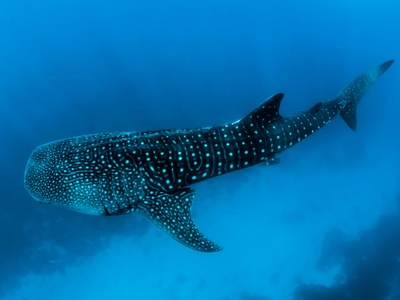
| Whale shark | Rhincodon typus | Endangered 2016 | Boat strikes, tourism disturbance, bycatch, fishing pressure |
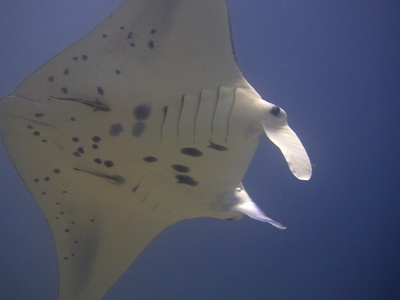
| Reef manta | Mobula alfredi | Vulnerable 2018 | Targeted fishing, bycatch, habitat degradation, tourism disturbance |
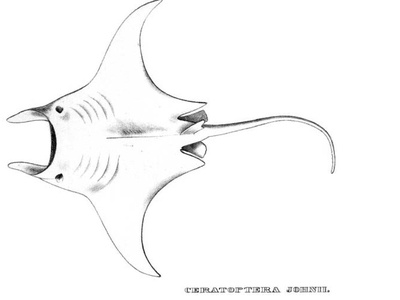
| Giant manta | Mobula birostris | Endangered 2018 | Bycatch, targeted fishing, boat strikes, pollution |
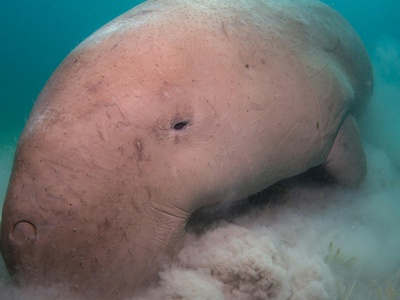
| Dugong | Dugong dugon | Vulnerable 2008 | Seagrass loss, boat strikes, entanglement, hunting |
| Napoleon wrasse | Cheilinus undulatus | Endangered 2016 | Overfishing for live reef food trade, habitat loss |
| Bumphead parrotfish | Bolbometopon muricatum | Vulnerable 2012 | Overfishing, habitat loss, coral decline |
| Giant grouper | Epinephelus lanceolatus | Vulnerable 2018 | Overfishing, habitat loss, juvenile capture for trade |
| Scalloped hammerhead | Sphyrna lewini | Critically Endangered 2018 | Overfishing, shark finning, bycatch, habitat fragmentation |
| Oceanic whitetip shark | Carcharhinus longimanus | Critically Endangered 2018 | Targeted fishing, bycatch, shark finning |
| Blue whale | Balaenoptera musculus | Endangered 2008 | Historical whaling, ship strikes, noise, prey shifts |
| Fin whale | Balaenoptera physalus | Vulnerable 2018 | Historical whaling, ship strikes, noise pollution |
| White teatfish | Holothuria fuscogilva | Endangered 2010 | Overharvesting for bêche-de-mer trade, habitat loss |
| Black teatfish | Holothuria nobilis | Endangered 2010 | Overharvesting, illegal trade, habitat degradation |
| Sandfish | Holothuria scabra | Endangered 2013 | Overexploitation, habitat loss, illegal trade |
| Giant clam | Tridacna gigas | Vulnerable 2010 | Overcollection, habitat degradation, climate impacts |
Images and Descriptions
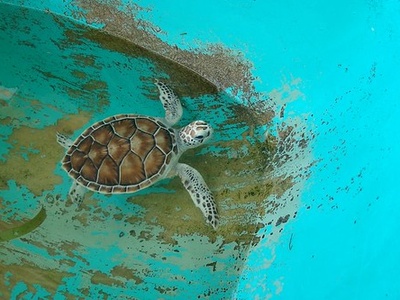
Green turtle
Medium-sized sea turtle to about 1 m shell, nests on Maldivian beaches and forages on reefs and seagrass; populations decline from egg take, bycatch and reef degradation, with local protection and community conservation programs in place.
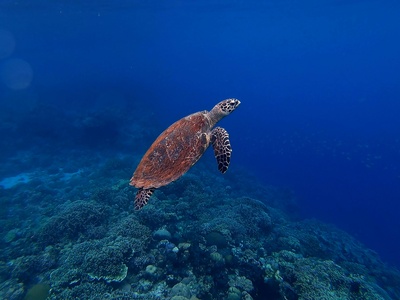
Hawksbill turtle
Small-to-medium reef turtle 60–90 cm, uses Maldivian lagoons and coral reefs for feeding and nesting; critically endangered from shell trade and local exploitation; conservation focuses on nesting protection, rescue and trade controls.
Whale shark
World’s largest fish to ~12 m, regular visitor to Maldivian atolls and offshore waters; gentle plankton feeder popular with ecotourism. Vulnerable to vessel strikes, entanglement and targeted fishing; key aggregation sites are protected.
Reef manta
Moderate-sized manta to ~5.5 m wingspan, common around cleaning stations and channels in the Maldives; forms predictable aggregations. Threatened by targeted fisheries and disturbance; national protections and tourism management aim to reduce impacts.
Giant manta
Largest mobulid up to ~7 m wingspan, occasional in Maldivian offshore waters; migratory pelagic species vulnerable to fisheries and vessels; international and national protections help limit threats.
Dugong
Marine herbivore 2–3 m, depends on Maldivian seagrass beds in shallow lagoons; populations are rare and localised. Vulnerable due to habitat degradation and accidental mortality; conservation includes protected areas and community outreach.
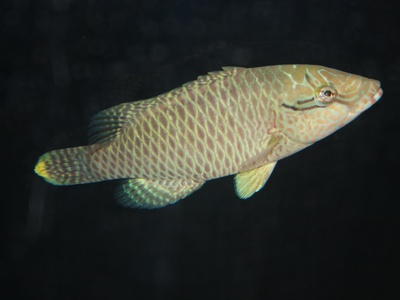
Napoleon wrasse
Large reef fish to ~2 m, found on Maldivian reefs and drop-offs; slow-growing and late-maturing, heavily targeted by fisheries. Protected nationally and listed on CITES to curb trade-driven declines.
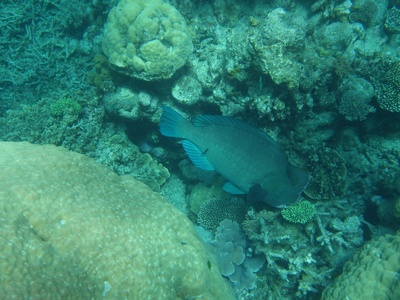
Bumphead parrotfish
Large parrotfish to ~1.2 m, feeds on coral heads across Maldivian reefs and lagoons; important for reef ecology but declining from targeted fishing and coral loss.
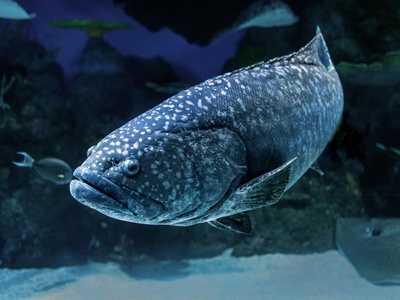
Giant grouper
Massive grouper to ~2.7 m, inhabits Maldivian lagoons, reefs and slopes; slow-reproducing and vulnerable to overfishing for food and live trade, with some protections in marine reserves.
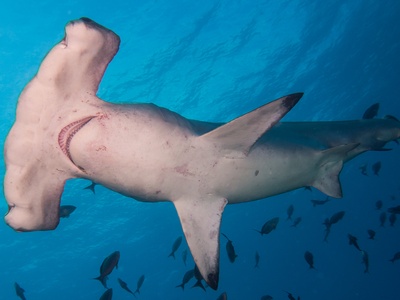
Scalloped hammerhead
Large coastal-pelagic shark to ~4 m, recorded in Maldivian waters and offshore seamount areas; heavily targeted for fins and suffers high bycatch; migratory populations have declined dramatically.
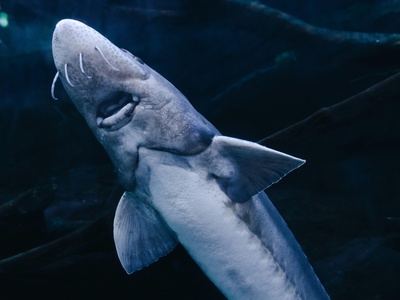
Oceanic whitetip shark
Open-ocean shark to ~3.5 m, occurs in Maldivian offshore seas; vulnerable due to intense pelagic fishing and high-value fins; protections have reduced some threats but numbers remain low.
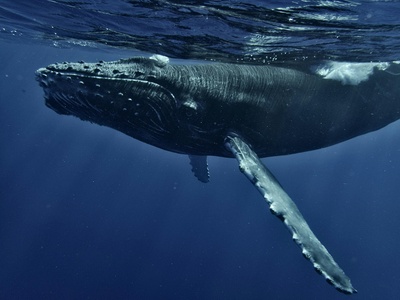
Blue whale
Largest whale up to ~24 m, rare migrant through deep Maldivian waters during seasonal movements; globally endangered from past whaling, current threats include ship strikes, noise and changing prey availability.
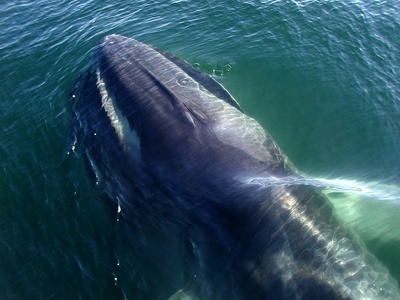
Fin whale
Second-largest whale to ~20 m, occasional visitor to Maldivian deep waters; populations recovering slowly but remain vulnerable from past whaling and ongoing maritime threats like collisions and noise.

White teatfish
Large sea cucumber to ~40 cm, inhabits sandy patches and reef flats in the Maldives; heavily harvested for export with local declines prompting fisheries closures and restocking efforts.
Black teatfish
Commercial sea cucumber to ~45 cm, found on Maldivian reefs and sandy bottoms; highly valuable to bêche-de-mer markets and depleted by overfishing; management includes quotas and seasonal closures.
Sandfish
Important shallow-water sea cucumber to ~30 cm, occurs in Maldivian lagoons and seagrass areas; heavily targeted for export leading to population crashes; community management and aquaculture trials are being used to restore stocks.
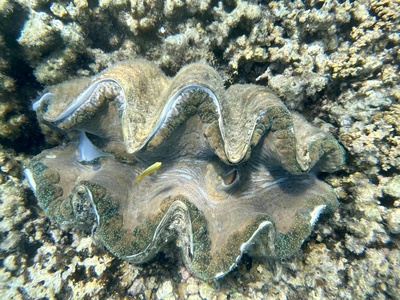
Giant clam
Largest giant clam with shell often >1 m, historically present on Maldives reefs; susceptible to collection and reef loss; protected nationally and listed under CITES to limit trade and encourage recovery.