Table of Contents
- What “Taiga Nuts” Actually Means
- How They’re Harvested
- Nutrition Profile
- How to Eat Them
- Nuts vs. Nuts in Syrup — What’s the Difference
- Buying Guide
- Quick Answer
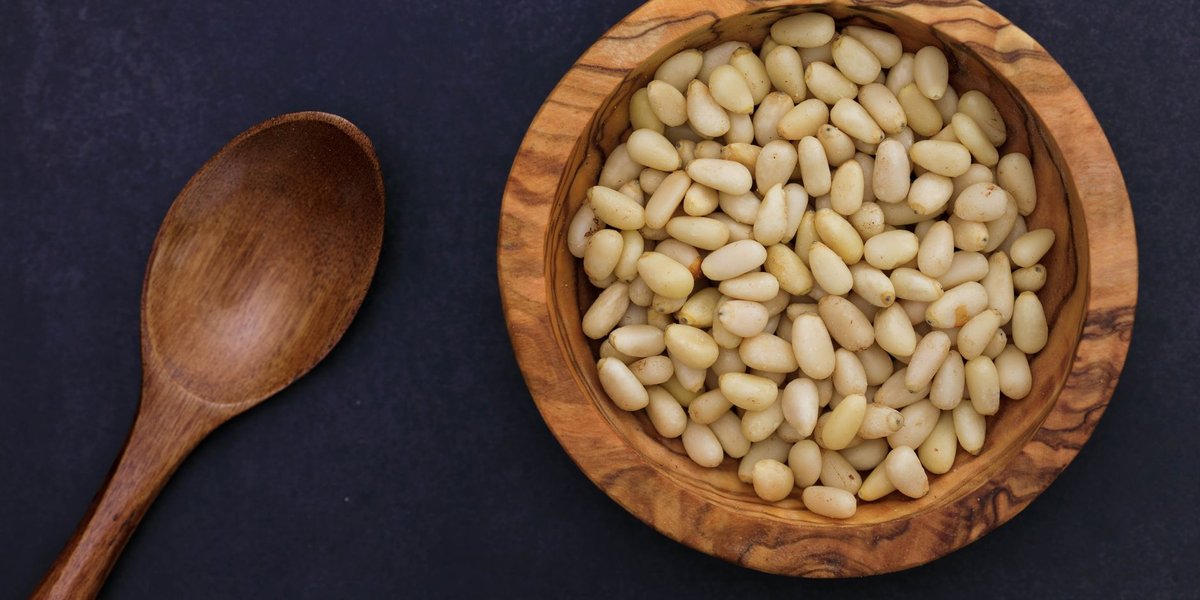
If you searched “taiga nuts” expecting to find a distinct nut variety, you’re chasing a term that doesn’t really exist in botany. There’s no tree called a “taiga nut tree.” What you’ve landed on is a marketing shorthand — mostly from one brand, Taiga Cache — for kernels of the Siberian pine (Pinus sibirica), harvested from the taiga forest belt that stretches across Russia. Same nut most people know as a “cedar nut” or Siberian pine nut, just relabeled around the ecosystem it comes from instead of the tree.
That mislabeling is actually useful context, because it tells you exactly what you’re buying and what to look for.
What “Taiga Nuts” Actually Means

The taiga is the vast belt of coniferous forest running across Siberia, Scandinavia, and northern Canada — the largest land biome on Earth. Within that biome, Pinus sibirica produces cones packed with kernels that Russians have eaten and traded for centuries, calling them “cedar nuts” even though the tree is a true pine, not a cedar. The naming mix-up happened generations ago among early European settlers and just stuck.
So when a listing says “taiga nuts,” it’s pointing at the origin, not a different product. You’re looking at Siberian pine nuts — sometimes shelled and dry, sometimes suspended in a thick pine syrup — sold under regional branding that leans on the word “taiga” because it sounds wilder and more remote than “pine nut,” which, to be fair, it is.
How They’re Harvested
Commercial pine nuts from places like Turkey or Korea get picked and processed at scale. Siberian taiga nuts still largely come from something closer to a cottage industry. Harvesters working out of small eco-settlements in the forest wait for cones to ripen and fall naturally rather than knocking them down early, which keeps the trees healthy for the next season and gives the kernels time to develop their full fat and nutrient content.
A single mature tree can produce as much as 12 kg of nuts in a good year, and each cone holds roughly 80 kernels. After collection, the cones are dried, the nuts are shelled — often still by hand in smaller operations — and sorted before going to market. It’s slow work. Harvest season runs a few weeks in late August through September, and the payoff per hour of labor is modest, which is part of why the finished product isn’t cheap.
Nutrition Profile
Siberian pine nuts are calorie-dense in the way most nuts are, but the fat composition is the interesting part: about 90% unsaturated fatty acids, including pinolenic acid, a compound found almost exclusively in pine nut oil. Research has linked pinolenic acid to appetite suppression — it triggers release of the gut hormones cholecystokinin and GLP-1, the same ones that signal fullness after a meal.
Beyond fat, you’re getting a solid protein hit (kernels run roughly 13–20% protein by weight, with a strong essential amino acid spread), plus iron, magnesium, zinc, and vitamin E. Traditional use in Siberia leans on cedar oil pressed from the same nuts for cardiovascular and digestive support — Amanvida’s product documentation on organic Siberian pine nuts covers the sourcing side of this in more detail, though the health claims themselves are traditional rather than clinically established at scale.
How to Eat Them
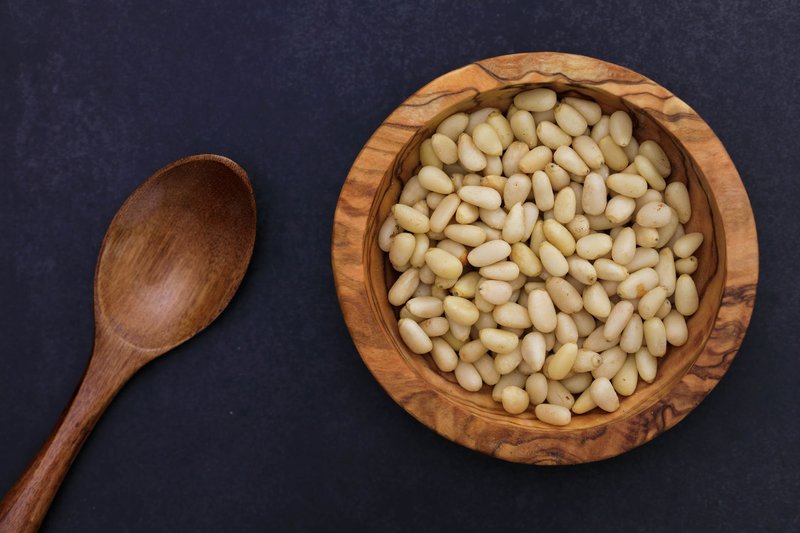
Raw, shelled Siberian pine nuts taste milder and slightly resinous compared to the Mediterranean stone pine nuts most cooks know from pesto — smaller, softer, and a bit sweeter. A few ways they show up in kitchens:
- Raw, by the handful — the default use, and honestly the best way to taste what makes them different from a standard pine nut.
- Toasted — a few minutes in a dry pan deepens the flavor and firms up the texture, good over salads or roasted vegetables.
- In pesto — a direct swap for Italian pine nuts, with a slightly softer bite.
- Stirred into muesli or granola — common in Russian and Scandinavian breakfasts.
- In desserts — paired with honey or, appropriately, pine syrup, over yogurt or ice cream.
Nuts vs. Nuts in Syrup
This is where most of the confusion in the search results comes from, because “Taiga Cache” — the brand dominating Amazon and Etsy listings for this term — doesn’t sell plain shelled nuts. It sells cedar nuts suspended in cedar (pine) syrup, a traditional Siberian preserve made from a decoction of pine cones, sugar, and citric acid, with whole nuts sitting in the jar.
That’s a genuinely different product from a bag of dry pine nut kernels, and worth knowing before you buy:
| Plain Siberian pine nuts | Nuts in pine syrup (e.g. Taiga Cache) | |
|---|---|---|
| Format | Shelled, dry kernels | Whole nuts suspended in thick syrup |
| Best use | Cooking, snacking, pesto | Spooned over desserts, yogurt, tea |
| Sweetness | None | Sweet — sugar is a listed ingredient |
| Shelf life | Weeks-months, refrigerate after opening | Long, jarred and shelf-stable |
| Typical price (240g) | Varies by vendor | Around $9 |
If a recipe calls for pine nuts, the syrup version isn’t a substitute — it’s a condiment. Read the listing photos carefully; several “taiga nut” search results are the syrup jar, not loose nuts, and the two aren’t interchangeable.
Buying Guide

Every top result for “taiga nuts” right now is a single vendor selling its own SKU, with no independent comparison available. A few things worth checking before you order:
- Confirm the format. Syrup jar or dry kernels — check the product photos, not just the title, since “taiga nuts” and “taiga cache” listings often bury this.
- Look for origin transparency. Better listings specify hand-harvesting from wild or eco-settlement sources in Siberia, rather than generic “sourced from Russia” language.
- Check for organic certification. Brands like Amanvida list EU organic certification on their Siberian pine nut products; certification is a reasonable proxy for supply-chain accountability given how fragmented and small-scale this market is.
- Compare price per ounce, not per jar. Jar sizes vary (240g and 420g are both common under the Taiga Cache name), and packaging can make a smaller jar look like a better deal than it is.
- Expect a premium over standard pine nuts. Hand-harvesting and small-batch processing keep supply limited, so taiga-sourced product typically costs more than commodity pine nuts from larger producers.
Quick Answer
“Taiga nuts” means Siberian pine nuts — kernels of Pinus sibirica, hand-harvested from Russia’s taiga forest belt, sometimes sold dry and shelled, sometimes preserved whole in sweet pine syrup under brand names like Taiga Cache. There’s no separate botanical category behind the term. If you’re buying, confirm which format you’re getting, favor listings with clear origin and certification details, and treat the syrup jars as a dessert condiment rather than a cooking ingredient.