Short answer: a baby deer drinks colostrum for its first day or two, then a fawn milk replacer such as Fox Valley 33/30 for whitetails, from a bottle with a soft lamb nipple. Goat or lamb milk replacer is the usual stand-in. Never give it cow’s milk, human baby formula, corn or bread. Fawns start nibbling leaves at about 2 weeks and can live without milk by about 10 weeks. If you just found one, feed it nothing: most fawns lying alone are not orphans, and only a licensed rehabber should bottle-feed one.
The chart below sorts common foods into safe staples, small amounts only and never feed. Search any food to see where it falls. Under the chart are the checks to run before you touch a fawn, what rehabbers feed, how they bottle-feed, a schedule by age and a printable cheat sheet.
Before you feed anything
Can a baby deer eat it?
Safe staples (9)
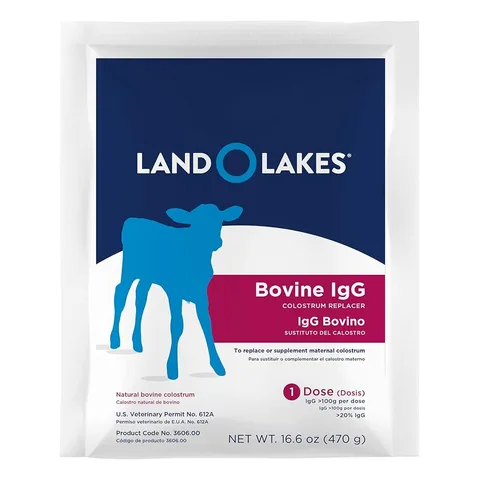
- Safe to feed. The first milk. Merck lists it for the first 24–48 hours at 30–40 mL per kg a feed. Rehabbers use goat, sheep or cow colostrum.Ages 0–2 days#
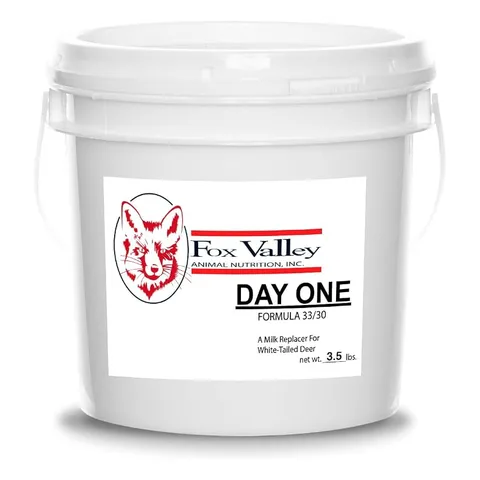
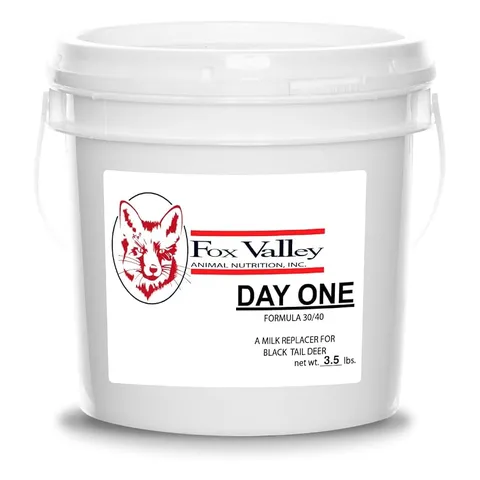
- Safe to feed. Deer formula such as Fox Valley 33/30 for whitetail or 30/40 for mule deer. Mix it exactly as the label says.Ages 2 days–14 weeks#
- Safe to feed. A powdered goat milk replacer is a common stand-in when deer formula isn't on hand. NADeFA warns that cheap brands are often poor.Ages 2 days–14 weeks#
- Safe to feed. Merck lists lamb milk replacer for fawns, and its maker says it is close to deer milk. Mix it as for lambs.Ages 2 days–14 weeks#
- Safe to feed. Fresh leafy branches of native trees and shrubs, always on hand once it nibbles solids. Rehab centers cut fresh browse every day.From 2 weeks#
- Safe to feed. Hand-picked clover, dandelions and alfalfa greens are offered daily to fawns on solids, and as part of weaning.From 2 weeks#
- Safe to feed. Rehabbers switch weaning fawns to grass and leafy greens before grain. Fawns start eating green forage from about 2 weeks.From 4 weeks#
- Safe to feed. A 16–18% protein deer or goat starter, free choice once it starts on solids. Merck names goat chow and Calf Manna.From 2 weeks#
- Safe to feed. A small bowl of clean water every day once it eats solids. A finder should not give water or anything else to a fawn.From 2 weeks#
Small amounts only (5)
- Small amounts only. Merck lists it and some rehabbers use fresh goat milk, but others say it is too low in fat and protein. Only on a rehabber's say.Ages 2 days–14 weeks#
- Small amounts only. Rehabbers rehydrate a weak fawn with oral electrolytes, such as unflavored Pedialyte, before milk and apart from it. Only on their say.All ages#
- Small amounts only. Good alfalfa hay is part of a rehab weaning diet. Grass hay alone has starved wintering deer; a sudden switch to alfalfa can cause bloat.From 8 weeks#
- Small amounts only. A natural fall food for weaned deer. Maine lists acorns as a winter supplement next to browse. Not a food for a milk-fed fawn.From 14 weeks#
- Small amounts only. Maine lists oats as a supplement for wintering deer, not a staple. A weaned fawn needs browse and a balanced pellet first.From 14 weeks#
Never feed (12)
- Never feed. Makes most wild orphans sick and dehydrated, Texas Parks and Wildlife says. Rehab groups say fawns need fawn formula, never cow's milk.
- Never feed. Rehabbers list human infant formula, with cow's milk, among products that don't give wild babies adequate nutrition.
- Never feed. Corn's starch causes rumen acidosis. Wisconsin DNR says deer can die within 24–72 hours of eating too much grain, even in good condition.
- Never feed. Kitchen scraps don't meet a deer's needs, and Maine says do not feed them. Sudden starchy food upsets the rumen.
- Never feed. Not a fawn food. Deer find apples hard to digest, and a sudden sugary diet can kill a deer used to browse.
- Never feed. Not a fawn food. Kitchen produce doesn't meet a deer's needs, and Maryland DNR says people should never feed a fawn anything.
- Never feed. Not a fawn food. A sugary diet can upset a deer's rumen, and no rehab source feeds fruit to fawns.
- Never feed. Not a fawn food. A sugary diet can upset a deer's rumen, and no rehab source feeds fruit to fawns.
- Never feed. Not a fawn food. Colorado wildlife officials say a sudden switch to rich foods like corn or birdseed shocks a deer's digestion.
- Never feed. Cow's milk products make wild orphans sick. A fawn's milk must be a fawn, goat or lamb formula set by a rehabber.
- Never feed. Maine says do not feed cabbage or lettuce trimmings to deer. They lack the nutrition deer need.
- Never feed. Maine lists potatoes with hay and corn as foods that cause malnutrition and death in wintering deer.
Sources
- Feeding Orphaned Fawns (table) — Merck Veterinary Manual
- Care of Orphaned Native Birds and Mammals (Laurie J. Gage DVM, Rebecca S. Duerr DVM PhD) — Merck Veterinary Manual
- You found a deer fawn all alone... now what? — Maine Department of Inland Fisheries and Wildlife
- Winter Feeding of Deer: What You Should Know — Maine Department of Inland Fisheries and Wildlife
- If You Find a Fawn, Leave It Alone — Virginia Department of Wildlife Resources
- Injured and Orphaned Wildlife: Deer — Virginia Department of Wildlife Resources
- Deer Fawn Facts — Maryland Department of Natural Resources
- I found a baby fawn — Wisconsin Humane Society
- Deer: Renesting and Reuniting — San Diego Humane Society
- Orphaned and Injured Animals — Texas Parks and Wildlife Department
- DEC Urges New Yorkers to Leave Fawns and Other Young Wildlife in the Wild (2022) — New York State Department of Environmental Conservation
- Springtime Alert: Leave Young Wildlife Alone — Pennsylvania Game Commission
- Deer Fawns and What to Do If You Find One — Washington Department of Fish and Wildlife
- Corn toxicity in ruminants — Wisconsin Department of Natural Resources
- Feeding Wildlife: Harmful, Not Helpful — Colorado Outdoors (Colorado Parks and Wildlife)
- Winter wildlife feeding has pitfalls — Washington Department of Fish and Wildlife
- Don't Feed Deer in the Winter, Here's Why — Tufts Wildlife Clinic, Cummings School of Veterinary Medicine
- When Do Fawns Begin Eating Natural Forage? — National Deer Association
- Formula Feeding in Wildlife Rehabilitation — Fox Run Environmental Education Center
- Fluids: Dehydration and Rehydration in Wildlife Rehabilitation — Fox Run Environmental Education Center
- Got milk?...not so fast! — Pelican Harbor Seabird Station
- Got milk? (Duck Pond Wildlife Care Center) — Natural Resources Council of Maine
- Mule and White-Tailed Deer Fawns — Alberta Institute for Wildlife Conservation
- What to do if you find a fawn (Wildlife Center of Virginia) — WVTF Radio IQ
- Fawn Care Guidelines (Dr. Cliff Shipley) — North American Deer Farmers Association
- Using Lamb Milk Replacer for Deer and Elk — Milk Products LLC (manufacturer)
- Fox Valley Day One Formula 33/30 for White Tail Deer (label text) — Henry's Pets (retailer listing)
- Fox Valley Day One Formula 30/40 for Black Tail Deer (label text) — Henry's Pets (retailer listing)
- Help! I Found a Fawn — Tiger Creek Animal Sanctuary
- Fawns (Wildlife Medical Clinic blog) — University of Illinois College of Veterinary Medicine
- Keep wildlife wild: know what to do if you find a fawn (press release) — Wisconsin Department of Natural Resources, via Urban Milwaukee
Found a baby deer? Check before you feed anything
State wildlife agencies agree on the first instruction: leave it alone and don’t feed it. Maryland DNR says to never feed a fawn anything. Maine Inland Fisheries and Wildlife says not to feed it under any circumstances. The reason is that most “orphaned” fawns are not orphans. More than half the fawns brought to the Wildlife Center of Virginia had a mother nearby.
1. Know why it’s alone
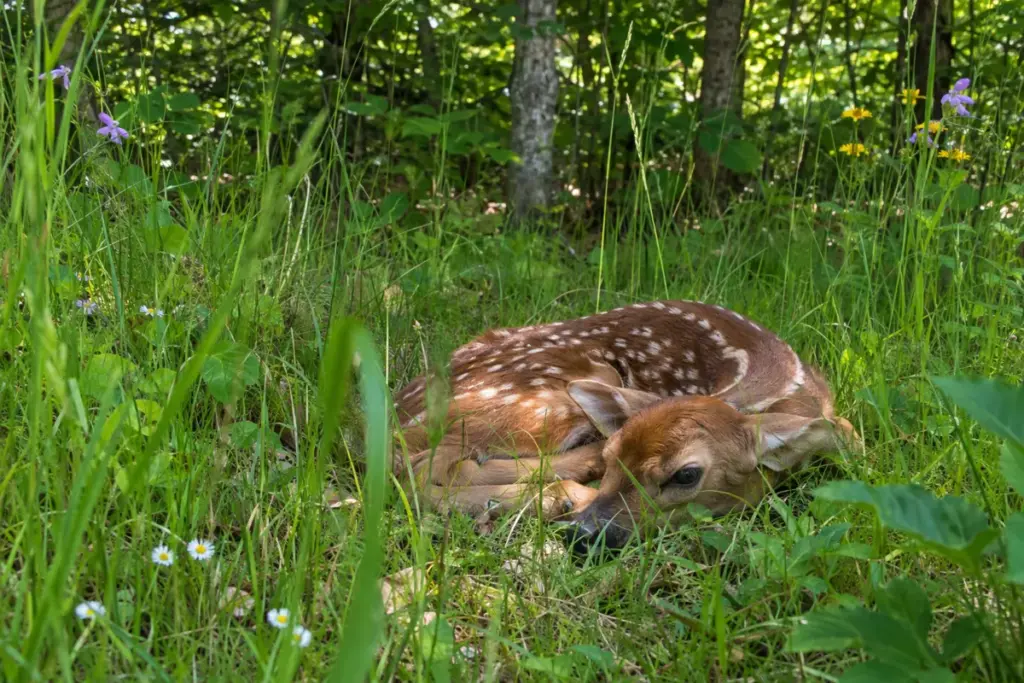
A doe hides her newborn in grass or brush and walks away so her scent doesn’t lead predators to it. She comes back two or three times a day to nurse for a few minutes, and she can be gone up to 12 hours at a stretch. The fawn has almost no scent and lies still when anything comes close. A fawn that doesn’t run from you is doing its job, not dying. This hiding stage lasts until the fawn is strong enough to follow its mother, at about 2 to 3 weeks.
2. Look for signs it’s truly orphaned
Maine’s S.P.O.T. check and the Wisconsin Humane Society list the signs that a fawn needs help:
- Crying nonstop for hours. An occasional call is normal. Calling all day is not.
- Lying on its side with legs splayed, or unable to stand or lift its head. A healthy fawn rests with its legs tucked under it.
- Flies, fly eggs or maggots on it, or eyes swollen shut by ticks. A few ticks are normal.
- Wounds, heavy bleeding or a broken leg.
- A dead doe nearby.
- Wandering and crying for a long time, or cold, weak and thin.
Any one of these means a call to a rehabber now, not a wait.
3. If it looks healthy, leave and check after 24 hours
San Diego Humane Society’s rule: leave the fawn where it is, take your people and pets away, and look again after 24 hours. A doe won’t come back while you stand nearby. If the fawn is still in the same spot a day later and no doe has been seen, it is likely orphaned. Keep dogs inside or leashed in the meantime.
If someone already picked it up, Virginia DWR says to put it back in the exact spot within 24 hours and leave right away. The doe will not reject it because people touched it. Maryland DNR confirms that human or pet scent does not make a doe avoid her fawn.
4. Call a licensed rehabber
Find a licensed wildlife rehabilitator through Animal Help Now or call your state wildlife agency. Until a rehabber tells you otherwise, give the fawn no food and no water, not even a test sip. If they ask you to bring it in, keep it in a box in a warm, dark, quiet room away from pets and children, and handle it as little as possible.
Keeping or raising a fawn without a permit is illegal in most states, including Pennsylvania, Virginia, Texas, New York and Maryland. Pennsylvania fines up to 1,500 dollars per animal. Some states restrict deer rehab further because of chronic wasting disease: in most of southern Wisconsin, rehabbers may only advise, reunite or euthanize fawns, so ask before you drive one anywhere.
The rest of this guide explains what a fawn eats in rehab care, so you know what the rehabber will do and what to refuse if a neighbor hands you a bottle of cow’s milk.
What to feed a baby deer: colostrum, then fawn formula
A fawn’s first meals are colostrum, the thick first milk that carries its mother’s antibodies. The North American Deer Farmers Association calls it the most important thing a newborn gets, because the gut absorbs those antibodies only in roughly the first 24 hours. The Merck Veterinary Manual gives colostrum for the first 24 to 48 hours. Rehabbers use goat, sheep or cow colostrum when deer colostrum isn’t available, and they never thaw it in a microwave.
From about day 2, a fawn moves to milk replacer:
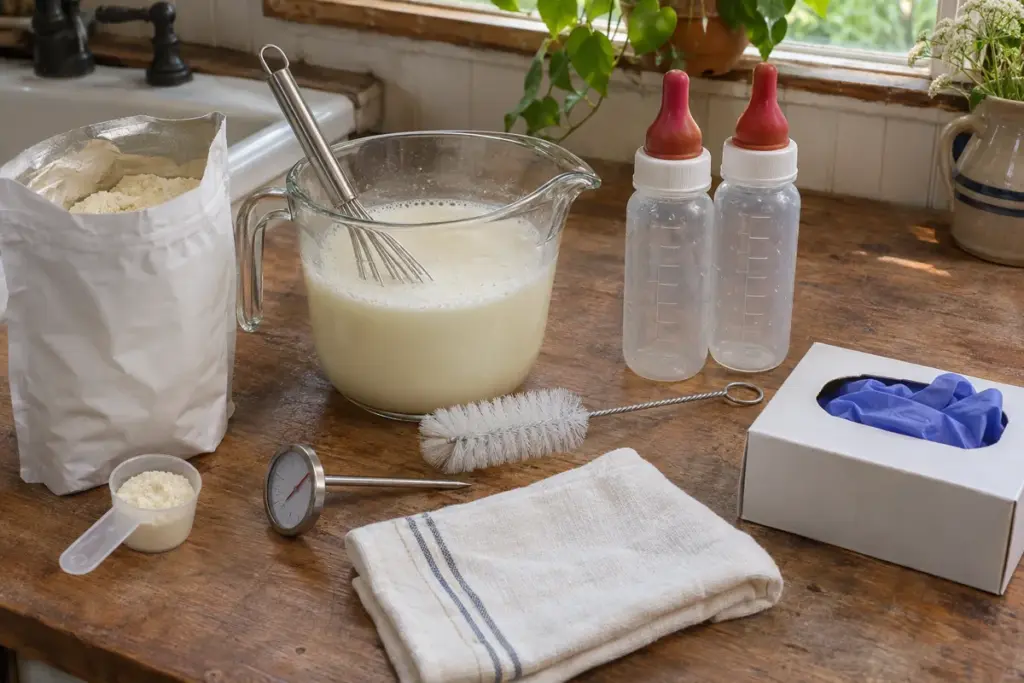
- Fawn milk replacer is the first choice. Fox Valley makes Day One 33/30 for white-tailed deer and Day One 30/40 for black-tailed and mule deer. The label mixes 1 part powder to 2 parts warm water (about 100 °F) by volume and says never thinner than 1 to 3. Refrigerate leftovers and use them within 24 hours.
- Goat milk replacer is the common stand-in. NADeFA’s fawn guide notes that cheap brands are usually poor.
- Lamb milk replacer is on Merck’s list for fawns, and its manufacturer says it is the closest match to deer milk. It is mixed as for lambs.
- Fresh goat’s milk splits the experts. Merck lists it and some rehab centers use it for their youngest fawns. Others reject it as too low in fat and protein. Treat it as a rehabber’s call.
Rehabbers do not use homemade fawn formulas. Pelican Harbor’s rehab team lists cow’s milk, evaporated milk, human infant formula, plant milks and kitchen recipes as foods that leave wild babies with poor growth, weak bones or worse.
Foods that harm baby deer
- Cow’s milk and dairy. Texas Parks and Wildlife says cow’s milk makes most wild orphans sick and dehydrated. Cheese and other dairy fall under the same rule.
- Human baby formula. It does not meet a fawn’s needs.
- Corn. Deer have a rumen, and a load of starchy grain turns it acidic. The Wisconsin DNR wildlife disease manual says deer can die within 24 to 72 hours of eating too much grain, even when they were in good condition.
- Bread, crackers and kitchen scraps. Maine tells people not to feed deer kitchen scraps, potatoes, cabbage or lettuce trimmings.
- Fruit, carrots, peanuts and birdseed. No rehab protocol feeds these to fawns. Colorado wildlife officials say a sudden switch to rich foods like corn or birdseed shocks a deer’s digestion, and Maine says a sugary diet can cause rapid death.
- Hay for a milk-fed fawn. Hay is a weaning food at best. Wintering deer have starved with stomachs full of grass hay.
How rehabbers bottle-feed a fawn
These are the steps rehab and veterinary sources describe for a fawn already in a rehabber’s care, or one a rehabber is walking you through on the phone.
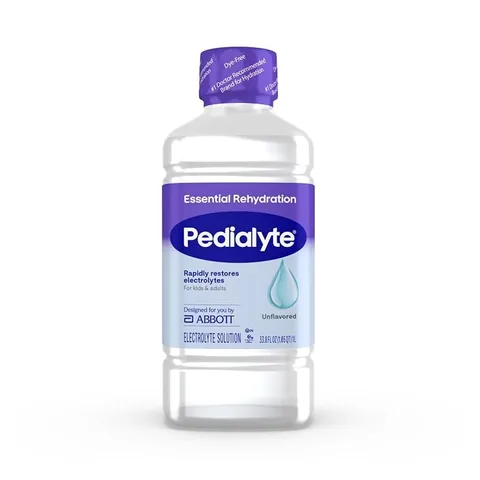
- Warm and rehydrate first. Merck says hypothermia and dehydration are corrected before any milk. A rehabber may start a weak fawn on oral electrolytes such as unflavored Pedialyte, then bring the milk up from about quarter strength.
- Weigh the fawn. Every source sets amounts by body weight: about 10 to 20% of body weight a day, split into several feeds.
- Keep each feed small. Milk Products, a replacer maker, caps one feed at 3% of body weight. A 6 lb (2.7 kg) newborn gets a little under 3 oz (about 80 mL). Overfeeding causes bloat, diarrhea and milk in the lungs.
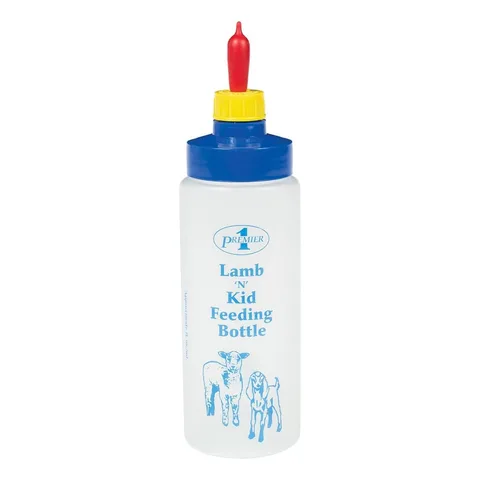
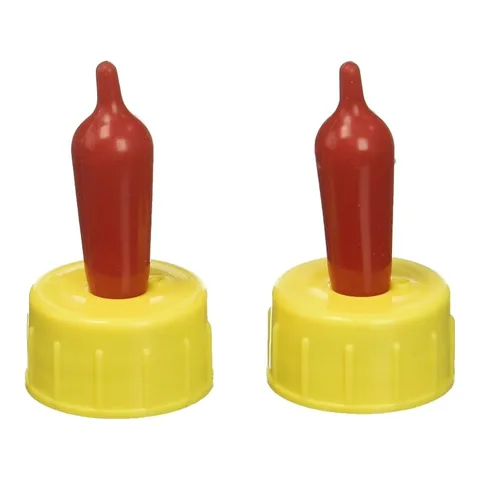
- Use a soft lamb nipple on a plastic bottle. NADeFA likes Pritchard nipples because fawns take to them. Changing the nipple often helps a reluctant fawn.
- Never enlarge the nipple hole or squeeze the bottle. A fawn that gulps can pull milk into its windpipe, which leads to coughing, pneumonia and death.
- Help it pee and poop. A doe licks her fawn to make it go for its first weeks. After each feed, stroke its rear with warm, damp gauze or a soft cloth until it urinates and passes stool.
- Clean everything. Wash your hands, use one nipple per fawn and sanitize bottles and nipples after every feed.
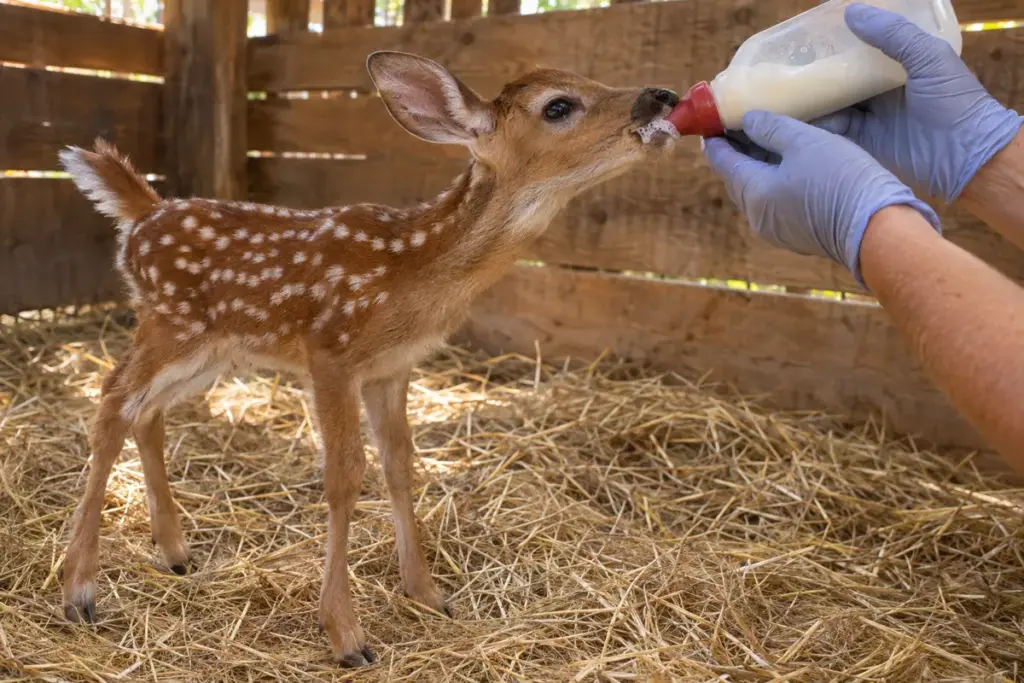
Rehab centers raise fawns in groups with as little human contact as possible and keep them away from dogs. A fawn that bonds with people loses its fear of them. Maine cites studies in which captive-raised fawns had an 85% chance of dying within three months of release, and a hand-raised buck can turn on people once it matures.
Baby deer feeding schedule by age
The schedule combines the Merck fawn table, the Fox Valley label and rehab sources. Sources differ on first-week feeds, from 4 to 8 a day. The table uses 4 to 6, the range vet and rehab sources share. If you don’t know the fawn’s age, the “looks like” column and its weight are the best guides.
| Age | What it looks like | Food | Amount | How often | Notes |
|---|---|---|---|---|---|
| 0–2 days | Spotted newborn, about 4–8 lb at birth | Colostrum (deer, goat, sheep or cow) | 30–40 mL per kg per feed (Merck) | 5 feeds a day | The gut takes in colostrum antibodies only in about the first 24 hours. Rub its rear with a warm damp cloth after feeds so it pees and poops. |
| 2 days–1 week | Hides alone between feeds; doubles its birth weight by about 2 weeks | Fawn milk replacer, or goat or lamb milk replacer | Fox Valley label: 16 oz a day in total. No more than 3% of body weight per feed (Milk Products) | 4–6 feeds a day | Soft lamb nipple. Never enlarge the hole or squeeze the bottle: milk can go into the lungs. |
| 1–2 weeks | Still hides; starts nibbling plants near the end of week 2 | Milk replacer | Fox Valley: 24–30 oz a day. Merck: up to 300 mL a feed. About 10–20% of body weight a day | 3–4 feeds a day | Weigh it to set amounts. Overfeeding causes bloat and diarrhea. |
| 2–4 weeks | Starts chewing cud; strong enough to follow the doe by about 3 weeks | Milk replacer, plus browse, starter pellets and a water bowl | Merck: up to 460 mL a feed. Solids free choice | 3 feeds a day | Keep natural browse in the pen at all times. Raise fawns with other fawns, never alone. |
| 4–8 weeks | About 3 times its birth weight at 1 month; still spotted | Milk replacer, browse, clover and dandelion, starter pellets, water | Fox Valley: 30–35 oz a day. Merck: 480 mL once a day at 7 weeks | 2–3 feeds a day, down to 1 by about 7 weeks | Milk now tops up plants and pellets, so solid intake should climb each week. |
| 8–14 weeks | Can live without milk from about 10 weeks | Browse, greens, starter pellets, alfalfa hay, water | Fox Valley: about 15 oz of formula once a day until weaned | Once a day, then stop; fully weaned at 12–14 weeks (Fox Valley) | Merck has fawns on solids only by 8–10 weeks. Wean on intake and body condition. |
| 14 weeks and up | Spots fade at 90–120 days as the winter coat grows | Browse, forage, starter pellets, water | Free choice | Eats on its own | Rehabbers release fawns in their group before hunting season. A hand-raised buck can attack people. |
Weigh at the same time every day and write it down. A healthy fawn doubles its birth weight in about 2 weeks on milk alone, according to the National Deer Association, and triples it by about a month. A fawn that stops gaining needs a vet or an experienced deer rehabber.
Weaning: when baby deer start eating plants
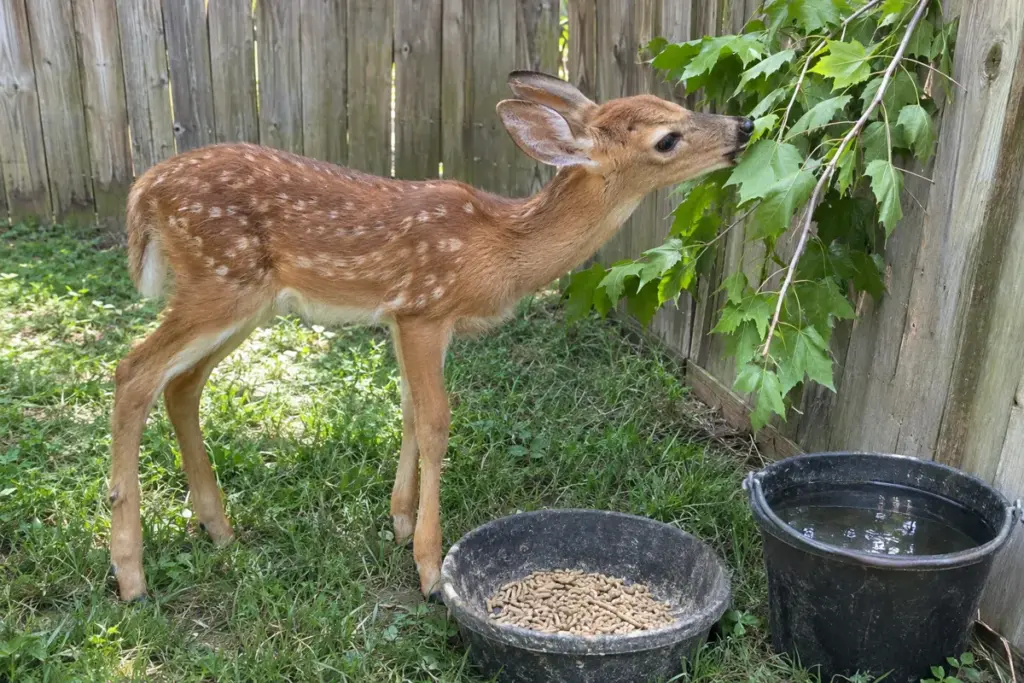
Fawns start chewing their cud and nibbling plants at about 2 weeks. In rehab, solid food is always on hand from then on, and milk tapers as solids climb.
- Browse. Fresh leafy branches of native trees and shrubs stay in the pen at all times. Rehab centers such as the Alberta Institute for Wildlife Conservation cut fresh browse every day.
- Clover, dandelions and grass. NADeFA hand-picks clover and dandelions daily, and Maine’s Duck Pond Wildlife Care Center moves its weaning fawns to grass and leafy greens before grain.
- Starter pellets. A 16 to 18% protein deer or goat starter, free choice. Merck names goat chow and Calf Manna.
- Water in a small bowl, changed every day once the fawn eats solids.
- Alfalfa hay from about 8 weeks, in a weaning diet that already has browse. Not a staple on its own.
- Milk tapers off. Merck drops to one bottle a day at 7 weeks and solid food only by 8 to 10 weeks. Fox Valley tapers to about 15 oz once a day until full weaning at 12 to 14 weeks. NY DEC says fawns no longer depend on milk at about 10 weeks.
Can baby deer eat apples, carrots or corn?
No. None of them belongs in a fawn’s diet. Corn is the dangerous one: grain overload causes acidosis and can kill a deer within days. Apples, carrots, bananas and other produce are not part of any rehab protocol, and wildlife agencies tell people not to feed deer kitchen food at all. A weaned fawn eats leaves, twigs, forbs and grass. Acorns and oats are seasonal supplements for weaned deer, never for a fawn on the bottle.
Signs something is wrong
- Diarrhea (scours): usually an infection such as E. coli or coccidia rather than the formula. Milk Products advises electrolytes between milk feeds, never mixed into the milk. Diarrhea lasting more than 24 hours needs a vet.
- Coughing or wheezing after feeds: milk may have gone into the lungs from gulping or a squeezed bottle. Call a vet or rehabber now.
- A swollen, tight belly: bloat from overfeeding or a sudden diet change. Call a rehabber or vet.
- Lethargy, refusing the bottle, many ticks or flies, or wounds: get it to a rehabber or vet today.
- No weight gain: the amount, the formula or the fawn’s health is off. A rehabber needs to see it.
Printable baby deer feeding chart
The cheat sheet fits on one page. It has the safe, small amounts only and never food lists, the schedule by age, the orphan checks and a log for weight, feeds and stool. Print it in color or in black and white.
Supplies for feeding a fawn
These are the products rehab and veterinary sources name for bottle-raising fawns. They are for licensed rehabbers and anyone a rehabber has asked to feed a fawn. If you just found one, call a rehabber first.

More about deer
Once a fawn is weaned it eats like an adult, which is covered in what white-tailed deer eat through the seasons. For other deer, read what Père David’s deer eat, the diet of the black musk deer and the differences between elk and moose. Found a different orphan? See what to feed a baby squirrel or a baby pigeon. All our deer articles are in the deer section.
Frequently asked questions
What do you feed a baby deer if you find one?
Nothing. State wildlife agencies tell finders not to feed a fawn anything, not even water. Most fawns found alone are not orphans: the doe leaves them hidden for up to 12 hours and returns to nurse. If the fawn cries for hours, lies on its side, has flies or wounds, or a dead doe is nearby, call a licensed wildlife rehabilitator.
Can baby deer drink cow's milk?
No. Texas Parks and Wildlife says cow's milk makes most wild orphans sick and dehydrated. Rehabbers feed fawns colostrum for the first day or two, then a fawn milk replacer such as Fox Valley 33/30, or a goat or lamb milk replacer.
Can I give a fawn human baby formula?
No. Wildlife rehabbers list human infant formula, along with cow's milk, evaporated milk and plant milks, among products that do not give wild babies adequate nutrition. A fawn needs colostrum and then a deer, goat or lamb milk replacer.
Can baby deer drink goat milk?
Goat milk replacer is a common stand-in for fawn formula. Fresh goat's milk is debated: the Merck Veterinary Manual lists it and some rehab centers use it, while other rehabbers say it is too low in fat and protein. Leave that choice to a rehabber.
How much milk does a baby deer drink?
About 10 to 20% of its body weight a day, split into several feeds. The Fox Valley label gives about 16 oz a day in the first week, 24 to 30 oz a day from 1 week to 1 month, and 30 to 35 oz a day at 1 to 2 months. Milk Products caps a single feed at 3% of body weight.
How often do you feed a baby deer?
Colostrum 5 times a day for the first 2 days, then 4 to 6 bottles a day in the first week. Feeds drop to 3 a day by about 2 weeks, 2 to 3 a day at 1 to 2 months and once a day from about 7 or 8 weeks until weaning.
When do baby deer start eating grass and leaves?
Fawns start chewing their cud and nibbling plants at about 2 weeks old. In rehab, fresh browse, clover, dandelions, starter pellets and water are offered from then on. Fawns can survive without milk by about 10 weeks, and the Fox Valley label weans them fully at 12 to 14 weeks.
Can deer eat corn?
Corn is dangerous for deer. A load of starchy grain makes the rumen acidic, and the Wisconsin DNR says deer can die within 24 to 72 hours of eating too much grain, even when they were in good condition. Never give corn to a fawn.
Can baby deer eat apples or carrots?
No. Fruit and vegetables are not part of any fawn rehab diet, and wildlife agencies tell people not to feed deer kitchen food. Maine warns that a sudden sugary diet can kill deer. A weaned fawn eats leaves, twigs, forbs, grass and a balanced pellet.
Will a mother deer reject a fawn touched by humans?
No. Maryland DNR says a doe will not avoid her fawn because of human or pet scent. If someone picked up a healthy fawn, put it back in the exact spot within 24 hours and leave so the doe can return.
Is it legal to keep a baby deer?
In most US states, no. Pennsylvania, Virginia, Texas, New York and Maryland all forbid keeping or raising wild deer without a permit, and Pennsylvania fines up to 1,500 dollars per animal. Only licensed wildlife rehabilitators may care for orphaned fawns.
How long can a fawn go without its mother feeding it?
A doe can stay away from a hidden fawn for up to 12 hours and usually returns two or three times a day to nurse. San Diego Humane Society advises checking again after 24 hours. Call a rehabber sooner if the fawn shows any distress sign.
Sources
- Feeding Orphaned Fawns and Care of Orphaned Native Birds and Mammals, Merck Veterinary Manual
- You found a deer fawn all alone… now what? and Winter Feeding of Deer, Maine Department of Inland Fisheries and Wildlife
- Deer Fawn Facts, Maryland Department of Natural Resources
- If You Find a Fawn, Leave It Alone, Virginia Department of Wildlife Resources
- Deer: Renesting and Reuniting, San Diego Humane Society
- I found a baby fawn, Wisconsin Humane Society
- Orphaned and Injured Animals, Texas Parks and Wildlife Department
- Corn Toxicity in Ruminants, Wisconsin Department of Natural Resources
- When Do Fawns Begin Eating Natural Forage?, National Deer Association
- Fawn Care Guidelines, North American Deer Farmers Association