Table of Contents
- Turkey’s Fruit Calendar: What Ripens When
- Where the Best Fruit Actually Comes From
- Citrus, Stone Fruit, and Everything In Between
- The Fruits Nobody Mentions
- How Turks Actually Eat This Stuff
- Where to Buy It Fresh
- The Short Version
Turkey grows somewhere around 75 of the roughly 138 fruit species that exist on Earth, a stat every Turkish tourism board loves to repeat and one that happens to be true. The country straddles enough climate zones — Mediterranean coast, Black Sea humidity, high Anatolian plateau — that citrus, stone fruit, and alpine berries all grow within a few hundred miles of each other. That’s the part most “top fruits of Turkey” lists skip past on their way to a photo of a fig.
What follows isn’t a list of pretty produce. It’s organized the way a Turkish greengrocer would explain it to you: by when it shows up, where it comes from, and what you’re actually supposed to do with it once you’re holding one.
Turkey’s Fruit Calendar: What Ripens When
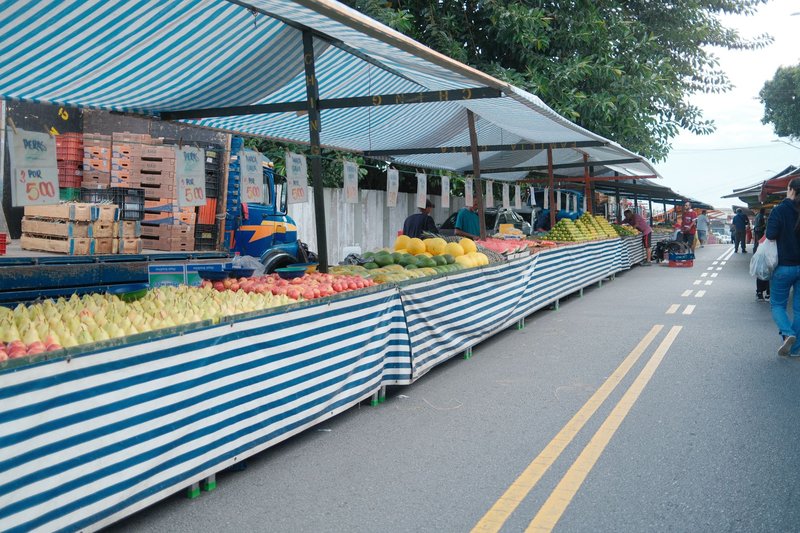
Turkish markets don’t stock everything year-round the way a Western supermarket does — seasonality is still the organizing principle, and vendors will tell you flatly when something isn’t in season instead of selling you a flavorless import. Here’s roughly when to expect the big ones.
| Fruit | Peak Season | Main Region | Typical Use |
|---|---|---|---|
| Strawberry | March–May | Mersin, Aydın | Fresh, desserts |
| Cherry | May–June | Afyonkarahisar, Isparta | Fresh |
| Apricot | June–July | Malatya | Fresh, dried, jam |
| Fig | June–October (two flushes) | Aydın, İzmir | Fresh, dried |
| Peach & Nectarine | June–August | İzmir, Bursa | Fresh |
| Watermelon & Melon | July–September | Diyarbakır, Adana | Fresh |
| Grape | August–October | Nevşehir, Manisa | Fresh, raisins, pekmez |
| Pomegranate | September–December | Antalya, Muğla | Fresh, juice, molasses |
| Quince | October–December | Isparta, Çanakkale | Cooked, jam |
| Orange & Mandarin | November–March | Adana, Antalya, Mersin | Fresh, juice |
| Loquat | April–May | Antalya, Mediterranean coast | Fresh |
Two things break the pattern most visitors don’t expect. Figs actually fruit twice — an early June crop (erik inciri, smaller and less sweet) and the main late-summer crop that gets dried for export. And citrus in Turkey peaks in winter, not summer, which trips up anyone assuming orange season lines up with beach season. It doesn’t — you’ll find the best Mediterranean oranges in January, wrapped against the same cold that has you reaching for a coat.
Where the Best Fruit Actually Comes From
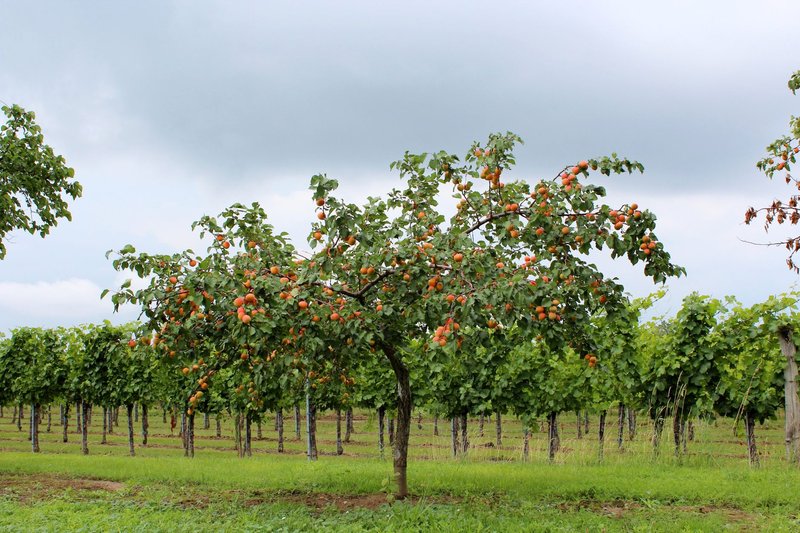
Turkish fruit culture is regional in a way that’s baked into the language — ask for apricots and people assume you mean Malatya apricots, the way you’d assume Parma meant ham. The geography does the work the marketing doesn’t have to.
Malatya, the apricot province. Malatya alone accounts for a huge share of the world’s dried apricot supply, and the region’s Hacıhaliloğlu variety is prized specifically because its high sugar content lets it sun-dry without sulfur treatment — most of what you’ll find labeled “natural” dried apricot outside Turkey started here. June is harvest month; by July the hillsides around the city are covered in fruit laid out on tarps to dry, an image that’s become the region’s unofficial logo.
Aydın and the fig belt. The Aegean’s fig country runs along the lower Büyük Menderes valley, where hot days and cool nights produce the Sarılop variety — pale gold, thin-skinned, and the one you’ve actually eaten if you’ve bought Turkish dried figs anywhere. Aydın figs get sun-dried on the ground for roughly two weeks, a method growers there will argue, at length, is superior to kiln drying.
The Black Sea’s hazelnuts. Not technically a fruit in the produce-aisle sense, but the Black Sea coast — Ordu and Giresun provinces especially — grows around 70% of the world’s hazelnuts, and the local economy runs on the harvest the way Malatya’s runs on apricots. If a chocolate bar anywhere in the world lists hazelnuts, there’s a decent chance they came from a steep hillside near Giresun.
Mediterranean citrus. Mersin, Antalya, and Hatay form Turkey’s citrus belt, and according to the USDA Foreign Agricultural Service, Turkey ranks among the world’s top producers of lemons specifically, alongside strong mandarin and orange output aimed heavily at EU export. Winter travelers to Antalya are usually surprised to find citrus groves running right up to resort fences.
Citrus, Stone Fruit, and Everything In Between
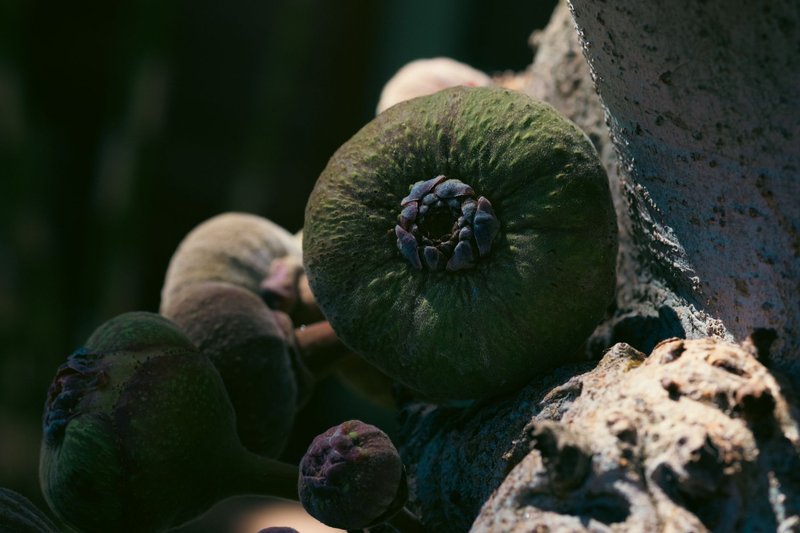
Citrus dominates the winter months along the southern coast — lemons from Mersin, oranges and mandarins from Adana and Antalya. Turkish lemons in particular are a serious export crop; the USDA’s citrus data tracks Turkey as one of the largest lemon exporters supplying European markets through the winter, which is a big part of why lemon shows up in nearly every savory Turkish dish rather than staying confined to dessert.
Stone fruit is a summer story: apricots first, then cherries and sour cherries from the Afyonkarahisar and Isparta plateaus, then peaches and nectarines from the Aegean coast through August. USDA stone fruit reporting consistently ranks Turkey among the top global apricot producers by volume — not a marginal player, the actual apricot supplier for a meaningful chunk of the world.
Melons and grapes carry the country through late summer and into fall. Diyarbakır watermelons get their own regional bragging rights (locals claim the Tigris valley soil makes them sweeter), and Anatolian grape country — Nevşehir and the Cappadocia region especially — feeds both the table-grape market and the raisin and pekmez trade, which is where a lot of the crop actually ends up.
Pomegranate and quince close out the year. Pomegranate from the Antalya and Muğla coast gets pressed into juice and reduced into the tart, thick pomegranate molasses (nar ekşisi) that shows up in salads across the country. Quince, meanwhile, is a fruit nobody eats raw here — it’s too astringent — but simmered slowly with sugar it turns a deep rose color and becomes one of the more distinctive Turkish desserts, usually served with a thick spoon of kaymak on top.
The Fruits Nobody Mentions
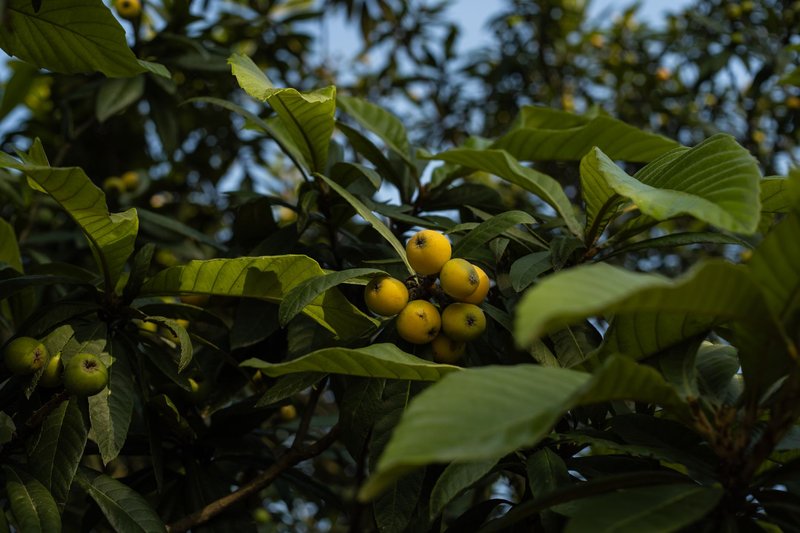
Most “fruits of Turkey” roundups stop at the greatest hits. There’s a second tier worth knowing, because it’s what a Turkish grandmother’s kitchen actually has in it that a tourist market stall doesn’t.
Loquat (yenidünya). Literally “new world” in Turkish, despite being one of the earliest fruits of the year — it ripens in April, before almost anything else, along the Mediterranean and Antalya coast. Turkey is consistently one of the world’s larger loquat producers, and a 2010 study published via PubMed Central on loquat cultivars grown in Hatay province found meaningful variation in antioxidant content between varieties — which is a scientific way of saying not all loquats are created equal, something any grower there would have told you for free. Eat them fresh, chilled, skin and all except the large seeds.
Hawthorn (alıç). A small, tart, apple-relative fruit that grows wild across nearly every Turkish region, from the Aegean hills to inner Anatolia. Street vendors in Istanbul sell branches of it, thorns and all, as a snack — you eat it the way you’d eat a crabapple, sour and slightly mealy, and most Turks associate it with childhood more than with cuisine.
Rosehip (kuşburnu). The fruit left behind after a wild rose drops its petals, foraged rather than farmed, mostly along the Black Sea coast. It’s turned into jam, tea, and a marmalade so tart it needs real sugar to be edible — but it’s also one of the highest natural vitamin C sources around, which is why it shows up in cold-season home remedies as much as in the pantry.
Medlar (muşmula). A genuinely strange fruit — hard and inedible off the tree, then left to soften (“bletted”) after a frost until the flesh turns brown, custardy, and faintly wine-like. It grows along the Black Sea and Marmara regions and confuses almost everyone who tries it for the first time, which is exactly the point.
How Turks Actually Eat This Stuff
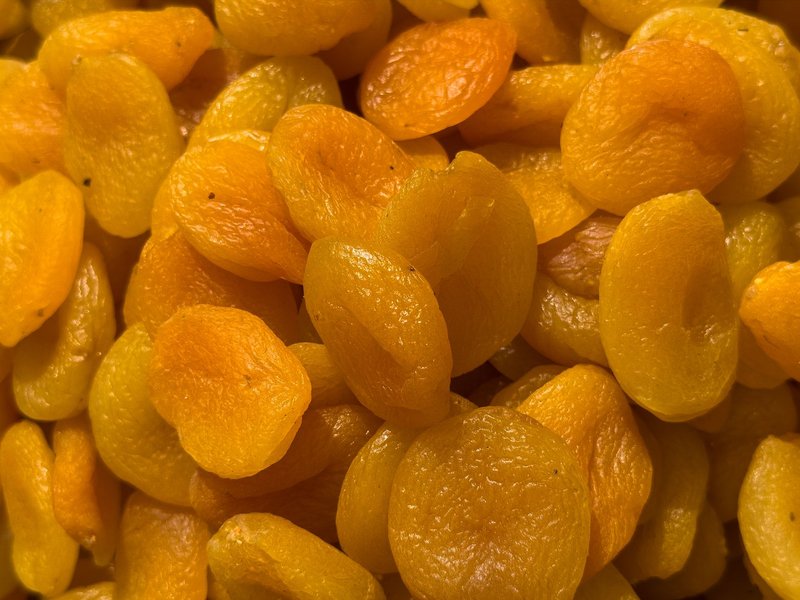
Fresh eating is only half the picture. Turkey dries, presses, and reduces fruit as a matter of course, not as a novelty product for export shelves.
Pekmez (fruit molasses, usually grape or mulberry) gets boiled down from raw juice with no added sugar and used the way honey is used elsewhere — drizzled over tahini for breakfast, stirred into yogurt, or eaten straight off a spoon in winter for the vitamin hit. Pestil is that same reduced fruit paste dried into thin leather sheets, then sometimes wrapped around walnuts to make köme or cevizli sucuk, a chewy roll that looks like sausage and tastes like fruit leather with a nut core.
Sun-drying is still the default preservation method for apricots, figs, and grapes, laid out on rooftops and open ground the way it’s been done for centuries — it’s slower and weather-dependent, but producers in Malatya and Aydın will tell you it’s the reason Turkish dried fruit tastes different from the sulfur-treated, machine-dried versions common elsewhere.
Where to Buy It Fresh

Every neighborhood in Turkey runs a weekly open-air market (semt pazarı), and that’s the honest answer to where to find fresh fruit — not the supermarket, where prices run higher and selection runs narrower. Istanbul’s Kadıköy and Beşiktaş markets, İzmir’s Kemeraltı bazaar, and Antalya’s central market are reliable for travelers, and vendors expect (and don’t mind) a bit of haggling on larger quantities. If a stall is selling something wildly out of season at a normal price, it’s imported — ask, and most sellers will just tell you.
The Short Version
Turkey’s fruit calendar runs on geography as much as weather: apricots mean Malatya, figs mean the Aegean, hazelnuts mean the Black Sea, citrus means winter on the Mediterranean coast. The fruit worth chasing isn’t always the one on the postcard — loquats in April, hawthorn off a street cart, a spoonful of pekmez instead of honey. Show up in the right month, ask a vendor what’s actually in season, and you’ll eat better than any pre-made list could promise you.