Most “unique flowers” roundups show you a photo, a common name, and maybe a scientific name in italics, then move on. That’s fine if you just want to gawk. It’s useless if you actually want one in your yard.
So this list does both jobs. Twenty flowers that genuinely don’t look like they belong on this planet, plus the part everyone skips: whether you can grow the thing, what USDA hardiness zone it needs, and where to actually buy seeds or bulbs. Some of these you can plant this weekend. A few you will never grow, and I’ll tell you why upfront so you don’t waste a season trying.
Table of Contents
- Corpse Flower
- Ghost Orchid
- Black Bat Flower
- Parrot’s Beak
- Monkey Orchid
- Naked Man Orchid
- Maypop Passion Flower
- Bleeding Heart
- Voodoo Lily
- Chocolate Cosmos
- Hot Lips Plant
- Living Stones
- Corpse Lily (Rafflesia)
- Swaddled Babies Orchid
- Matilija Poppy
- Queen of the Night
- Flying Duck Orchid
- Queen of the Andes
- Skull-Pod Snapdragon
- Crown Imperial Fritillaria
1. Corpse Flower
Amorphophallus titanum, native to the rainforests of Sumatra, produces the largest unbranched flower cluster in the world — a spike that can top eight feet — and times its bloom to smell like a dead animal for the roughly 24 to 48 hours it’s open. The stench is a lure for carrion beetles and flesh flies, its actual pollinators.
Growability: Not for home gardens. It needs a heated conservatory, a corm that can weigh over 100 pounds, and years of dormancy between blooms. Zone: Indoor/conservatory only. Source: You don’t buy one — you visit one. Botanical gardens with an active specimen post bloom alerts, and it’s worth planning a trip around.
2. Ghost Orchid
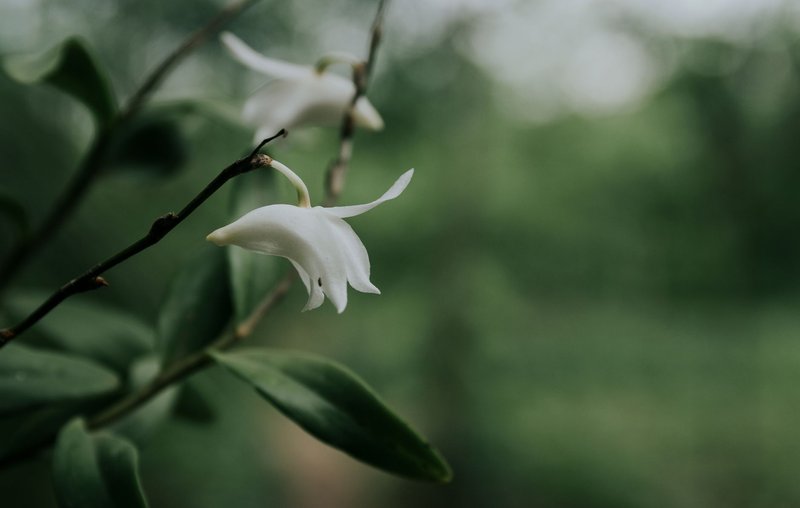
Dendrophylax lindenii grows without leaves or visible roots, clinging to tree bark in the swamps of Florida and Cuba with a tangle of flattened, photosynthetic roots that do the leaf’s job. When it flowers, the white bloom appears to hover in midair with nothing holding it up — hence the name, and the reason it became the obsession at the center of The Orchid Thief.
Growability: Essentially impossible outside specialist conservation labs, and it’s illegal to remove from the wild in Florida. Zone: Native range only (10b–11). Source: Don’t. Support a conservation nursery instead of chasing a wild plant.
3. Black Bat Flower
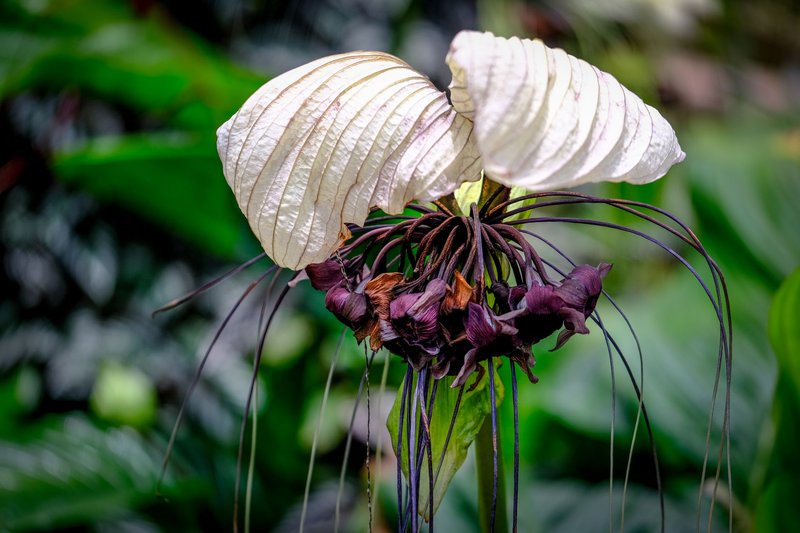
Tacca chantrieri, from the forest floors of Thailand, Malaysia, and southern China, grows a near-black flower with broad wing-like bracts and whiskers that trail up to two feet below the bloom. It looks less like a plant and more like a prop.
Growability: Moderate to difficult — it wants warmth, high humidity, and bright indirect light, so think terrarium or heated greenhouse rather than windowsill. Zone: 10–12 outdoors; houseplant everywhere else. Source: Specialty tropical plant nurseries carry corms and starts online.
4. Parrot’s Beak
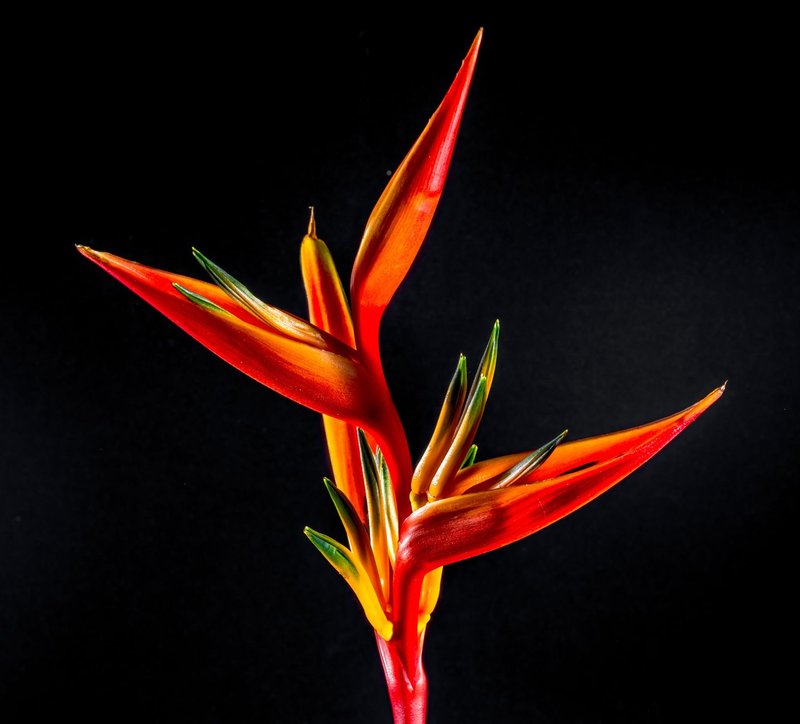
Lotus berthelotii is a trailing plant from the Canary Islands with narrow silver foliage and curved, claw-shaped red-orange flowers that really do resemble a parrot’s beak. Botanists haven’t confirmed a wild population in over a century, which the IUCN Red List tracks as part of its broader work cataloguing species that have effectively vanished outside cultivation.
Growability: Easy. It’s sold widely as an ornamental trailer for hanging baskets, which is the strange part — a plant missing from the wild that’s common in garden centers. Zone: 9–11, or grown as a summer annual further north. Source: Garden centers and mail-order nurseries.
5. Monkey Orchid
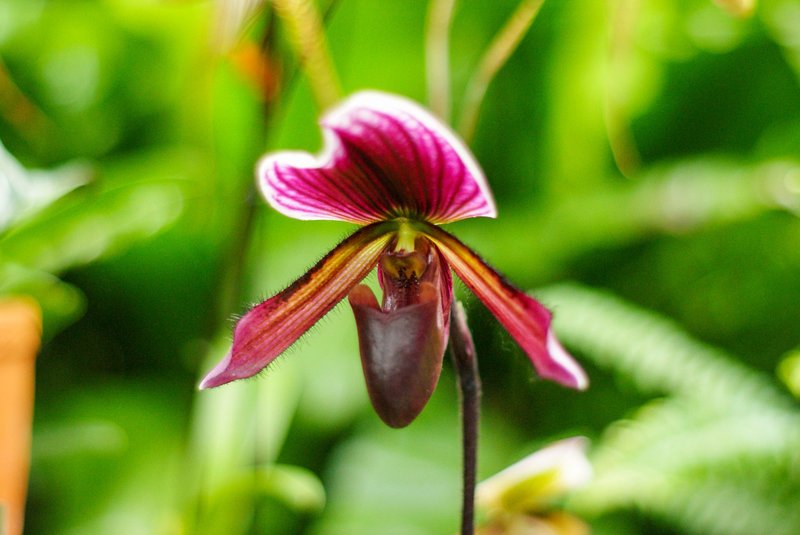
Dracula simia grows in the cloud forests of Ecuador and Peru, usually above 3,000 feet, where the fog rolls through the canopy most of the day. The column and petals arrange into something that reads, unmistakably, as a small monkey’s face.
Growability: Difficult. It needs the cool, constantly humid conditions of its cloud-forest origin, which most homes can’t fake without a dedicated cool-growing setup. Zone: 10–11, greenhouse conditions required elsewhere. Source: Specialty orchid nurseries that carry Dracula species.
6. Naked Man Orchid
Orchis italica grows across the Mediterranean, from Spain to Turkey, and each floret on its dense pink spike is shaped like a tiny human figure, arms and legs included, right down to an anatomically blunt detail that gives the flower its name.
Growability: Moderate. It’s a hardy terrestrial orchid suited to dry, sunny Mediterranean-style plantings — not a houseplant candidate. Zone: 7–9. Source: Specialty hardy-orchid nurseries in Europe; less common in North American retail.
7. Maypop Passion Flower
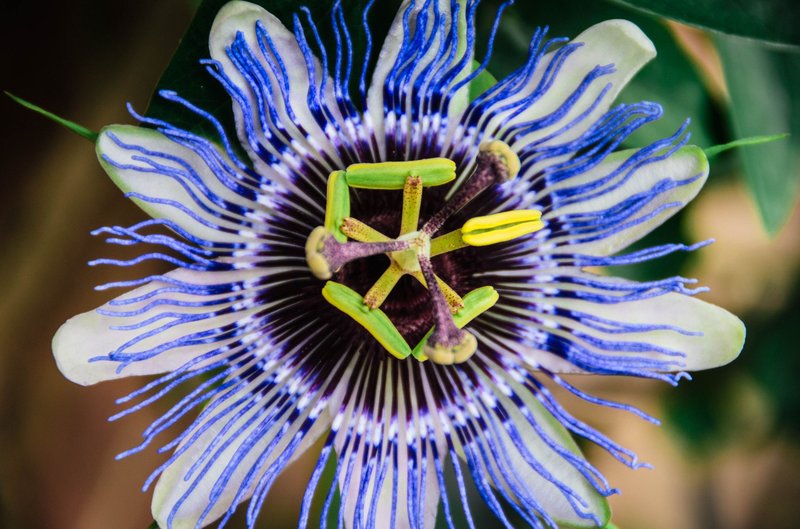
Passiflora incarnata is native to the southeastern United States, and its flower builds an entire architecture — a ring of thread-like filaments called a corona, radiating out from the center in purple and white, over a five-petaled base. It’s one of the few flowers on this list you’ve probably already grown without realizing how odd it is up close.
Growability: Easy. It’s a vigorous, cold-hardy vine that many gardeners fight to contain rather than coax along. Zone: 6–9. Source: Widely available as seed or potted vines at garden centers.
8. Bleeding Heart
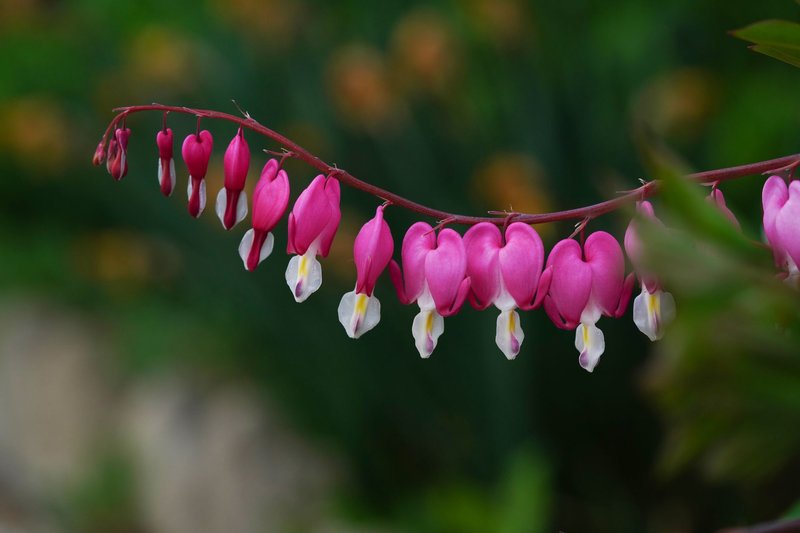
Lamprocapnos spectabilis, native to Siberia, northern China, Korea, and Japan, hangs rows of heart-shaped pink or white flowers from arching stems, each one finished with a single white “drop” at the tip that looks deliberately painted on.
Growability: Easy, and a shade-garden staple. Zone: 3–9. Source: Bare-root plants and potted starts are common at nurseries every spring.
9. Voodoo Lily
Dracunculus vulgaris, native to the Mediterranean and the Balkans, sends up a mottled purple-and-green stalk topped by a nearly black spadix wrapped in a deep maroon hood. It smells like rotting meat for about a day to pull in pollinating flies, then the odor is gone.
Growability: Easy once established, and surprisingly cold-tolerant for something that looks tropical. Zone: 5–9. Source: Specialty bulb sellers, usually shipped in late summer for fall planting.
10. Chocolate Cosmos
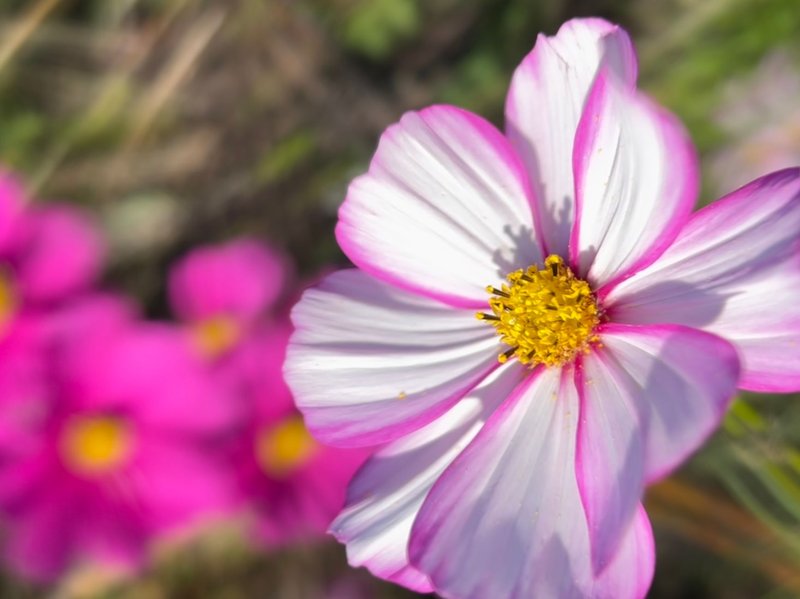
Cosmos atrosanguineus, native to Mexico, is functionally extinct in the wild — every plant sold today is a clone propagated from cultivated stock. The deep maroon, velvet-textured flowers genuinely smell like chocolate, strongest in full sun on a warm afternoon, a detail growers at institutions like the Missouri Botanical Garden reference when explaining why it’s such a popular container plant despite being tender.
Growability: Moderate. It grows from a tuber that needs lifting and storing over winter outside its hardy range, similar to a dahlia. Zone: 7–9 in ground; grown as an annual and stored indoors elsewhere. Source: Tuber and seed suppliers, usually stocked in spring.
11. Hot Lips Plant
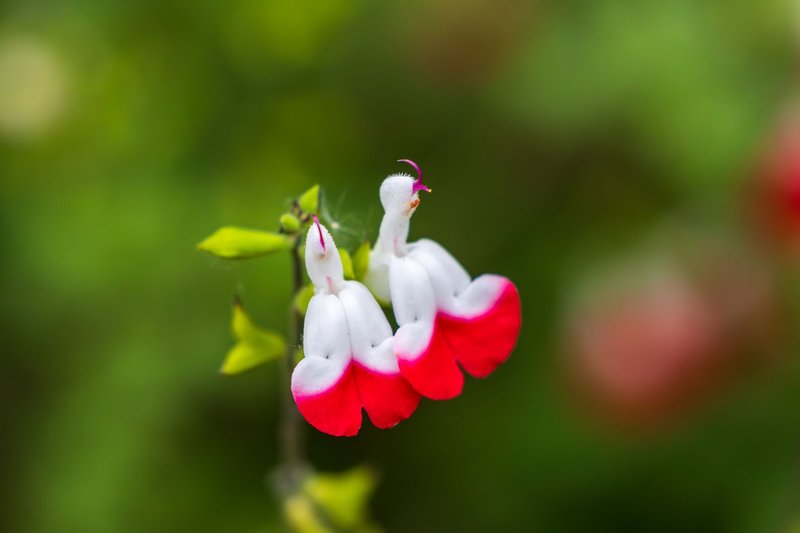
Psychotria elata grows in the rainforest understory of Central and South America, and the part everyone photographs — a pair of bright red, glossy bracts pressed together like painted lips — isn’t the flower at all. The actual flowers are small and white, tucked between the bracts once they eventually part.
Growability: Difficult outside the tropics. It needs deep shade, high humidity, and warmth year-round, so it’s a heated-greenhouse plant for most growers. Zone: 10–12. Source: Specialty tropical plant nurseries, sold as small starts.
12. Living Stones
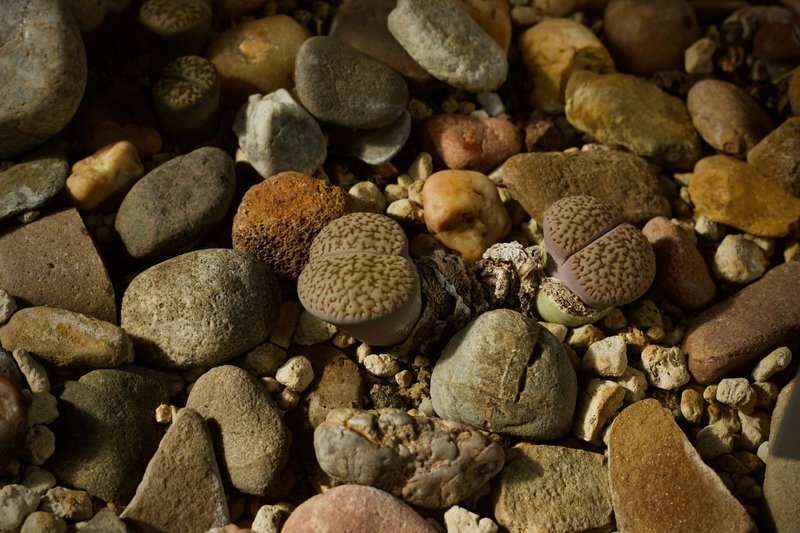
Lithops species, native to the arid regions of southern Africa, spend most of the year looking exactly like the pebbles around them — a defense against grazing animals. Then a single daisy-like flower splits up through the crack between the two fused leaves, often larger than the plant itself.
Growability: Easy for anyone who already grows succulents, though overwatering is the fastest way to kill one. Zone: 9b–11 outdoors; a reliable houseplant everywhere else on a sunny windowsill. Source: Widely sold at succulent specialty shops and online growers.
13. Corpse Lily (Rafflesia)
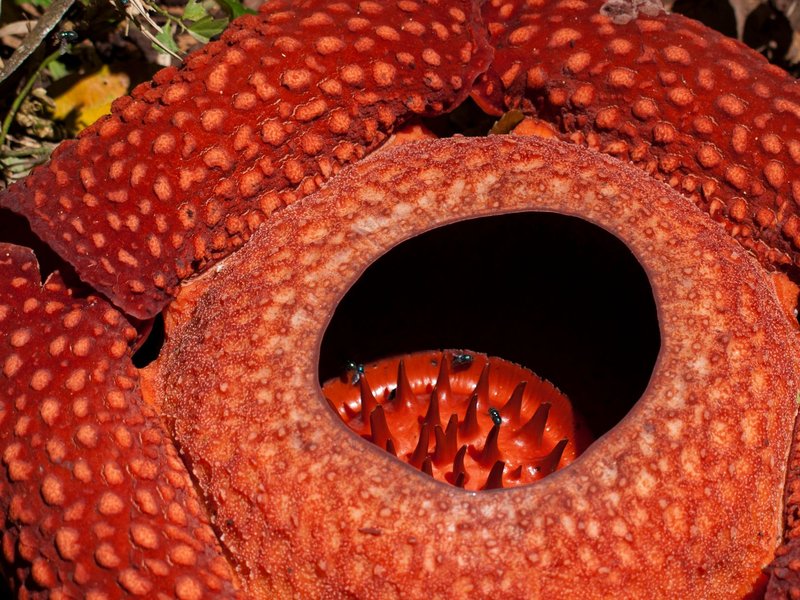
Rafflesia arnoldii, found in the rainforests of Sumatra and Borneo, holds the record for the largest single flower on Earth — up to three feet across. It has no leaves, no stem, and no roots of its own; it lives entirely as a parasite inside a specific jungle vine and only reveals itself when it’s ready to bloom, which is also when it releases its trademark rotting-flesh smell. Institutions like Kew Gardens have documented decades of failed attempts to cultivate it anywhere outside its host vine’s native range.
Growability: Impossible in cultivation. No one has successfully grown Rafflesia outside its natural host relationship. Zone: Native range only. Source: Not available — this one you see in situ, on a guided rainforest trek, or not at all.
14. Swaddled Babies Orchid
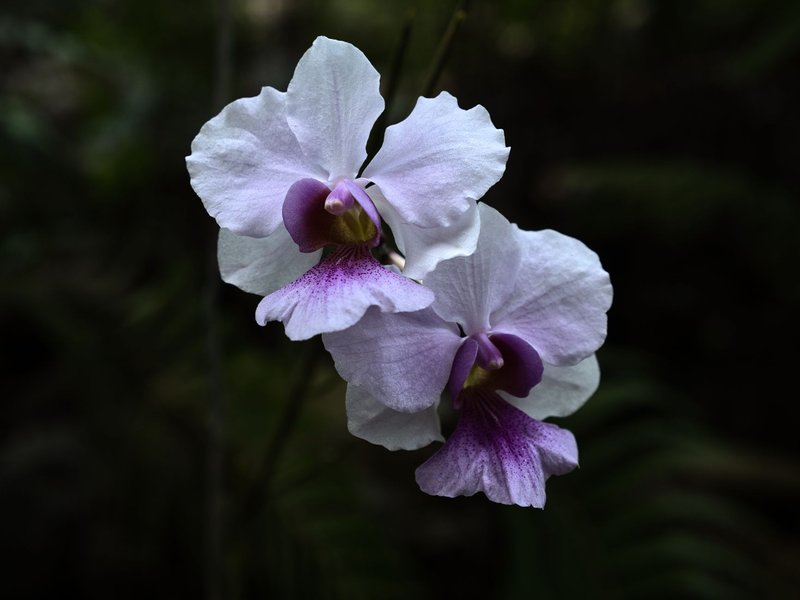
Anguloa species, native to the Andean forests of Colombia, Ecuador, and Peru, have a hinged lip inside the flower that rocks back and forth when nudged — by a visiting insect, or a curious finger — which is how it earned its nickname. Closed, the waxy flower does look like a bundled infant.
Growability: Difficult. These orchids want cool nights, high humidity, and a genuine rest period, conditions that are hard to replicate without a dedicated orchid greenhouse. Zone: 10–11, greenhouse elsewhere. Source: Specialty orchid nurseries that stock Andean species.
15. Matilija Poppy
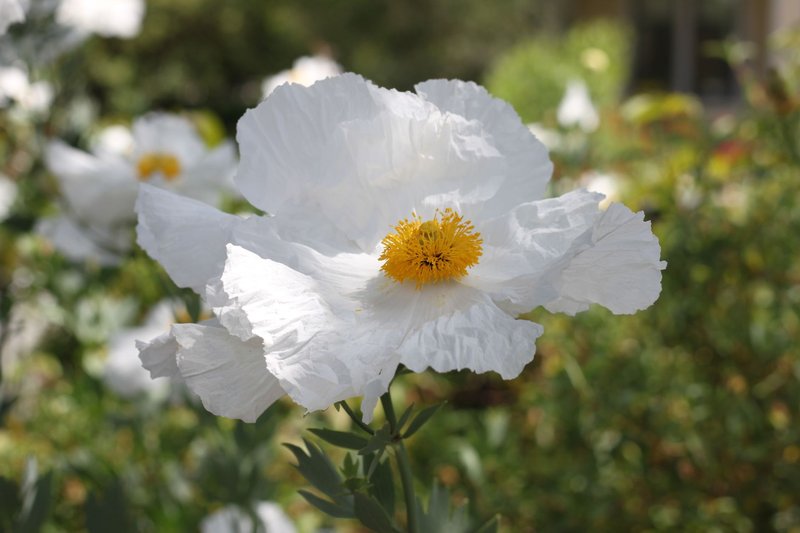
Romneya coulteri is native to the chaparral of California and Baja California, and its flower is enormous for a poppy — crepe-paper white petals up to six inches across, wrapped around a dense yellow center, which is why it’s nicknamed the “fried egg flower.”
Growability: Easy once established, but notoriously hard to start — it resents transplanting and grows best from root cuttings rather than seed. Zone: 7–10. Source: California native-plant nurseries carry root cuttings.
16. Queen of the Night
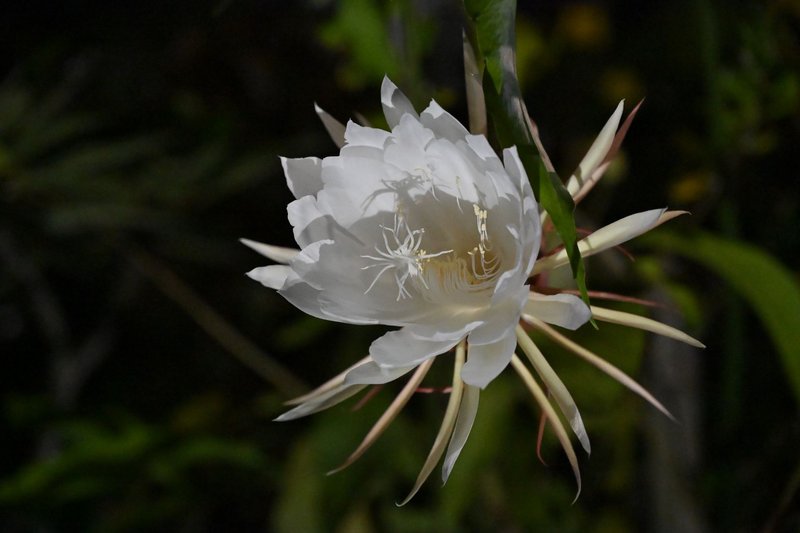
Several related cacti — Epiphyllum oxypetalum and Selenicereus grandiflorus among them — share this nickname because each flower opens after dark, once, for a single night, filling the air with a heavy, sweet fragrance before closing for good by morning.
Growability: Easy as a houseplant, and a favorite of collectors who track bloom dates and invite friends over for the one-night show. Zone: 10–12 outdoors; anywhere as a potted plant. Source: Cactus and succulent specialty sellers, often as rooted cuttings.
17. Flying Duck Orchid
Caleana major, native to eastern and southern Australia, has a flower that mimics a duck in flight so precisely that it stops people mid-walk on bushland trails. The trick isn’t decorative — the hinged lip is a trap that flips visiting male sawflies into the flower’s pollen, tricking them with a scent that imitates a female wasp.
Growability: Extremely difficult, bordering on not viable for hobbyists. It depends on a specific soil fungus to germinate at all. Zone: 9–10, native habitat only in practice. Source: Not commercially available; protected in the wild.
18. Queen of the Andes
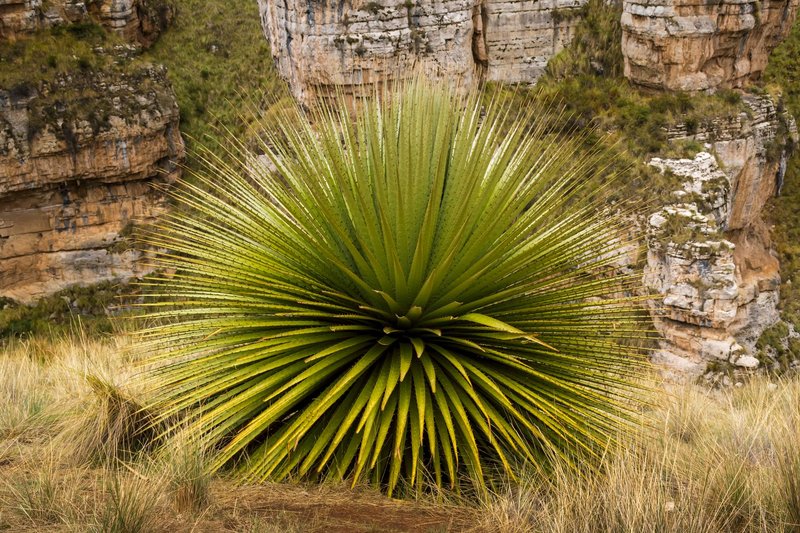
Puya raimondii grows in the high Andes of Peru and Bolivia, above 12,000 feet, and spends 80 to 150 years as a spiky rosette before sending up a single flower spike that can reach 30 feet — the tallest flowering structure of any plant on Earth. Then it dies.
Growability: Extraordinarily difficult and slow — this is a plant for patient botanical gardens, not backyard growers. Zone: 9–10. Source: Rare specialty succulent collectors and a handful of botanical gardens hold seed-grown specimens.
19. Skull-Pod Snapdragon
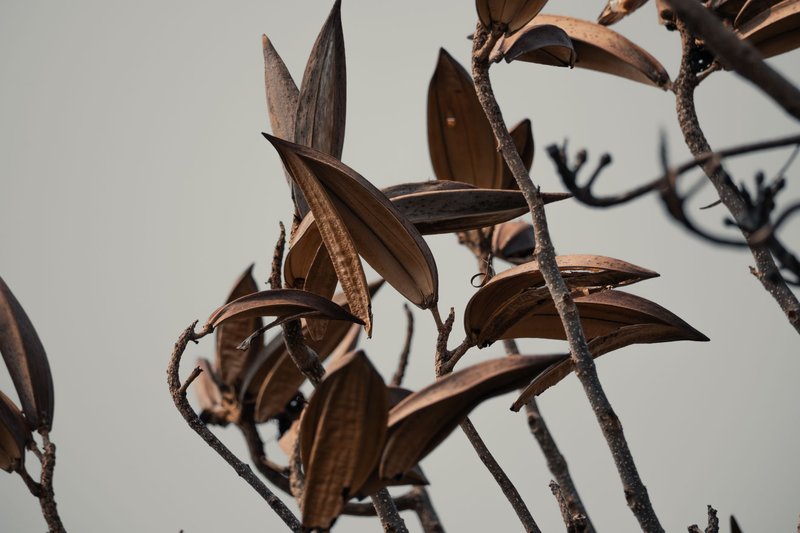
Antirrhinum majus, the common snapdragon native to the Mediterranean, hides its strangest trick for after the flowers drop. The dried seed capsule left behind splits into a shape that looks, unmistakably, like a tiny weathered human skull — a detail that goes viral on social media every autumn like clockwork.
Growability: Very easy — one of the simplest annuals to grow from seed. Zone: Grown as an annual in most zones; perennial in 7–10. Source: Seed racks at any garden center, or online seed retailers.
20. Crown Imperial Fritillaria
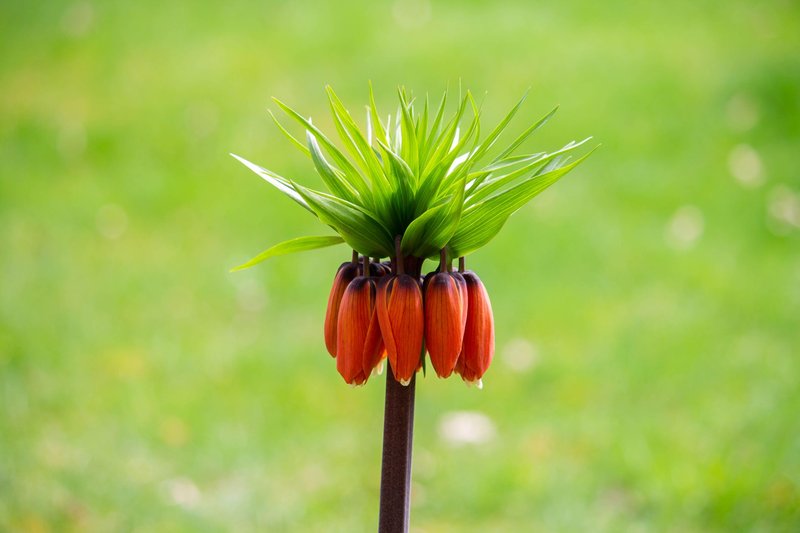
Fritillaria imperialis, native to a band stretching from Turkey through Iran to the Himalayas, grows a thick stalk topped with a ring of downward-facing bell flowers, finished off with a spiky tuft of leaves like a crown. It also carries a skunky, foxlike smell that gardeners plant on purpose — deer and rodents tend to avoid it. Growers who track USDA Plant Hardiness Zone Map data before ordering bulbs use it specifically for cold-hardy, pest-resistant borders.
Growability: Moderate. The bulbs need sharp drainage and can rot in heavy, wet soil, but otherwise it’s a reliable perennial. Zone: 5–9. Source: Fall bulb catalogs, typically shipped for autumn planting alongside tulips and daffodils.
That’s the range: flowers you can order bulbs for this afternoon, and flowers you’ll only ever see on a rainforest trek or a botanical garden’s bloom-watch livestream. Match the one that fits your patience and your climate zone, and skip the ones that are really just built for looking at.