Haiti has roughly 1,700 kilometers of coastline wrapped around the western third of Hispaniola, and almost none of the writing about its fish is meant for normal people. The top results are taxonomic papers from the 1920s, fisheries bulletins and database entries. Useful, but nobody is going to read them for fun.
This guide sorts the fish of Haiti by where they live: coral reef, coastal and open water, the brackish lake of Etang Saumâtre, and freshwater. Each group gets the species you’re most likely to meet, with a Haitian Creole name where there is a reliable one, and a note on whether it’s caught and eaten.
Contents
- Where the fish live
- Coral reef fish
- Coastal and open-water fish
- Etang Saumâtre and brackish water
- Freshwater fish and endemic species
- How Haitians fish
- Fish on the plate
- Summary
Where the fish live
Haiti’s coast faces two very different bodies of water. The north coast looks out on the Atlantic side of the Caribbean and the Windward Passage, the strait that separates Haiti from Cuba. The south and west coasts sit on the Caribbean Sea, and between the two southern peninsulas the Gulf of Gonâve cuts deep into the country, with Port-au-Prince at its head.
Port-au-Prince Bay is the most studied corner. In the late 1920s the naturalists William Beebe and John Tee-Van collected there for months and published The Fishes of Port-au-Prince Bay in the journal Zoologica. It’s still one of the foundational records of the region’s fish fauna, and it’s the reason the species lists for Haiti go back almost a century.
Inland the picture shrinks fast. Haiti has few large rivers and one big saline lake, so freshwater and brackish fish are a much smaller group than the marine one. Small doesn’t mean boring: that’s where most of the endemic species are.
A note on names. Pwason is the Creole word for fish, and many species names come from French (vivano from vivaneau, mewou from mérou). Names shift between coastal towns, so treat the Creole column below as the common usage, not a standard.
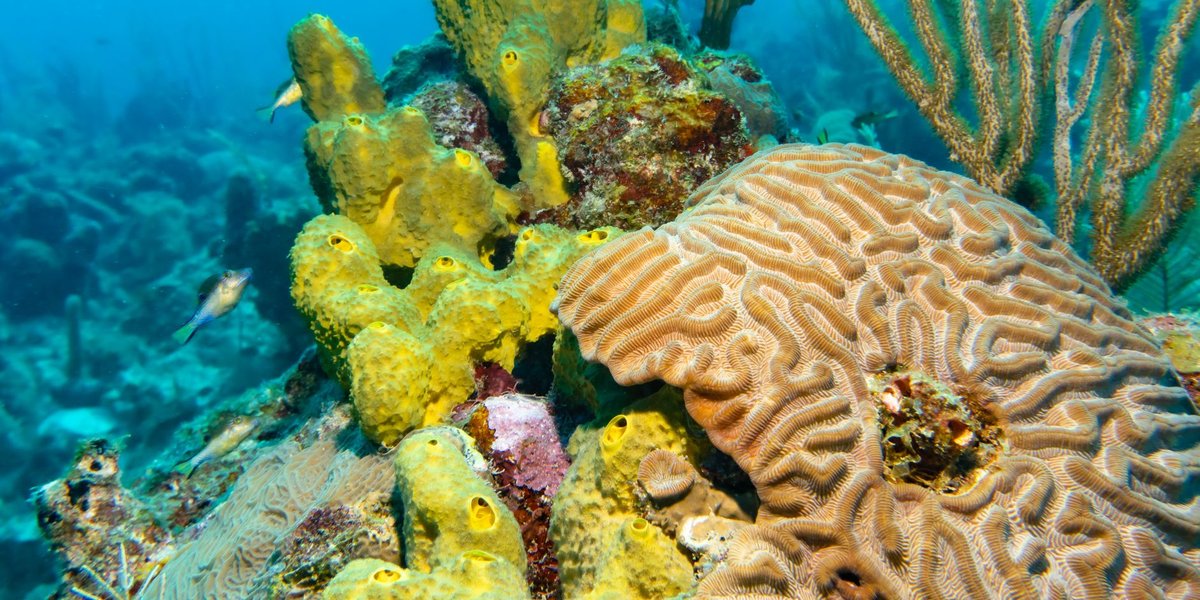
Coral reef fish
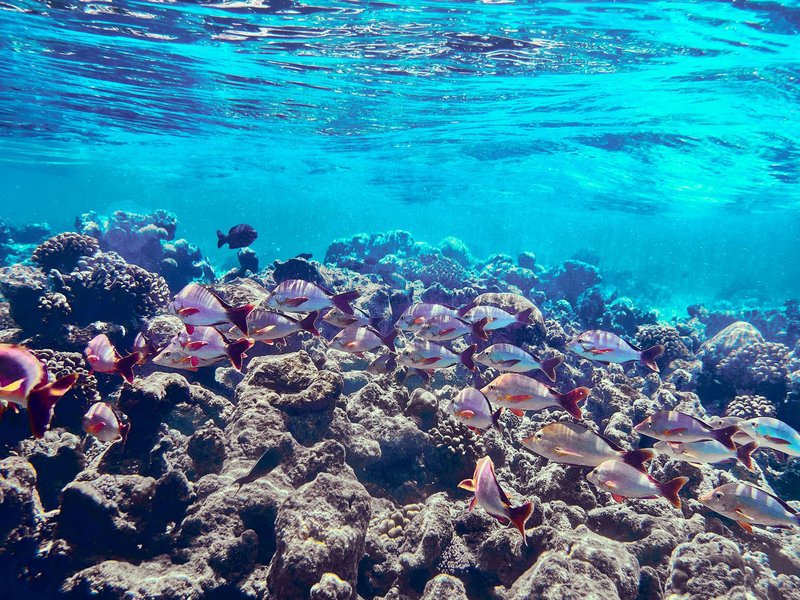
Reefs here are battered by overfishing, sediment and storms, but they still hold the classic Caribbean cast. Many of the species below are small, and the larger ones, groupers and big snappers, are the first to disappear under fishing pressure.
| Common name | Creole name | Scientific name | Notes |
|---|---|---|---|
| Queen angelfish | n/a | Holacanthus ciliaris | Blue-and-yellow with a dark “crown” spot on the forehead. Mostly an aquarium and diver favorite. |
| French angelfish | n/a | Pomacanthus paru | Black with yellow-rimmed scales. Usually seen in pairs. |
| Stoplight parrotfish | n/a | Sparisoma viride | Grazes algae off the reef. Caught in traps and eaten. |
| Blue tang | n/a | Acanthurus coeruleus | Purple-blue surgeonfish with a scalpel spine near the tail. Occasionally trapped. |
| Sergeant major | n/a | Abudefduf saxatilis | Five black bars on a yellow-white body. Common over shallow reef and rubble. |
| Nassau grouper | mewou | Epinephelus striatus | Heavily fished, now critically endangered across the Caribbean according to the IUCN Red List. |
| Spotted moray | n/a | Gymnothorax moringa | Hides in crevices by day. Rarely eaten. |
| Red lionfish | n/a | Pterois volitans | Invasive. Venomous spines, but the flesh is safe to eat once the spines are removed. |
Parrotfish deserve a closer look. They bite coral and algae, grind it with fused beak-like teeth, and excrete much of it as sand. On a healthy reef they keep algae from smothering young coral. Where they get netted out, the reef usually pays for it.
Coastal and open-water fish
This is the group Haitian fishers actually live on. The fish are fast, schooling and mostly caught from small wooden boats within a few kilometers of shore.
| Common name | Creole name | Scientific name | Notes |
|---|---|---|---|
| Mahi-mahi (dolphinfish) | dorad | Coryphaena hippurus | Caught by trolling, often near floating debris. Prized food fish. |
| Yellowfin tuna | ton | Thunnus albacares | Taken offshore on lines. |
| Wahoo | n/a | Acanthocybium solandri | Long, fast, and a troll-line target. |
| King mackerel | n/a | Scomberomorus cavalla | Seasonal. Sold fresh or smoked. |
| Yellowtail snapper | vivano | Ocyurus chrysurus | Common reef-edge snapper. A standard fried-fish plate. |
| Mutton snapper | vivano | Lutjanus analis | Larger, olive-pink fish. Caught on lines and in traps. |
| Great barracuda | barakouda | Sphyraena barracuda | Silver, toothy, and curious around divers. Eaten, though large ones carry a ciguatera risk. |
| Round sardinella | sadin | Sardinella aurita | Small schooling fish and one of the cheapest protein sources on the coast. |
| White mullet | mulèt | Mugil curema | Found in bays, estuaries and river mouths. Sold on street corners. |
| Atlantic sailfish | n/a | Istiophorus albicans | Offshore. Uncommon in local catches. |
| Tarpon | n/a | Megalops atlanticus | Enters brackish lagoons and river mouths. Large and bony, so not a market fish. |
Ciguatera is the one food-safety fact worth knowing. Big predatory reef fish such as barracuda can carry a toxin that builds up through the food chain, and cooking doesn’t destroy it. Small and mid-sized fish are safer, which is another reason sardines and mullet dominate the market.
Etang Saumâtre and brackish water
Etang Saumâtre, also called Lake Azuei, is Haiti’s largest lake, about 170 square kilometers of salty, shallow water on the border with the Dominican Republic, not far east of Port-au-Prince. It has no outlet to the sea. Its salinity swings with rainfall and evaporation, and that filters out most species.
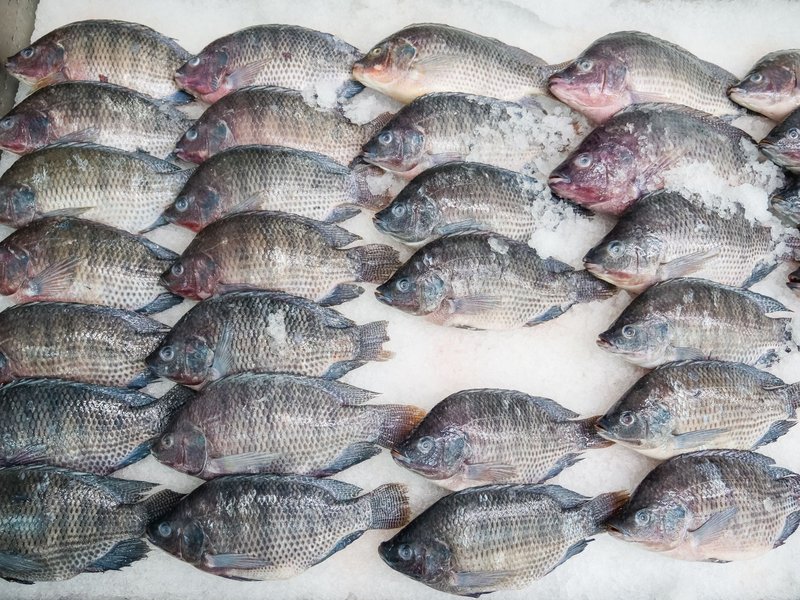
What survives is tough. Tilapia dominate the catch today, and the lake supports local fishing even as water levels have been rising and flooding nearby land. The same lake is better known to birdwatchers, who come for flamingos, and to herpetologists, for American crocodiles.
Brackish water is also where mullet and tarpon move in from the coast, and where the mangrove edges act as nursery habitat for juvenile snappers and other reef fish.
Freshwater fish and endemic species
Freshwater fish are the least known and, for naturalists, the most interesting. Hispaniola has been an island long enough for several species to evolve nowhere else—which makes the list of Haiti’s native animals particularly significant.
Endemic and native species
- Haiti coralbrotula. A small, secretive reef-cave fish known from very few records. It’s one of the two species that short endemic checklists for Haiti tend to name.
- Striped hamlet. A reef fish in the hamlet group, small sea basses that mimic each other’s colors and spawn in pairs. The other endemic usually listed.
- Humpbacked limia (Limia nigrofasciata). A livebearer, related to guppies, native to Haiti and a well-known aquarium fish. It’s sold as the “black-barred limia.”
- Haitian cichlid (Nandopsis haitiensis). A native cichlid of Hispaniola’s rivers and lakes, and the only large native freshwater predator you’re likely to hear about.
Introduced species
- Tilapia (Oreochromis spp., Creole tilapya). Introduced for aquaculture and now the main freshwater food fish. Tilapia are hardy, fast-growing and tolerant of brackish water, which is exactly why they spread. They also compete with native fish, which is the standard trade-off of the “easy protein” fish.
Because these species live in small, shrinking ranges, they’re the ones most exposed to habitat loss and competition from invasive species. The FishBase reference list for Haiti is the best place to check an individual species’ status.
How Haitians fish
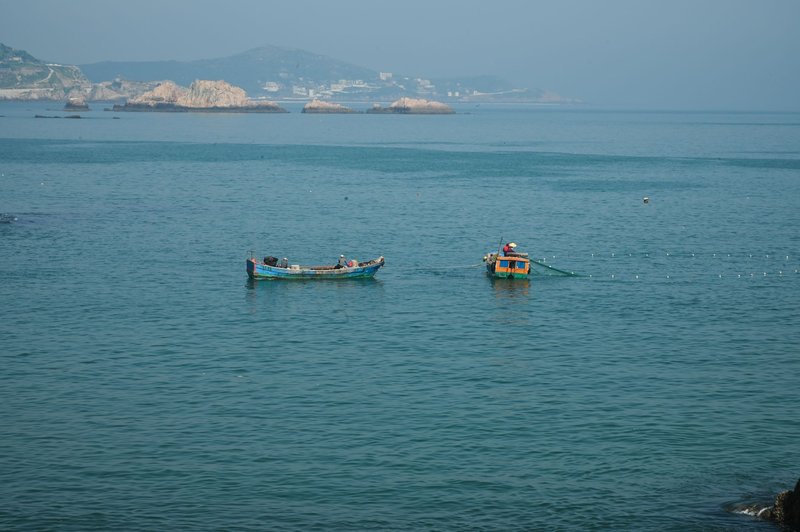
Most of Haiti’s catch comes from small-scale, artisanal fishing. Wooden sailboats and canoes work close to shore, with no refrigeration and often no engine. A NOAA Marine Fisheries Review report on the country’s fisheries describes just this kind of coastal effort, and the FAO country fisheries profile fills in the wider picture.
The common methods:
- Fish pots. Wire or woven traps set on reef edges for snappers, groupers, parrotfish and surgeonfish. They catch whatever walks in, including juveniles.
- Seines. Nets pulled in from shore or boat to encircle schools of sardines and mullet.
- Troll lines. Baited or lure lines trailed behind boats for mahi-mahi, mackerel and tuna.
- Hand lines. Simple, cheap and still common for snapper on the reef edge.
The weakness is volume. Thousands of fishers working the same narrow shelf, with small-mesh gear, take fish before they’ve spawned. Larger predators are the first to thin out, which is why reef fish in Haiti run small compared with protected areas elsewhere in the Caribbean.
Fish on the plate
Haitian fish cooking is built around what’s cheap and fresh. Whole fried snapper, served with pikliz (a spicy pickled cabbage slaw), plantains and rice, is the benchmark meal on the coast. Fish also goes into sòs pwason, a stewed tomato-and-pepper sauce, and poisson gros sel, a salt-and-lime preparation.
Out on the street the options are smaller. Fried sardines and mullet sell by the handful, and smoked fish keeps for days without a freezer. Imported frozen fish, much of it from the Dominican Republic and elsewhere, fills the gap where local catches don’t meet demand.
If you’re traveling, eat the fish that’s whole, fresh and fried. Skip the large barracuda.
Summary
The fish of Haiti split into four groups: reef species, coastal and open-water food fish, the brackish waters of Etang Saumâtre, and a small freshwater fauna with a few real endemics. The visible, edible ones (snapper, mahi-mahi, sardines, mullet and tilapia) matter most to people. The rare ones, such as the Haiti coralbrotula, matter most to science. Both depend on reefs, mangroves and rivers staying intact, and both are under pressure from the same overfishing and habitat loss.