TLDR
A fish is a water-dwelling vertebrate that breathes through gills, swims with fins, and is cold-blooded. Most also have scales, a swim bladder, a lateral line and lay eggs. Almost every trait on that list has an exception, and those exceptions are where fish get interesting.
Table of Contents
- The 10 characteristics of fish
- The three classes of fish
- How fish sense the world
- Where the rules break
- Fish vs. lookalikes
- FAQ
The 10 characteristics of fish
Fish are the largest group of vertebrates on Earth, with more than 30,000 known species. They range from a 7 mm Paedocypris to a whale shark longer than a bus. Strip away the size and shape and ten traits do most of the defining.
- Gills. Fish pull dissolved oxygen out of water through thin, blood-rich filaments. Water flows in through the mouth and out over the gills, and blood flowing the opposite way along the filaments picks up more oxygen than it would flowing in parallel.
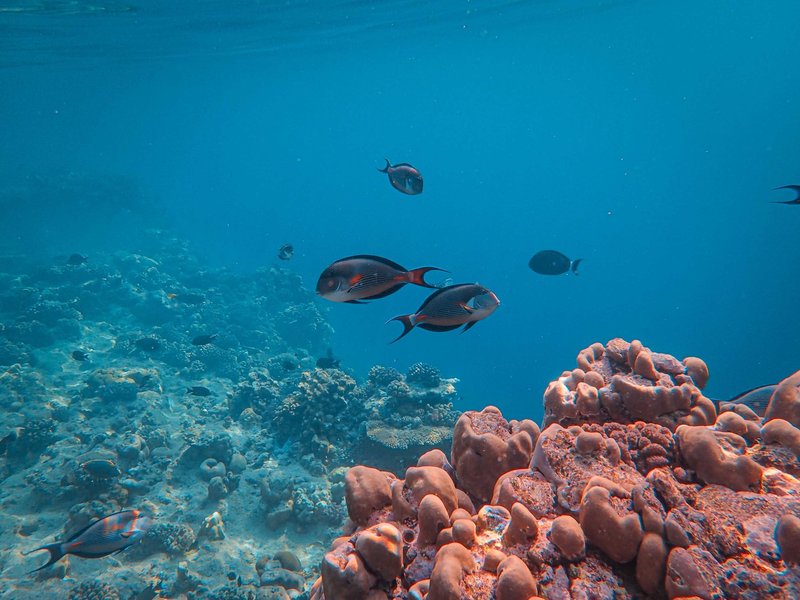
- Fins. Paired pectoral and pelvic fins steer and brake, while the dorsal and anal fins keep the body from rolling. The tail (caudal) fin supplies most of the thrust.
- A backbone. Fish are vertebrates. A spine protects the spinal cord and gives swimming muscles something to pull against.
- Skin with scales or a tough covering. Scales act as flexible armor and cut drag. Skin glands add a slime coat that blocks parasites and reduces friction.
- Cold-blooded (ectothermic) bodies. Most fish take on the temperature of the water around them rather than generating their own heat.
- A streamlined body. The torpedo shape, tapered at both ends, moves through water, which is about 800 times denser than air, with the least effort.
- A swim bladder. This gas-filled organ lets bony fish hover at a chosen depth without constant swimming. It is why a goldfish can sit still mid-tank.
- A lateral line. A row of sensory pores along each flank detects vibration and pressure changes in the water.
- A two-chambered heart. One atrium and one ventricle pump blood in a single loop: heart, gills, body, back to the heart.
- Egg-based reproduction. Most fish spawn eggs, and many fertilize them externally. Parental care ranges from none at all to males guarding nests for weeks.
No single item makes something a fish. A fish is the animal that scores on most of them at once.
The three classes of fish
Biologists split living fish into three groups. The differences come down to the skeleton and the mouth.
| Class | Skeleton | Jaws | Examples | Approx. species |
|---|---|---|---|---|
| Jawless (Agnatha) | Cartilage, no true vertebrae in hagfish | No | Lamprey, hagfish | About 100 |
| Cartilaginous (Chondrichthyes) | Cartilage | Yes | Shark, ray, skate, chimaera | About 1,200 |
| Bony (Osteichthyes) | Bone | Yes | Salmon, tuna, cod, seahorse | More than 30,000 |
Bony fish make up roughly 95 percent of all fish species. Salmon, trout, goldfish and nearly everything on a dinner plate belong here. Sharks and rays sit in a separate lineage that dropped bone for lighter, more flexible cartilage. Lampreys and hagfish are what’s left of the oldest branch, an ancient group that never evolved hinged jaws. A lamprey feeds through a round, toothed sucker disc instead.
How fish sense the world
Fish don’t hear, smell and see the way you do, and some of their senses have no human equivalent.
The lateral line works like touch at a distance. Pores along the flanks lead to fluid-filled canals lined with hair cells that register water movement. This is how a school turns in unison without collisions, and how a fish in murky water feels a predator approach.
Smell is sharper than most people expect. Salmon return from the open ocean to the stream where they hatched, and chemical cues in the water are a major part of how they find it.
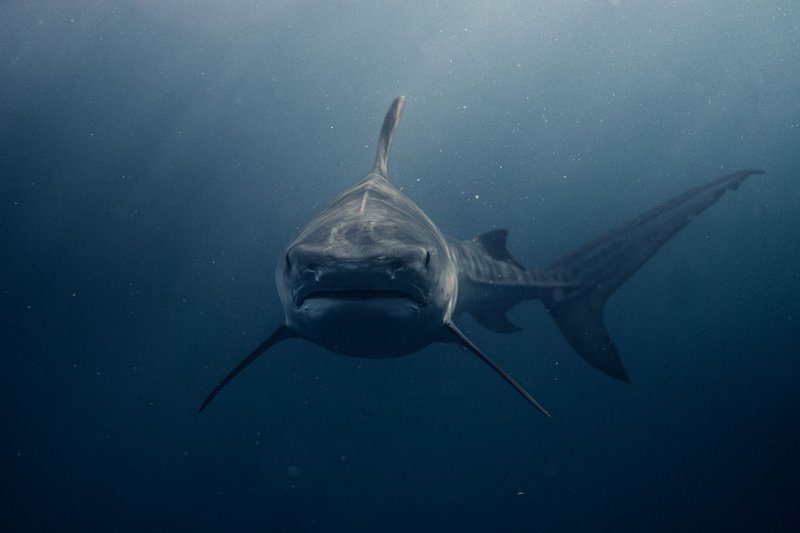
Electroreception belongs mostly to sharks and rays. Jelly-filled pores called ampullae of Lorenzini pick up the faint electric fields produced by muscle activity, which lets a hammerhead find a flatfish buried in sand.
Fish also see color, and many have hearing that works through the swim bladder and inner ear. Some species link the bladder to the ear to boost sensitivity.
Where the rules break
Here is where most “characteristics of fish” lists stop short. Each trait above has a fish that ignores it.
Gills aren’t the only way to breathe. African and South American lungfish have true lungs and can survive out of water for months by sealing themselves in a mucus cocoon in dried mud. Bettas and gouramis gulp air through a labyrinth organ. Many freshwater fish in low-oxygen water rely on air-breathing.
Cold-blooded isn’t universal. Tuna and some sharks keep their swimming muscles and parts of their bodies warmer than the water. The opah goes further: NOAA Fisheries researchers found it circulates warm blood through its whole body, making it the first known fully warm-blooded fish.
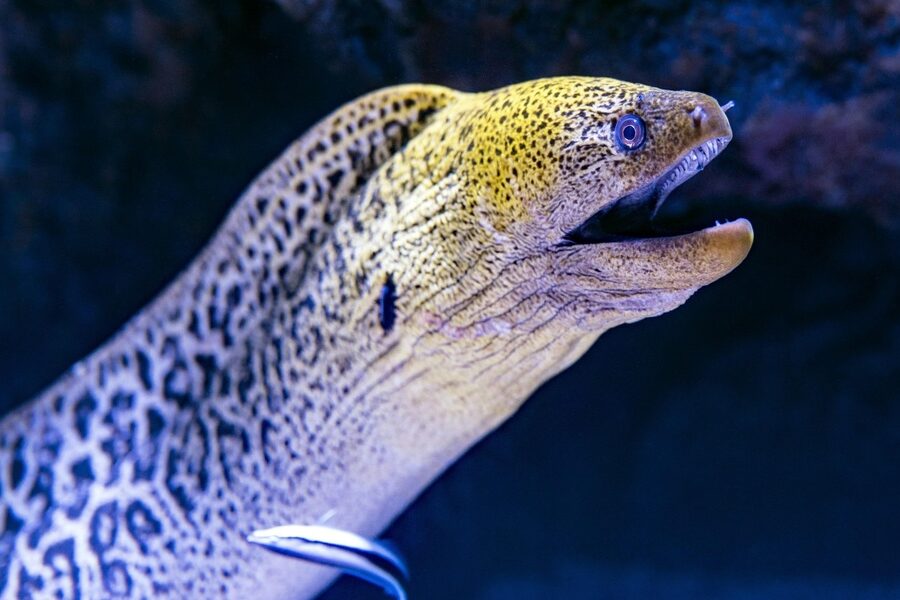
Not every fish has scales. Catfish have bare skin. Sharks have dermal denticles, tiny tooth-like structures that make shark skin rough as sandpaper. Eels have scales so small they look absent.
Not every fish lays eggs. Guppies, mollies and many sharks bear live young. Seahorses flip the script: the male carries the eggs in a brood pouch and gives birth.
Not every fish has a backbone made of bone. Hagfish have a skull but no true vertebrae, and sharks have a backbone made of cartilage. Sharks also have no swim bladder. They stay afloat with a huge oil-filled liver and by swimming.
Fins aren’t always fins. Some fish walk on theirs. Mudskippers use their pectoral fins to crawl across tidal mud flats.
Fish vs. lookalikes
Plenty of water animals get mistaken for fish. Four checks sort them out quickly.
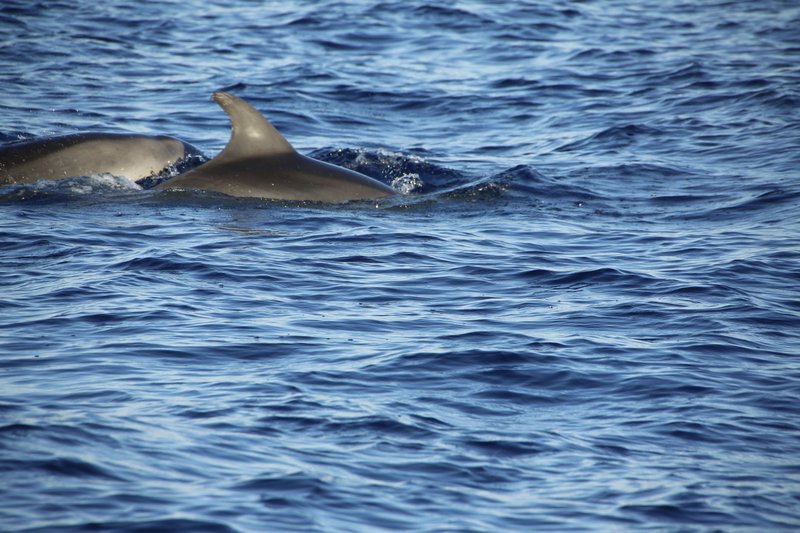
- Whales and dolphins are mammals. They breathe air through lungs, stay warm-blooded, nurse their young, and swing their tails up and down. Fish tails move side to side.
- Amphibians like newts and frogs start life with gills, but most adults breathe air and have moist, scaleless skin and legs rather than fins.
- Jellyfish, starfish and cuttlefish have no backbone, and the names are misleading. None of them are fish.
- Eels are fish. They are bony fish with a long body, and the confusion with snakes comes from shape alone.
FAQ
Are all fish cold-blooded? Nearly all of them. Tuna, opah and a few sharks are exceptions that conserve metabolic heat.
How do fish breathe with gills? Water enters the mouth and passes over the gill filaments. Oxygen diffuses into the blood and carbon dioxide diffuses out. Smithsonian Ocean covers the basics of fish anatomy and diversity.
What is the lateral line used for? It detects water movement and pressure changes, helping fish avoid predators, locate prey and stay in formation with schoolmates.
Do all fish have fins and scales? Every fish has fins at some point in its life. Scales are common but not required, as catfish and sharks show.
What is the main difference between bony and cartilaginous fish? Skeleton material. Bony fish have bone and usually a swim bladder. Cartilaginous fish have a cartilage skeleton and no swim bladder.