TLDR
- Biggest by volume: General Sherman, a giant sequoia in California, at about 1,487 m³.
- Tallest: Hyperion, a coast redwood in California, at 116 m. Its location is secret.
- Tallest outside California: Menara, a tropical hardwood in Borneo, at 100.8 m.
- Widest trunk: El Árbol del Tule, a Montezuma cypress in Mexico, about 11.6 m across.
- Oldest single tree: Methuselah, a bristlecone pine in California, roughly 4,800 years old.
- Height ceiling: Water transport limits trees to somewhere around 122 to 130 m.
Contents
- Huge means four different things
- The huge trees compared
- Biggest: General Sherman and the giant sequoias
- Tallest: Hyperion and the coast redwoods
- Giants outside California
- Widest and oldest: Tule, baobabs, and bristlecones
- Why trees stop growing taller
- Why the numbers keep changing
- Where to see huge trees
- Huge trees you can plant at home
Huge means four different things
Ask “what’s the biggest tree in the world” and you’ll get three or four different answers, all correct. A tree can win on volume, height, trunk width, or age, and the winners are different species on different continents.
The confusion starts with two California trees that people lump together. Giant sequoias are the heaviest. Coast redwoods are the tallest. They grow within a few hundred miles of each other and look similar from a distance, but a sequoia is a stocky, fat-trunked tree and a redwood is a tall, slender one. Neither holds the record for the widest trunk, and neither is the oldest.
Here’s the scorecard, then the stories behind each entry.
The huge trees compared
| Tree | Species | Location | Record | Size |
|---|---|---|---|---|
| General Sherman | Giant sequoia | Sequoia National Park, California | Largest by volume | 1,487 m³, 83.8 m tall |
| Hyperion | Coast redwood | Redwood National Park, California | Tallest living tree | 116 m |
| Menara | Yellow meranti (Shorea faguetiana) | Danum Valley, Sabah, Borneo | Tallest tropical tree | 100.8 m |
| Grogan’s Fault | Swamp gum (Eucalyptus regnans) | Tasmania, Australia | Largest eucalypt by volume | 1,084.5 m³ |
| El Árbol del Tule | Montezuma cypress | Oaxaca, Mexico | Stoutest trunk | About 11.6 m across |
| Sagole Baobab | African baobab | Limpopo, South Africa | One of the widest baobabs | About 33 m around |
| Methuselah | Great Basin bristlecone pine | White Mountains, California | Oldest non-clonal tree | About 4,800 years |
Biggest: General Sherman and the giant sequoias
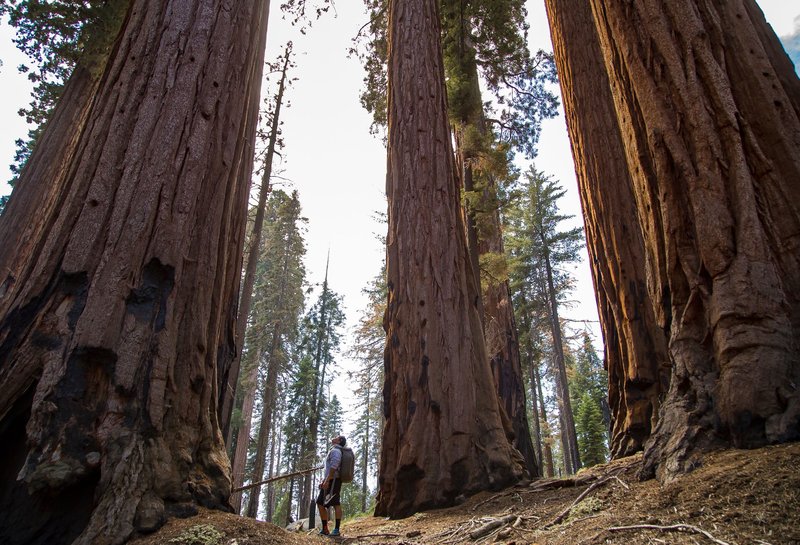
General Sherman holds the title for largest living tree by volume, at roughly 1,487 cubic meters of wood. That’s about 60 percent of an Olympic swimming pool, if you could pour the tree into one. The base is around 11 m across, wide enough to park two buses nose to tail along the diameter with room to spare.
It isn’t the tallest tree in its own grove. At about 84 m it’s dwarfed by the redwoods up the coast. Sherman wins because it keeps its girth almost all the way up. A sequoia trunk tapers slowly, so the volume stays high where a redwood’s thins out.
The tree is also still adding wood. The National Park Service says Sherman puts on enough new wood each year to build a respectable 18 m tree, which makes the world’s biggest tree one of its fastest-growing in absolute terms. You can read more about the grove on the Sequoia and Kings Canyon National Parks site.
Sherman isn’t alone up there. General Grant in Kings Canyon is the runner-up among sequoias, and the President and Lincoln trees stand in the Giant Forest within a short drive of Sherman. The top of the volume rankings is a sequoia club.
Tallest: Hyperion and the coast redwoods
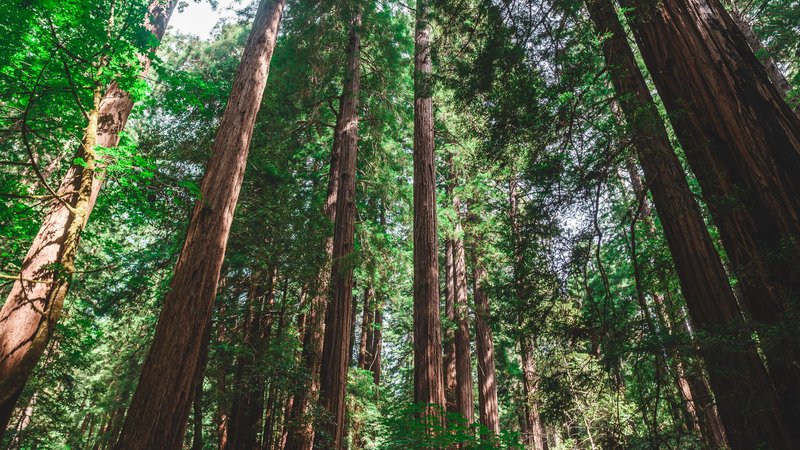
Hyperion is 116 m tall, which is taller than the Statue of Liberty from ground to torch (93 m) with a 7-story building stacked on top. Naturalists Chris Atkins and Michael Taylor found it in 2006 in a remote part of Redwood National Park, and it has held the tallest-tree record ever since.
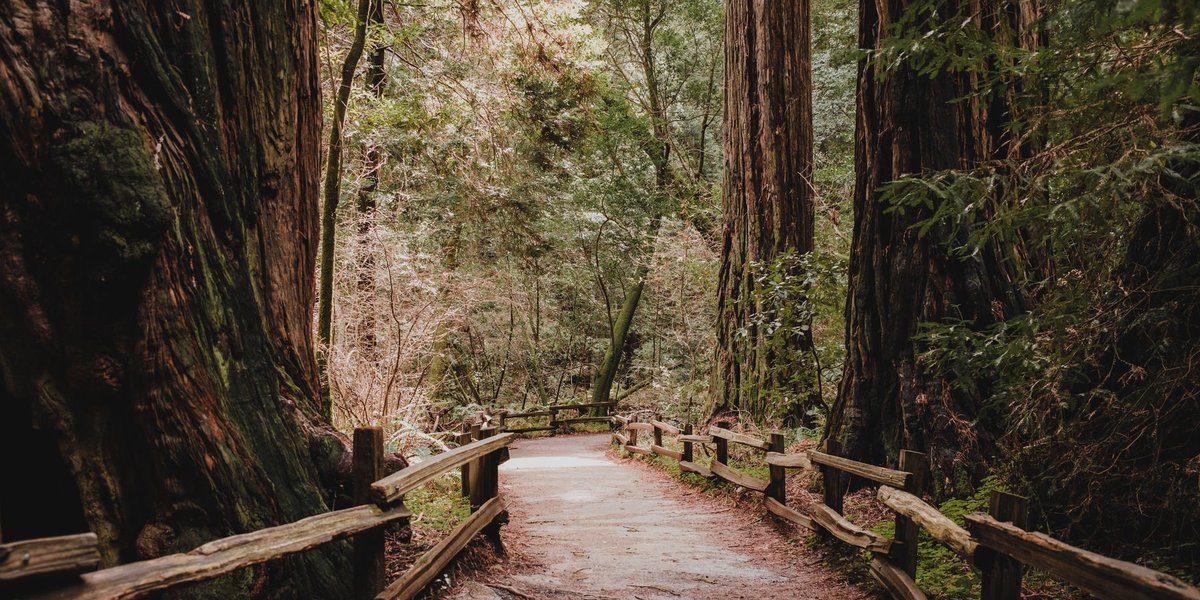
You can’t visit it. The park never published the location, and going off-trail to find it carries a fine of up to $5,000 and possible jail time. The reason is practical: the soil around a redwood’s shallow roots compacts under foot traffic, and a tree this size can’t afford the damage. The National Park Service’s Redwood National and State Parks pages list the nearby groves that are open.
Redwoods get tall because they live in fog. The coastal mist waters them from above, and the trees can absorb moisture through their needles. That helps them push higher than any other species, although even Hyperion seems to be near a physical limit (more on that below).
Giants outside California
California gets the headlines, but the record books have entries on four other continents.
Borneo. Menara, a yellow meranti in the Danum Valley of Sabah, measured 100.8 m in 2019 after laser scanning from the air flagged it as unusually tall. It is the tallest known tropical tree and the tallest flowering plant on record. Conifers like redwoods are not flowering plants, so a hardwood of this height is an outlier.
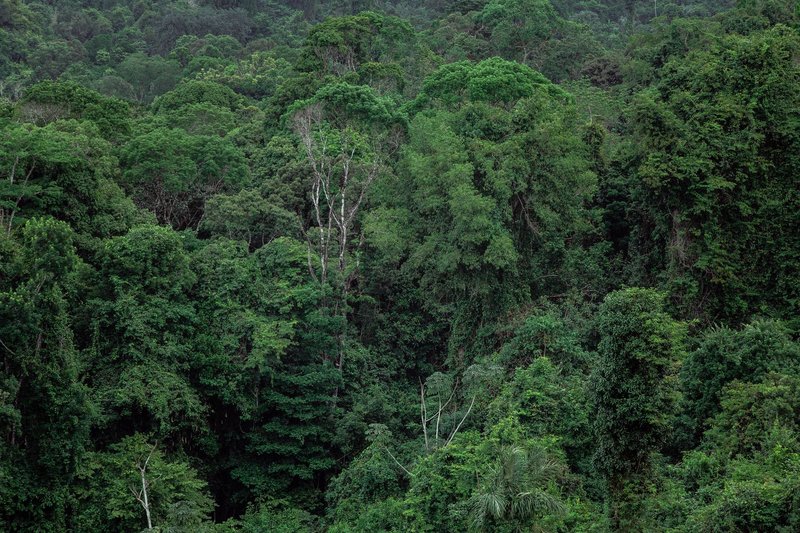
Tasmania. The island’s wet forests grow swamp gums, the world’s tallest hardwood species group. Grogan’s Fault measures 1,084.5 m³, the biggest eucalypt on the books. Tasmania has also lost large trees to fire. If you read about a tall Tasmanian tree in an older source, check that it still stands.
Mexico. The Tule tree sits in a churchyard, not a forest, and we’ll get to it next.
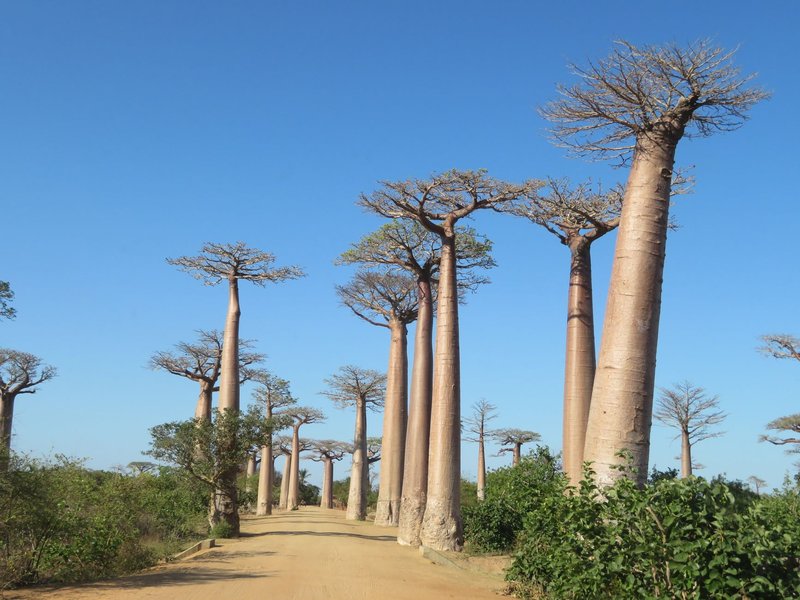
Madagascar and Africa. Baobabs are not the tallest trees, but they are among the widest and most memorable. The Avenue of the Baobabs in western Madagascar lines a dirt road with Grandidier’s baobabs up to about 30 m tall. Central Africa’s rainforests hold their own giants, and Trees of Gabon: 12 Iconic Species of a Forest Nation shows what that canopy looks like.
Widest and oldest: Tule, baobabs, and bristlecones
El Árbol del Tule has the stoutest trunk of any tree measured, about 11.6 m in diameter. Stand next to it and you’re looking at a trunk wider than a standard city bus is long. The tree is a Montezuma cypress in the town of Santa María del Tule, about 10 km east of Oaxaca city. Locals believed for years that it was several trees grown together because the trunk looks like a braid of ridges. DNA testing showed it’s one tree. It’s probably around 1,500 years old or more, though no one can core a trunk this deformed to be certain.
African baobabs compete on circumference. The Sagole Baobab in South Africa is about 33 m around. Baobabs store water in a swollen trunk to survive dry seasons, and the trunks of the oldest ones can hollow out, which is one reason some champions have collapsed in recent decades.
Oldest is a different category again. Methuselah, a Great Basin bristlecone pine in California’s White Mountains, is around 4,800 years old and the oldest known non-clonal tree. The Forest Service keeps its location quiet. Clonal trees, like Pando, a quaking aspen colony in Utah that covers about 43 hectares and weighs an estimated 6,000 tonnes, are even older as living organisms. They’re a forest of stems sharing one root system, so most researchers don’t count them as a single huge tree.
Why trees stop growing taller
The ceiling is plumbing. A tree lifts water from its roots to its leaves by pulling it through narrow tubes in the wood, and gravity fights that pull the whole way up. The higher the leaf, the more tension on the water column, until the column breaks and an air bubble blocks the tube.
A 2004 study in Nature of tall redwoods found that leaves near the top were under so much water stress that they grew smaller and photosynthesized less. The authors estimated the maximum height for a redwood at roughly 122 to 130 m. Hyperion, at 116 m, is within about 10 percent of that estimate.
So the answer to “could a tree be 200 m tall” is no, at least not one that moves water the way trees do. The tallest tree that will ever grow is probably already standing, or one that grows a few meters beyond it.
Why the numbers keep changing
Measurements of huge trees differ between sources, and that’s normal.
- Height is measured by laser rangefinder, by climbers dropping a tape from the top, or by airborne laser scanning. Methods disagree by a meter or more.
- Volume can’t be measured directly. Researchers estimate it from trunk diameters at many heights plus branch measurements, so Sherman’s 1,487 m³ is a calculated figure, not a weighed one.
- Trunk width depends on where you measure. Tule’s trunk is deeply fluted, and the circumference is much longer if you follow every groove than if you stretch a tape around the outside.
- Records move. Trees lose tops to storms, die in fires, and get measured again by new methods.
When two sites list different numbers for the same tree, they’re usually using different methods. Treat figures as accurate to a few percent at best.
Where to see huge trees
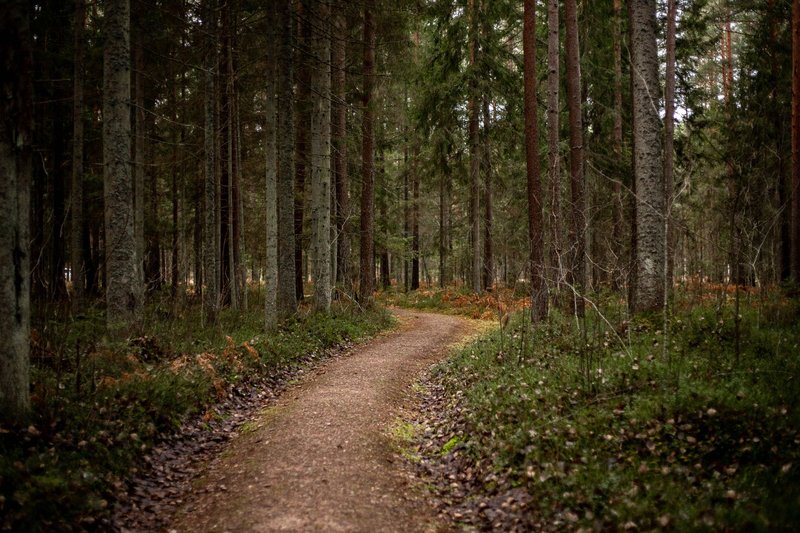
General Sherman and the Giant Forest, California. The Sherman Tree Trail is a short, paved walk from the parking area off the Generals Highway. Go early, since the lot fills by mid-morning in summer, and check road and snow conditions before winter visits. The nearby Congress Trail adds a loop past the President and Lincoln trees.
Redwood National and State Parks, California. Hyperion is off-limits, but the Tall Trees Grove, Prairie Creek Redwoods, and Humboldt’s Avenue of the Giants drive all put you under trees well over 90 m. Some trailheads need a free permit, so look it up ahead of time.
El Árbol del Tule, Mexico. It’s a day trip from Oaxaca city. The tree stands beside the church in a small plaza, with a small entry fee for the fenced viewing area.
Danum Valley, Borneo. The conservation area has guided walks and a canopy walkway. You’ll see tall dipterocarps like Menara’s relatives, but the record tree itself is remote. For the plant life on the Indonesian side of Borneo, see Indonesia’s native plants.
Tasmania. The Styx Valley and other wet-eucalypt forests have marked walks to large swamp gums.
Two habits help anywhere. Stay on the trail, because root compaction is the biggest threat to a tree that has lived for a thousand years. And bring someone to stand at the base of the trunk, because photos of huge trees only make sense with a person for scale.
Huge trees you can plant at home
Most of the species above need space, climate, and centuries. But a few big trees are realistic for a large yard.
- Dawn redwood grows about a meter a year and can reach 40 m or more over a few decades. It’s a deciduous conifer that turns copper in autumn.
- Tulip tree is one of the tallest broadleaf trees in eastern North America, fast-growing, and reaches 30 m or more in a lifetime.
- Bur oak grows slower but lives for centuries and ends up with a massive crown.
- Coast redwood and giant sequoia can be planted in mild climates, but both need room and a lot of water. Give them at least 15 m from buildings and utility lines.
Big trees also run into conservation trouble in the wild. The IUCN Red List classifies both the giant sequoia and the coast redwood as Endangered, so planting one at home helps a bit with seed stock but not with habitat. The best thing for the species is protecting the groves that are still standing.