Hungary has about 2,800 vascular plant species, and roughly 2,300 of them are native. That’s a lot of flora for a landlocked country the size of Indiana, and it comes from geography. The Carpathian Basin catches three climates at once: continental cold from the east, Atlantic damp from the west, and a Mediterranean warmth that creeps up the south-facing hills. Each one brings its own plants, and the basin keeps them all.
This guide skips the flat species list. It sorts the plants of Hungary by habitat, because that’s how you’ll actually meet them: a beech wood in April, a salt plain in July, a limestone slope above a vineyard in May. Every entry gives the English name, the Hungarian name (useful on trail signs and park leaflets), the Latin name, when it blooms, where to look, and whether it’s protected or toxic.
Contents
- How to read the entries
- Spring woodland
- Dry grassland and sandy steppe
- Wetlands and river floodplains
- Hortobágy and the salt plains
- Warm hills: Villány and Mecsek
- Invasive plants in Hungary
- When to go: a month-by-month calendar
- The short version
How to read the entries
“Protected” means picking, digging up or damaging the plant is illegal in Hungary. “Strictly protected” is the tighter tier, usually for rarities with a handful of sites. All wild orchids are protected, so if it’s an orchid, photograph it and walk on.
“Toxic” is a flag for people and pets, not a reason to avoid a plant. Most of the pretty spring flowers here are toxic in some way, which is part of why they’re pretty to look at and bad to eat.
The European Environment Agency’s country profile on nature protection and biodiversity in Hungary gives the wider conservation picture if you want the policy side.
Spring woodland
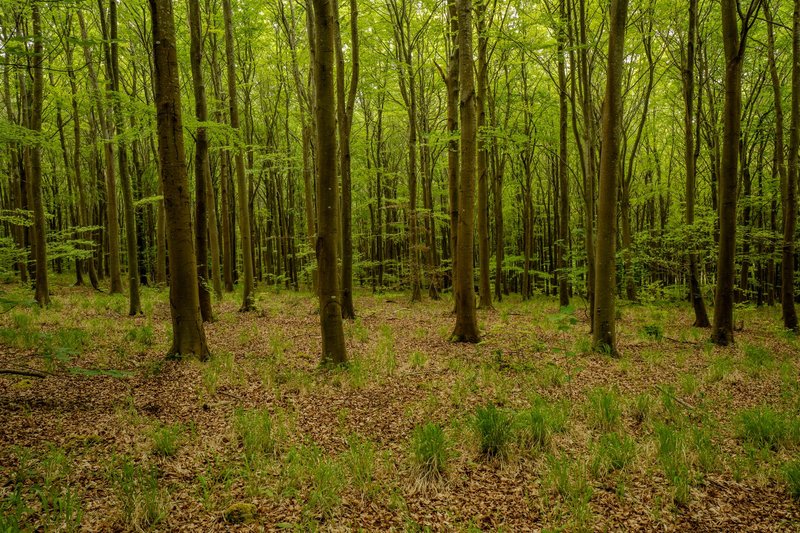
Hungary’s hills carry beech, hornbeam and oak woods, and the best flowers bloom before the canopy closes. By mid-May the light under the trees is gone, so the window is short: late February to early May. For a wider view of how these woods fit into the country’s temperate flora, see eight examples of Hungary’s temperate flora.
Snowdrop
Hungarian: hóvirág | Latin: Galanthus nivalis | Blooms: February to March | Status: protected
The first flower of the year, often pushing through leftover snow on shaded slopes and in old parks. Drifts of thousands appear in woods across the hills of Transdanubia and the north. Stand in a patch and you’ll smell honey, which surprises people who assume white flowers have no scent.
Ramsons (wild garlic)
Hungarian: medvehagyma | Latin: Allium ursinum | Blooms: April to May | Status: not protected, edible
Ramsons carpet damp beech and hornbeam woods in solid green, and then, in late April, in white star-shaped flower heads. You smell it before you see it. Foraging a handful of leaves for the kitchen is common outside protected areas; inside national parks, leave everything where it grows.
The danger is the lookalikes. Lily of the valley and autumn crocus (Colchicum autumnale, őszi kikerics) both have broad leaves that can be mistaken for ramsons, and both are toxic. Crush a leaf: only real ramsons smells of garlic.
Lady’s slipper orchid
Hungarian: boldogasszony papucsa | Latin: Cypripedium calceolus | Blooms: May to June | Status: strictly protected
The showpiece of the Bükk Mountains’ limestone beech woods: maroon petals around a yellow pouch the size of a thumb. It takes years to flower from seed and doesn’t survive being moved, which is why it’s strictly protected. Look for it in the Bükk National Park in late May, and stay on the path.
Dry grassland and sandy steppe
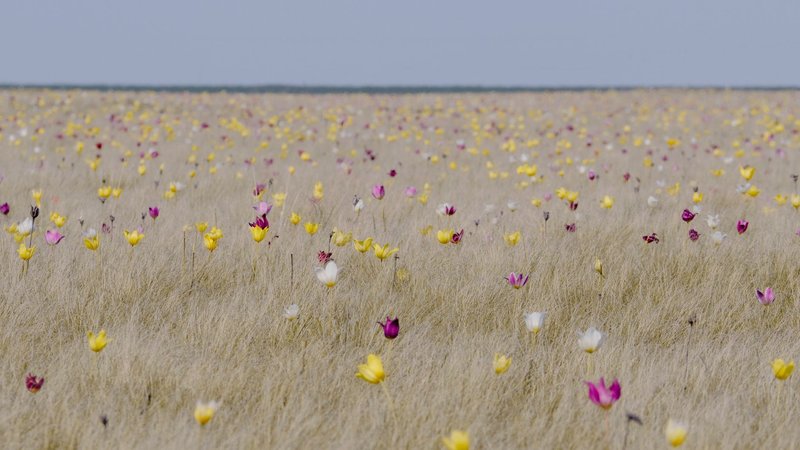
Rain shadows from the surrounding mountains keep the Great Plain dry, and the soil under the steppe is loess, sand or limestone. The plants here flower early, before summer heat bakes the ground, and then vanish into the grass. For the wider group of plants that live on these steppes, see this list of Eurasian steppe plants, with scientific names and native ranges.
Pheasant’s eye
Hungarian: tavaszi hérics | Latin: Adonis vernalis | Blooms: March to May | Status: protected, toxic
A yellow, many-petalled flower that looks like a small sun with feathery leaves. It grows on dry, sunny slopes and steppe patches. It contains heart-acting glycosides, so it’s a poison. Pheasant’s eye is also one of the few spring flowers that follows the sun, opening on warm days and closing when it clouds over.
Large pasqueflower
Hungarian: leánykökörcsin | Latin: Pulsatilla grandis | Blooms: March to April | Status: protected
Purple bells covered in silver hairs, appearing on south-facing grassy hillsides as soon as the ground warms. The hairs aren’t decoration: they trap warmth in cold March mornings. After flowering the plant makes a silky, feathery seed head that is almost as striking as the bloom.
Dwarf iris
Hungarian: apró nőszirom | Latin: Iris pumila | Blooms: April | Status: protected
Barely a hand high, in violet, yellow or a mix, and typical of sandy grasslands such as those of the Kiskunság. Because it grows so low, you’ll step on it before you see it. Watch where you put your feet in April.
Feather grass
Hungarian: árvalányhaj | Latin: Stipa species | Blooms: late May to June (silky awns) | Status: several species protected
Not a flower, but the plant that defines the Hungarian steppe visually. The long silvery awns ripple like water in wind, and bundles of them have decorated Hungarian folk hats for generations. Stand on a grass hill in June and it looks like the land is moving.
Corn poppy
Hungarian: pipacs | Latin: Papaver rhoeas | Blooms: May to June | Status: common, not protected
Hungary’s most recognizable wildflower, and the one that turns up on postcards. It grows on field margins, railway embankments and disturbed soil rather than in untouched steppe, which makes it a plant of farmland rather than wilderness. The petals fall within a day of picking, so don’t bother.
Wetlands and river floodplains
The Danube, the Tisza and the Drava flood their banks in spring, leaving a belt of willow and poplar forest, oxbow lakes and wet meadows. Add Lake Fertő and the Kis-Balaton wetland, and Hungary has more aquatic plant life than its dry-country reputation suggests.
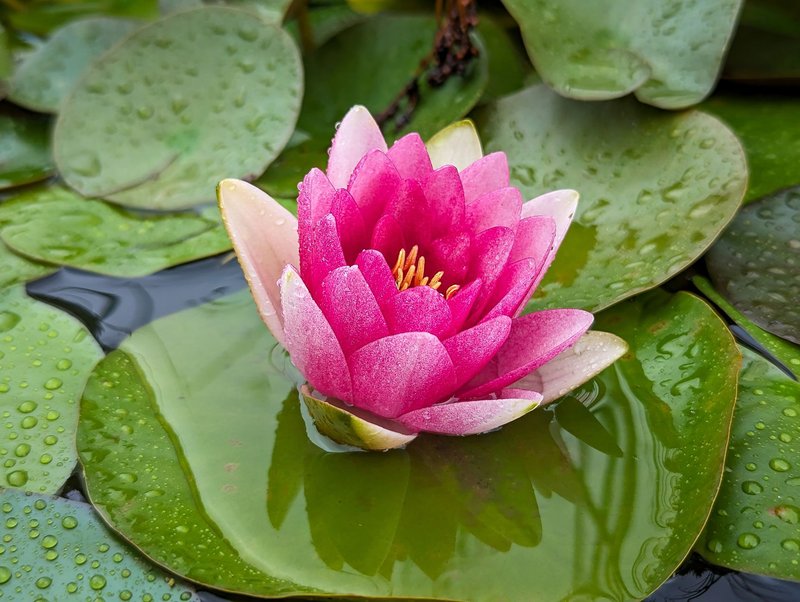
Marsh marigold
Hungarian: gólyahír | Latin: Caltha palustris | Blooms: March to May | Status: common, toxic when raw
A glossy buttercup relative that lights up wet meadows, stream banks and alder swamps. The yellow is bright enough to show up in photos from a hundred metres. The sap irritates the skin, so no picking bouquets.
Siberian iris
Hungarian: szibériai nőszirom | Latin: Iris sibirica | Blooms: May to June | Status: protected
Thin grassy leaves and violet-blue flowers, growing in wet meadows where the water table stays high. Drainage for farmland has erased most of its former range, so the remaining meadow patches matter. Skip the picking and go for the photo.
Summer snowflake
Hungarian: nyári tőzike | Latin: Leucojum aestivum | Blooms: April to May | Status: protected
Despite the name, it blooms in spring. White bells with a green dot on each petal tip hang from tall stems in floodplain forests, with strong populations along the Danube in the Gemenc forest area of the Danube-Drava National Park. It needs the river to flood to keep its habitat intact, so dammed and straightened rivers have cost it ground.
White water lily
Hungarian: fehér tündérrózsa | Latin: Nymphaea alba | Blooms: June to August | Status: protected
Round floating leaves and white flowers that open in the morning and close by late afternoon. You’ll find it on calm oxbows and backwaters of the Tisza, and on the quieter parts of Lake Tisza. A boat tour in the morning is the easiest way to see it open.
Water chestnut
Hungarian: sulyom | Latin: Trapa natans | Blooms: July to August | Status: protected
The sulyom floats a rosette of diamond-shaped leaves, and underwater it ripens a hard, black, four-horned nut that looks like a small bull’s head. People used to collect and boil the nuts as food. The plant now survives mainly in slow backwaters, including the Lake Tisza area and Kis-Balaton.
Common reed
Hungarian: nád | Latin: Phragmites australis | Blooms: August to September | Status: common
Reed is a plant community more than a single plant. It forms the great reed belts of Lake Fertő on the Austrian border, along the shores of Lake Balaton, and in the Kis-Balaton. These stands shelter nesting birds, filter nutrients out of water, and still get cut for roof thatch every winter.
Hortobágy and the salt plains
In 1999 UNESCO listed the Hortobágy National Park as a cultural landscape, and the plants are half of why. The puszta of the eastern Great Plain sits on alkaline (sziki) soil, where salts rise to the surface in summer and most plants can’t survive. The ones that can are specialists, and they look nothing like the lush plants of the woods. Grey Cattle and racka sheep graze this ground, and grazing is what keeps it open.
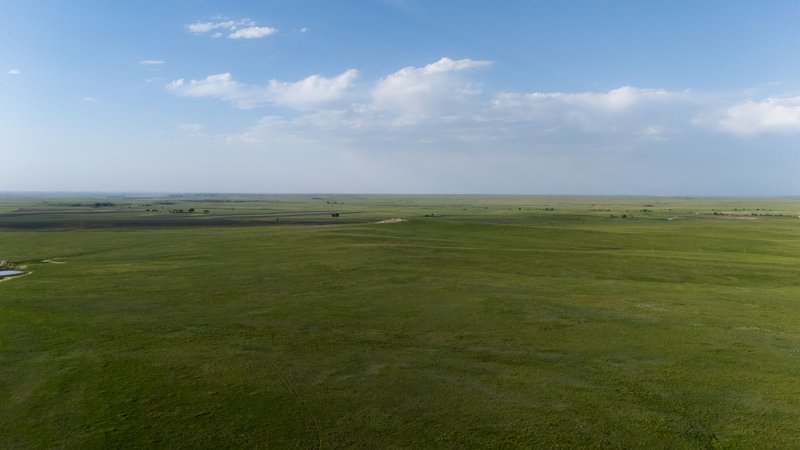
Chamomile
Hungarian: orvosi székfű | Latin: Matricaria chamomilla | Blooms: May to July | Status: common
Wild chamomile thrives on salty and sandy soils across the plain, and the smell of crushed flowers carries over a wide area on a warm day. This is the same plant behind the tea, and large amounts of it were once collected from the Hungarian plains.
Sea aster
Hungarian: sziki őszirózsa | Latin: Tripolium pannonicum | Blooms: July to October | Status: common on salt soils
Small lilac daisies with a yellow centre, growing in the wet, salty hollows where little else does. It’s a plant from the coast that found an inland salt flat, and it’s one of the late summer flowers when everything else has gone to seed.
Sea wormwood
Hungarian: sziki üröm | Latin: Artemisia santonicum | Blooms: August to October | Status: common on salt soils
A grey-green, aromatic shrubby plant that marks the typical salt steppe community. It lacks showy flowers, but it’s the plant that tells you which kind of soil you’re standing on. If you see it with sheep’s fescue underfoot, you’re on a classic alkali puszta.
Warm hills: Villány and Mecsek
The hills of southern Hungary are the warmest part of the country. Limestone ridges in the Villány Hills and the slopes of the Mecsek catch the sun and hold Mediterranean and Balkan species at the northern edge of their range. This is also wine country. Villány’s red wines grow on the same sun-baked slopes where the rare plants cling.
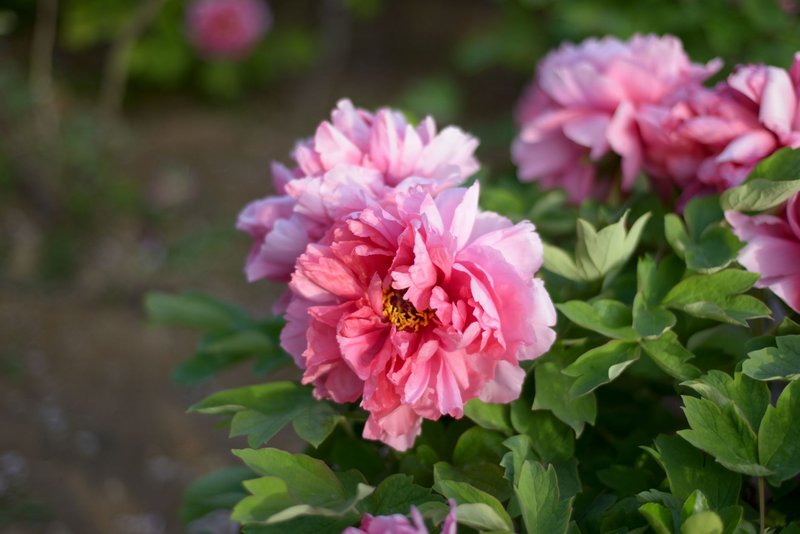
Banat peony
Hungarian: bánáti bazsarózsa | Latin: Paeonia banatica | Blooms: May | Status: strictly protected
Wild peonies with deep magenta petals and a yellow centre, found on the Szársomlyó hill near Nagyharsány. It’s the only place in Hungary most people would think to look. Dig up a peony from here and you’d kill the plant and face heavy fines. Go in May and look from the trail.
Hungarian crocus
Hungarian: magyar kikerics | Latin: Colchicum hungaricum | Blooms: late winter (roughly January to March) | Status: protected, toxic
The “Hungarian crocus” is not a crocus. It belongs to the Colchicum genus, and the giveaway is that the pale pink-white flowers come before the leaves, in the dead of winter. A mild February day on a south-facing slope in the south of Hungary is enough to open them. Every part of the plant contains colchicine, a poison.
Burning bush
Hungarian: nagyezerjó | Latin: Dictamnus albus | Blooms: May to June | Status: protected, skin irritant
Tall spikes of pink-veined flowers on warm oak-scrub slopes. The common name comes from the oils the plant gives off on hot days; in theory, you can light the air around it. The oils can also cause a rash after contact followed by sun exposure, so photograph it and keep your hands to yourself.
Smoke tree
Hungarian: cserszömörce | Latin: Cotinus coggygria | Blooms: May to June; foliage color in October | Status: native, not protected
A bush with hazy, pink plumes in early summer, and one of the best autumn colors in the country, with leaves going crimson and orange. It grows on dry, sunny slopes, and it’s the same plant that gardeners buy and plant in ornamental beds elsewhere.
Invasive plants in Hungary
Not every plant you see is native. Hungary has more than 250 non-native plant species that have established themselves, and nearly 70 of them are classed as invasive. Four of them you will meet on almost any walk. The full list of invasive species in Hungary covers the rest, with distribution across the regions.
Common ragweed (Ambrosia artemisiifolia, parlagfű) is the best known. It’s a major allergy trigger, with pollen in the air from August to September, and landowners in Hungary are legally required to control it.
Black locust (Robinia pseudoacacia, akác) came from North America in the early 1700s. It covers about a quarter of Hungary’s forest and gives the country its famous acacia honey, so the picture is mixed: it’s a useful tree that suppresses native grassland when it spreads from plantations.
Tree of heaven (Ailanthus altissima, bálványfa) grows fast, resprouts when cut, and takes over abandoned sites and railway embankments.
False indigo (Amorpha fruticosa, gyalogakác) forms dense thickets along rivers such as the Tisza, crowding out native willows.
When to go: a month-by-month calendar
February to March: snowdrop, Hungarian crocus, early marsh marigold. Wear boots; the woods are muddy.
March to April: pheasant’s eye, large pasqueflower, dwarf iris, and summer snowflake from mid-April. The steppe hills and floodplain forests are at their best.
April to May: ramsons carpet the beech woods; Banat peony opens in May on Szársomlyó. The woodland window closes as the canopy fills.
May to June: lady’s slipper in the Bükk, corn poppy, feather grass in silver, Siberian iris, burning bush and smoke tree. Peak flower season across the country.
June to August: white water lily, water chestnut, chamomile on the Hortobágy. Reedbeds are full of birds.
August to October: sea aster and sea wormwood on the salt flats, ragweed pollen in the air, and in October the smoke tree turns red.
The short version
The plants of Hungary fall into five clear groups: shade-loving spring woodland flowers, steppe and sand specialists, floodplain and wetland plants, salt-tolerant Hortobágy species, and the Mediterranean pockets of the Villány Hills and Mecsek. Pick a month from the calendar, pick the habitat that matches it, and you’ll find most of the species in this guide within a day’s travel.
Keep your hands off anything protected, which is most of the interesting plants, and treat the pretty ones as toxic until you know otherwise. The best Hungarian wildflowers are best left where they grow.