TLDR
- The common dunnart (Sminthopsis murina) is mostly an insectivore. Beetles, spiders, cockroaches, moth and beetle larvae, crickets, grasshoppers and termites make up most of its menu.
- It also takes the occasional small vertebrate, such as a tiny lizard or frog, so “carnivore” is technically accurate too.
- It gets nearly all its water from food and doesn’t need to drink.
- Some details come from related dunnarts, mainly the fat-tailed dunnart. This post marks which is which.
- For a rescued animal: call a wildlife carer or vet first. Insect-only diets need calcium supplementation.
Table of Contents
- The short answer
- Food by food: what’s on the menu
- How a common dunnart hunts
- Why it doesn’t need to drink
- Fast metabolism, fat and torpor
- Seasons and habitat
- Common vs fat-tailed dunnart diet
- What to feed a rescued dunnart
The short answer
The common dunnart eats ground-dwelling invertebrates, mostly insects and spiders, and now and then a small lizard, frog or other tiny vertebrate. It’s a night hunter that works through leaf litter, logs and grass tussocks across south-eastern Australia, and it weighs only about as much as a few coins.
That size explains the diet. A mouse-sized marsupial with a fast metabolism can’t live on slow, low-energy food. It needs protein and fat in small, frequent packages, and a beetle or a cricket larva fits.
Dunnarts belong to the Dasyuridae, the family of carnivorous marsupials that also includes quolls and the Tasmanian devil. So the question “are dunnarts insectivores or carnivores?” has a two-part answer: both. They’re carnivores that happen to eat mostly insects.
Food by food: what’s on the menu
Sources such as the Australian Museum’s species profile agree on the main items. Detailed study of the common dunnart’s diet is thin, though. Where published work covers the fat-tailed or stripe-faced dunnarts instead, that’s flagged below rather than blended in.
| Food | Role in the diet | Evidence |
|---|---|---|
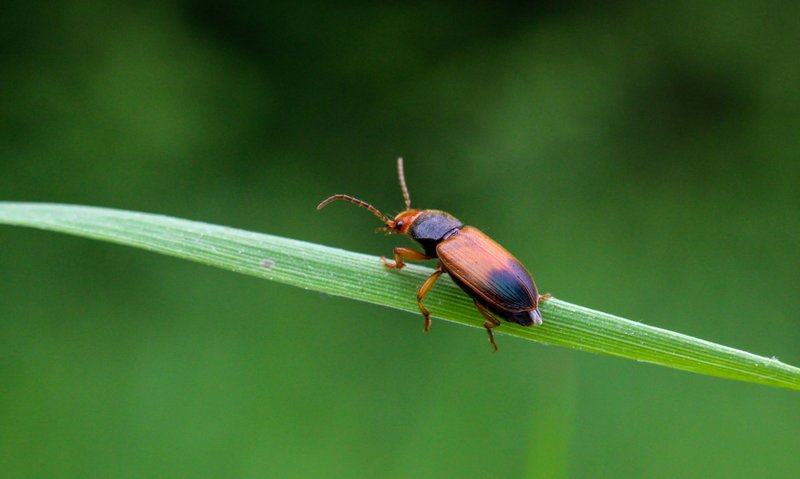
| Beetles | Staple prey, hard-bodied and abundant on the ground | Confirmed for common dunnart |
| Spiders | Regular prey, especially ground-living species | Confirmed for common dunnart |
| Cockroaches | Regular prey | Confirmed for common dunnart |
| Cricket and other insect larvae | Soft, fat-rich food | Confirmed for common dunnart |
| Moths | Taken when caught on the ground or low down | Confirmed for common dunnart |
| Grasshoppers | Seasonal, when abundant | Confirmed for common dunnart |
| Termites | Taken where colonies are accessible | Confirmed for common dunnart |
| Small lizards, frogs, tiny mammals | Occasional extra | Reported for the species, best documented in larger dunnarts |
Beetles. They’re everywhere in leaf litter and under bark, and they’re armoured, so a dunnart’s sharp, pointed teeth do the work. Beetles are the reliable base of the diet.
Spiders. Ground-dwelling spiders are an easy catch for an animal already working along the soil surface at night.
Cockroaches. Native bush cockroaches live under logs and rocks, exactly where dunnarts shelter and forage.
Larvae. Cricket larvae and similar soft-bodied grubs are high in fat and protein, and they don’t fight back much. Expect them to be preferred when found.
Moths and grasshoppers. These are opportunistic items. A dunnart isn’t an aerial hunter, so it takes moths on the ground or low in vegetation, and grasshoppers when numbers are up.
Termites. Easy food in bulk where a colony is exposed, though not available everywhere in the dunnart’s range.
Small vertebrates. Reports of lizards, frogs and tiny mammals exist for dunnarts as a group. For the common dunnart specifically they’re a minor part of the picture. Treat them as a bonus, not a pillar.
How a common dunnart hunts
Dunnarts are nocturnal. By day, the animal sleeps in a nest, often in a hollow log, under a rock or in a grass tussock. At night it emerges and covers ground in short, quick dashes, stopping to investigate cover.

Hunting is mostly a matter of finding insects hiding in the litter layer and pouncing on them. The dunnart relies heavily on smell and hearing in the dark, then seizes the prey in its jaws and chews it up. Its narrow muzzle fits into gaps between leaves, bark and soil that larger animals can’t reach.
That’s why the habitat matters as much as the menu. A dunnart needs ground cover: litter, logs, rocks, dense low vegetation. Take that away and both its hiding places and its hunting ground go with it. The Goulburn Broken Catchment Management Authority’s “Catchment Critters” item makes the same point for the fat-tailed dunnart: ground structure is what keeps the invertebrate prey, and the predator, in place.
Why it doesn’t need to drink
Common dunnarts get their water from their food. Insects, spiders and larvae are mostly water by weight, and a diet of them covers the animal’s needs without a visit to a puddle or creek.
This matters in dry, patchy habitats where open water is rare and a trip to a waterhole would expose a 15-gram animal to owls, cats and foxes. Skipping the drink also means one fewer risk per night.
Fast metabolism, fat and torpor
Small bodies lose heat quickly, so dunnarts burn energy at a high rate and need to feed often. A bad night, with cold weather or few insects, can leave them short of fuel quickly.
Dunnarts deal with that in two ways.
Torpor. When it’s cold or food is scarce, a dunnart can drop its body temperature and slow its metabolism for hours at a time, then rewarm and go back to hunting. This saves energy without requiring the animal to find more food. It’s well documented across small dasyurid marsupials, and it fits the common dunnart’s habit of living in cool, southern habitats.
Fat storage. Here the species differ, and the label “fat-tailed” earns its name. The fat-tailed dunnart (Sminthopsis crassicaudata) stores fat in a visibly swollen tail. The common dunnart has a slimmer tail and is not the one to picture when you read about tail fat. Treat claims about tail storage on this species with caution, since many web pages blur the two.
Seasons and habitat
The common dunnart ranges through woodland, heath, forest edges and grassland in south-eastern Australia. Insect numbers there rise in the warm months and fall in winter, and the menu follows. In spring and summer, the animal can pick from a wide range of beetles, larvae, moths and grasshoppers. In the cold months, food is leaner and torpor does more of the work.
No published figures give clean percentages by season for the common dunnart, so any pie chart claiming to show them is guessing. What’s solid is the general pattern: a broad insect and spider diet that shifts with whatever is abundant on the ground that month.
Common vs fat-tailed dunnart diet
Both eat invertebrates from the ground, and both take small vertebrates now and then. The differences are mostly about habitat and energy storage, not the menu.
- Habitat: The common dunnart lives in wetter, more wooded country. The fat-tailed dunnart favours open, drier grassland and shrubland.
- Fat: The fat-tailed dunnart carries visible reserves in its tail. The common dunnart doesn’t.
- Evidence: Detailed diet research in the Journal of Mammalogy covers fat-tailed and stripe-faced dunnarts, not the common dunnart. That’s why many “common dunnart diet” pages quietly borrow from their cousins.
What to feed a rescued dunnart
If you’ve found an injured or orphaned dunnart, don’t start with a feeding plan. Contact a licensed wildlife carer or a vet who treats native animals. Handling and housing mistakes kill small marsupials faster than hunger does, and in most parts of Australia keeping native wildlife without a permit is illegal.
If a carer has told you to keep the animal warm and quiet until pickup, that’s all you should do. Skip milk, bread and pet food.
For trained carers, the principle is simple: mimic the wild diet. Live or freshly killed insects such as crickets, mealworms and other invertebrates are the base. But an insect-only diet is low in calcium and high in phosphorus, which over time causes bone disease in small mammals. Carers dust the insects with a calcium supplement, or feed them on calcium-rich food first, to correct the balance.
Without a vet’s or carer’s advice on quantities, don’t guess. A 15-gram animal has very little margin.
Key takeaways
The common dunnart eats what the ground gives it at night: beetles, spiders, cockroaches, larvae, moths, grasshoppers, termites, and the occasional small vertebrate. It drinks almost nothing, relies on frequent meals, and uses torpor when food runs short. If you’re reading a source that mixes it up with the fat-tailed dunnart, check the species before trusting the detail. For the wider conservation picture, the IUCN Red List tracks the status of dunnarts and other Australian small mammals.