

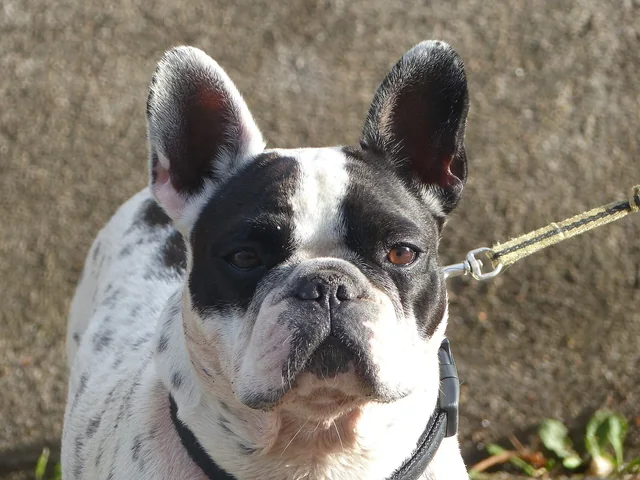

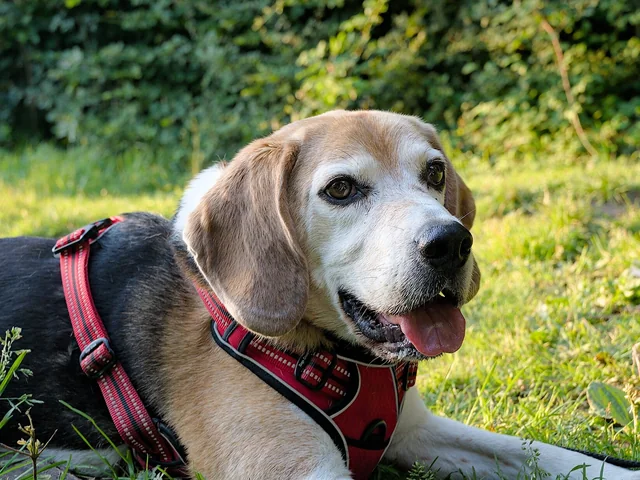



How to use the dog breed selector
The dog breed selector answers “what dog should I get?” for your life. You answer 14 questions about your home, your week, your family, your budget and what you want most from a dog. The tool ranks 218 breeds and popular crosses, then shows your top 3 with a match percent for each.
Each match lists why it fits you and what to know before you commit. Below the three matches you get a “Think about adopting” card for shelter dogs and seven more breeds. You can change any answer on the results page and the list updates.
Answer for the life you have now, not the life you plan to have. If you walk twice a week, pick “I like to take it easy”.
A match percent shows how close a breed comes to your answers. A score in the 90s is a close fit. It is not a promise about one dog. Use the list as a short list: read about the breeds, then go meet dogs. If you share your home with a cat, our guide to cat-friendly dog breeds adds detail. Want a different kind of game? Try to guess breeds from photos.
How we score the breeds
Every breed gets a score from 1 to 5 on 19 traits: exercise needs, ease of training, coping alone, patience with young kids, getting along with other dogs, living with cats and small pets, shedding, grooming, barking, heat tolerance, cold tolerance, strength, watchfulness with strangers, affection, calm indoors, playfulness, fit for apartments, forgiveness for first-time owners and running cost.
The scores are ours. Each number has a fixed meaning. For exercise, a 1 means 20 to 30 minutes of easy walking and a 5 means two hours or more of hard exercise or a job. We wrote the scores from breed standards, breed club, kennel club and veterinary sources, then compared breeds against each other so that similar dogs get similar numbers. They are not AKC ratings and not survey results.
Your answers become limits. Choose “apartment” and breeds that score low for apartment life lose points. Choose “more than 8 hours alone” and breeds that struggle alone lose more. A one-point miss costs a little. A three-point miss costs a lot. The match percent shows how little a breed lost. The two things you pick under “what matters most” give a bonus to breeds that score high on them.
A few answers are filters. If you say allergies are a problem, only low-shedding coats stay in the results. If you live somewhere hot, flat-faced breeds and breeds that cope badly with heat are removed.
Matches 1 and 2 are always breeds you can find through breeders and rescues in the US. Match 3 can be a rare breed, labelled “Hidden gem”, but only when it scores clearly better than the best easy-to-find choice. The three matches come from different breed families. At most one is a cross and at most one is flat-faced.
Flat-faced breeds such as Pugs, Bulldogs and Boston Terriers can struggle to breathe in heat and during exercise. Every flat-faced breed loses points whatever you answer, and its card carries a warning.
The shelter card names the kind of mix that matches your results best, such as a Lab mix or a terrier mix, and links to adoptable dogs near you. Lifespans on the cards come from McMillan et al. 2024 in Scientific Reports, a study of UK dogs, where the study covers the breed. To turn a dog’s age into human years, use our dog years calculator.
What dog breed can and can’t tell you
Breed predicts size, coat and looks well. It predicts personality poorly. A 2022 study in Science by Morrill and colleagues surveyed owners of about 18,000 dogs and found that breed explains about 9% of the differences in behavior between individual dogs. Two Labradors can act very differently. A Lab and a Beagle can act alike.
So use breed for what it does well. A Great Dane will be big. A Poodle’s coat will need a groomer.
The selector helps you choose a type of dog. The individual dog still matters more. Meet the dog, watch how it handles strangers and noise and ask the breeder or rescue how it behaves at home.
Is any dog hypoallergenic?
No. No breed has been shown to be allergy-free. Dog allergens come from skin flakes and saliva as well as hair, so a dog that sheds little can still cause symptoms.
A 2012 study by Vredegoor and colleagues in the Journal of Allergy and Clinical Immunology measured the main dog allergen in hair and in homes. Breeds sold as hypoallergenic had as much allergen in their coats as other breeds, and homes with them did not have lower levels in the air. A 2011 study by Nicholas and colleagues in the American Journal of Rhinology and Allergy compared dust from homes and found no difference between “hypoallergenic” dogs and other dogs.
Low shedding still helps with hair on the floor. If you pick “allergies” in the selector, you see only low-shedding breeds, plus a reminder to meet the dog first. Spend an hour or more with the dog, indoors, before you commit. If anyone in your home has asthma, ask their doctor first.
How much does a dog cost per month?
A dog costs about $90 to $300 a month at small size and $200 to $550 a month at giant size, with insurance. Size sets the food bill and the dose of many medicines. Coat sets the grooming bill. Breed sets the vet bill.
| Size | Food | Grooming | Vet and preventives | Insurance (optional) | Rough monthly total |
|---|---|---|---|---|---|
| Small (under 22 lb) | $25 to $60 | $0 to $90 | $35 to $80 | $30 to $70 | $90 to $300 |
| Medium (22 to 55 lb) | $50 to $90 | $0 to $110 | $45 to $90 | $30 to $70 | $130 to $350 |
| Large (55 to 100 lb) | $80 to $130 | $0 to $140 | $55 to $110 | $30 to $70 | $170 to $450 |
| Giant (over 100 lb) | $110 to $170 | $0 to $170 | $65 to $130 | $30 to $70 | $200 to $550 |
The low end of grooming is a short coat you brush at home. The high end is a coat that needs a groomer every 6 to 8 weeks. Skip insurance and the total drops by $30 to $70. The table leaves out one-time costs, emergencies and boarding.
The ranges are rounded and vary by area. Rover’s 2026 cost report found that small adult dogs cost about 63% less per year than large and giant ones and put a medium dog at $145 to $505 a month. PetMD’s summary of NAPHIA insurance data gives an average US dog premium of about $62 a month. The Dogs Portal 2026 monthly cost guide splits food, vet and grooming by size.
Food is the biggest line for large dogs. Our dog food calculator shows how much your dog needs each day. If your budget is tight, answer “Under $100” for the monthly budget and the selector favors breeds that cost less to keep.
Best dogs for apartments, first-time owners, families and more
We ran the selector on dozens of answer sets for each situation and kept the breeds that came up most often in the top 3. Your own answers will change the ranking.
Best dogs for apartments
- Whippet: calm and quiet indoors, with an easy coat. It chases cats and small animals, so it needs a leash outdoors.
- Chinese Crested: small, barely sheds and loves to cuddle. It hates being left alone and is too fragile for rough play.
- Italian Greyhound: small, quiet and affectionate. Its thin legs break easily, so it is a poor match for toddlers, and it is hard to house-train.
- Greyhound: large but quiet and calm indoors, and fine alone during a work day. It chases cats and needs a fenced area to run.
Pick “Apartment or condo” in the selector for a ranking that fits your size, noise and stairs.
Best dogs for first-time owners
- Golden Retriever: learns fast, is patient with kids and gets along with cats and dogs. It sheds all year and needs daily exercise.
- Labrador Retriever: great with kids of all ages and eager to learn. It pulls on the leash until trained and gains weight easily.
- Whippet: quiet and calm indoors, with a coat that needs almost no care. It chases cats and small animals.
- Bernese Mountain Dog: gentle and calm with kids. It is big (70 to 115 lb), sheds heavily and lives about 10 years.
- Boykin Spaniel: eager to please and good with kids and other dogs. It does not like being left alone.
Our full list of dog breeds for first-time owners goes deeper. Choose “This is my first dog” in the selector for your own top 3.
Best family dogs for young kids
- Golden Retriever: patient and gentle with small children, and gets along with other pets.
- Labrador Retriever: sturdy and friendly, and great with kids of all ages. It loves fetch and swimming.
- Bernese Mountain Dog: gentle and patient, but large and a heavy shedder. It struggles in hot weather and lives about 10 years.
- Whippet: gentle and quiet in a busy home. It can chase the cat.
- English Cocker Spaniel: eager to please and good with kids and other pets. Its coat needs regular trims and it does not like being left alone.
See also our guide to family-friendly dog breeds. Pick “Kids under 6” in the selector and your results will weigh patience and sturdiness more heavily.
Best dogs for seniors and less active owners
- Whippet: a calm couch dog, happy with short walks.
- Italian Greyhound: light enough to lift and affectionate, though hard to house-train. Its legs break easily in a fall.
- Chinese Crested: small, affectionate and barely sheds. It needs company most of the day.
- Papillon: small, smart and quick to learn, and lives about 14 years. It wants company most of the day and barks at noises.
Our guide to low-maintenance dog breeds lists more. Choose “I like to take it easy” and “Calm indoors” in the selector for a personal answer.
Best dogs for people who work full time
- Greyhound: copes with a work day alone better than almost any breed, and is quiet. It chases cats and needs a fenced area.
- Basset Hound: calm, lazy and fine home alone, and patient with kids. It howls loudly and should avoid stairs.
- Borzoi: quiet, calm indoors and copes well home alone. It is reserved and chases cats, and suits someone who has owned a dog before.
- Chinese Shar Pei: calm and quiet indoors and fine alone during the day. It is stubborn and wary of strangers and needs early training.
No dog should spend more than eight hours alone every day. Plan a midday walk or a dog walker. Pick “More than 8 hours” in the selector to see which breeds cope best.
Hypoallergenic dog breeds (lower-shedding)
- Bichon Frise: friendly with kids, dogs and cats, and easy for first-time owners. It needs a groomer every 4 to 6 weeks and is hard to house-train.
- Miniature Poodle: sheds very little, learns fast and lives about 14 years. It needs a groomer every 4 to 8 weeks.
- Coton de Tulear: gentle with kids and other pets. Its coat mats unless brushed most days, and it does not like being left alone.
- Havanese: affectionate and easy to train with treats. It gets upset when left alone.
- Chinese Crested: barely sheds. Its hairless skin burns in the sun and it is too fragile for rough play.
Take the selector and choose “Yes, someone has allergies” to see low-shedding breeds that also match your home.
Puppy or adult dog: which should you get?
Get an adult dog if you want fewer surprises. Get a puppy if you have the time to raise one.
A puppy needs house-training, chewing control, early socialization and nights of broken sleep. You also do not know its adult size or temper yet. For a size estimate, use our puppy weight calculator. Rover’s 2026 report found that yearly spending drops about 21% from the puppy year to adulthood.
An adult dog from a shelter or rescue usually arrives with a known size, a known energy level and often some training. The tradeoff is fewer years together. Senior dogs cost more in vet care: Rover puts yearly spending on senior dogs at $2,475 to $5,200.
Adopting a dog: shelters, rescues and breeders
Start with Petfinder and your local shelter. Most shelter dogs are mixes. Ask about the dog’s size, energy and history with kids, cats and other dogs. That tells you more than a guess about its breed mix.
If you want a particular breed, look for a breed-specific rescue. Most national breed clubs list rescue groups on their sites.
If you buy from a breeder, look for one who shows proof of the health tests that matter in the breed, lets you meet the mother, shows you where the puppies live and takes the dog back at any age. Expect a waiting list and questions about your home. Avoid pet stores and online sellers who ship puppies you have not met.
Ready to start? Take the dog breed selector at the top of the page, then browse our other animal quizzes.
Dog breed questions
What dog breed should I get?
Get the breed whose size, energy, coat and cost fit the life you have today. Start with your home, your free hours, who lives with you and your monthly budget. The dog breed selector asks about all of these in 14 questions and returns three matches with a match percent. Then meet individual dogs, because the dog matters more than the breed.
How does a dog breed selector work?
Each breed has a score from 1 to 5 on 19 traits, such as exercise needs, shedding and patience with kids. Your answers set limits on those traits. Breeds that miss a limit lose points and bigger misses cost more. The three breeds that lose the fewest points are your matches, and the match percent shows how close each one came.
Should I pick the breed ranked number one?
Not automatically. The top match is the closest fit to your answers, but the second and third matches are often nearly as good. Read all three, check the "good to know" notes and pick the one whose downsides you can live with. If two breeds tie in your mind, choose the one you can find and meet in person.
What is the best dog for a first-time owner?
Golden Retrievers, Labrador Retrievers, Whippets, Bernese Mountain Dogs and Boykin Spaniels came up most often in our selector for first-time owners. They are forgiving of mistakes, eager to learn and good with families. Each still needs daily exercise and training. Choose "This is my first dog" in the selector to get a ranking for your own home.
What is the best dog for an apartment?
Calm, quiet dogs with modest exercise needs do best in apartments. Whippets, Chinese Cresteds, Italian Greyhounds and Greyhounds came up most often in our selector for apartment answers. Size matters less than noise and energy: a calm large dog can suit a flat better than a small dog that barks all day.
Which dog breeds are good for people who work full time?
Breeds that stay calm and quiet alone, such as Greyhounds, Basset Hounds, Borzois and Chinese Shar Peis, came up most often in our selector for people out more than eight hours. No dog should be alone for eight hours every day. Plan a midday walk or a dog walker and train the dog to be alone in short steps.
Are hypoallergenic dogs really allergy-free?
No. Studies in 2011 and 2012 found no consistent difference in allergen levels in homes with so-called hypoallergenic dogs and homes with other dogs. Allergens come from skin flakes and saliva as well as hair. Low-shedding breeds such as Poodles and Bichons leave less hair around, but spend time with the dog indoors before you commit.
Can a shelter dog match my results?
Yes. Most shelter dogs are mixes, and the selector's adoption card names the kind of mix that fits your results, such as a Lab mix or a terrier mix. Ask the shelter about the individual dog's size, energy and behavior with kids and pets. An adult shelter dog arrives with a known size and personality.
Should I get a puppy or an adult dog?
Choose an adult dog if you want a known size, a known temper and less training. Choose a puppy if you have time for house-training, chewing, socialization and broken sleep. A puppy's adult size and personality are still guesses. Senior dogs are calm but cost more in vet care and give you fewer years together.
How much does a dog cost per month?
Plan on about $90 to $300 a month for a small dog and $200 to $550 for a giant dog, with insurance. Medium dogs run about $130 to $350 and large dogs about $170 to $450. Food and medicine rise with size. Grooming depends on coat. Costs vary by area, and emergency care comes on top.
Does breed decide a dog's personality?
Only in part. A 2022 study in Science of about 18,000 dogs found that breed explains about 9% of the differences in behavior between individual dogs. Breed tells you far more about size, coat and looks than about personality. Meet the specific dog and judge it on how it acts.