


What cat breed should I get?
Get the breed whose energy, coat, noise level and need for company fit the life you have now. The cat breed selector above works this out for you. You answer 13 questions about your home, your day, your family and your budget. The tool ranks 44 breeds and shows your top 3 with a match percent for each.
Each match lists why it fits you and what to know before you commit. Below the three matches you get an adoption card and seven more breeds. You can change any answer on the results page and the list updates.
Answer for the life you have now, not the life you plan to have. If you play with a cat for 10 minutes on a good day, pick “10 minutes or less”.
A match percent shows how close a breed comes to your answers. A score in the 90s is a close fit. It says nothing about one particular cat, so treat the list as a short list: read about the breeds, then go meet cats. Thinking about a dog as well? Try our dog breed selector.
How we score the breeds
Every breed gets a score from 1 to 5 on 19 traits: energy, ease of training, coping alone, patience with young kids, getting along with dogs, getting along with other cats, safety around small pets, shedding, grooming, how much it meows, fit for small homes, forgiveness for first-time owners, running cost, affection, need for company, calm indoors, playfulness, tolerance of being handled and expected lifespan.
The scores are ours. Each number has a fixed meaning. We wrote them from breed standards, registry descriptions, veterinary sources and published health research, then compared breeds against each other so that similar cats get similar numbers. A second reviewer scored every breed without seeing the first set of numbers, and we settled any large gap. They are not CFA or TICA ratings, and they are not survey results.
Your answers become limits. Choose a studio apartment and breeds that need room to run lose points. Choose “More than 8 hours” alone and breeds that struggle alone lose more. A one-point miss costs a little. A three-point miss costs a lot. The match percent shows how little a breed lost. The two things you pick under “what matters most” give a bonus to breeds that score high on them.
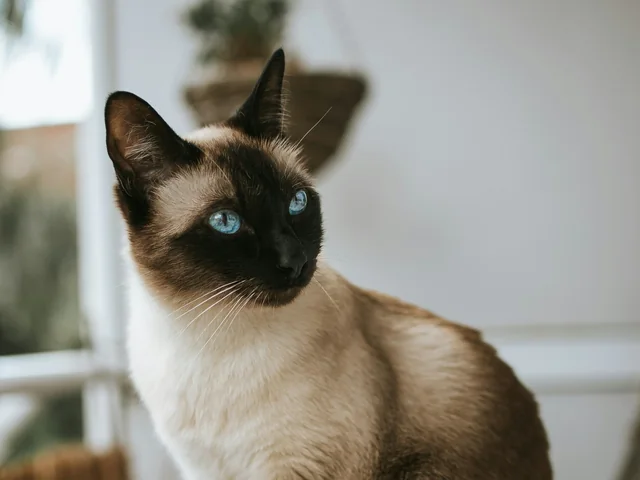
Some answers are hard rules. If someone at home has allergies, only 11 breeds stay in the results. If you say you need a quiet cat, very talkative breeds such as the Siamese stay out of your top 3. If you are away more than 8 hours a day, breeds that need constant company do too.
Matches 1 and 2 are always breeds you can find in the US without a very long wait. Match 3 can be a rare breed, labelled “Hidden gem”, but only when it scores clearly better than the best easy-to-find choice. At most one of your three matches is flat-faced and at most one is a wildcat hybrid.
Lifespans on the cards are typical ranges, not promises. To convert a cat’s age into human years, use our cat years calculator.
What breed can and can’t tell you about a cat
Breed tells you a lot about size, coat and looks. It tells you something about personality, but less than you might expect. A 2019 study in Scientific Reports by Salonen and colleagues used owner reports on 5,726 cats and found behavior differences across breeds. In the three breeds they examined closely, genes explained about 40% to 53% of the differences in the traits they measured. The rest comes from kittenhood, handling, home and chance.
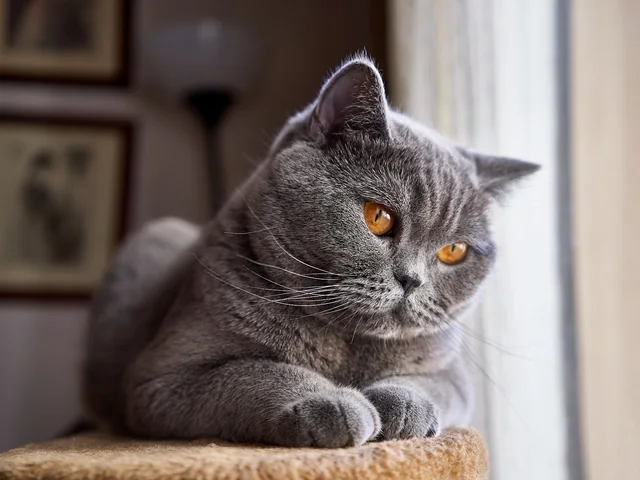
So a Siamese will probably talk more than a British Shorthair. One quiet Siamese and one chatty British Shorthair are still normal cats. Use breed to narrow your list, then judge the cat in front of you. Ask how it behaves with strangers, noise, handling and other animals.
Domestic cat or pedigree cat?
Most pet cats in the US are not pedigree cats. Surveys put the mixed-breed share at about two-thirds or more. “Domestic shorthair” and “domestic longhair” describe the coat of a cat with mixed ancestry. They are not breeds, so we do not score them: their traits vary too much for a number to mean anything.
A domestic cat is still the right answer for many people. In the largest UK study of cat lifespans, Teng and colleagues (2024) found that crossbred cats lived about 11.9 years from birth, and that being purebred was linked to a shorter life. The same study found wide gaps between breeds: 14.4 years for Burmese and Birmans and 6.7 years for Sphynx cats. The authors note that these figures probably run low, and small breed samples make them less certain.
That is why every result includes an adoption card. It names the domestic cat look closest to your matches, such as a fluffy longhair or a sleek shorthair, and links to cats near you. An adult shelter cat comes with a known size and a known personality.
Are any cats hypoallergenic?
No. A 2024 review in Allergologie Select by Hilger and colleagues states that there is no scientific evidence for a hypoallergenic cat breed. All cats make the main cat allergen, Fel d 1, in their saliva and skin. Grooming spreads it through the coat and it sticks to clothes and furniture. Hair is only the carrier, so hairless Sphynx cats make it too.
The amount varies more between individual cats than anything else we can measure. Unneutered males make more on average than females, so a neutered cat is the better choice for an allergic home. Some studies suggest older cats make less than younger ones.
Siberians have the strongest reputation, but the claim rests on small tests and breeder-linked data. No large independent study has shown that any breed makes less. A 2014 conference abstract compared just 6 normal and 8 “hypoallergenic” cats and found less Fel d 1 on the fur of the second group. That is a reason for more research, not a reason to buy a kitten.
If you choose “Yes, someone has allergies”, the selector shows 11 breeds that sellers or small studies most often name as better for allergies, plus low-shedding coats that leave less hair around the home. Treat them as candidates. The allergic person should spend time with the specific cat, indoors, on more than one visit. Ask to take a blanket the cat has slept on home for a few days. If anyone in your home has asthma, ask their doctor first.
How much does a cat cost per month?
A cat costs about $70 to $305 a month in the US, according to Rover’s 2026 cost report for a medium-sized cat. Food and insurance choices make most of the gap.
| Cost | Rough monthly amount | Source |
|---|---|---|
| Food | $20 to $160 | Rover: $225 to $1,920 a year |
| Routine vet checkup | $7 to $17 | Rover: $80 to $200 a year |
| Accident and illness insurance | About $32 | NAPHIA figure for 2024, via Progressive |
| Everything together | $70 to $305 | Rover, medium-sized cat |
The table leaves out the purchase or adoption fee, emergencies and boarding. Rover’s 2026 numbers are in this news summary of the report and in Rover’s own cat cost guide. The insurance figure comes from Progressive’s pet insurance summary. All of these vary by area.
Breed changes the bill in two ways. Longhairs that mat need more grooming, and that can mean a professional groomer. Breeds with known heart, kidney or breathing problems can cost far more at the vet. Set your budget in the selector and it favors breeds that cost less to keep.
Best cat breeds for apartments, first-time owners, families and more
We ran the selector on hundreds of answer sets for each situation and chose from the breeds that came up most often in the top 3. Your own answers will change the ranking.
Best cat breeds for apartments
- Birman: gentle, quiet and happy indoors. It wants company, so it suits a home where someone is around.
- American Shorthair: easygoing, with a simple coat. It copes well alone and rarely demands attention.
- American Curl: small, friendly and quiet, with ears that curl back. It likes to stay near its people.
- Bombay: a sleek black lap cat with a coat that needs almost no care. It does not like long days alone.
Our guide to apartment cat breeds lists more. Pick your home type in the selector for a ranking that fits your space.
Best cat breeds for first-time owners
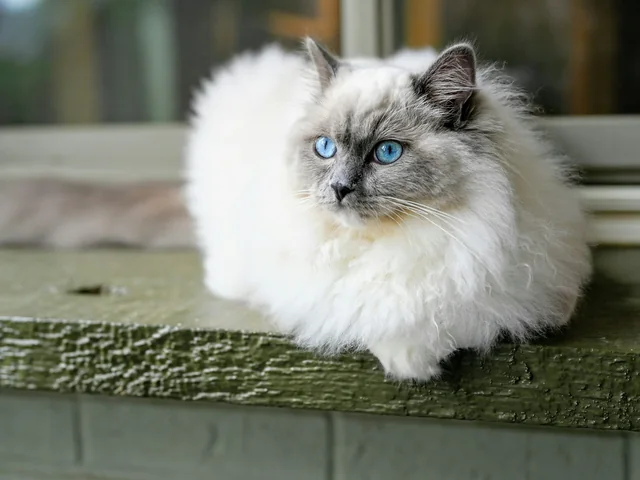
- Ragdoll: relaxed, gentle and easy to handle. It is large, needs weekly brushing and carries a risk of inherited heart disease, so ask breeders about heart screening.
- American Shorthair: forgiving, sturdy and low maintenance.
- Birman: calm and affectionate, with a coat that mats less than most longhairs.
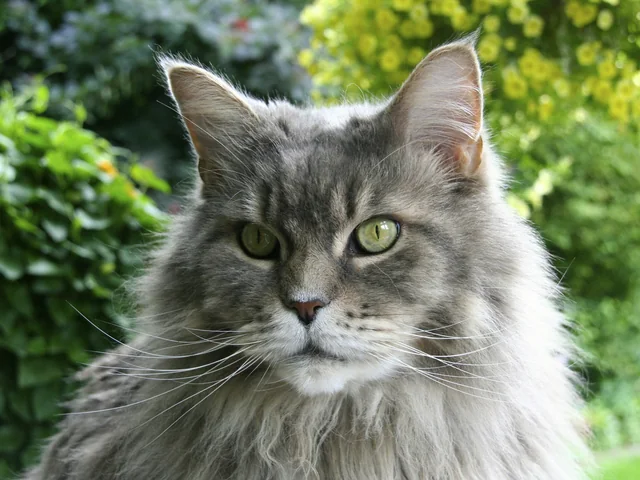
- Maine Coon: friendly and patient, but big, and it needs regular brushing. Ask breeders about heart and hip screening.
Choose “This is my first cat” in the selector and breeds that need an experienced owner stay out of your top 3.
Best cat breeds for families with young kids
- Ragdoll: tolerant of handling and usually slow to scratch.
- Maine Coon: large and sturdy, so it copes with busy homes better than a small cat.
- Tonkinese: social and playful. It wants company and gets bored alone.
- Burmese: people-focused and playful, and among the longest-lived breeds in UK data.
Teach kids to let the cat walk away. Pick “Kids under 6” in the selector and the results weigh patience and handling more heavily.
Best cat breeds for seniors and quieter homes
- Birman: calm, quiet and affectionate. It is among the longest-lived breeds in UK data.
- American Shorthair: needs little exercise or grooming.
- Bombay: loves a lap and needs almost no brushing.
- American Curl: small and light enough to lift easily.
See also our guides to cat breeds for seniors and lap cat breeds.
Best cat breeds for people who work full time
- British Shorthair: calm, quiet and content alone. It is not a lap cat.
- American Shorthair: steady and independent. Nurses, teachers and others with long shifts can leave it for a work day.
- Norwegian Forest Cat: independent and friendly. Its thick coat needs regular brushing.
- Chartreux: quiet, calm and comfortable with its own company.
Every cat still needs daily play, fresh water and a clean litter box. Our guides to independent cat breeds and cat breeds for single professionals go deeper.
Best cat breeds if you work from home
- Bombay: stays close all day and needs little grooming.
- Tonkinese: social and playful, and a good match for freelancers and anyone home most of the day.
- Burmese: wants to be involved in whatever you are doing.
- Ragdoll: follows you from room to room and then sleeps nearby.
Quietest cat breeds for light sleepers
- American Shorthair: steady and rarely demanding, with a quiet voice.
- Chartreux: known for a small voice and a calm manner.
- Birman: soft-voiced and gentle.
- Russian Blue: quiet and tidy, and often shy with strangers.
Any cat can wake you at dawn. Feed on a timer and play before bed to reduce it.
Cat breeds for people with allergies
- Devon Rex: a short curly coat, very little shedding and a big need for company.
- Russian Blue: quiet and independent, with a dense coat. It can be shy around young kids.
- Korat: a single short coat and a close bond with its people.
- Siberian: large and friendly, with the best-known allergy reputation and thin evidence behind it.
None of these are allergy-free. Our guide to cat breeds for allergy sufferers has more detail.
Why Scottish Folds and Munchkins are not in our top picks
The selector never places a Scottish Fold or a Munchkin in your top 3. You can still see them under “more matches”, with a health note.
The gene that folds a Scottish Fold’s ears also damages cartilage throughout the body. The RSPCA in Australia reports that every cat with folded ears develops this joint disease to some degree. It can cause painful arthritis, stiff tails, lameness and an unwillingness to jump. If you already own a Fold, a vet can help keep it comfortable.
Munchkins are bred for short legs. A 2020 study in BMC Genetics linked the short legs to a gene variant that causes a form of dwarfism, and found signs that kittens carrying two copies do not survive. The long-term effect on joints has not been well studied, so we leave the breed out of our recommendations until better data exists.
Kitten or adult cat: which should you get?
Get an adult cat if you want to know what you are getting. Get a kitten if you have the time and patience to raise one.
Kittens climb, bite and scratch while they learn, and you do not yet know their adult personality. Adult cats arrive with a known temperament and often settle in with less work. Large breeds can take 3 to 5 years to finish growing, so a young Maine Coon will change a lot. Rover found that costs rise about 16% from kitten to adult, then everyday costs fall about 16% as cats age, while senior cats can need more vet care.
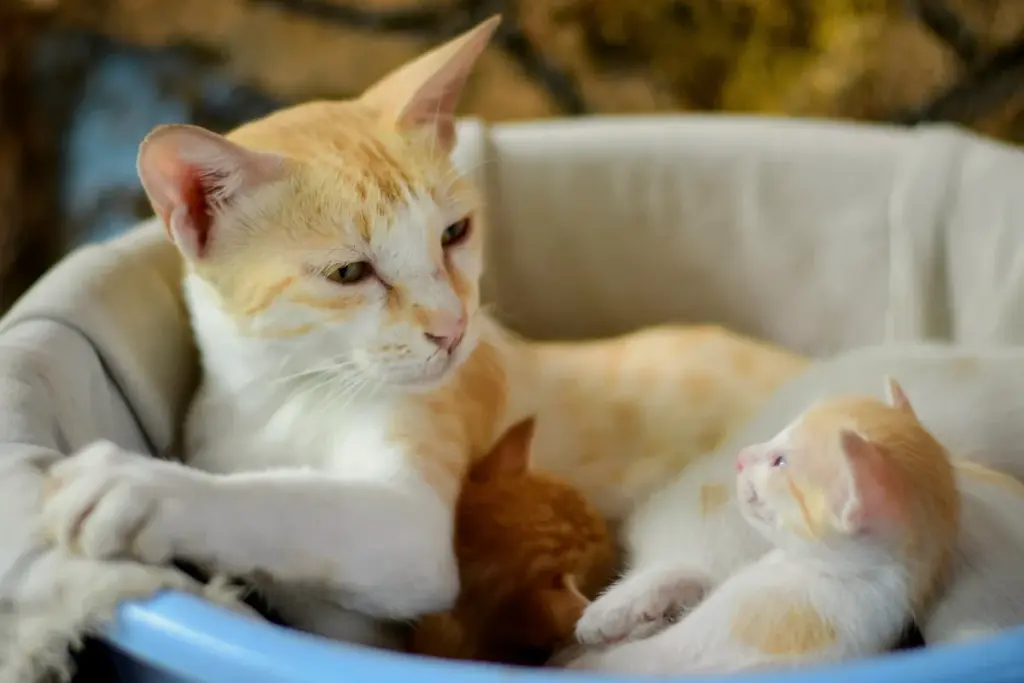
If you want a kitten and you are out all day, consider two from the same litter. They keep each other busy.
Adopting a cat: shelters, rescues and breeders
Start with Petfinder and your local shelter. Ask how the cat behaves with people, kids and other animals. That tells you more than a guess about its ancestry.
If you want a particular breed, look for a breed rescue. Breed clubs often list them on their sites.
If you buy from a breeder, ask for proof of the health tests that matter in the breed, such as heart scans for Maine Coons and Ragdolls and kidney tests for Persians. Meet the mother, see where the kittens live and make sure the breeder will take the cat back. Avoid sellers who ship kittens you have not met.
Ready to start? Take the cat breed selector at the top of the page, then browse our other animal quizzes.
Cat breed questions
What cat breed should I get?
Get the breed whose energy, coat, noise level and need for company fit the life you have today. Start with your home, your hours away, who lives with you and your monthly budget. The cat breed selector asks about all of these in 13 questions and returns three matches with a match percent. Then meet individual cats, because the cat matters more than the breed.
Is there a quiz for what cat breed I should get?
Yes. The free cat breed selector on this page is a 13-question quiz that takes about 2 minutes and needs no sign-up. It scores 44 breeds against your answers, then shows your top 3, seven more matches and a shelter adoption option.
What kind of cat should I get if I have never owned one?
Ragdolls, American Shorthairs, Birmans and Maine Coons came up most often in our selector for first-time owners. They are forgiving, friendly and tolerant of handling. Avoid hybrids such as the Savannah and very demanding breeds for your first cat. A calm adult from a shelter is also a strong choice.
What is the best cat breed for an apartment?
Birmans, American Shorthairs, American Curls and Bombays suit apartments best in our selector. They are calm indoors and fairly quiet. Space matters less than climbing room, so give any cat a tall scratching post and a window to watch.
Which cat breeds can be left alone during the day?
British Shorthairs, American Shorthairs, Norwegian Forest Cats and Chartreux cope best with a full work day alone. Breeds such as the Siamese, Burmese and Sphynx want company and do poorly alone for long hours. Every cat still needs daily play and attention.
What is the most affectionate cat breed?
Ragdolls, Burmese, Bombays, Tonkinese and Sphynx cats score highest for affection in our selector. Affectionate breeds also tend to need more company, so they suit homes where someone is around for most of the day.
Are there any hypoallergenic cats?
No. A 2024 scientific review found no evidence for a hypoallergenic cat breed. All cats make the main allergen, Fel d 1, and hairless cats make it too. Levels vary between individual cats, and unneutered males make more on average. Spend time with the specific cat before you commit.
How much does a cat cost per month?
A cat costs about $70 to $305 a month in the US, according to Rover's 2026 report for a medium-sized cat. Food is the largest line. Accident and illness insurance adds about $32 a month on average. Purchase fees and emergencies are extra.
Should I get a pedigree cat or a domestic cat?
Get a domestic cat if you want a healthy companion and do not need a specific look or temperament. Get a pedigree cat if a predictable coat or personality matters to you and you can vet the breeder. Most pet cats in the US are not pedigree, and shelters always have them.
Why does the quiz never recommend a Scottish Fold?
The gene that folds a Scottish Fold's ears also damages its cartilage, and every cat with folded ears develops joint disease to some degree. Munchkins are left out of the top 3 for a related reason: they are bred for dwarfism and the long-term effects are poorly studied. Both can still appear under more matches, with a health note.
Does breed decide a cat's personality?
Breed shapes personality but does not decide it. A 2019 study of 5,726 cats found behavior differences between breeds, with genes explaining about 40% to 53% of the variation in the traits it tested in three breeds. Early handling, home and the individual cat explain the rest.
Should I get a kitten or an adult cat?
Get an adult cat if you want to know its size and personality from the start. Get a kitten if you have time for training, play and a lot of supervision. If you are out all day, an adult is usually easier, or adopt two kittens together.