
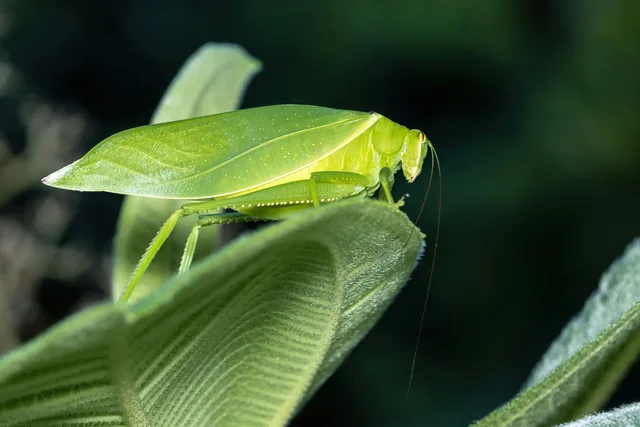
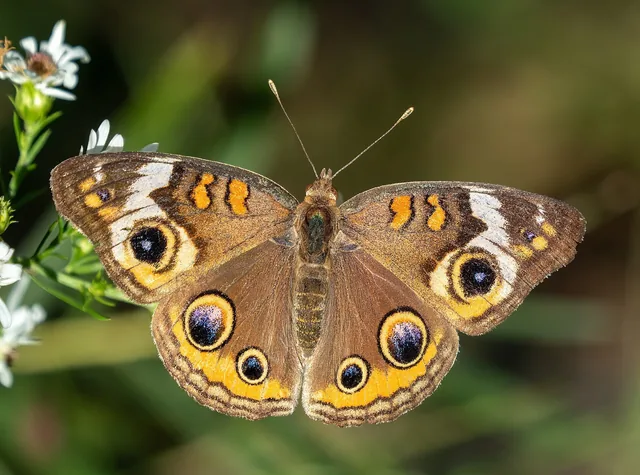
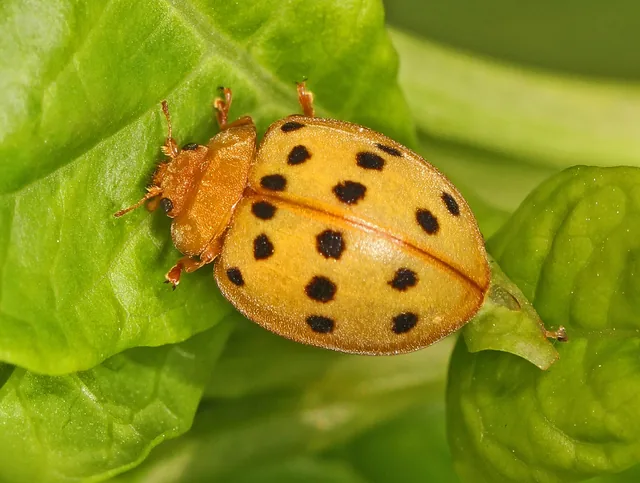
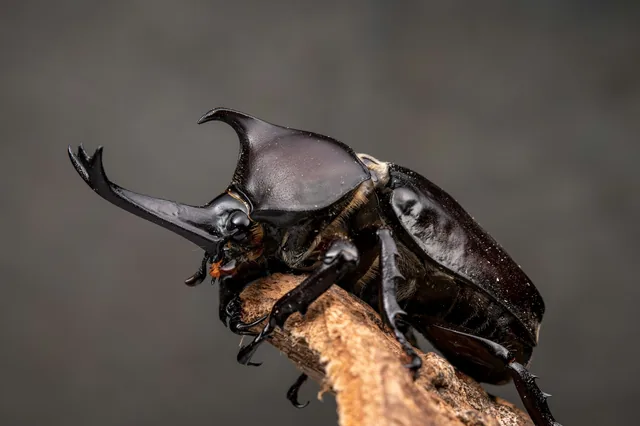
Can you name the insect?
Ten insect photos, four choices each, no timer. Pick a level.
Your photos
Keep reading about insects
More quizzes
This insect identification quiz shows you 10 insect photos and asks you to name each one from four choices. It works as an insect ID quiz for students, gardeners and anyone who finds something crawling on the porch. After every answer you see the mark that identifies the insect, so each round of this bug identification game prepares you for the next.
How the insect ID quiz works
The quiz holds 120 insects, 40 per level. Every round draws 10 at random, so a second round is different from the first.
- Easy covers the insects known around the world: Monarch Butterfly, Honey Bee, Praying Mantis, Stag Beetle and Luna Moth.
- Medium is a backyard bug quiz: Japanese Beetle, Spotted Lanternfly, Boxelder Bug, Mud Dauber and Green Darner. The wrong answers share a shape or a color with the insect in the photo.
- Hard is built on mimics and look-alikes: Viceroy, Drone Fly, Bee Fly, Question Mark and Kissing Bug.
Score 10 out of 10 to earn the top rank, Master entomologist, then share your score.
How to identify an insect from a photo
Entomologists identify the group first and the species last. Color comes late in the process, because many harmless insects copy the colors of dangerous ones.
- Confirm it is an insect. An adult insect has six legs and three body sections: head, thorax and abdomen. Spiders have eight legs and two body sections.
- Count the wings. Flies have two wings. Bees, wasps, butterflies and dragonflies have four. A beetle’s front wings are hard covers that meet in a straight line down its back.
- See how the wings rest. Dragonflies hold them out flat and damselflies fold them back. True bugs cross them in an X over the abdomen.
- Read the antennae. Butterflies have thin antennae with a club at the tip, and many moths have feathery ones. Grasshoppers have short antennae, and katydids have threadlike antennae longer than the body.
- Note the plant and the place. Monarch caterpillars feed on milkweed, soldier beetles gather on goldenrod in late summer and stoneflies rest on rocks beside clean streams.
How to tell look-alike insects apart
These are the marks that decide the hardest pairs in the quiz.
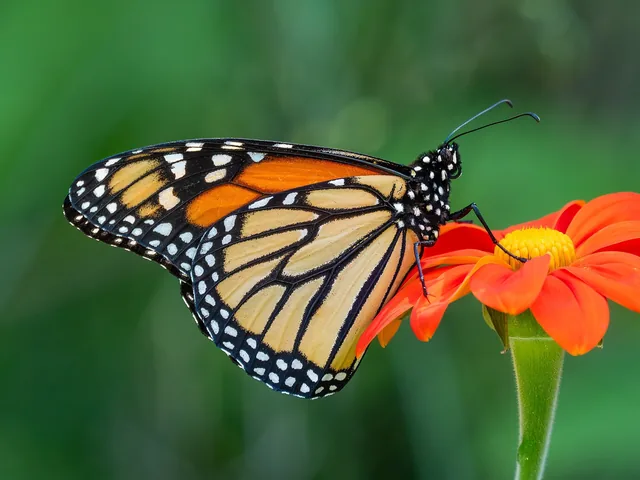
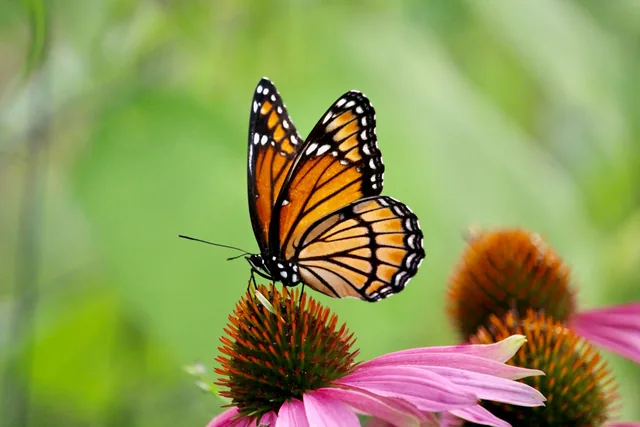
- Monarch or Viceroy: the Viceroy is smaller and has a black line curving across each hindwing. The Monarch has no such line.
- Honey Bee or Drone Fly: the Drone Fly has two wings, huge eyes and stubby antennae. A bee has four wings and long elbowed antennae.
- Bumblebee or Carpenter Bee: a Bumblebee’s abdomen is covered in hair. A Carpenter Bee’s abdomen is bare, black and shiny.
- Dragonfly or Damselfly: a Dragonfly’s eyes nearly touch and its wings stay open at rest. A Damselfly’s eyes sit apart and most species fold their wings. Our guide lists six differences between dragonflies and damselflies.
- Ladybug or Asian Lady Beetle: the Asian Lady Beetle usually has a black M on the pale area behind its head. The Seven-spotted Ladybug has two small white patches there.
- Grasshopper or Katydid: a Grasshopper has short antennae. A Katydid’s antennae run past the end of its body.
- Kissing Bug or Western Conifer Seed Bug: a Kissing Bug has a narrow cone-shaped head and orange bars along its abdomen. A Seed Bug has flattened, leaf-like hind legs. Kissing bugs can carry the parasite that causes Chagas disease, so do not crush one with bare hands.
Identify the insects you find
For an insect outside the quiz, upload a photo to iNaturalist, where other observers confirm the species. BugGuide covers North American insects and spiders, Butterflies and Moths of North America has species pages and range maps and Bumble Bee Watch helps you sort bumblebees.
On an iPhone, WunderWild names the animal from a photo you take and adds it to your Collection.
Frequently asked questions
How do I identify a bug from a picture?
Count the legs and wings, then look at the antennae and how the wings rest. Those details place most insects in a group such as beetles, flies or true bugs. Compare the photo with a field guide for that group, or upload it to iNaturalist for a name.
How many types of insects are there?
Scientists have named about 1 million insect species, and estimates of the total run to about 5.5 million. Beetles are the largest group, with about 400,000 named species. The quiz covers 120 of the insects people meet most often.
What is the difference between an insect and a bug?
Bug is the everyday word for any small crawling animal. To an entomologist, a true bug belongs to the order Hemiptera and has mouthparts built for piercing and sucking. Stink bugs and cicadas are true bugs, while beetles and butterflies are not.
Are spiders insects?
No. Spiders are arachnids, with eight legs, two body sections and no antennae. Ticks, mites and scorpions are arachnids as well, so none of them appear in this quiz.
Why do so many insects look like bees and wasps?
Predators learn to avoid yellow and black insects that sting. Hoverflies, drone flies and locust borers copy that warning pattern and have no sting at all. This defense is called Batesian mimicry.
Are these real insect photos?
Yes. Every photo shows a real living insect and comes from Wikimedia Commons, iNaturalist or Unsplash. The photographer and license appear after you answer.
Can I use this insect quiz in class?
Yes. It runs on a projector, computer or tablet with nothing to install. To add it to your own site, click “Embed this quiz” under the game and copy the code.
More insects to learn
Practice between rounds with our list of insects A to Z, insect examples, colorful insects, pollinating insects, bees vs wasps vs hornets and butterflies vs moths. Then try the other photo quizzes.