Contents
- Cape Verde’s native plants by the numbers
- Native, endemic or introduced?
- 8 native plants worth knowing
- Where to see native plants in Cape Verde
- What threatens Cape Verde’s native flora
- Summary
Cape Verde’s native plants by the numbers
Cape Verde’s native plants are a small, tough minority on islands that now grow mostly imported vegetation. Of roughly 750 vascular plants recorded across the archipelago, only about 240 native flowering plants and 33 ferns belong there naturally. More than 80 of the native taxa are endemic, meaning they grow nowhere else on Earth.
The rest arrived with people. Portuguese settlers, from the 15th century on, brought crops, livestock feed and garden plants. Later arrivals came as erosion control, fuelwood and ornamentals. If you walk a valley on Santo Antão, most of what you see is sugarcane, banana, papaya and mango, not original forest.
That makes the natives easy to miss and worth tracking down. The ten islands sit off West Africa, and the original vegetation was shaped by dry trade winds, volcanic soil and very little rain. Plants that survived here are built for drought: silvery leaves, waxy skins, milky sap, or the habit of dropping leaves entirely until the rain returns.
Native, endemic or introduced?
Three words get mixed up in nearly every article about island plants, so here is how they work.
- Native: the plant reached the islands without human help (by wind, birds or ocean currents) and also grows elsewhere.
- Endemic: native to Cape Verde and found nowhere else. Every endemic is native, but not every native is endemic.
- Introduced: brought by people, on purpose or by accident. Some are harmless. A few, called invasive, spread and push out natives.
The table below shows how the plants in this guide, plus two common introduced ones, line up.
| Plant | Scientific name | Status |
|---|---|---|
| Cape Verde date palm | Phoenix atlantidis | Endemic (taxonomy debated) |
| Marmulano | Sideroxylon marginatum | Endemic |
| Cape Verde dragon tree | Dracaena caboverdeana | Endemic |
| Tortolho | Euphorbia tuckeyana | Endemic |
| Cape Verde sea lavender | Limonium braunii | Endemic |
| Fogo echium | Echium vulcanorum | Endemic (Fogo only) |
| Tornabenea | Tornabenea spp. | Endemic genus |
| Losna | Artemisia gorgonum | Endemic |
| Lantana | Lantana camara | Introduced, invasive |
| Mesquite (algaroba) | Prosopis juliflora | Introduced, widely planted |
A rough field test: native species tend to look like they are conserving water. Grey-green or hairy leaves, thick stems and aromatic oils usually signal an old resident. Lush, broad-leaved plants in the valleys, or anything planted in tidy rows, almost always came later.
8 native plants worth knowing
Each profile gives the common name, what it looks like, where it grows and how it is doing. Local names are Portuguese or Kriolu forms in use on the islands.
1. Cape Verde date palm (Phoenix atlantidis)
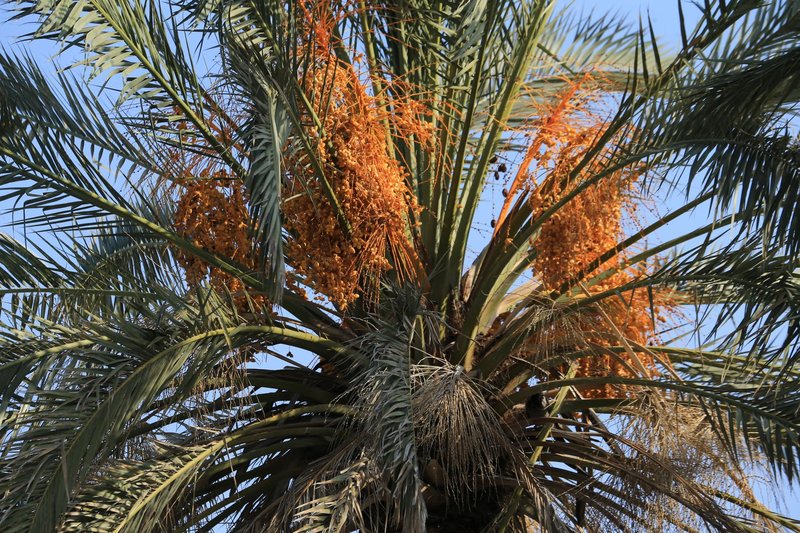
Local name: tamareira. Look: a tall, often multi-stemmed palm with grey-green fronds and clusters of small orange fruit. Range: ravines and valley floors on several islands, especially where groundwater sits near the surface. Status: endemic, though botanists still argue whether it is a true species or a lineage related to the common date palm.
This is the palm you see in postcards of the archipelago, and its fronds have long been woven into baskets and roof thatch. It is easy to confuse with the planted date palms and Canary Island palms now common in towns. The native palm is slimmer and more clustered, and it grows wild in gullies rather than in rows.
2. Marmulano (Sideroxylon marginatum)
Look: an evergreen tree with leathery, dark green leaves and small pale flowers, producing round fruit. Range: moister mid-to-upper slopes on the windward sides of the higher islands, including Santo Antão, São Nicolau and Fogo. Status: endemic and scarce.
The marmulano has the best backstory of any Cape Verde tree. Its dense, durable wood was cut for timber and tools for centuries, and large stands disappeared. What remains clings to ravines and cliffs where cutting was hard. It belongs to the sapote family, the same group that includes the Moroccan argan tree, which gives you an idea of how well it copes with dry ground.
3. Cape Verde dragon tree (Dracaena caboverdeana)
Local name: dragoeiro. Look: a thick grey trunk topped by a rounded crown of stiff, sword-like leaves, with bark that bleeds red resin when cut. Range: cliffs and steep slopes on Santo Antão, São Nicolau, Fogo and a few other islands. Status: endemic and rare. Some authorities treat it as a subspecies of the Canary dragon tree, Dracaena draco.
Most surviving dragon trees stand on cliff faces where goats cannot reach them, which tells you what happened to the ones on easy ground. The red resin, known as dragon’s blood, was historically collected for dyes and traditional medicine. Young trees are almost never seen in the wild.
4. Tortolho (Euphorbia tuckeyana)
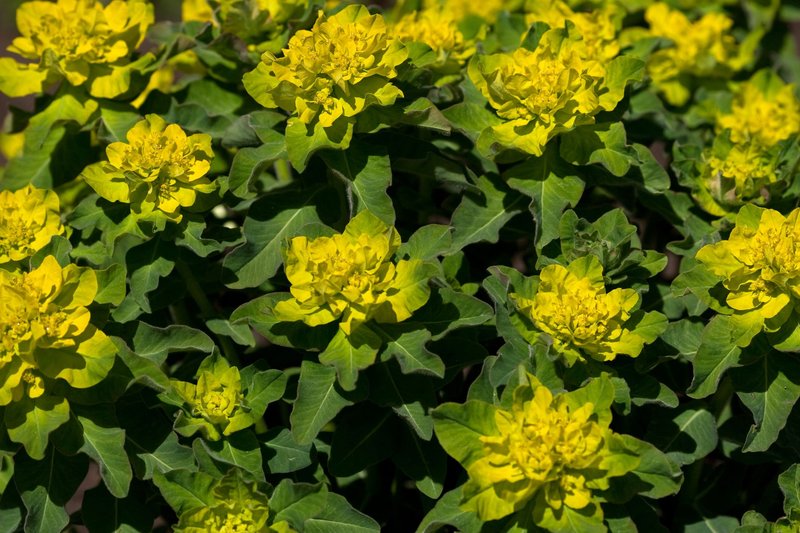
Look: a branching shrub or small tree, one to three meters tall, with pale green stems and leaves that drop in the dry season. Range: dry lowlands and rocky slopes on most islands. Status: endemic and still fairly widespread.
Of the eight species here, tortolho is the one you will actually see on a casual trip. It grows beside roads and on dry hillsides, often in the open where little else survives. Break a stem and white latex comes out. Treat it as irritating to skin and eyes, since the sap in this genus is toxic.
5. Cape Verde sea lavender (Limonium braunii)
Look: a low rosette of leathery leaves with branched sprays of small purple-pink flowers. Range: rocky and sandy coastal ground, mainly on the flatter eastern islands. Status: endemic and vulnerable to coastal development.
Sea lavenders are salt specialists. They take up salt and excrete it through glands on the leaf surface, which is why the leaves can look crusted. The wider genus is known for its papery flowers that hold their color when dried. This one lives on the strip of coast that is also the most attractive to hotel builders.
6. Fogo echium (Echium vulcanorum)
Look: a shrubby plant with hairy grey-green leaves and tall spikes of blue-violet flowers. Range: Fogo only, on the high slopes of the volcano around Chã das Caldeiras. Status: endemic to a single island.
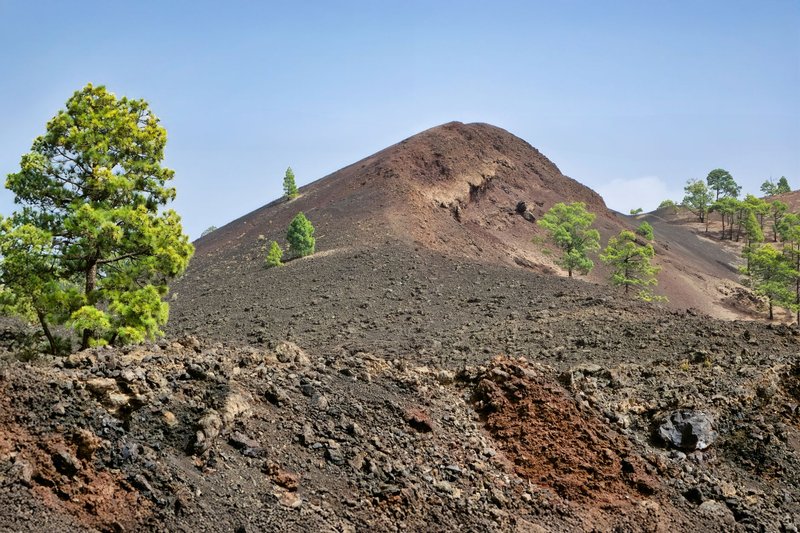
The species name means “of the volcanoes”, and it fits. This plant grows in the crater floor and on lava-fed slopes of Pico do Fogo, which reaches 2,829 meters. Echiums are the island-radiation specialists of the Atlantic: Cape Verde has several endemic species, and each tends to claim its own island or mountain. This is the one to look for if you hike Fogo.
7. Tornabenea (Tornabenea spp.)
Look: small herbs and subshrubs in the carrot family, with finely cut leaves and flat umbrellas of tiny yellow-green flowers. Range: a handful of species, each restricted to one or a few islands, from lowland rock to highland ledges. Status: an entirely endemic genus, with several species rare.
Tornabenea is a good example of why Cape Verde matters to botanists. The genus exists nowhere else. A group that arrived once and then split into separate species across the islands is a textbook case of island evolution, and several of its members are known from only a few small populations.
8. Losna (Artemisia gorgonum)
Look: a silvery, aromatic shrub with finely divided leaves, related to wormwood and sagebrush. Range: higher, cooler ground on islands such as Santo Antão, São Nicolau and Fogo. Status: endemic and used locally.
Rub the foliage and you get the sharp, medicinal smell typical of the genus. Locals brew it as a tea for stomach complaints. A peer-reviewed MDPI study of useful plants in Cape Verde documents how many native species still serve as food, medicine and fodder, which is part of why the older plants are still harvested.
Where to see native plants in Cape Verde
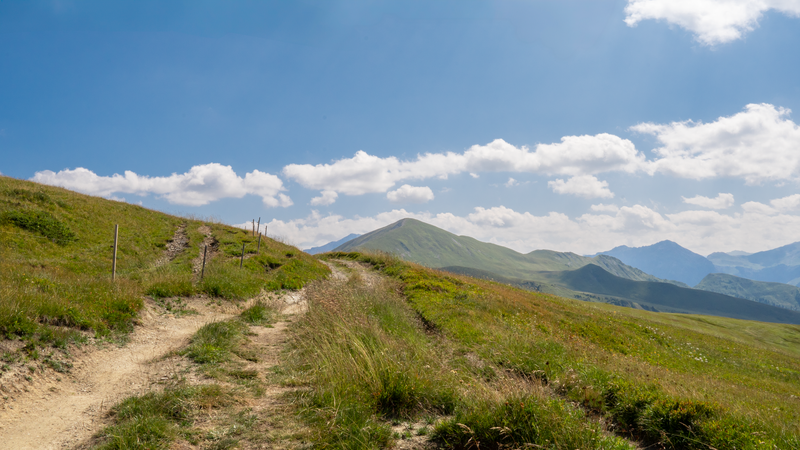
Pick islands by altitude. Low, flat islands such as Sal, Boa Vista and Maio have the coastal and desert specialists, like the sea lavender. The mountainous islands catch moisture from the trade-wind clouds and hold the richer, higher-elevation flora.
- Fogo: Chã das Caldeiras inside the Cova Tina volcano crater, and the upper slopes of Pico do Fogo, are the place for Echium vulcanorum and other volcanic-soil natives.
- Santo Antão: the northeast valleys and ridges above Cova and Paul have remnant native forest and a large share of the island’s endemics. It is the best island for walking between zones in a single day.
- São Nicolau: Monte Gordo Natural Park, around 1,300 meters, protects cloud-forest remnants and several endemics.
- Santiago: the Serra Malagueta ridge holds native highland plants within a few hours of Praia.
Timing matters. The rains fall roughly from August to October, and that is when the islands green up and many plants flower. In the dry months the hills look brown and many natives are leafless, so go in autumn if you want color.
What threatens Cape Verde’s native flora
Cape Verde’s native plant communities have been shrinking for 500 years, and three pressures keep showing up.
Goats and grazing. Free-ranging goats eat seedlings before they can grow. That is why the surviving dragon trees and marmulanos cling to cliffs. Without young plants, a population of old trees ages out.
Clearing. Land has been cut for farms, fuelwood and construction. The coast faces newer pressure from tourism development.
Invasive species. Lantana camara, with its multicolored flower clusters, spreads through disturbed ground and shades out seedlings of natives. It is listed among the world’s worst invasive plants by the IUCN’s Invasive Species Specialist Group. Lantana is one of several introduced species doing this damage, and the full list of invasive species in Cape Verde covers the plants and animals that also threaten the islands.
Then there is the mesquite question, and it has no clean answer. After the severe droughts and famines of the 20th century, the government mass-planted trees, including Prosopis juliflora, to stabilize soil, create shade and supply firewood. It worked for those purposes, and many communities now rely on it. But mesquite is thirsty, forms dense thickets and takes over dry-zone habitat that endemics once held. Conservationists argue the planting trade-off: food and fuel security today against endemic habitat tomorrow. The reforestation record also shows that native species can be grown in nurseries and replanted, and the IUCN Red List tracks which Cape Verde species are in the worst trouble.
Summary
Cape Verde’s native plants are a thin layer of old, specialized species under a much larger layer of introduced ones. Of about 750 vascular plants, around 240 flowering natives, 33 ferns and more than 80 endemic taxa belong to the islands themselves. The eight in this guide, from the Cape Verde date palm and the marmulano to the Fogo echium and the endemic genus Tornabenea, cover the main ones a visitor or reader can learn to recognize.
Look for them where goats cannot reach, on cliffs, craters and high ridges, and visit in the rainy season. The ones that still stand are the survivors of five centuries of grazing, clearing and replanting, and how the mesquite debate resolves will decide whether the next generation of native plants gets a place to grow. For more on the wider picture, the Kew Plants of the World Online database lists accepted names and distributions for each species in this guide.