Jamaica’s national flower is lignum vitae (Guaiacum officinale), a slow-growing tree that covers itself in small blue flowers each spring. It was adopted as the national flower in 1961, a year before independence. The IUCN Red List now classes the species as endangered, a status it received in 2019 after centuries of logging for its wood.
The rest of the flowers of Jamaica are a mix. Some grew here long before people did. Others, like the flamboyant tree that lines so many roads, arrived from the other side of the world. This guide labels each one honestly, with its Latin name, color, bloom season and one fact worth remembering.
Contents
- The Iconic Flowers of Jamaica
- Native Wildflowers and Flowering Trees
- Jamaican Orchids
- Heliconia and Other Tropicals
- Hibiscus vs. the Sorrel Drink
- Where to See the Flowers of Jamaica
- Growing Them at Home
- Quick Reference Table
The Iconic Flowers of Jamaica
1. Lignum Vitae
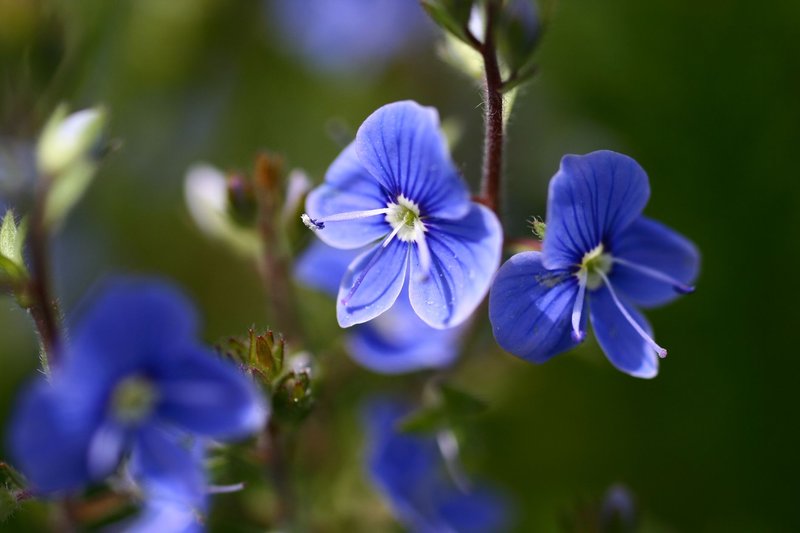
Latin name: Guaiacum officinale | Color: blue to pale lavender | Blooms: spring, mainly March to May | Status: native
The flowers fade to near white as they age, then give way to yellow-orange fruit with red seeds. The name means “wood of life.” It is among the densest woods in the world and sinks in water, which is why shipbuilders prized it for bearings.
2. Hibiscus
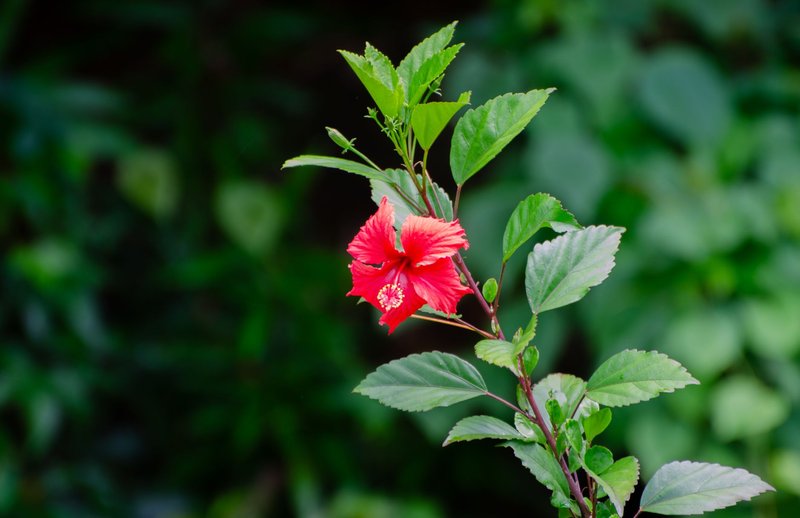
Latin name: Hibiscus rosa-sinensis | Color: red, pink, yellow, orange, white | Blooms: year-round | Status: introduced (Asia)
Jamaican gardens run on hibiscus hedges. Each bloom lasts about a day, but a healthy shrub replaces them daily, so the color never stops. Red is the classic.
3. Poinciana (Flamboyant)
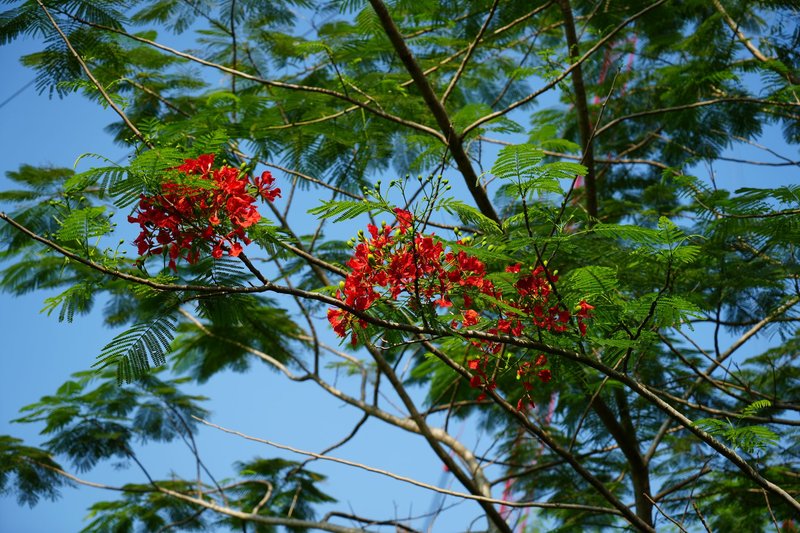
Latin name: Delonix regia | Color: scarlet to orange | Blooms: late spring through summer | Status: introduced (Madagascar)
Often assumed to be local, it isn’t. Kew’s Plants of the World Online lists it as native to Madagascar, where it has become rare in the wild. In Jamaica the broad, flat crowns turn whole streets red.
4. Ixora
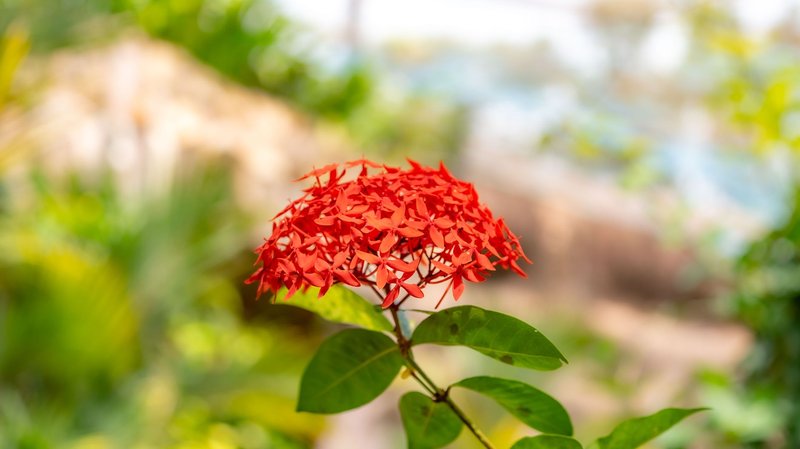
Latin name: Ixora coccinea | Color: red-orange clusters | Blooms: year-round | Status: introduced (South Asia)
Also called “flame of the woods.” Each cluster is made of dozens of tiny tubular flowers, which is why butterflies work it constantly. It’s a common hotel-driveway shrub.
Native Wildflowers and Flowering Trees
Jamaica has roughly 3,000 flowering plant species, and around 900 of them grow nowhere else. Most of the endemics live in forest and limestone country, not in gardens. Hispaniola, the island shared by the Dominican Republic and Haiti, has its own endemic flora, and the list of the Dominican Republic’s native plants catalogs 64 of its species with notes on endemism and habitat.
5. Blue Mahoe
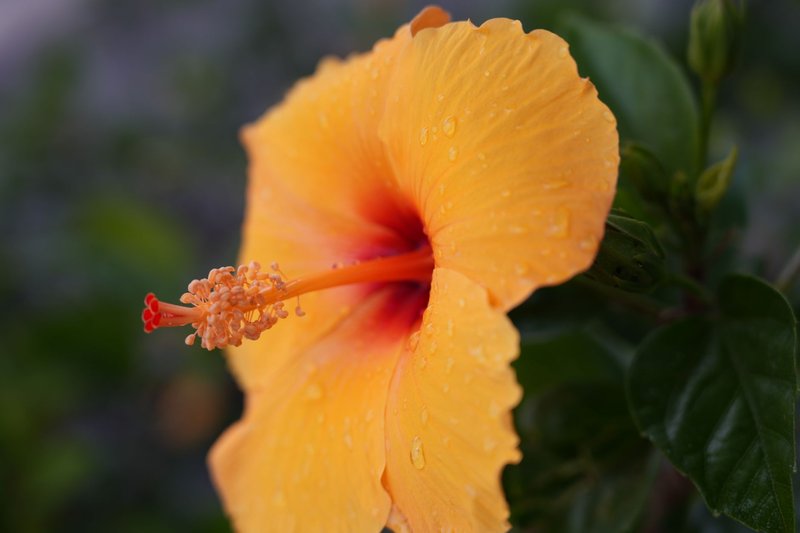
Latin name: Hibiscus elatus | Color: yellow, turning orange, then crimson | Blooms: summer | Status: native (Jamaica and Cuba)
Jamaica’s national tree is a hibiscus relative. Its flowers change color over a single day, so one branch can show three shades at once.
6. Love Bush
Latin name: Cassytha filiformis | Color: tiny white-green | Blooms: much of the year | Status: native
A leafless, orange-yellow parasitic vine that drapes over roadside shrubs like spaghetti. The flowers are small. Its reputation comes from folk medicine, where the “love vine” is brewed as a tonic.
7. Wild Pine (Bromeliads)
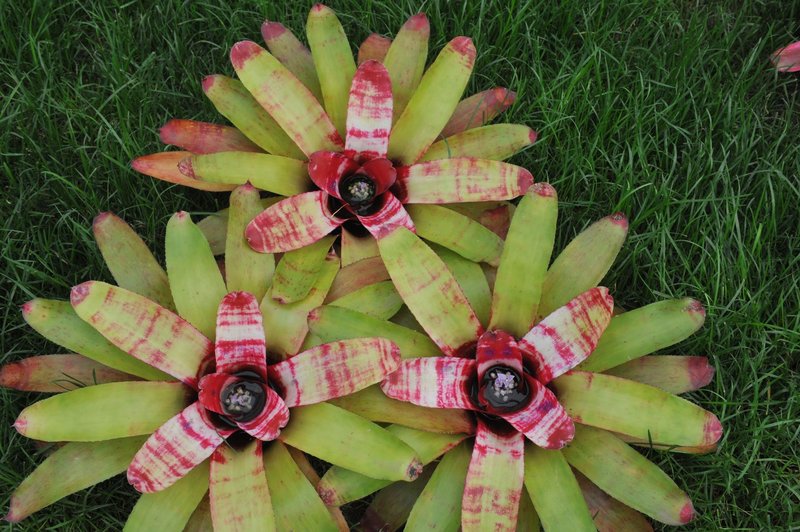
Latin name: Tillandsia spp. | Color: red, purple, pink bracts | Blooms: varies by species | Status: native
These grow on tree branches with no soil. Their cups of rainwater hold tree frogs and insect larvae, so a single bromeliad works as a small pond in the canopy.
Jamaican Orchids
Jamaica has more than 200 orchid species, and dozens of them are found only on the island. Most are small epiphytes on tree trunks, easy to walk past.
8. Broughtonia
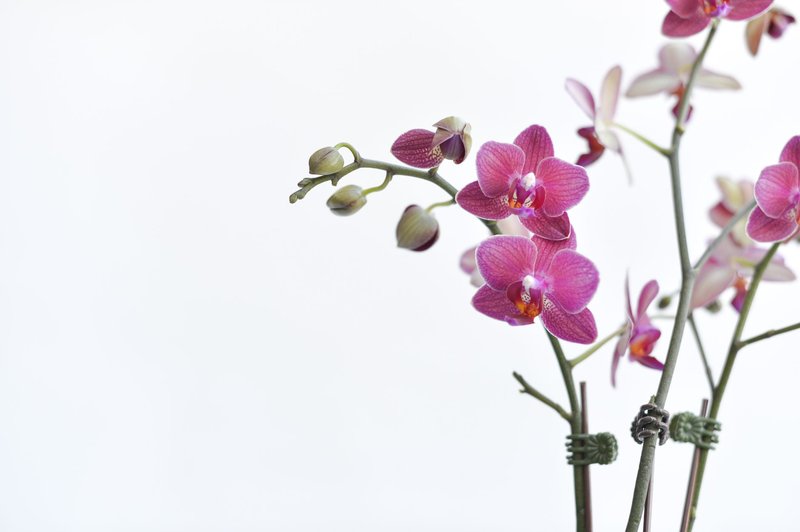
Latin name: Broughtonia sanguinea | Color: crimson to magenta | Blooms: mostly winter to spring | Status: native
It grows on trees in dry coastal woodland, where the sun is harsh and few orchids survive. Small plants, bright flowers.
9. Dancing Lady Orchids
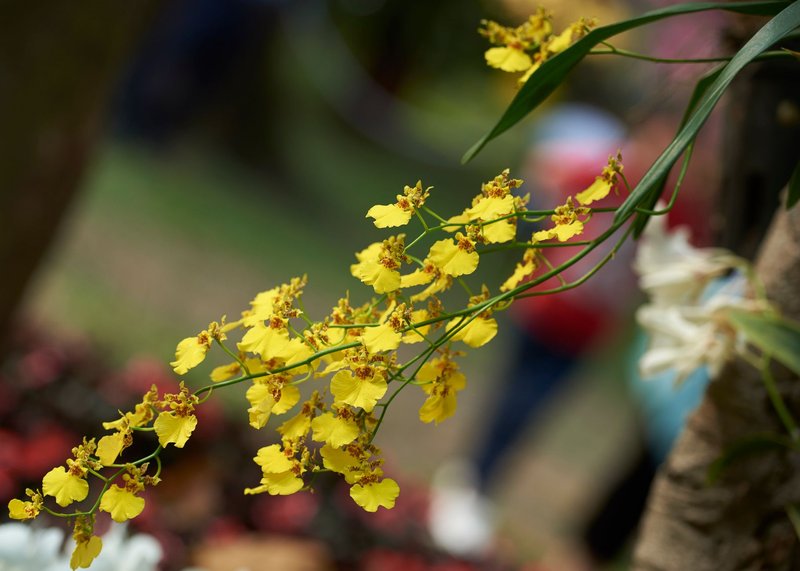
Latin name: Oncidium and relatives | Color: yellow with brown markings | Blooms: spring to summer | Status: native species and cultivated hybrids
Dozens of small flowers sway on long sprays, a movement that gave them the name. Wild species grow alongside commercial hybrids sold across the island.
10. Ground Orchid
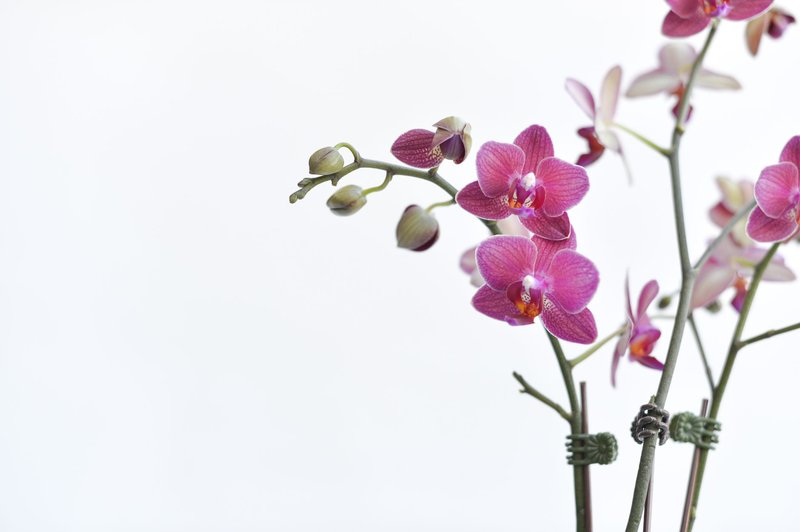
Latin name: Phaius tankervilleae | Color: white outside, brown-red inside | Blooms: spring | Status: introduced, naturalized
Tall spikes rise from damp, shady slopes, especially in the cooler hills. It came from Asia and now behaves like a local.
Heliconia and Other Tropicals
11. Heliconia (Lobster Claw)
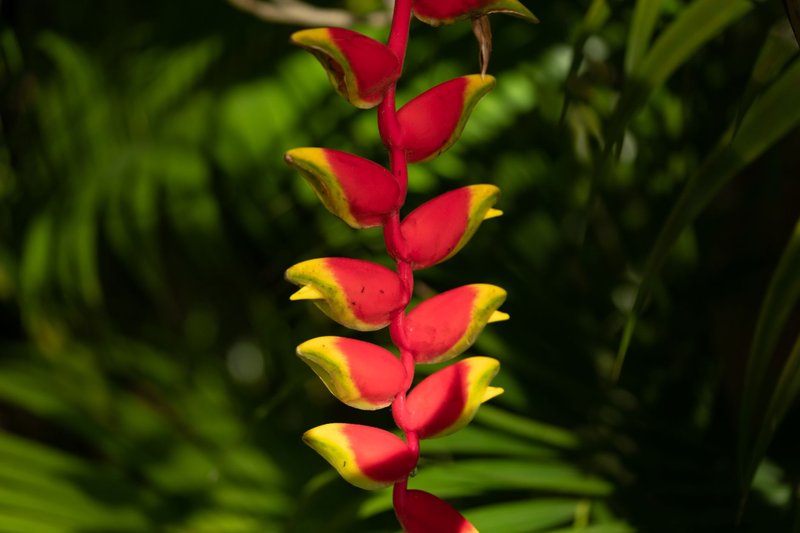
Latin name: Heliconia spp. | Color: red and yellow bracts | Blooms: year-round, peaking in the wet months | Status: native and introduced species
Heliconia caribaea, the wild plantain, is a Caribbean native. The hanging lobster claws in gardens usually came from Central and South America. The colorful parts are bracts, and the true flowers are small and tucked inside.
12. Red Ginger
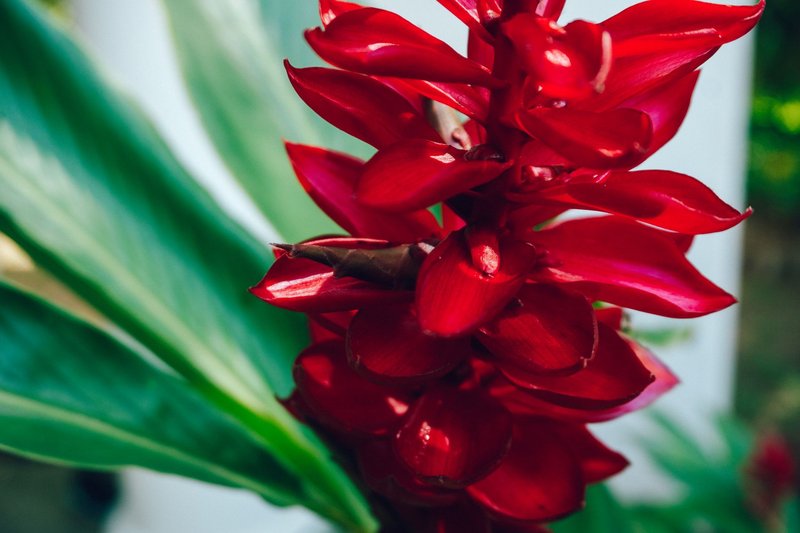
Latin name: Alpinia purpurata | Color: red bracts, small white flowers | Blooms: year-round | Status: introduced (South Pacific)
Tall stalks with candle-like heads that last a week or more in a vase. A staple of Jamaican hotel arrangements for that reason.
13. Bird of Paradise
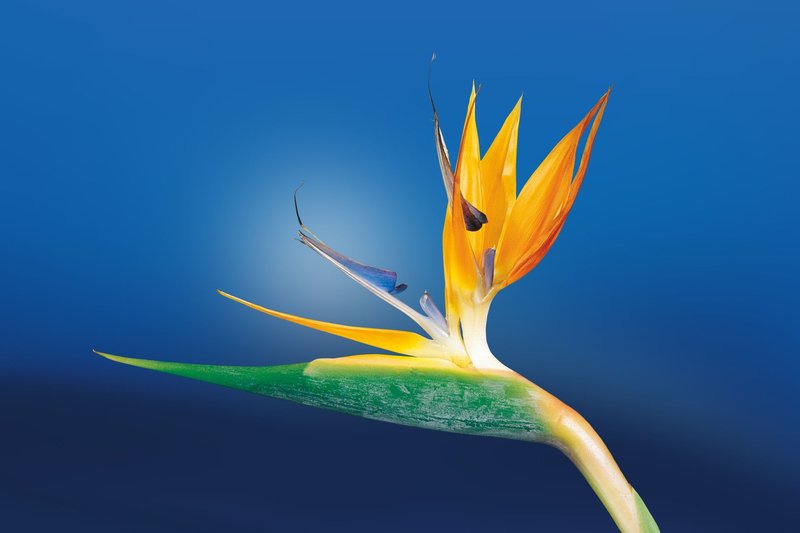
Latin name: Strelitzia reginae | Color: orange and blue | Blooms: most of the year, peaking in cooler months | Status: introduced (South Africa)
The flower resembles a bird’s head. Sunbirds perch on the blue “beak” to reach nectar in its native range. In Jamaica there are no sunbirds, so it’s mostly an ornamental.
14. Bougainvillea
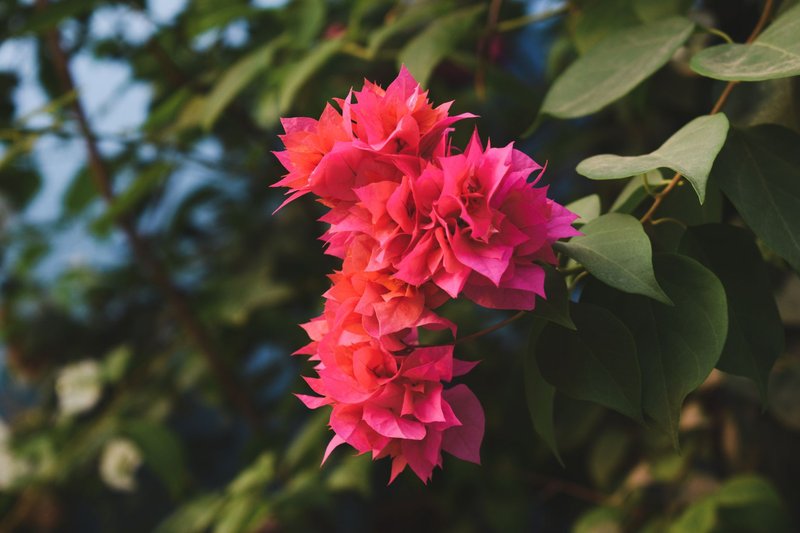
Latin name: Bougainvillea glabra | Color: magenta, purple, orange, white | Blooms: peaks December to April | Status: introduced (South America)
The papery color is made of bracts, not petals. The true flowers are small white tubes in the center. It blooms hardest in the dry season, and watering less often helps.
Hibiscus vs. the Sorrel Drink
Search “Jamaica flower” and you’ll get two different plants. The garden shrub is Hibiscus rosa-sinensis. The red drink is made from Hibiscus sabdariffa, called roselle, whose fleshy red calyces are steeped with ginger and pimento. Jamaicans call it sorrel and serve it at Christmas, when the plants are harvested, roughly November through January. In Mexico the same drink is agua de jamaica.
The garden hibiscus is ornamental. Don’t brew it.
Where to See the Flowers of Jamaica
- Shaw Park Gardens (Ocho Rios): terraced gardens on a hillside above a waterfall, strong on gingers, heliconia and orchids.
- Cranbrook Flower Forest (near Ocho Rios): a larger site with labeled trails, which makes it the best place to match a flower to its name.
- Hope Gardens (Kingston): the largest botanical garden in the Caribbean, with an orchid house and mature flowering trees such as poinciana.
For native species in a wilder setting, the Blue Mountains and the limestone Cockpit Country are better than any garden, though identifying what you see takes patience.
Growing Them at Home
Hibiscus, ixora and bougainvillea need full sun. Ixora prefers slightly acidic soil. Heliconia and red ginger want steady moisture and partial shade. Lignum vitae is a poor choice if you’re impatient, since it grows slowly, but it handles dry, rocky ground. Where it’s legal, buy nursery-grown seedlings and not wild-collected trees. Collection has pushed several Jamaican species toward extinction, and the endangered species in Jamaica list covers 34 threatened species.
Quick Reference Table
| Flower | Latin name | Color | Bloom season | Status |
|---|---|---|---|---|
| Lignum vitae | Guaiacum officinale | Blue | Spring | Native |
| Hibiscus | Hibiscus rosa-sinensis | Many | Year-round | Introduced |
| Poinciana | Delonix regia | Scarlet-orange | Late spring to summer | Introduced |
| Ixora | Ixora coccinea | Red-orange | Year-round | Introduced |
| Blue mahoe | Hibiscus elatus | Yellow to crimson | Summer | Native |
| Love bush | Cassytha filiformis | White-green | Much of the year | Native |
| Wild pine | Tillandsia spp. | Red, purple | Varies | Native |
| Broughtonia | Broughtonia sanguinea | Crimson | Winter to spring | Native |
| Dancing lady | Oncidium spp. | Yellow, brown | Spring to summer | Native and hybrid |
| Ground orchid | Phaius tankervilleae | White, brown-red | Spring | Naturalized |
| Heliconia | Heliconia spp. | Red, yellow | Year-round | Native and introduced |
| Red ginger | Alpinia purpurata | Red | Year-round | Introduced |
| Bird of paradise | Strelitzia reginae | Orange, blue | Most of the year | Introduced |
| Bougainvillea | Bougainvillea glabra | Magenta and others | December to April | Introduced |