Contents
- The numbers that frame the problem
- Invasive plants in Acadia
- Insects and forest pests
- Invasive animals on the shore
- Species at a glance
- How the park fights back
- Climate change makes it harder
- A visitor checklist
- Reporting a sighting
- Summary
Nearly a third of the plant species growing in Acadia aren’t from here. That is the headline fact about invasive species in Acadia National Park, and it surprises people who see the granite summits and spruce forests and assume the place is untouched.
It mostly is. The part that gets lost is the scale: invasive plants cover less than 1% of the park, compared with about 14% in other eastern national parks. Acadia is in better shape than most. It is also a park where a single hemlock grove, a single tidal flat or a single trailhead boot brush can decide whether that number stays small.
This guide covers the plants, the insects and the shoreline animals the park actually manages, with identification tips and what each one does to the landscape.
The numbers that frame the problem
The National Park Service tracks and manages 29 invasive plant species in Acadia. That list sits inside a much bigger group of non-native plants, most of which are harmless or stay put. The 29 are the ones that spread aggressively, crowd out natives, or change how a habitat works.
The small footprint is not luck. Acadia’s management program started in 1988 with a single target, purple loosestrife, and has been running for decades. Catching a patch when it is the size of a doormat is cheap. Catching it when it is the size of a football field is not.
Invasive plants in Acadia
Most invasive plants arrived as garden choices, hedge plants or hitchhikers. Several are still sold at nurseries elsewhere, which is part of why they keep turning up.
Glossy buckthorn
A shrub or small tree with shiny, oval leaves that stay green late into fall, long after native shrubs have dropped theirs. It invades wetlands and forest edges, forms dense thickets and shades out everything underneath. The berries turn from red to black and birds spread them widely.
Japanese barberry
Low, spiny, arching branches with small rounded leaves and red berries. It tolerates shade, which lets it take over forest floors where few other shrubs can compete. Dense barberry stands also change the soil and shelter ticks, a good reason to keep out of them.
Morrow’s honeysuckle
A bushy shrub with paired oval leaves and pairs of white-to-yellow flowers that turn into red berries. It leafs out early in spring, so it grabs light before native shrubs get started. Look for it along roadsides and in old fields.
Asiatic bittersweet
A woody vine that climbs and strangles. It wraps around trunks hard enough to girdle them, and its weight can bring trees down in a storm. The giveaway is the fall fruit: yellow capsules that split open to show orange-red berries.
Japanese knotweed
Hollow, bamboo-like stems with a reddish speckle, heart-shaped leaves and clumps that reach well over head height by midsummer. It forms near-solid stands along streams and roads. Cutting it and leaving the pieces can start new plants, so removal is a job for trained crews. If you find some, report it rather than pulling it.
Purple loosestrife
The one that started the park’s program. Tall spikes of magenta flowers in midsummer make it look like a garden plant, which is how it got here. In wetlands it replaces the cattails and sedges that waterbirds, frogs and insects depend on. Decades of work have kept it under control in the park.
Insects and forest pests
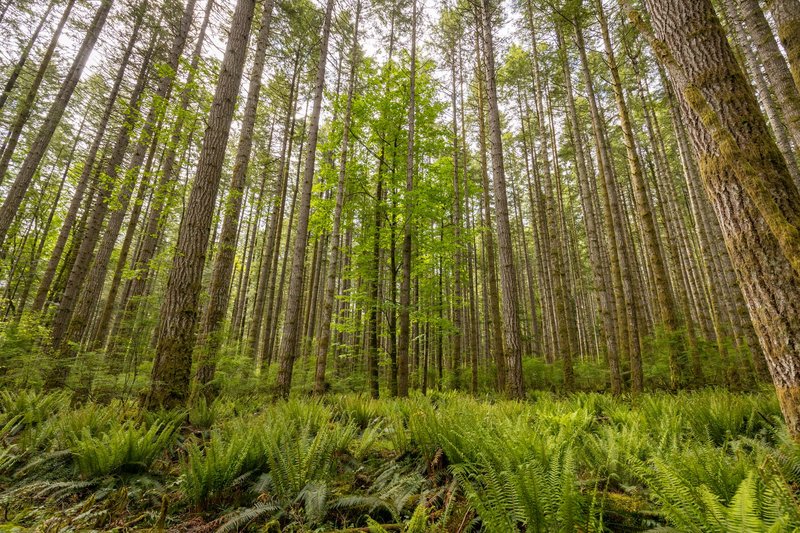
Plants spread slowly. Insects don’t. The park’s pest page covers three that matter to visitors and to the trees.
Hemlock woolly adelgid
This tiny sap-feeding insect was found in Acadia in 2022. You will never see the insect itself; you look for what it leaves behind. White, cottony tufts at the base of hemlock needles on the underside of twigs, about the size of a pencil eraser or smaller, are the sign.
Hemlocks shade streams and keep them cool, and they shelter deer in winter. Lose the hemlocks and the stream and the animals that depend on them change. The adelgid kills trees over several years, which is why the 2022 detection set off a response rather than a shrug.
Browntail moth
This one is a personal-health issue as much as an ecological one. The caterpillars have tiny barbed hairs that cause an itchy, blistering rash similar to poison ivy. The hairs are light enough to drift on wind, and they stick to clothes and gear. The trouble peaks in late spring and early summer.
Look for the hairy, dark caterpillars with two orange-red dots near the tail and a line of white tufts along each side. Winter webs, called nests, appear at the tips of oak, apple and other hardwood branches. If you hike coastal Maine in early summer, long sleeves help. Don’t handle the caterpillars or the webs, and wash clothes worn on bad days. The University of Maine Extension tracks invasive pests across the state if you want current Maine-wide information.
Emerald ash borer
A metallic green beetle whose larvae feed under the bark of ash trees and cut off the tree’s food and water flow. Ash trees die within a few years of infestation. The beetle spreads fastest in firewood, which is why the firewood rule below matters so much.
Invasive animals on the shore
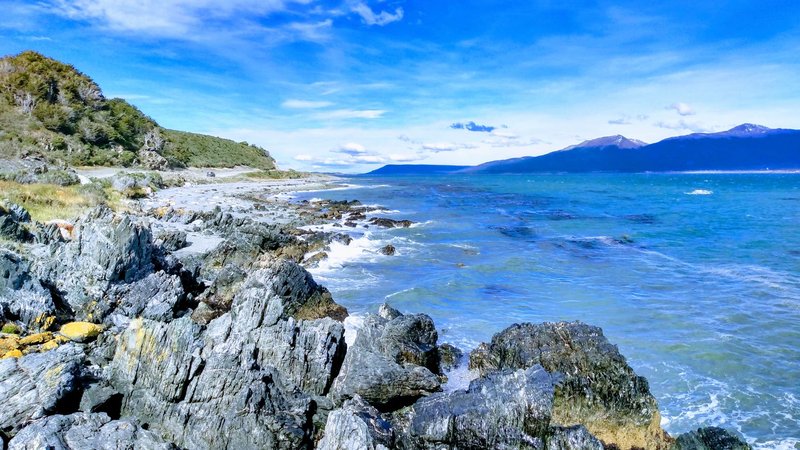
Acadia’s tide pools are one of its big draws, and two crabs are rewriting them.
European green crab
Despite the name, its shell can be green, brown or yellowish. The tell is five spines on each side of the shell behind the eyes and three bumps between the eyes. It’s an aggressive feeder that eats soft-shell clams, mussels and small crabs, and it tears up eelgrass beds that young fish and shellfish use as nurseries. Maine’s clam harvesters have watched green crabs for years, and they are among the best-known marine invaders on the coast.
Asian shore crab
Smaller and squarer than the green crab, with banded legs and a mottled brown, green or purple shell. It crowds the rocky intertidal, where it competes with native crabs and eats the same small animals. If you turn over rocks in a tide pool, put them back exactly as you found them. That protects the animals underneath and keeps you from carrying anything to the next pool.
Species at a glance
| Species | Type | Where you’ll see it | Threat level |
|---|---|---|---|
| Glossy buckthorn | Shrub | Wetlands, forest edges | High |
| Japanese barberry | Shrub | Shaded forest floor | High |
| Morrow’s honeysuckle | Shrub | Roadsides, old fields | Moderate |
| Asiatic bittersweet | Vine | Forest edges, tree trunks | High |
| Japanese knotweed | Perennial | Streams, roadsides | High |
| Purple loosestrife | Wetland plant | Wetlands, pond edges | Managed |
| Hemlock woolly adelgid | Insect | Hemlock groves | High |
| Browntail moth | Insect | Hardwoods, coastal areas | Moderate (health risk) |
| Emerald ash borer | Insect | Ash trees | High |
| European green crab | Crab | Tidal flats, eelgrass | High |
| Asian shore crab | Crab | Rocky intertidal | Moderate |
Threat levels here are a plain-language summary of how fast each species spreads and how much damage it does, not an official NPS ranking.
How the park fights back
Acadia’s invasive plant management team works through a loop: find, remove, check back. Crews and trained volunteers pull, cut or treat plants at priority sites, then return to catch regrowth. Because seeds can stay in the soil for years, a patch isn’t finished the first time it’s cleared.
The program focuses on early detection. A new infestation is cheapest to remove in its first year or two, so the park concentrates on places where invaders are likely to arrive first: roads, trailheads, parking areas and water access points. That’s also why the visitor steps below target exactly those spots.
Volunteers take part in organized removal days. The park’s volunteer page and local friends groups post the schedule; look there for the current dates rather than relying on an old listing.
Climate change makes it harder
Warmer winters help pests that cold used to hold back. Hemlock woolly adelgid and browntail moth both do better when winter doesn’t knock their numbers down. Warmer water also helps green crabs. Longer growing seasons favor fast-growing invasive plants over slower natives. A park that is currently well below the eastern average for invasive cover has a narrowing window to stay that way.
A visitor checklist
None of these take more than a few minutes.
- Clean your boots and gear before you arrive and before you leave. Seeds ride in tread. Use the boot brush if there is one.
- Stay on trails. Invaders start in disturbed ground, and trampled edges are the easiest place for them to establish.
- Buy firewood where you will burn it. Moving firewood is how emerald ash borer and other pests cross the landscape.
- Wash watercraft. Kayaks, canoes and paddleboards carry plant fragments and small animals from one water body to the next.
- Don’t take plants or soil home or bring them in. That includes garden plants from the area and “free” cuttings.
- Check yourself in early summer. Browntail caterpillar hairs get on clothing and skin. Shower and wash clothes after hiking in affected areas.
- Leave tide-pool animals where they are. Don’t relocate crabs, snails or seaweed.
Reporting a sighting
If you spot a species from this guide in a place that looks new, such as a lone knotweed clump on a carriage road or webbing on a hemlock, note the location, take a photo and tell a ranger or the visitor center. Photos with a visible leaf, flower or underside of a branch are the most useful. Don’t pull or cut it yourself, especially knotweed or anything with hairs.
Summary
Invasive species in Acadia National Park are a real pressure but a manageable one. Nearly a third of the park’s plants are non-native, yet invasives cover under 1% of the land, a gap from the eastern average that decades of work have kept open. The next threats are insects and crabs rather than shrubs, with hemlock woolly adelgid in the park since 2022 and green crabs already on the shore.
What stands out is how little it takes to help. Clean boots, local firewood, washed boats and a photo of something odd all reach the places the crews can’t be every day.