TLDR
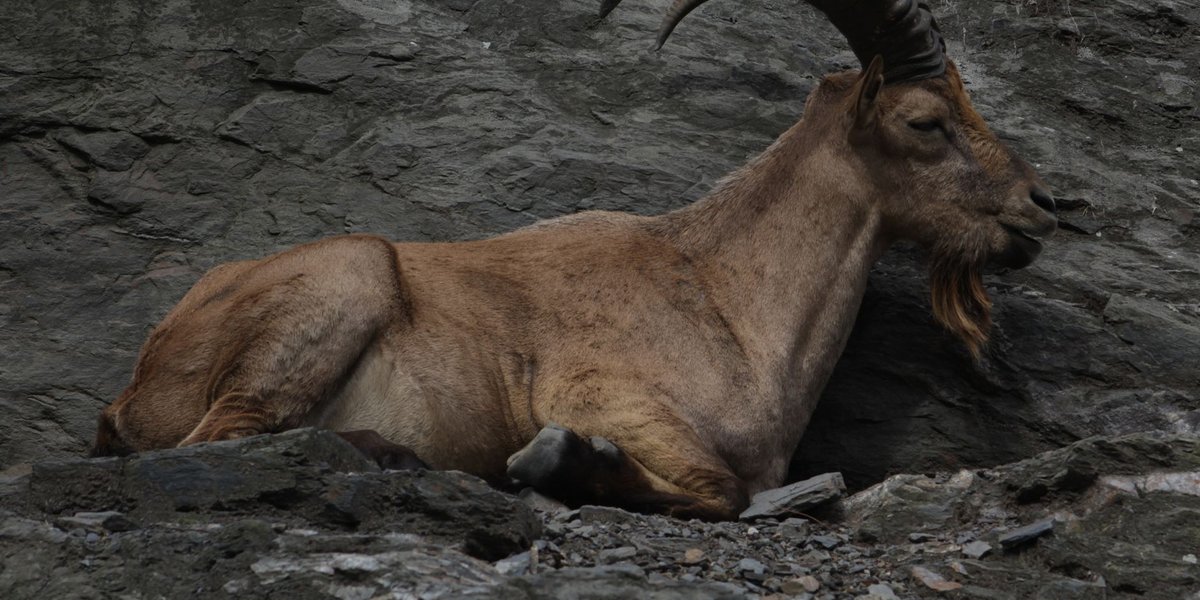
Siberian ibexes are herbivores. In spring and summer they graze alpine grasses, sedges, and herbs. In winter they switch to twigs, needles, and tall dry herbs, and paw through snow to reach what’s underneath.
Table of Contents
- Season-by-season diet
- Spring and summer: the grazing months
- Winter: surviving on browse
- Why Siberian ibexes lick salt
- How much does a Siberian ibex eat?
- Siberian ibex vs Alpine ibex and domestic goats
- What captive ibexes eat
- FAQ
Season-by-season diet
The Siberian ibex (Capra sibirica) lives in the high mountains of Central Asia, from the Tian Shan and Altai to the Himalayan fringe. Its diet follows the snowline up and down the slope.
| Season | Main foods | Notes |
|---|---|---|
| Spring | New grass shoots, sedges, early herbs | Follows the melting snowline upslope |
| Summer | Alpine grasses, sedges, flowering herbs | Peak green forage; salt licks matter most |
| Autumn | Dry grasses, herbs, first shrubs | Males and females feed to build fat before the rut |
| Winter | Twigs, needles, dry tall herbs, lichens | Browse can make up most of the diet; digs through snow |
Researchers have recorded roughly 140 plant species in the diet across the range, so this is a generalist, not a specialist. What changes is the mix, not the menu.
Spring and summer: the grazing months
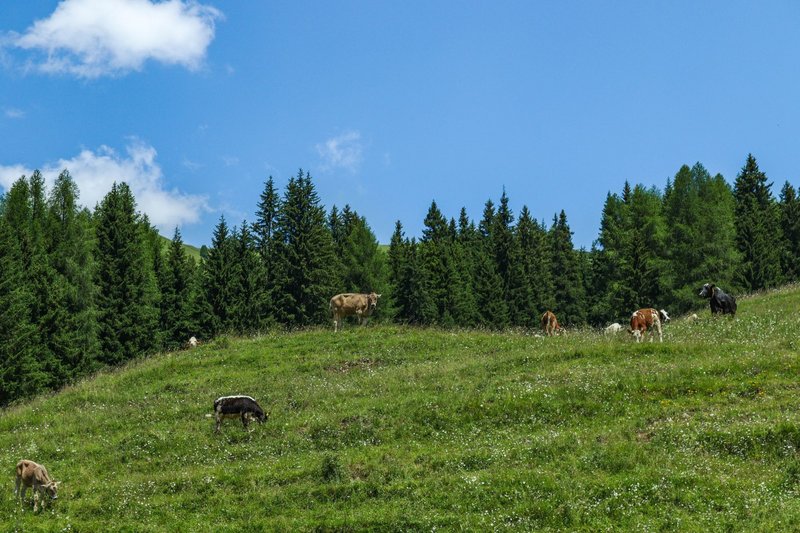
When the snow retreats, ibexes move up behind it. The freshest growth sits right at the melt line, where plants are young, tender, and high in protein. Herds follow that line upward through the season.
Grasses and sedges form the base of the summer diet. Broadleaf herbs fill in the rest, and ibexes pick flowers and leaves from alpine meadows with a goat’s careful, selective bite. This is the grazing season, and the animals look it: summer is when they put on the body fat that gets them through the cold months.
They feed in pulses. Early morning and late afternoon are the main foraging windows, with rest periods on rock ledges between them, where they chew cud and keep watch.
Winter: surviving on browse
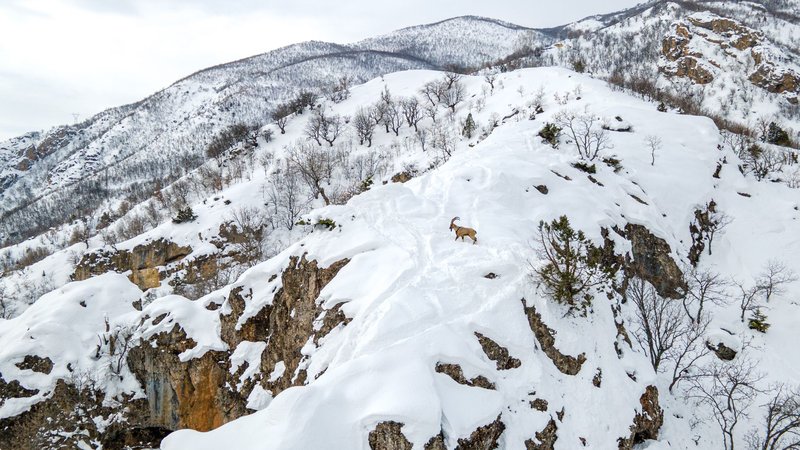
Winter flips the diet. Grass is buried or dead, so the herd shifts to woody plants. Depending on the range, that means willow, juniper, spruce, and aspen twigs and needles, along with whatever dry herbs stick up above the snow. In some seasons browse can reach about 85% of what they eat.
Ibexes don’t wait for wind to strip the snow. They paw through it with their front hooves to reach vegetation underneath, and they favor steep, wind-scoured slopes where the snow cover stays thin. Those south-facing, rocky faces are also where the herd shelters, so feeding and safety overlap.
Winter survival is mostly a fat-and-slope strategy. Animals that built up reserves in summer and picked the right ridge make it through. Deep snow years are the ones that thin herds out.
Why Siberian ibexes lick salt
Fresh summer forage is high in water and potassium and low in sodium. Ibexes make up the gap at natural mineral licks, spots where salty soil or rock is exposed. They scrape and lick the ground and sometimes travel well out of their way to reach one.
The pull is strongest in summer, when lush plant growth leaves them short on sodium. Mineral licks also supply other trace elements that mountain soils and plants provide only thinly. Hunters and wildlife watchers in Central Asia know the licks as reliable places to find animals.
How much does a Siberian ibex eat?
Males are the larger sex, and their intake reflects it. A male eats up to about 16 kg of green forage per day, and a female about 10 kg. That’s a lot of grass for an animal that, per Animal Diversity Web, is built to move across steep, broken terrain.
Like other ruminants, ibexes have a multi-chambered stomach. They swallow plant material quickly, then retreat to a safe ledge to bring it back up and chew it again. That’s the practical reason they rest after feeding: a cliff ledge is safer than an open meadow for the slow work of digestion, and the microbes in the rumen break down cellulose that the animal can’t digest by itself.
At altitude this matters even more. Thin air and cold weather raise energy demands, and low-quality winter browse is hard to digest. The long fermentation process squeezes the most out of poor food.
Siberian ibex vs Alpine ibex and domestic goats
All three are Capra, and all three are herbivores, but the details differ.
- Alpine ibex (Capra ibex) also grazes alpine meadows in summer and shifts to woody browse and dry grass in winter. The big difference is range and habitat: Alpine ibex are confined to the European Alps, with different plant communities and generally milder climates than the Siberian ibex’s continental mountains.
- Domestic goats descend from the bezoar ibex (Capra aegagrus), not from Siberian ibex, but they behave similarly: they browse as readily as they graze. Goats on managed land get supplemental feed and don’t face months of buried forage.
- Siberian ibex live in the colder, drier, higher continental ranges and handle the longest stretches of snow cover of the three. That’s why their winter browse and snow-digging habits matter more.
What captive ibexes eat
Zoos feed Siberian ibexes a controlled version of the wild diet: good grass hay as the base, supplemented with pelleted feed for ruminants and some browse such as willow branches. Mineral blocks stand in for natural salt licks. Fresh browse is also used for enrichment, since foraging behavior is a big part of how these animals spend their day.
FAQ
Is the Siberian ibex a herbivore? Yes. Its diet is entirely plant-based: grasses, sedges, herbs, shrubs, twigs, needles, and lichens.
What do Siberian ibexes eat in winter? Mainly woody browse such as willow, juniper, spruce, and aspen twigs, plus dry herbs they dig out from under the snow.
How many plant species do they eat? Around 140 plant species have been recorded in their diet.
Do Siberian ibexes drink water? They drink where water is available, such as streams and melting snow, but get a good share of their moisture from green forage in summer. For conservation status and range details, see the IUCN Red List.
Why do they visit salt licks? To get sodium and trace minerals that fresh mountain plants don’t supply in sufficient amounts.