Table of Contents
- TLDR
- How Many Mammals Live in Yemen
- Large Mammals You’ll Actually Spot
- Bats, Hedgehogs, and Shrews
- Hyraxes: The Weird Ones
- Marine Mammals Off the Yemeni Coast
- Gone From Yemen: Extinct and Extirpated Species
- The Most Endangered Mammals in Yemen
TLDR {#tldr}
Yemen hosts roughly 100 wild mammal species across 11 orders, from hamadryas baboons on highland cliffs to humpback whales off the Gulf of Aden. Two species — the cheetah and the Arabian oryx — vanished from Yemen entirely, though the oryx now survives thanks to a captive-breeding program that traces its roots back to Yemeni stock. The species in the worst shape right now is the Arabian leopard, down to an estimated 50 individuals or fewer scattered across Yemen’s eastern mountains, a population that’s gone largely unmonitored since the war started in 2015.
How Many Mammals Live in Yemen {#how-many}
A 2023 taxonomic review counted 100 wild mammal species documented in Yemen, spanning 11 orders and 28 families — everything from three hedgehog species to nine kinds of whales and dolphins passing through Yemeni waters. Of those, the IUCN has evaluated most: 70 sit at Least Concern, two are extinct, one is Critically Endangered, two are Endangered, eight are Vulnerable, five are Near Threatened, and a chunky 12 remain Data Deficient — meaning nobody’s gathered enough field data to even rate them.
That last category matters more than it sounds. Yemen’s mammal surveys mostly stopped when the civil war escalated in 2015, and a lot of what’s “known” about the country’s wildlife is now a decade or more out of date.

Large Mammals You’ll Actually Spot {#large-mammals}
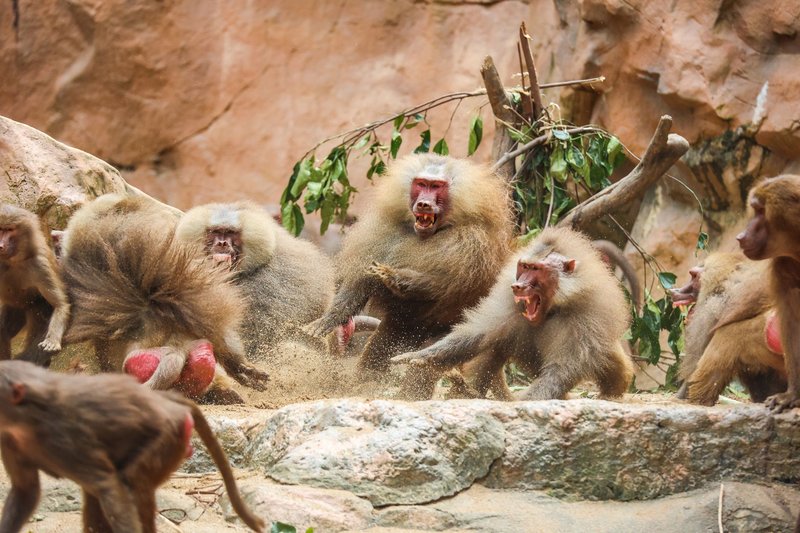
Hamadryas baboon. This is the mammal you’re most likely to actually see in Yemen — troops of up to 200 sleep together on cliff faces in the southwestern highlands and wadis, splitting into smaller family units led by a single dominant male during the day. They’re the northernmost baboon species on earth, having crossed from the Horn of Africa at some point in the last few hundred thousand years, and they’ll eat almost anything: acacia gum, sisal leaves, tubers, whatever a wadi produces that season.
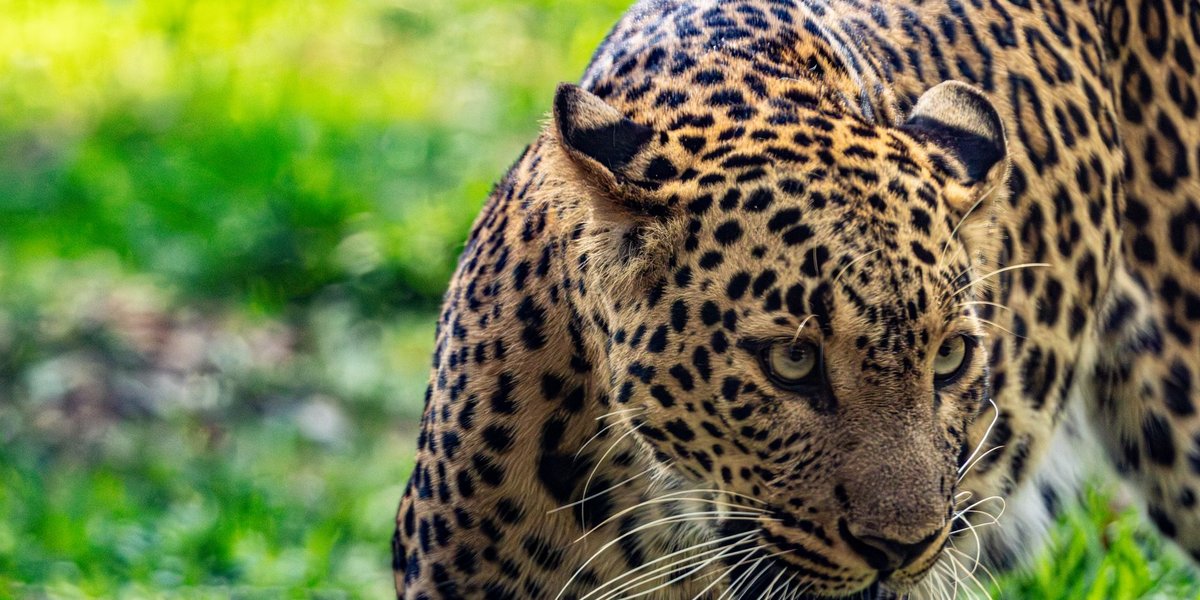
Arabian leopard. Panthera pardus nimr is the smallest leopard subspecies, built for the mountains rather than open savanna, and it’s Critically Endangered — the IUCN Cat Specialist Group puts the entire wild population at 100 to 120 individuals split between Oman and Yemen, with roughly 50 in each country. Yemen’s subpopulation lives in the eastern mountains, particularly around Hawf, and monitoring has been nearly impossible since 2015 because the terrain sits inside an active conflict zone.
Nubian ibex. A mountain goat built for cliffs — thick, backward-curving horns, a knack for standing on ledges that shouldn’t hold anything, and a range that overlaps heavily with the Hawf Protected Area, home to the largest forest on the Arabian Peninsula. Ibex use those cliffs as a predator-avoidance strategy against the leopards sharing the same terrain.
Arabian gazelles. Yemen has multiple gazelle species and subspecies, and three of the four are now considered endangered. Habitat loss and unregulated hunting during decades of instability have hit gazelle populations harder than almost any other group in the country — they’re grazing animals in open terrain, which makes them easy targets and easy to displace.
Striped hyena and caracal. Both persist in Yemen’s drier interior, filling the mid-size predator niche. Neither gets much research attention compared to the leopard, which is part of why so much of Yemen’s carnivore data sits in the Data Deficient category.
Bats, Hedgehogs, and Shrews {#small-mammals}
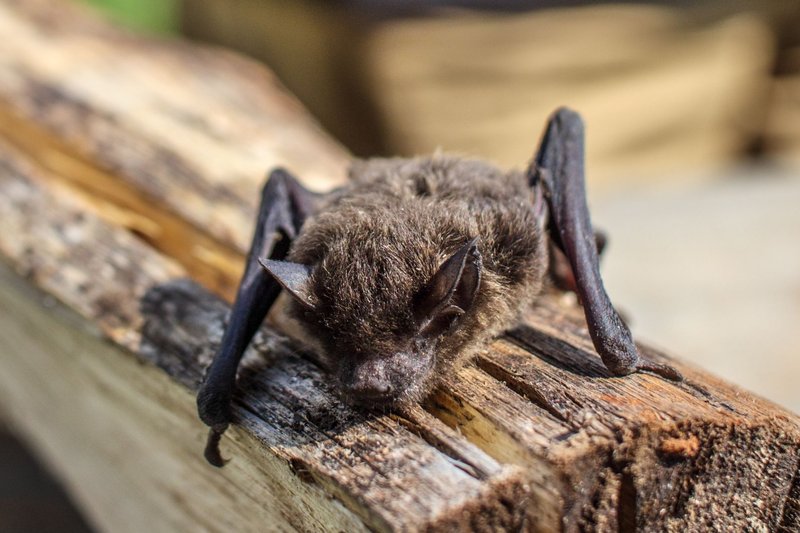
This is where Yemen’s mammal list gets genuinely large and genuinely under-studied. Bats alone account for 34 of the country’s roughly 100 mammal species — more than a third of the entire list — yet they get a fraction of the attention large mammals do. Species range from free-tailed bats roosting in caves along the escarpment to fruit bats working the date palms and acacia stands.
Three hedgehog species and seven shrew species round out the small insectivore contingent, mostly nocturnal, mostly ignored by anyone who isn’t a specialist. They matter more than their size suggests: insectivores like these are a baseline indicator of ecosystem health, since they’re sensitive to the kind of habitat degradation that larger, more mobile mammals can simply move away from.
Twenty rodent species — jerboas, gerbils, spiny mice — fill out the rest of the small-mammal picture, adapted to everything from coastal sand to highland scrub.
Hyraxes: The Weird Ones {#hyraxes}
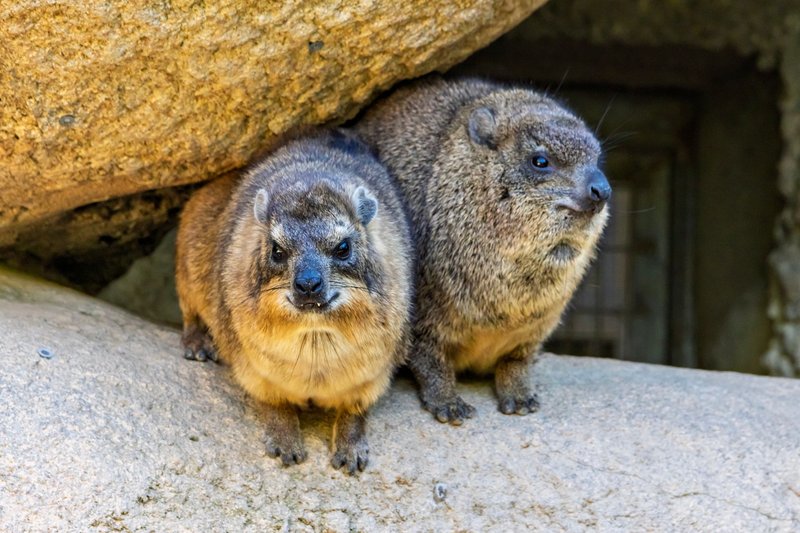
Yemen has exactly one hyrax species, and it’s worth calling out on its own because hyraxes are genuinely strange animals — rabbit-sized, rock-dwelling, and, despite every appearance, the closest living relatives elephants have. They live in colonies wedged into boulder fields and cliff crevices across the highlands, sunning themselves on exposed rock in the morning before retreating from the heat. If you’ve read that they’re related to elephants and assumed it was a joke, it isn’t — it’s one of the odder confirmed facts in mammalian taxonomy.
Marine Mammals Off the Yemeni Coast {#marine}
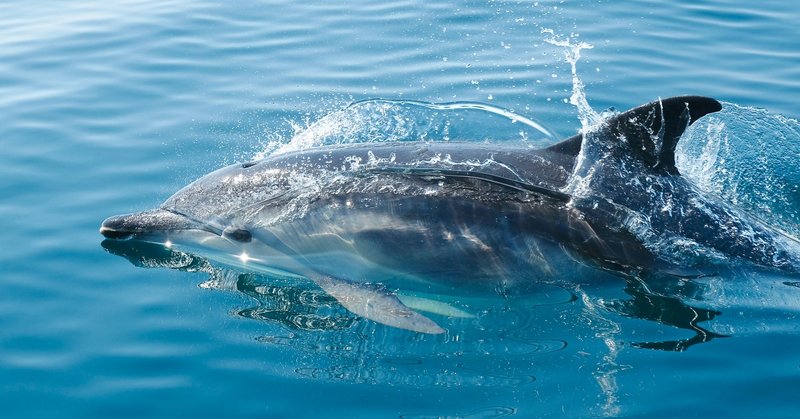
Yemen’s coastline runs along the Red Sea, the Gulf of Aden, and the Arabian Sea near Socotra, and that’s enough water to bring in nine cetacean species — whales and dolphins passing through or resident in the region — plus one sirenian, the dugong, grazing seagrass beds in shallower coastal waters. The dugong is the more fragile of the two groups: it’s slow-breeding, tied to specific seagrass habitat, and vulnerable to boat strikes and net entanglement in ways that migratory whales passing through deep water generally aren’t.
Gone From Yemen: Extinct and Extirpated Species {#extinct}
Two mammals are gone from Yemen for good or nearly so, and a third came back from the brink through one of conservation’s genuine success stories.
Cheetah. Once ranged across the Arabian Peninsula, including Yemen’s semi-arid interior. Habitat loss and direct persecution eliminated it from the country, and there’s no credible population left anywhere on the peninsula today.
Queen of Sheba’s gazelle. A subspecies found only in Yemen, now extinct — hunting and habitat conversion took it out entirely, and unlike the Arabian oryx, there was no captive population to rebuild from.
Arabian oryx. The species was declared extinct in the wild in 1972, and the final wild individuals were captured in what is now South Yemen as the seed stock for a captive-breeding program — the famous “World Herd,” started at the Phoenix Zoo in 1963 from just nine animals. That herd, plus a later Saudi program built from private collections, fed reintroductions back into the wild starting in 1982. By 2011, the IUCN reclassified the species as Vulnerable — a jump from Extinct in the Wild in under 40 years, and one of the only times that’s happened for a large mammal. The catch: Yemen isn’t currently part of the reintroduced range. The oryx exists again in the wild, just not there.
The Most Endangered Mammals in Yemen {#most-endangered}
If you’re ranking by how close to gone a species actually is, the Arabian leopard tops the list by a wide margin. A century ago it ranged across most of the Arabian Peninsula’s mountain zones; today it’s Critically Endangered with a total wild population under 200, split into isolated pockets in Oman and Yemen that don’t interbreed. Documented illegal killings in Hawf since 2021 — in Lawdar, north of Lahij, and in Ad Dali — suggest the Yemeni subpopulation is still shrinking, not stabilizing, even as international attention and funding flow toward leopard conservation in Saudi Arabia and Oman.
Behind the leopard, the endangered gazelle species and several bat and rodent taxa sitting in the Data Deficient category are the ones conservationists flag as most likely to have already declined past the point anyone’s tracking. The United Nations marks an annual observance day for the Arabian leopard specifically because its trajectory is the clearest warning sign for the region’s mountain ecosystems as a whole — when the top predator in a food web collapses, it’s rarely the only species in trouble.
Yemen’s mammal list won’t get shorter through better research alone. But right now, better research is the thing it’s missing most.