Table of Contents
- TLDR: The Short List
- Balkan Lynx
- Mediterranean Monk Seal
- Egyptian Vulture
- Dalmatian Pelican
- Balkan Blind Mole-Rat
- European Souslik
- Saker Falcon
- Roach’s Mouse-Tailed Dormouse
- Eastern Imperial Eagle
- Where to Actually Go Look
Most “wildlife of Bulgaria” pages give you brown bears and wolves and call it a day. Those animals are real, but they’re not rare — Bulgaria has one of the largest brown bear populations left in Europe. The genuinely rare animals in Bulgaria are quieter, harder to find, and in a few cases down to double-digit counts in the wild. This is the list that actually earns the word “rare,” with the population numbers behind each claim and the specific mountain range, river valley, or reserve where you’d need to point your binoculars.
TLDR: The Short List
- Balkan lynx — maybe 20-40 individuals in Bulgaria’s share of the Rhodope range, the rarest cat in Europe
- Mediterranean monk seal — functionally vanished from the Black Sea coast since the 1990s, occasional single sightings only
- Egyptian vulture — critically endangered, Eastern Rhodopes hold one of Europe’s last strongholds
- Dalmatian pelican — breeds at Srebarna, one of only a handful of European breeding colonies
- Balkan blind mole-rat — never seen above ground, lives its entire life underground in the Rila-Rhodope steppe
- European souslik — endangered ground squirrel, down to fragmented grassland pockets
- Saker falcon — critically endangered in Europe, a handful of pairs left in Bulgarian territory
- Roach’s mouse-tailed dormouse — one of the rarest rodents on the continent, southern Bulgaria only
- Eastern imperial eagle — fewer than 30 breeding pairs in the whole country
Balkan Lynx
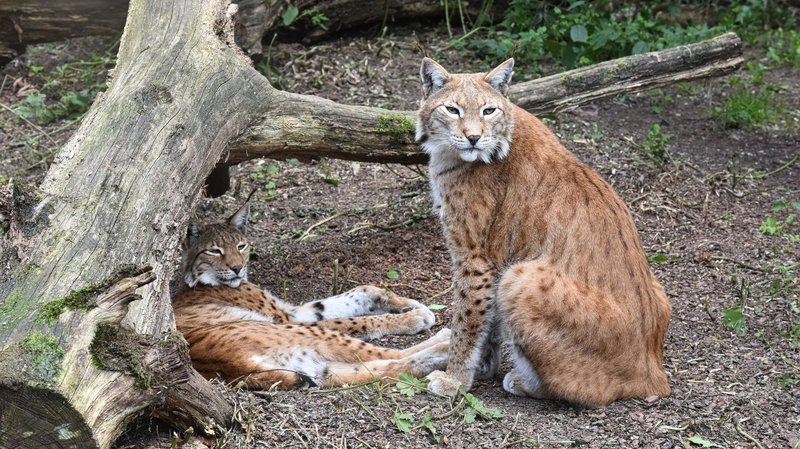
The Balkan lynx is a subspecies of Eurasian lynx that exists nowhere else on Earth except the mountains straddling Bulgaria, North Macedonia, Albania, and Kosovo — and Bulgaria’s slice of that population, concentrated in the Rhodope Mountains, is thin even by the standards of a species that’s rare everywhere. Regional estimates put the total wild population at 60 to 120 adults across all four countries combined, which means Bulgaria’s share is a fraction of an already tiny number.
What makes it worth chasing isn’t just the rarity — it’s the folklore. Balkan communities have treated the lynx as a near-mythical animal for generations, which is part of why a Regional Strategy for the Balkan lynx was formally endorsed under the Convention on Migratory Species in 2026. You won’t spot one on a day hike. Camera-trap footage and fresh tracks in snow are the realistic best case, and even researchers who’ve worked the Rhodopes for years count sightings in single digits per season.
Mediterranean Monk Seal
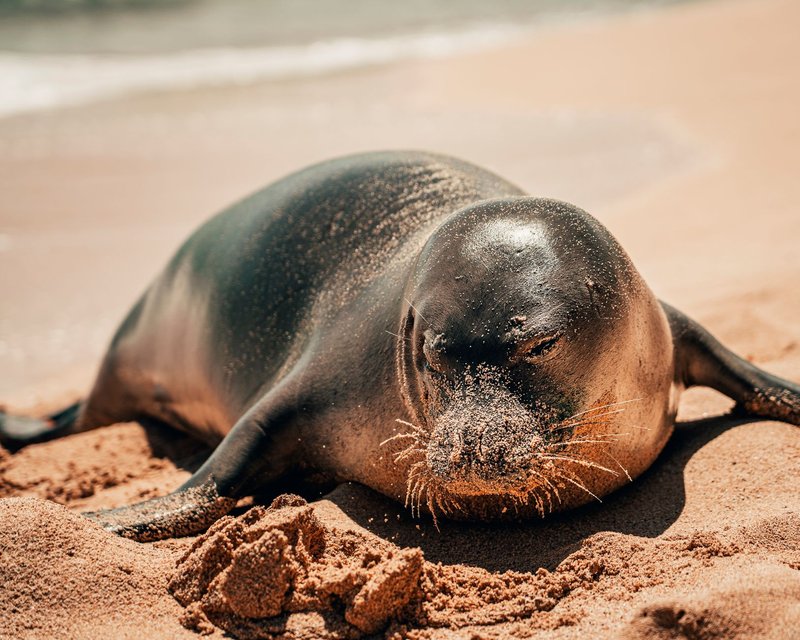
This is the most endangered seal species on the planet, with a global population estimated at no more than 450 animals, and Bulgaria’s Black Sea coast used to be part of its range. It isn’t anymore, not really. The population that once hauled out on Bulgarian sea caves and islets crashed through the 1980s from fishing conflict and coastal development, and by the mid-1990s the species had effectively disappeared from the Black Sea.
St. Ivan’s Island, a protected marine reserve off Sozopol, still gets listed as monk seal habitat in older field guides, and it’s not wrong exactly — it’s just aspirational. Confirmed sightings along the Bulgarian coast now happen once every few years, if that, usually a lone animal passing through rather than a resident. If you want a realistic shot at seeing one, Greece’s Ionian coast has active colonies. Bulgaria has the historical range and the hope that recovery efforts elsewhere in the Mediterranean eventually bring animals back this direction.
Egyptian Vulture
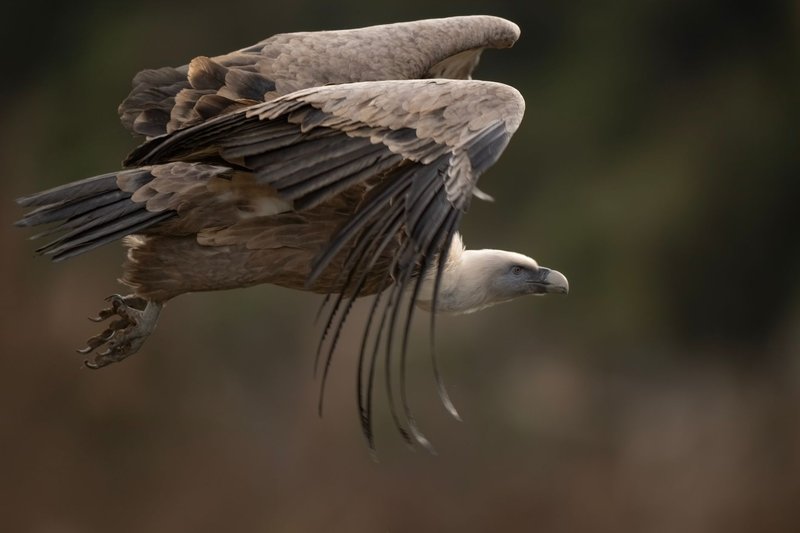
The Egyptian vulture is smaller and scruffier-looking than the griffon vultures it shares cliffs with, and it’s in far worse shape population-wise — it’s classified as critically endangered globally. The Eastern Rhodopes, particularly the cliffs above the Arda River near Madzharovo, hold one of Europe’s last meaningful breeding populations, and the BSPB’s Eastern Rhodopes conservation centre has spent years running supplementary feeding stations there specifically to keep the local pairs alive.
The bird migrates, so it’s only present roughly April through September. Peak viewing is late spring, when adults are actively provisioning nests and spend more time soaring the thermals above the river gorge instead of tucked into cliff ledges.
Dalmatian Pelican
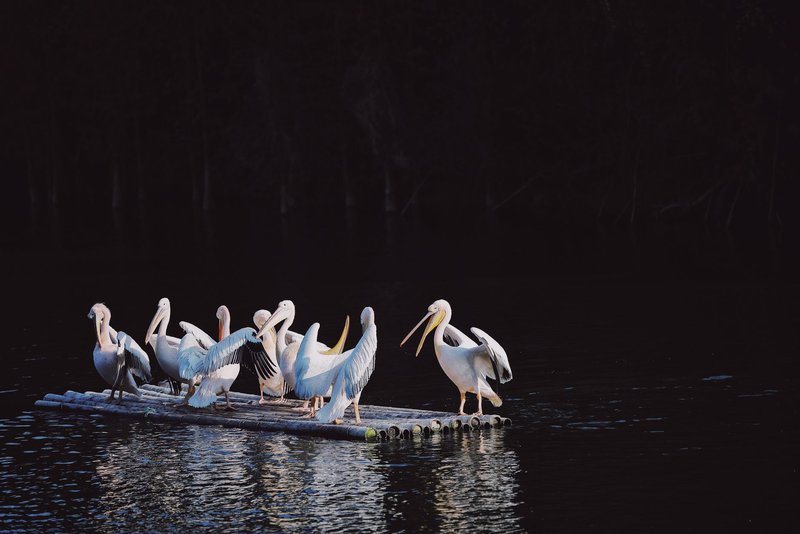
Srebarna, a UNESCO World Heritage freshwater lake on the Danube in the country’s northeast, is one of a limited number of European sites where Dalmatian pelicans still breed. The reserve supports close to 100 bird species overall, but the pelican colony is the headline act — a bird with a nine-foot wingspan nesting in reed beds a few hours from Bucharest.
The reserve’s visitor center runs live camera feeds into the nesting colony during breeding season, which matters because getting close on foot risks disturbing the birds enough that they abandon nests. Spring is the window: eggs and early chicks from March into May, with adults constantly commuting between the lake and open water for fish.
Balkan Blind Mole-Rat
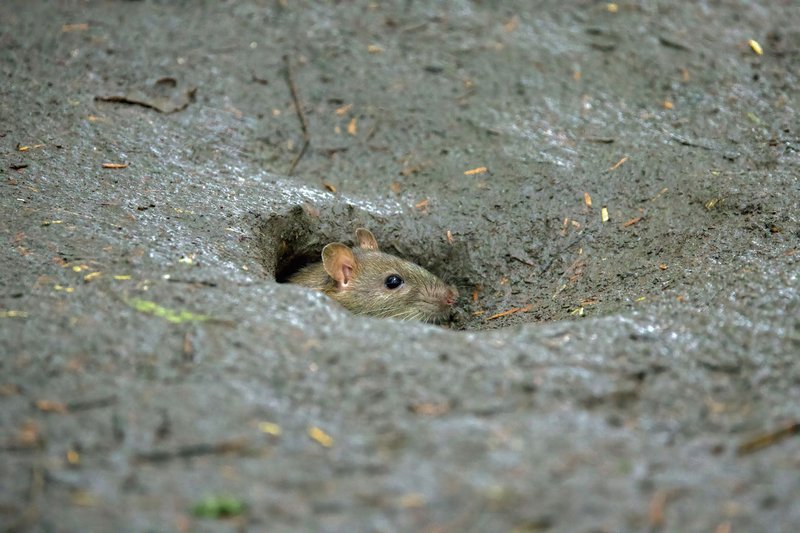
You will not see this animal. That’s the point of including it — the Balkan blind mole-rat spends its entire life underground in the steppe habitats of the Rila-Rhodope system, above roughly 700 meters elevation, with no external eyes and a body built entirely for tunneling. Genetic research has found the species complex it belongs to splits into at least 25 distinct chromosomal forms across the Balkans, several of which are likely threatened but lack the formal taxonomic descriptions needed to get any conservation status at all.
That gap — real rarity with no official protection — is close to unique among the animals on this list. The evidence of its presence is mounding: the low earthen hills mole-rats push up while digging, visible in undisturbed grassland if you know to look down instead of up.
European Souslik
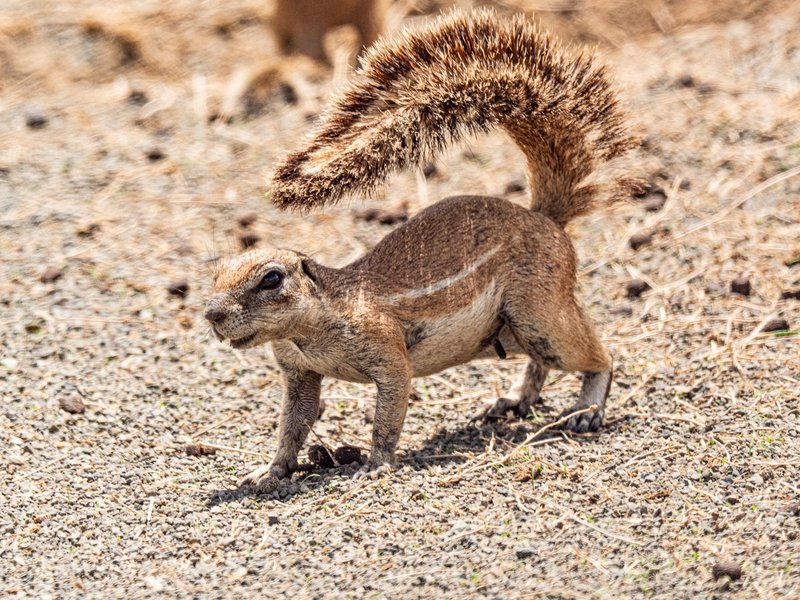
The European souslik is a small, upright-standing ground squirrel that used to be common across Balkan grasslands and is now endangered through most of its range, Bulgaria included. Agricultural intensification and the loss of short-grass steppe — exactly the habitat it needs to spot predators from its burrow entrance — have fragmented the population into isolated colonies rather than one continuous range.
Where it survives, it survives in numbers; sousliks are colonial, so a good patch of unplowed grassland can hold dozens of individuals standing sentry at once. Finding that patch is the hard part.
Saker Falcon
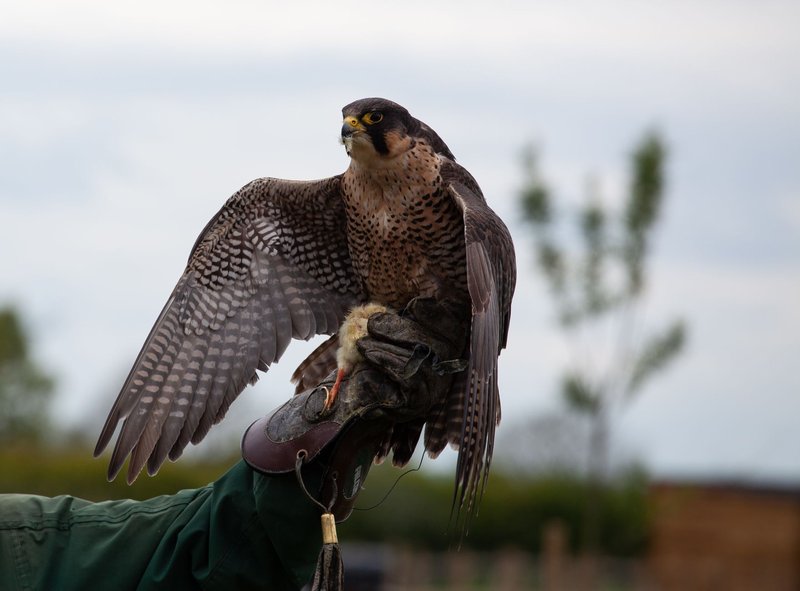
Once a breeding bird across Bulgaria’s open plains, the saker falcon is now critically endangered in Europe—like many other rare animals across the continent—and the country’s remaining wild pairs number in the single digits. It’s a big, powerfully built falcon — historically prized in falconry for exactly that reason — and the same open, rodent-rich habitat that attracted it also attracted the agricultural conversion that’s since squeezed it out.
Electrocution on unprotected power lines has been as damaging to the remaining population as habitat loss, which is why conservation work in Bulgaria has focused as much on retrofitting pylons near known territories as on nest protection.
Roach’s Mouse-Tailed Dormouse
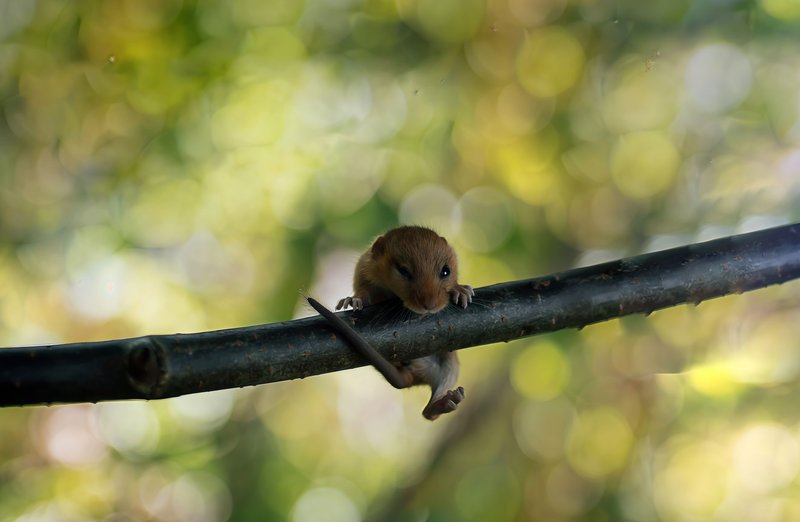
This is one of the rarest rodents in Europe, and Bulgaria’s southern regions are among the few places it’s confirmed to persist. It looks more like a cross between a mouse and a bat than the fluffy-tailed dormice most people picture, with a long, sparsely-furred tail and large ears suited to a mostly nocturnal, rocky-terrain life.
Records of it are so sparse that population estimates barely exist beyond “present but rare.” What field researchers do agree on is habitat: dry, rocky slopes with scattered scrub, generally at lower elevations than the mole-rat or the lynx.
Eastern Imperial Eagle
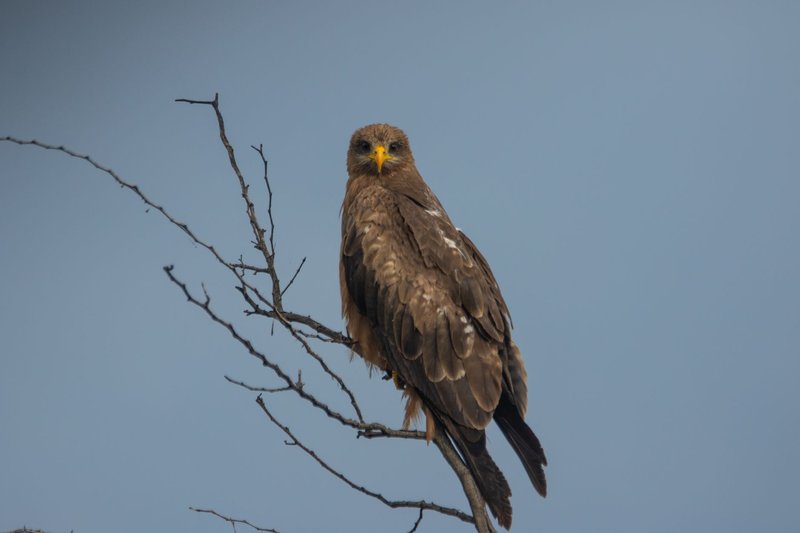
Bulgaria holds fewer than 30 breeding pairs of the eastern imperial eagle, a raptor that needs both open hunting ground for ground squirrels and rabbits and tall, undisturbed trees to nest in — a combination that’s gotten scarcer as farmland has intensified and old-growth patches have shrunk. The bird is large enough to be mistaken for a golden eagle at a distance, but the pale crown and shoulder patches are the giveaway once you’re close enough to see them.
Nest sites are protected and generally not publicized, for good reason — imperial eagles will abandon a nest if disturbed during incubation. Sarafovo and parts of the Sakar Mountains have known territories, but responsible viewing means keeping well back and letting a local guide or ranger set the distance.
Where to Actually Go Look
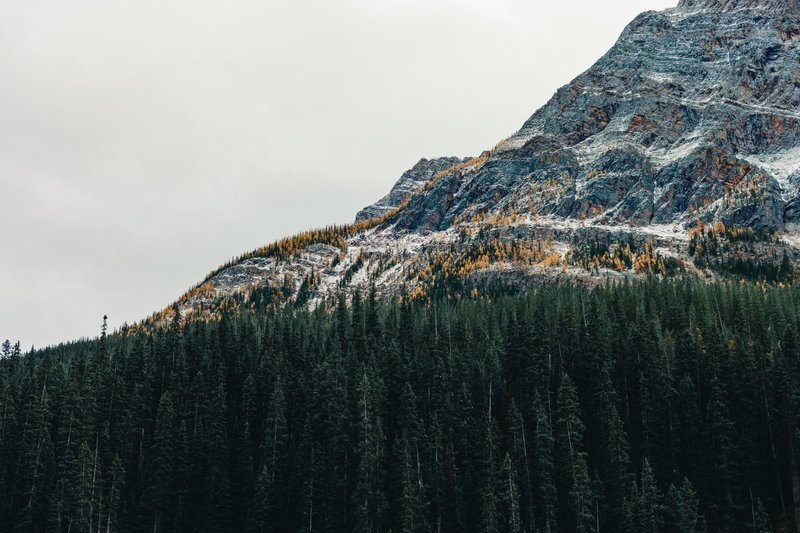
Species and location go together on this list for a reason — knowing an animal is “rare in Bulgaria” doesn’t help if you don’t know which corner of the country to be standing in.
Rhodope Mountains (especially the Eastern Rhodopes near Madzharovo): the single best area in the country for vultures and the most realistic region for indirect lynx evidence — tracks, camera-trap partnerships through local conservation groups, rarely a live sighting.
Pirin National Park: higher-elevation terrain that overlaps with mole-rat steppe habitat and holds some of the country’s most intact old-growth forest, relevant to imperial eagle nesting range further east.
Rila National Park: similar high-steppe habitat to Pirin, and the namesake range for several of the mole-rat’s chromosomal forms.
Black Sea coast, particularly protected islets near Sozopol: the monk seal’s historical range — worth knowing about even though a sighting today would be genuinely rare.
Srebarna Nature Reserve: the most reliable wildlife-watching stop on this entire list. The pelican colony is active, visible, and the reserve is built for visitors, unlike most of the other locations here.
If you’re planning around this list rather than just reading it, go in spring. April through June covers vulture provisioning, pelican nesting, and imperial eagle incubation all at once, and it’s before the Balkan summer heat pushes ground-dwelling species into their burrows during daylight hours.