TLDR
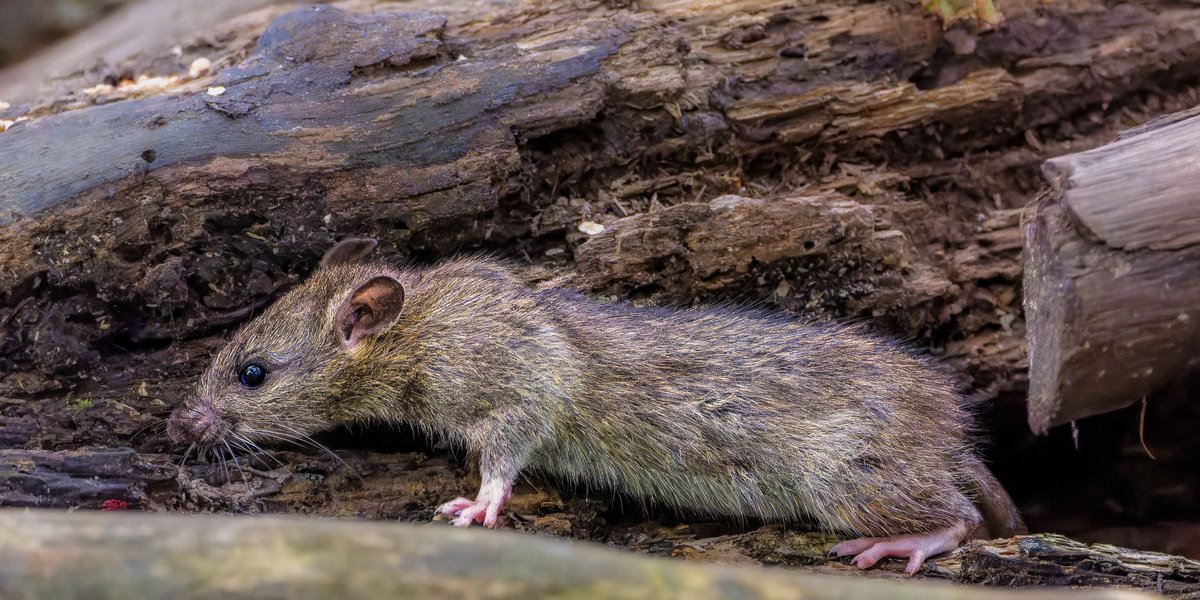
Brown rats are opportunistic omnivores, and cereals and grains lead the diet. They’ll also eat fruit, seeds, insects, meat, fish and your garbage, and they choose whatever is easiest to get nearby.
- Staple: grains, seeds and other plant matter
- Extras: insects, eggs, carrion, mollusks, small fish, birds
- Daily need: about an ounce of food and a half to one ounce of water
- Pet rats: a different diet from wild rats. Don’t copy one for the other.
Table of Contents
- The short answer: opportunists with a grain habit
- Brown rat diet at a glance
- What brown rats eat in the wild
- What sewer and city rats eat
- What rats eat on farms
- Do brown rats eat meat?
- How much a brown rat eats and drinks
- How rats forage
- Foods rats avoid
- What pet rats should eat
The short answer: opportunists with a grain habit
Ask what brown rats eat and the accurate answer is “most things.” The brown rat (Rattus norvegicus), also called the Norway rat, is an omnivore that shifts its menu to match the habitat. Cereals and grains sit at the top, but a rat with a choice of fresh pizza crust and a beetle will take the crust.
That flexibility is why the species lives on every continent except Antarctica. A rat doesn’t need a specialized food source. It needs something edible within a few hundred feet of its burrow, and people supply that almost everywhere.
Brown rat diet at a glance
| Food group | Example foods | Where it’s eaten |
|---|---|---|
| Grains and cereals | Wheat, corn, oats, rice, bird seed, pet kibble | Farms, grain stores, backyards, homes |
| Seeds, nuts and fruit | Fallen fruit, acorns, sunflower seeds, berries | Gardens, hedgerows, parks, woodland edges |
| Invertebrates | Earthworms, beetles, snails, mollusks | Riverbanks, fields, compost heaps |
| Meat and fish | Carrion, eggs, young fish, small birds | Rural water, hatcheries, islands, farms |
| Human food waste | Bread, fatty scraps, takeout, pet food | Cities, sewers, bins, restaurant alleys |
| Fresh water | Streams, puddles, leaks, condensation | Everywhere |
What brown rats eat in the wild
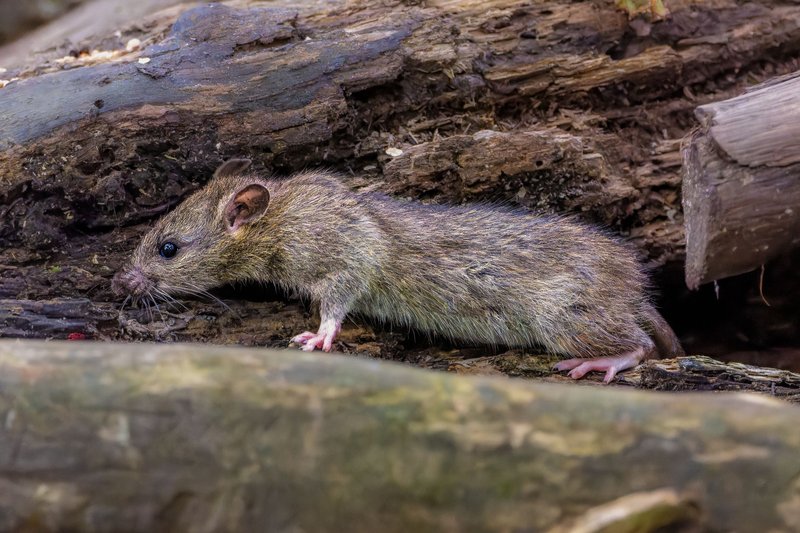
Away from people, plants do most of the work. A German study that examined the stomach contents of roughly 4,000 wild brown rats found mostly plant material, with animal matter making up a smaller share. Cereals and grains led. That matches what the University of California’s pest management program and the University of Illinois Extension describe: a rat that eats cereals first and everything else second.
Rural rats eat seeds, grasses, fruit, nuts and roots. They also eat snails, earthworms and insects, which supply protein that grain lacks. Because they live along ditches and riverbanks, they sample whatever the water offers.
Some populations have gone well beyond seeds, and the examples are specific:
- The Po River, Italy. Brown rats there have been recorded diving for freshwater mussels, hauling them out and eating them on the bank.
- A West Virginia fish hatchery. Rats caught young fish from the rearing tanks.
- Norderoog Island, Germany. Rats on this small North Sea island hunted sparrows and ducks.
None of that is typical. It shows that a brown rat’s diet is a menu of what it can catch, not a fixed list.
What sewer and city rats eat
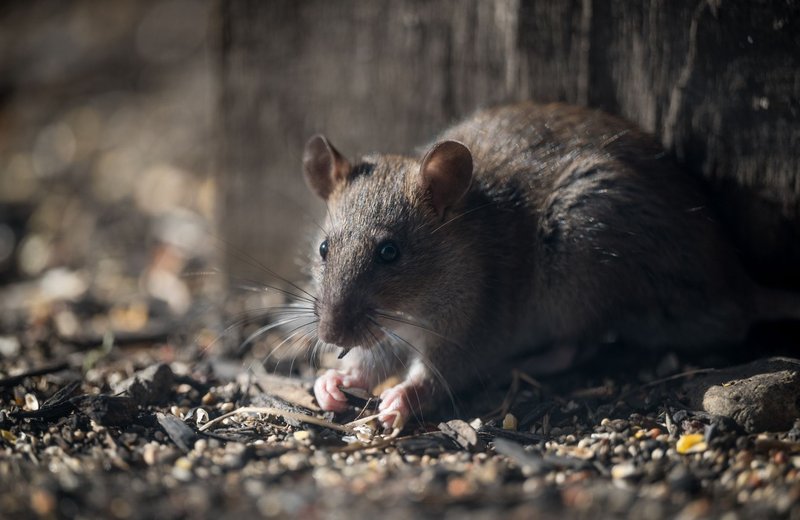
“Sewer rat” is a misnomer. Sewers are where rats travel and nest, not where they find lunch. Most of what a sewer rat eats comes from the surface and drops through: bread, fat, grease, rice, food scraps, and anything people put in bins, gutters and drains.
In cities, a rat’s diet comes down to three sources:
- Bins and dumpsters. Restaurant bins are the richest source, because they combine fat, starch and sugar.
- Pet and bird food. Dog kibble, cat bowls left outside and bird feeders attract rats, and seed spilled under a feeder is a grain meal on the ground.
- Compost and fallen fruit. Open compost with cooked food or meat scraps works as a buffet.
If you’re asking what attracts rats to your yard, the answer is nearly always one of those three. Reduce the food and the rats lose the reason to stay.
What rats eat on farms
Farms offer rats the diet they prefer: stored grain, animal feed and eggs. Barns and silos put huge amounts of cereal in one place, and livestock feed adds protein and fat. Rats eat feed from troughs, gnaw into sacks, and take chicks and eggs from poultry houses.
The damage often exceeds what they eat. Rats contaminate far more feed with droppings and urine than they consume, which makes farms an economic problem as much as a food-source one.
Do brown rats eat meat?
Yes. Brown rats are omnivores, and animal matter is a regular part of the diet. They scavenge carrion, eat eggs, and prey on small animals when the chance comes up. The hatchery fish, island birds and river mussels above are all examples.
Meat isn’t their first choice, though. If grain is available, they usually take the grain. Animal food shows up more when plants are scarce, when a particular food is easy to catch, or when a rat is feeding young.
How much a brown rat eats and drinks
An adult brown rat eats roughly an ounce of food a day, and needs about a half to one ounce of water. Unlike many desert rodents, rats can’t live on the moisture in dry food, so water access matters. That is one reason rats settle near streams, leaking pipes, pet bowls and drains.
Two practical consequences follow:
- A rat that has food but no water will move on to find water.
- A single rat doesn’t eat much, but a colony of dozens adds up, and the spoilage and gnawing damage are larger than the eating.
Diet also shifts with the seasons. Outdoors, rats lean on fruit, seeds and nuts in late summer and autumn, when they’re plentiful. As winter approaches and the outdoor supply thins, more rats move into buildings, where grain, pet food and food waste stay available all year.
How rats forage
Brown rats forage mostly at night, and they’re creatures of habit. They travel along the same routes between nest and food, usually following walls, fences and edges, and typically cover roughly 100 to 500 feet in a night. A rat that finds a reliable source will keep returning to it.
They’re also cautious. Rats are wary of new objects and unfamiliar foods, a trait called neophobia. A rat meeting a novel food will often sample a tiny amount, then wait to see whether it makes it sick. That explains why a new bait station can sit untouched for days, and why pest-control guides recommend leaving stations in place so the rats get used to them. It also explains why food preference matters for bait: a bait made from something the local rats already eat is more likely to be accepted than a novelty.
Foods rats avoid

Rats are less picky than most animals, so the list of foods they refuse is short. They’ll avoid food that’s spoiled enough to smell off, very bitter or sharp items in quantity, and anything unfamiliar until they’ve tested it.
You’ll see claims that garlic, hot peppers and peppermint repel rats. Most of those claims come from pest blogs with no cited testing. Strong smells may make a rat hesitate for a night. Nothing in the extension guidance suggests they replace removing food, water and shelter. If a rat is hungry and a food source is reliable, it’ll tolerate a spicy meal.
Exclusion works better than any scent: seal gaps, store grain and pet food in metal or thick plastic containers with tight lids, and clean up spilled seed.
What pet rats should eat
Pet rats are domesticated brown rats, but their diet shouldn’t copy a wild rat’s. Wild rats eat what they find. Pet rats need a balanced diet because they live longer on steady nutrition and have no chance to balance it themselves.
A common approach:
- Base: a quality lab block or pellet formulated for rats, which provides the core nutrition.
- Extras: small portions of vegetables, a little fruit, and the occasional cooked egg or plain protein.
- Water: fresh, clean, always available.
Avoid raw dry beans, alcohol and caffeine. Mold and heavily processed human snacks are poor choices too. Citrus is often flagged for male rats because of the compound d-limonene, so ask an exotic-animal vet before making it a habit. Don’t feed a pet rat from a bin or from what a wild rat would eat, because wild diets are unbalanced for a pet and carry disease risks.
The takeaway is simple: a wild brown rat eats whatever the local habitat offers, with grain at the top. A pet brown rat eats what its owner chooses to give it. The two aren’t interchangeable.