TLDR
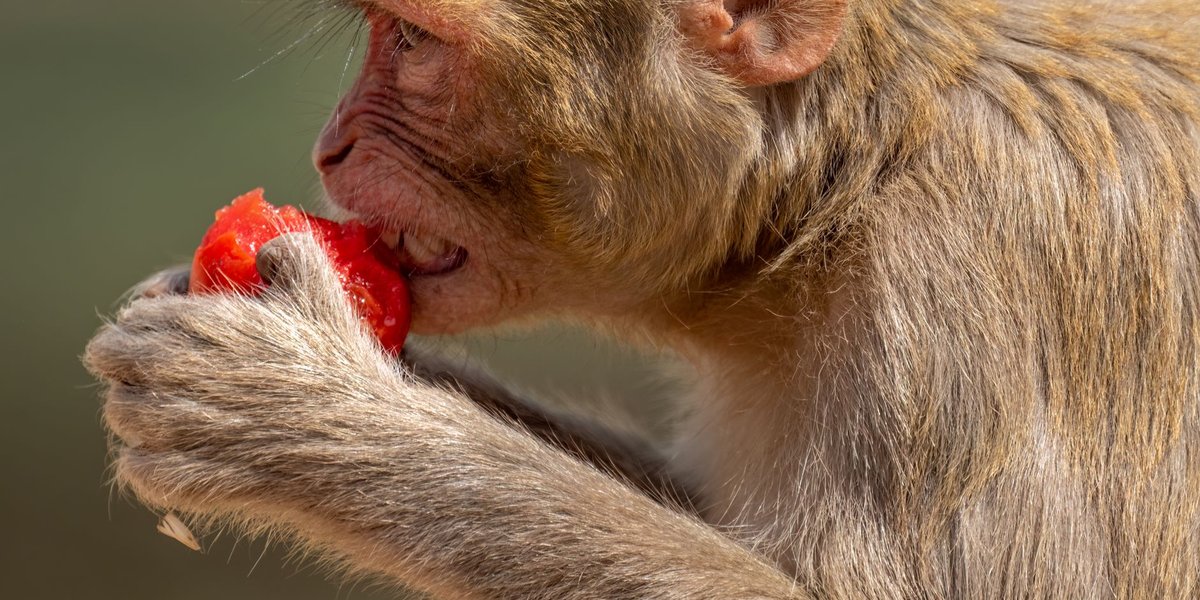
De Brazza’s monkeys are omnivores, and fruit leads the menu. They also eat young leaves, seeds, flowers, mushrooms, insects, termites, worms and the occasional small reptile. One field study in Ethiopia logged fruit in about 77% of feeding records and young leaves in about 13%. When fruit runs short, they switch to invertebrates and leaves.
Table of Contents
- What De Brazza’s monkeys eat, in one table
- Why sources disagree about the diet
- How they find food: ground, water and cheek pouches
- What changes when fruit runs out
- What zoos feed De Brazza’s monkeys
- FAQ
What De Brazza’s monkeys eat, in one table
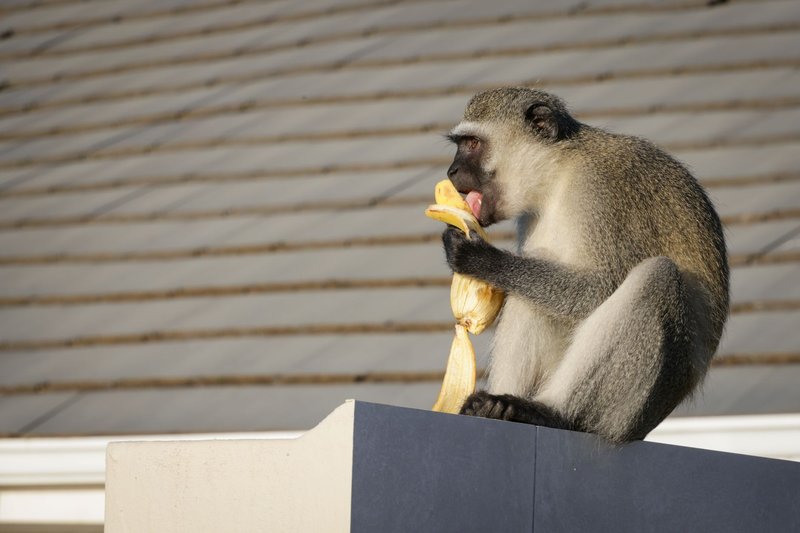
The De Brazza’s monkey diet is broad but not random. Fruit does most of the work, and everything else fills gaps in protein, fiber and minerals that fruit can’t cover.
| Food category | Examples | Rough share of the diet |
|---|---|---|
| Fruit | Wild forest fruits, soft pulp and whole berries | Largest share, about 77% of feeding records in the Ethiopian study |
| Young leaves | New shoots and tender foliage | About 13% in the same study |
| Seeds and flowers | Seeds from eaten fruit, blossoms | Small, not broken out in the study figures |
| Mushrooms | Forest-floor fungi | Small and occasional |
| Invertebrates | Beetles, termites, worms | Small overall, larger when fruit is scarce |
| Small vertebrates | Small reptiles | Rare |
The shares for the last four rows are not published as separate percentages, so treat them as the leftover roughly 10%, not as measured numbers. That gap is a real limit in the public data, and it’s better to say so than to invent a pie chart.
Why sources disagree about the diet
Search this question and you’ll get two answers. Zoo fact sheets say “mostly fruit.” Wikipedia describes the diet as mostly herbaceous plants from the forest floor, plus fruit. Both can’t be the headline.
The field data settles most of it. An Ethiopian thesis on De Brazza’s monkeys recorded fruit in about 77% of feeding observations and young leaves in about 13%. That’s a fruit-led diet with leaves as the second pillar, not a leaf-led diet with fruit on the side.
So why does the herbaceous claim exist? Two likely reasons:
- They forage on the ground. An observer who sees a monkey picking through low plants near a stream will record plants. The monkey’s fruit comes from the canopy and gets eaten out of sight.
- Feeding records and food volume aren’t the same thing. A monkey that nibbles leaves often but fruit in bulk can look like a leaf eater in a count of bites.
One study at one site can’t speak for the whole range, which stretches across Central Africa and reaches into Ethiopia at its eastern edge. But it’s measured data, and it beats a sentence with no source.
How they find food: ground, water and cheek pouches
De Brazza’s monkeys live in swampy and riverside forest, and their feeding habits follow the water. They’re unusually comfortable on the ground for a guenon, and they forage along stream edges and in wet, low vegetation. That’s where the worms, the beetles and the mushrooms are.
They also carry food in their cheeks. Like other Old World monkeys, De Brazza’s monkeys have cheek pouches, a pair of expandable pockets between the jaw and the cheek. A monkey can grab fruit fast, stuff it in the pouches, and move to a safer spot to chew. That matters when feeding in the open on the ground, where a predator can show up with no warning.
The pouches also explain a common sight at zoos: a monkey with one swollen cheek, working through its mouthful while looking everywhere except at its food.
What changes when fruit runs out
Fruit isn’t available all year. Trees fruit in pulses, and when a pulse ends, the monkeys don’t starve or migrate. They shift down the menu.
- Invertebrates move up. Beetles, termites and worms become fallback foods. They’re protein-dense, and they’re reliably present near the water the monkeys already patrol.
- Leaves fill the bulk. Young leaves are softer and easier to digest than mature ones, so new growth gets picked first.
- Seeds, flowers and mushrooms pad out the rest.
This flexibility is the best answer to “are De Brazza’s monkeys omnivores?” Yes, and the omnivory is a strategy, not a quirk. A fruit specialist would have trouble in a lean month. This species just changes what’s on the plate.
What zoos feed De Brazza’s monkeys
Most top results skip the captive diet, but it’s the version of this question that zoo visitors and students are really asking. Zoo keepers can’t hand out forest fruit, so they rebuild the same balance with what’s available:
- Fruit and vegetables make up the daily base, chopped into pieces the monkeys can pouch.
- Commercial primate biscuits supply the vitamins and fiber that cultivated fruit lacks. Store-bought fruit is sweeter and lower in fiber than wild fruit, so keepers can’t lean on it alone.
- Leafy greens and browse stand in for the young leaves.
- Insects such as mealworms and crickets replace the beetles and termites.
Zoo New England’s profile describes the species’ diet as mostly fruit, which matches what keepers see on the feeding schedule. Many zoos also scatter food across the enclosure instead of serving it in a bowl, because foraging is how these monkeys spend their day.
FAQ
What do baby De Brazza’s monkeys eat?
Infants nurse from their mothers first. As they grow, they start sampling soft fruit and leaves from the adults around them, and they don’t fully switch to adult food for months.
Do De Brazza’s monkeys eat meat?
Only in small amounts. Insects, worms, termites and the occasional small reptile are the animal part of the diet. They aren’t hunters of mammals or birds.
Can you keep a De Brazza’s monkey as a pet?
No. They’re wild primates with specialized dietary and social needs, and a house can’t replicate either. The species is listed on the IUCN Red List, and the pet trade isn’t the way to help it. If you want to see one up close, visit an accredited zoo.
Do they eat the same food everywhere in their range?
Not exactly. The Ethiopian figures come from one site, and habitat shapes what’s on offer. The pattern of fruit first, leaves second and invertebrates as backup should hold, but the exact percentages will shift from forest to forest.