
Lowland pacas eat mostly fallen fruit. Mangoes, avocados, guava, and papaya make up the bulk of a wild paca’s diet, supplemented with leaves, roots, tubers, seeds, and nuts when fruit is scarce. They forage alone at night, close to their burrows, and during the lean season between November and March they shift almost entirely to leaves and stored body fat to get through the drought in fallen fruit. In captivity, their diet expands to include vegetables, grains, and occasionally meat or insects — which is where the “do pacas eat meat” question actually gets interesting.
That’s the short version. Here’s what’s actually going on with a paca’s stomach, and why it matters more than you’d think for the forests they live in.
Table of Contents
- What Pacas Eat in the Wild
- The November-to-March Fruit Drought
- How Pacas Find Their Food
- Do Pacas Eat Meat?
- Pacas as Seed Dispersers
- What Pacas Eat in Zoos and Captivity
- Pacas and Farmers: A Diet That Causes Trouble
What Pacas Eat in the Wild
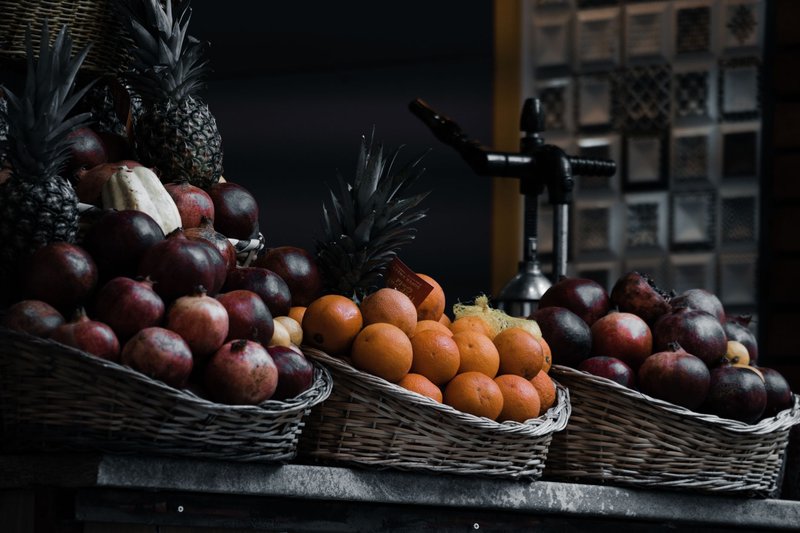
A lowland paca (Cuniculus paca) is, first and foremost, a fruit specialist. Walk through a lowland Central or South American forest at night and you’ll find pacas working the ground beneath fig, palm, and fruit trees, picking through what’s already fallen rather than climbing for it. Mangoes, avocados, guava, and pomerac rank as favorites — high-sugar, high-fat fruit that a 9- to 12-kilogram rodent can live on almost exclusively when it’s available.
They don’t just eat the flesh. Pacas crack open seeds too, which matters for later. When fruit thins out, the diet broadens: leaves, grasses, stems, roots, tubers, and nuts fill the gap. None of these are preferred foods — they’re what’s left when the good stuff isn’t on the ground.
This is a narrower diet than it looks on paper. A paca isn’t grazing a wide salad bar; it’s cycling through a short list of fruiting trees in its home range and following whichever one is currently dropping.
The November-to-March Fruit Drought
Here’s the detail most paca write-ups skip entirely: fruit availability in the Neotropics isn’t constant, and pacas have a real seasonal survival strategy built around it.
Between November and March, fallen fruit becomes scarce across much of the paca’s range. According to research compiled by the Animal Diversity Web, pacas respond by browsing on leaves and living off fat reserves they’ve built up during the fruiting months — essentially eating a maintenance diet and coasting on stored body fat rather than starving. This lean season is considered the main factor limiting paca population density in a given area, not predation. A forest with a poor fruiting year simply supports fewer pacas the following season.
It’s also why paca home ranges aren’t fixed. Their territory and foraging centers shift with fruit availability, and researchers have noted feeding locations changing noticeably around late August, as different trees come into season.
How Pacas Find Their Food

Pacas are strictly nocturnal foragers. During the day they hole up in burrows, hollow logs, or dense burrow systems near water — pacas are strong swimmers and will dive into a stream to escape a predator — and they come out after dark to feed.
Foraging stays close to home. Rather than roaming widely, a paca works a couple of small, well-known feeding centers near its den, revisiting the same fruiting trees on a rotation until the supply runs out. This isn’t laziness; it’s efficiency. Sticking to known ground in the dark, with jaguars, ocelots, and margays hunting the same forest floor, keeps a slow-moving rodent alive.
Do Pacas Eat Meat?
This is where most “paca diet” pages either say nothing or get it wrong. The honest answer is: not in the wild, but yes, in captivity.
In their natural habitat, pacas are functionally herbivores. Their teeth, gut, and foraging behavior are all built around fruit and plant matter, and there’s no solid evidence of wild pacas actively hunting or scavenging animal protein. The “occasional insect” mentioned on some fact sites is likely incidental — picked up while foraging through leaf litter, not sought out.
Captivity changes the picture. Zoo and research diets for pacas have included fruits, vegetables, and — depending on the institution — small amounts of animal protein such as raw meat, insects, or even lizards, alongside their plant-based staples. That’s not because pacas need meat to survive; it’s closer to enrichment and dietary variety within a controlled setting than a reflection of what they’d choose in the forest. If someone tells you pacas are natural carnivores, that’s a myth. If someone tells you a captive paca has never touched meat, that’s probably wrong too.
Pacas as Seed Dispersers
Pacas don’t just eat fruit — they move it. A foraging paca will often carry fruit in its cheek pouches away from the parent tree before eating it, or swallow seeds whole and deposit them elsewhere in its droppings. Either way, seeds end up germinating well outside the shadow of the tree that produced them, which is exactly the spacing many tropical tree species need to avoid disease and competition near the parent.
Research on Neotropical seed dispersal has identified pacas as important dispersers for species like Attalea oleifera and Hymenaea courbaril — large-seeded trees that few other animals are big enough to process and move effectively. Studies on frugivore loss more broadly, including work published via the National Center for Biotechnology Information, have shown that when seed-dispersing animals disappear from a forest, the plants that depended on them regenerate more slowly or not at all. Pacas aren’t a footnote in that chain — in forests where larger frugivores like tapirs have been hunted out, pacas are sometimes the last mid-sized disperser still doing the job.
They’re also incidental ecosystem engineers. The burrow systems pacas dig and maintain get reused by other forest animals long after — a side effect of a diet that keeps them digging and denning near their food sources.
What Pacas Eat in Zoos and Captivity
Captive paca diets look nothing like a simple fruit bowl. Institutions that keep pacas — and the AZA Nutrition Advisory Group has published guidance specifically on this — typically feed a combination of produce (fruit, tubers, legumes), forage or browse, grains, and formulated concentrate pellets designed to hit specific protein and energy targets, since a wild paca’s boom-and-bust fruit access doesn’t translate cleanly to a zoo enclosure available year-round.
That’s a real gap in how pacas are managed in captivity: nutrition research on the species lags behind better-studied rodents, and diets are often adjusted institution by institution rather than following one settled standard. It’s also the reason captivity diets tend to include more starch and protein density than a wild paca would ever encounter — without the seasonal fruit scarcity forcing a lean period, captive pacas need a diet built to prevent obesity rather than one built to survive famine.
Pacas and Farmers: A Diet That Causes Trouble
The same appetite that makes pacas useful seed dispersers makes them unwelcome guests near farmland. Pacas that live at forest edges — which is increasingly all of them, as deforestation shrinks continuous forest — will readily raid gardens and small plots for cassava, corn, and other root and fruit crops when wild fruit is thin, particularly during that November-to-March scarcity window.
This isn’t unique to pacas; crop-raiding by forest rodents and ungulates is a widespread source of tension between farming communities and wildlife across the tropics, and it cuts both ways. Pacas are also heavily hunted for bushmeat across much of their range — research published on the paca as a protein source for lowland communities notes it’s long been valued as game — so the same animal that costs a smallholder a row of cassava is, in another village, dinner. Neither side of that equation gets much attention in the usual “fun facts about pacas” content, but it’s a more accurate picture of how this animal actually fits into the landscapes it shares with people.