TLDR
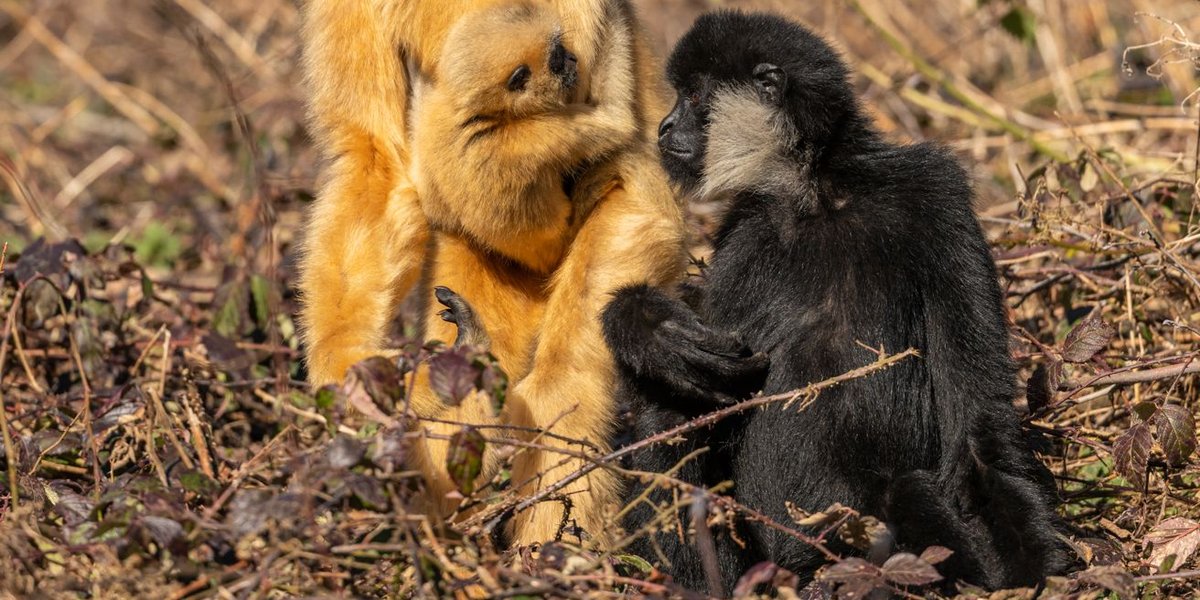
Tonkin snub-nosed monkeys (Rhinopithecus avunculus) are mostly leaf-eaters. Their diet is built on young leaves and leaf stems from evergreen trees, vines and bamboo, with fruit, flowers and seeds filling the gaps. They don’t hunt, and insects are at most an accident. About 31 food species from 21 plant families have been recorded since 2004.
Table of Contents
- The short answer
- Diet breakdown by food type
- Named food plants
- How a leaf-eating monkey digests its food
- Seasonal shifts and feeding behavior
- How it compares with other snub-nosed monkeys
- Why the diet matters for conservation
- FAQ
The short answer
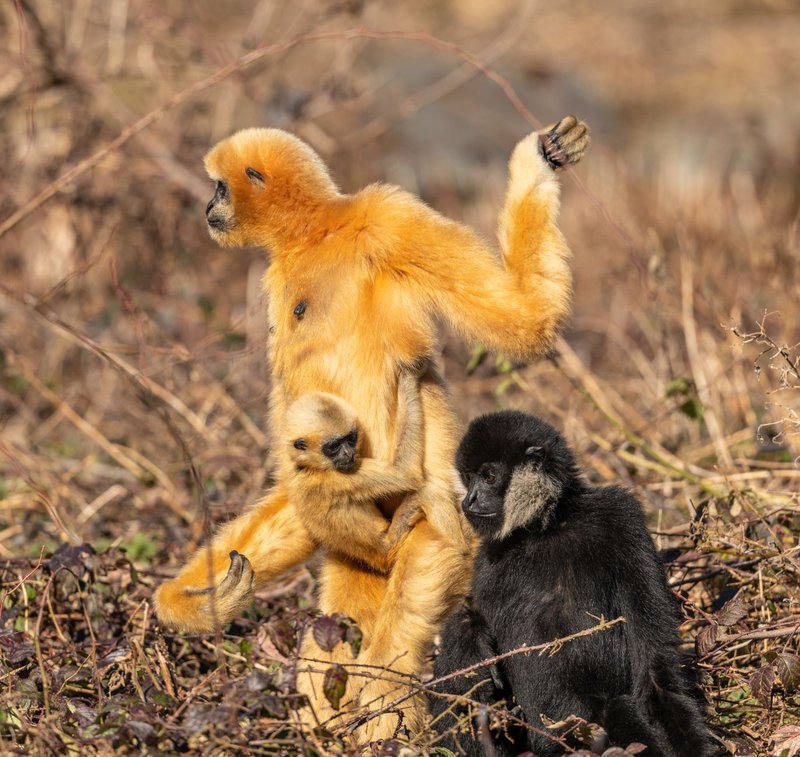
The Tonkin snub-nosed monkey eats leaves. That’s the core of it: a largely folivorous diet of leaves from bamboo and evergreen trees, supplemented by fruit, flowers and seeds. Fewer than 200 of these monkeys survive in the limestone forests of northern Vietnam, so every detail of what they eat counts for something.
Most profiles boil this down to one line: “leaves, fruits, flowers, seeds.” True, but it hides the useful part. The proportions matter, and so do the specific plants.
Diet breakdown by food type
The best numbers come from a Vietnamese field study of feeding records, published in the Vietnam Journal of Biotechnology. The sample is small, so read the figures as a pattern, not a precise ledger. Still, the pattern is clear.
| Food type | Share of feeding records |
|---|---|
| Leaf stems | 27.78% |
| Ripe fruit | 27.78% |
| Unripe fruit | 22.22% |
| Young leaves | 11.11% |
| Flowers | 8.33% |
| Seeds | 2.78% |
Two things stand out. First, fruit is not a side dish. Ripe and unripe fruit together make up half of the recorded feeding, more than most people expect from a species labeled a leaf-eater. Second, the monkeys eat a lot of leaf stems (the petioles), not just the blades. Stems are tougher and lower in the sugars monkeys crave, so eating them says something about how limited the menu can get.
Unripe fruit is the odd entry. Most primates avoid it. Snub-nosed monkeys have the gut for it, which is the next section.
Named food plants
Researchers have logged 31 food species from 21 plant families since 2004. A few show up again and again:
- Iodes seguini, a climbing vine
- Garcinia fagraeoides, an evergreen tree in the mangosteen family
- Acer tonkinensis, a maple
- Excentrodendron tonkinensis, a tree in the mallow family
- Brassaiopsis stellata, a shrub or small tree with large lobed leaves
Notice what’s missing from that list: a bamboo-heavy menu. Bamboo is often named in profiles of snub-nosed monkeys, and the Tonkin species does eat it, but the best-documented food plants are broadleaf trees, vines and shrubs. Bamboo is one item on the menu, not the whole menu.
How a leaf-eating monkey digests its food
Leaves are hard fuel. They’re packed with cellulose, and no mammal makes the enzymes to break it down. The Tonkin snub-nosed monkey solves this the way cows do, with help from microbes.
Its stomach has multiple chambers. Bacteria in the foregut ferment plant fiber before it reaches the rest of the digestive tract, turning cellulose into fatty acids the monkey can absorb. This is called foregut fermentation, and it’s rare among primates. It’s the same trick that lets colobine monkeys and their relatives live on foliage other primates can’t use. The Animal Diversity Web at the University of Michigan describes the species as a leaf-eater with a specialized stomach for exactly this reason.
Fermentation also explains the unripe fruit. Bacteria can neutralize some of the compounds that make green fruit toxic or bitter to other animals. Another primate would get sick. This one gets a meal.
The other adaptation is mechanical. Strong jaws and molars with high, sharp ridges shear through tough leaves and stems. Chewing is slow work.
Seasonal shifts and feeding behavior
The forest doesn’t produce the same food all year, and the monkeys adjust. When young leaves flush in the wet season, they eat more of them. When fruit ripens, fruit takes a bigger share. In lean months, they fall back on leaf stems, mature leaves, seeds and whatever else is available. This flexibility is the reason a folivore can survive in a patch of forest where fruit and flowers come and go.
How they feed is just as revealing. The monkeys move through the canopy in groups, foraging in the middle and upper layers of the trees. Groups tend to split and merge as food availability changes. Because leaf-based diets are low in energy, they spend a large part of the day feeding and resting so their gut has time to ferment what they’ve eaten. Fast digestion isn’t an option for an animal that relies on bacteria.
How it compares with other snub-nosed monkeys
All snub-nosed monkeys (genus Rhinopithecus) are folivores, but each species shifts the balance to fit its habitat. The Chinese species, such as the golden snub-nosed monkey, live in colder, higher forests and lean on lichens and bark during winter. The Tonkin species lives in warmer, subtropical limestone forest where evergreen leaves and fruit are available in more months.
The consequence is different risk. A species that can eat lichen and bark in a snowy winter has a fallback. The Tonkin snub-nosed monkey depends on a narrow set of forest plants in a small area, which makes it less forgiving of habitat loss.
Why the diet matters for conservation
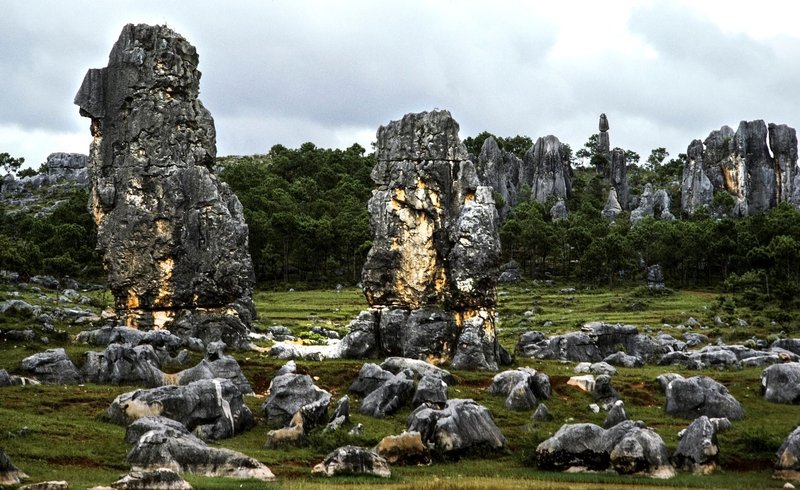
Roughly 200 Tonkin snub-nosed monkeys remain, restricted to Vietnam’s Ha Giang and Tuyen Quang provinces. The IUCN Red List classifies the species as Critically Endangered. Logging, hunting and land clearing have shrunk and split the forest they depend on.
Here’s where diet becomes a conservation issue. A monkey that eats 31 recorded plant species from a small patch of forest can’t just move elsewhere when trees are cut. Every fruit tree and every vine lost is one fewer item on an already short menu. Fragmented forest also splits groups apart, cutting off access to food that fruits in different places at different times.
Protecting the Tonkin snub-nosed monkey means protecting the specific plants on its menu. Reserves in Ha Giang and Tuyen Quang are built around this idea: keep the food trees standing, and the monkeys have a chance.
FAQ
Do Tonkin snub-nosed monkeys eat insects?
Not as a regular food. The species is classed as a folivore, and its stomach is built for plant matter. Insects on leaves or fruit may be swallowed by accident, but they aren’t part of the documented diet.
Do Tonkin snub-nosed monkeys eat bamboo?
Yes, but it isn’t the main item. Bamboo leaves are eaten alongside a wider range of broadleaf trees, vines and shrubs. The best-documented food plants are species like Garcinia fagraeoides and Acer tonkinensis, not bamboo.
What do Tonkin snub-nosed monkeys eat in captivity?
Captive diets are built to mimic the wild menu: fresh leaves as the base, with fruit and vegetables added. Very few Tonkin snub-nosed monkeys have survived in captivity, partly because it’s hard to supply the volume and variety of fresh foliage a leaf-eater needs.
How many plant species do they eat?
Researchers have recorded 31 food species from 21 plant families since 2004. The real number is probably higher, since the monkeys are shy, live in steep terrain and are hard to observe.