China’s landscapes stretch from temperate forests and high plateaus to coastal wetlands, supporting a surprising range of wildlife and many conservation challenges. Protecting species here means understanding habitats that vary by region, season and human impact.
There are 35 Rare Animals in China, ranging from Amur Tiger to Yellow-breasted Bunting, showing both large predators and tiny migratory birds on the same list. For each entry you’ll find below the fields organized as Scientific name,IUCN status,Range / habitat so you can scan taxonomy, threat level and where they live.
Where in China are most of these rare animals found?
Many are concentrated in biodiversity hotspots: temperate forests in the northeast and southwest mountain ranges (including Sichuan and Yunnan), coastal wetlands used by migrants, and isolated river valleys — habitat loss and fragmentation are common threats across these regions.
How can readers use this list to help conservation efforts?
Use the list to learn which species occur near you, check their IUCN status, and support local conservation groups or habitat protection initiatives; even sharing accurate information and reporting sightings to citizen-science projects can make a measurable difference.
Rare Animals in China
| Name | Scientific name | IUCN status | Range / habitat |
|---|---|---|---|
| Giant Panda | Ailuropoda melanoleuca | VU | Sichuan, Shaanxi, Gansu; high-altitude bamboo forests |
| Red Panda | Ailurus fulgens | EN | Sichuan, Yunnan, Tibet; Himalayan temperate forests |
| Hainan Gibbon | Nomascus hainanus | CR | Hainan Island; tropical rainforest |
| South China Tiger | Panthera tigris amoyensis | CR (PEW) | Formerly southern China; dense forests |
| Amur Tiger | Panthera tigris altaica | EN | Northeast China (Heilongjiang, Jilin); temperate forests |
| Snow Leopard | Panthera uncia | VU | Western China (Tibetan Plateau); high-altitude mountains |
| Golden Snub-nosed Monkey | Rhinopithecus roxellana | EN | Central China (Sichuan, Hubei); high-altitude temperate forests |
| White-headed Langur | Trachypithecus leucocephalus | CR | Guangxi province; karst limestone cliffs |
| Yangtze Finless Porpoise | Neophocaena asiaeorientalis asiaeorientalis | CR | Yangtze River and connected lakes |
| Chinese Giant Salamander | Andrias davidianus | CR | Central and southern China; mountain streams |
| Chinese Alligator | Alligator sinensis | CR | Anhui province; Yangtze River basin wetlands |
| Crested Ibis | Nipponia nippon | EN | Shaanxi province; wetlands and rice paddies |
| Chinese Crested Tern | Thalasseus bernsteini | CR | Coastal islands (Shandong, Fujian); marine coast |
| Siberian Crane | Leucogeranus leucogeranus | CR | Poyang Lake (wintering); wetlands |
| Przewalski’s Horse | Equus ferus przewalskii | EN | Xinjiang, Gansu; semi-desert grasslands (reintroduced) |
| Ili Pika | Ochotona iliensis | EN | Xinjiang (Tianshan Mountains); high-altitude rock faces |
| Père David’s Deer | Elaphurus davidianus | EW | Reintroduced to reserves (Beijing, Jiangsu); marshlands |
| Chinese Sturgeon | Acipenser sinensis | CR | Yangtze River; anadromous marine/freshwater |
| Yangtze Giant Softshell Turtle | Rafetus swinhoei | CR (PEW) | Formerly Yangtze and Red Rivers; freshwater |
| Black Snub-nosed Monkey | Rhinopithecus bieti | EN | Yunnan, Tibet; high-altitude coniferous forests |
| Dhole | Cuon alpinus | EN | Western and southern China; forests and grasslands |
| Scaly-sided Merganser | Mergus squamatus | EN | Northeast China (breeding); rivers and lakes |
| Spoon-billed Sandpiper | Calidris pygmaea | CR | Jiangsu coast (stopover); coastal mudflats |
| Yellow-breasted Bunting | Emberiza aureola | CR | Northeast China (breeding); farmland, scrub |
| Mangshan Pit Viper | Protobothrops mangshanensis | EN | Hunan, Guangdong; montane forests |
| Golden Coin Turtle | Cuora trifasciata | CR | Southern China (Guangdong, Guangxi); streams |
| Takin | Budorcas taxicolor | VU | Sichuan, Yunnan, Tibet; mountain forests and alpine meadows |
| White-lipped Deer | Cervus albirostris | VU | Tibetan Plateau; high-altitude grasslands and forests |
| Francois’ Langur | Trachypithecus francoisi | EN | Guangxi, Guizhou; karst limestone forests |
| Baer’s Pochard | Aythya baeri | CR | Northeast China (breeding); freshwater lakes |
| Chinese Paddlefish | Psephurus gladius | EX | Yangtze River; large rivers |
| Gobi Bear | Ursus arctos gobiensis | CR | Gobi Desert (China/Mongolia border); arid desert |
| Gray Snub-nosed Monkey | Rhinopithecus brelichi | CR | Guizhou (Fanjingshan); subtropical evergreen forests |
| Red-crowned Crane | Grus japonensis | EN | Northeast China (breeding); coastal wetlands |
| Indochinese Tiger | Panthera tigris corbetti | EN | Yunnan province; tropical and subtropical forests |
Images and Descriptions
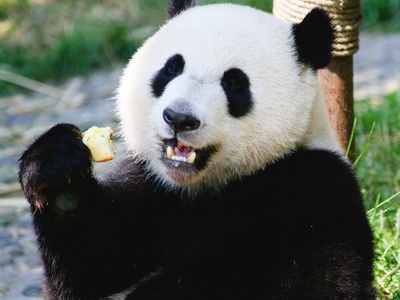
Giant Panda
China’s most famous animal, a global conservation icon. Its status improved from Endangered to Vulnerable thanks to massive conservation efforts, but habitat fragmentation remains a serious threat to its small, isolated populations.
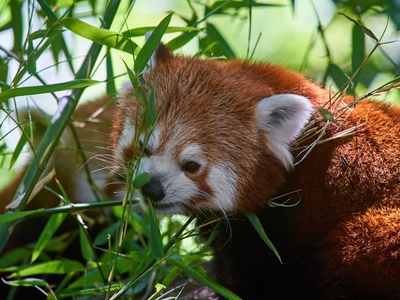
Red Panda
This charismatic, cat-sized mammal is not a bear but is related to raccoons. It is threatened by habitat loss and poaching, with its wild population estimated to have declined by 50% over the last two decades.

Hainan Gibbon
Considered the world’s rarest primate, with a single population of only about 35 individuals. This critically endangered ape is confined to one small patch of forest on Hainan Island, making it extremely vulnerable.
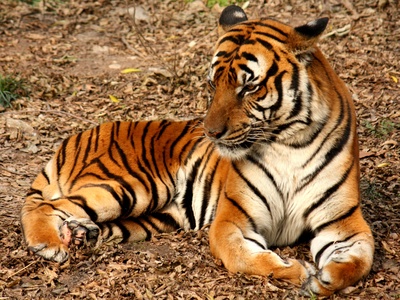
South China Tiger
Functionally extinct in the wild, this tiger subspecies has not been seen for decades. A few individuals exist in captivity, making it one of the most critically endangered animals and a tragic symbol of habitat loss.
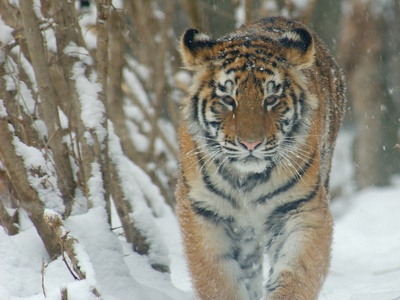
Amur Tiger
The world’s largest cat, making a tentative comeback in China’s northeast. Conservation efforts, including creating vast national parks, are helping protect the small population from poaching and habitat loss.
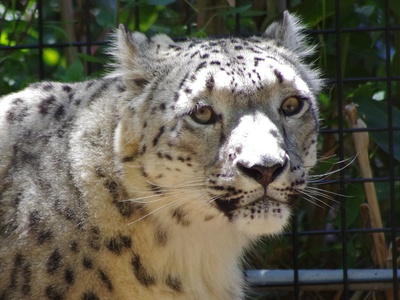
Snow Leopard
Known as the “ghost of the mountains” for its elusive nature. China hosts over 60% of the world’s snow leopard population, which is threatened by human-wildlife conflict and a declining prey base.
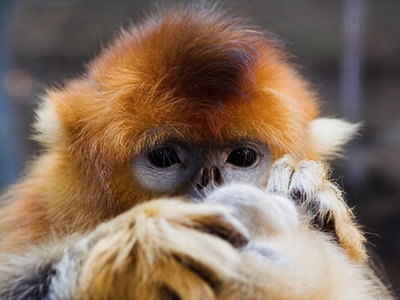
Golden Snub-nosed Monkey
Famous for its brilliant golden fur and blue face, this monkey is adapted to snowy mountain forests. Habitat loss and fragmentation are major threats, confining populations to isolated mountain ranges.
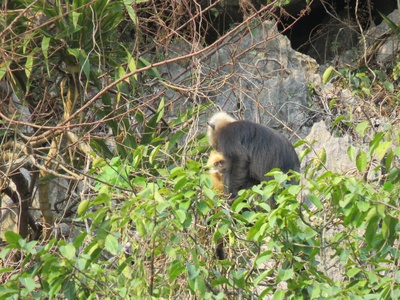
White-headed Langur
One of the world’s 25 most endangered primates, with only around 1,300 left. This striking monkey lives on sheer limestone cliffs, a habitat that offers protection but is extremely limited and fragile.

Yangtze Finless Porpoise
Known as the “smiling angel,” this is one of the world’s few freshwater cetaceans. Its population has plummeted due to dam construction, shipping traffic, and pollution, with fewer than 1,000 individuals remaining.
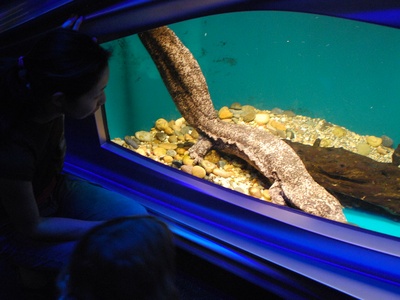
Chinese Giant Salamander
The world’s largest amphibian, growing up to 1.8 meters long. This “living fossil” is critically endangered due to overharvesting for the luxury food market, habitat destruction, and pollution.
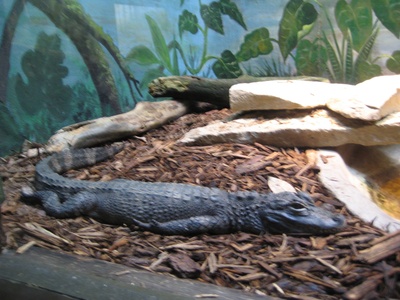
Chinese Alligator
One of only two alligator species in the world. It is critically endangered in the wild, with only a few hundred remaining due to extreme habitat loss as wetlands were converted to agriculture.
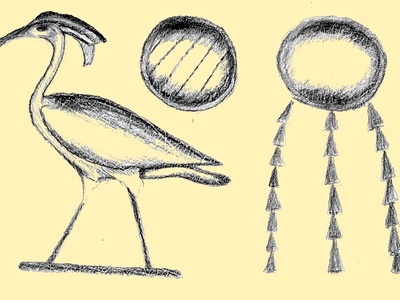
Crested Ibis
Once thought extinct, this beautiful bird was rediscovered in 1981 with just seven individuals. Intensive conservation has brought the population back to over 5,000, making it a celebrated success story.
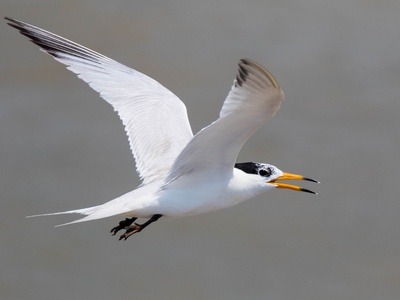
Chinese Crested Tern
One of the world’s rarest seabirds, with a global population of fewer than 100. It was thought to be extinct for over 60 years before being rediscovered in 2000, and is threatened by egg collection and typhoons.
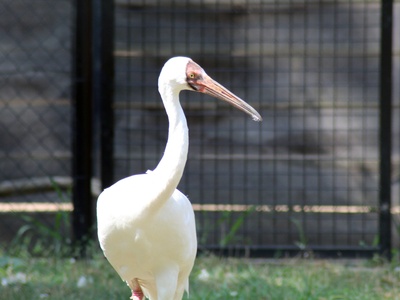
Siberian Crane
This majestic white crane is critically endangered, with over 95% of its population wintering at a single location: Poyang Lake. The lake’s health is threatened by the Three Gorges Dam and local development.

Przewalski’s Horse
The last truly wild horse, which went extinct in the wild in the 1960s. It has since been successfully reintroduced to reserves in China and Mongolia from captive-bred populations, a major conservation victory.
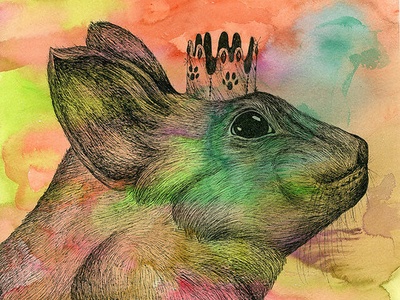
Ili Pika
This small, teddy-bear-like mammal is one of the world’s most elusive and endangered. Living high in the Tianshan Mountains, its population is declining rapidly due to the effects of climate change on its habitat.
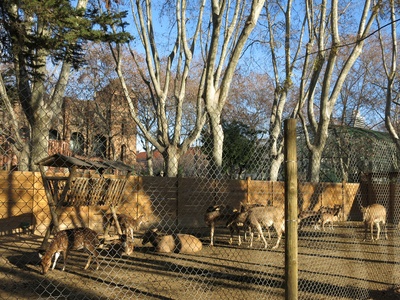
Père David’s Deer
Known as “milu” in Chinese, this deer went extinct in the wild over 1,000 years ago. The global population survived only in European parks and has since been successfully reintroduced back into China.
Chinese Sturgeon
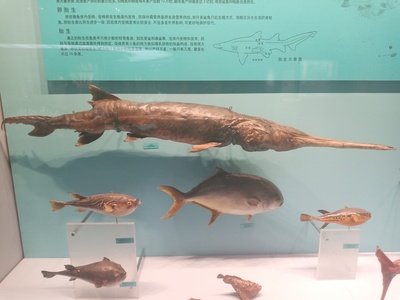
A “living fossil” that can reach 4 meters long, this fish is now on the brink of extinction. Dam construction, especially the Gezhouba Dam, has blocked its critical spawning migration routes up the Yangtze River.

Yangtze Giant Softshell Turtle
The world’s largest freshwater turtle is now functionally extinct. After the last known female died in 2019, only a few individuals, possibly all male, are known to exist, representing a catastrophic loss of biodiversity.
Black Snub-nosed Monkey
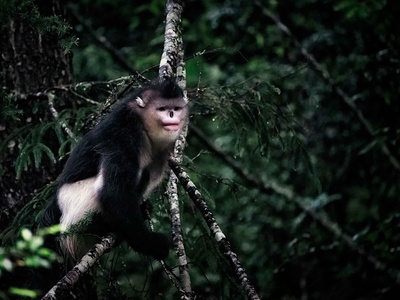
Also known as the Yunnan snub-nosed monkey, this primate lives at higher altitudes than any other non-human primate. It is threatened by habitat loss and fragmentation from logging and agriculture.
Dhole
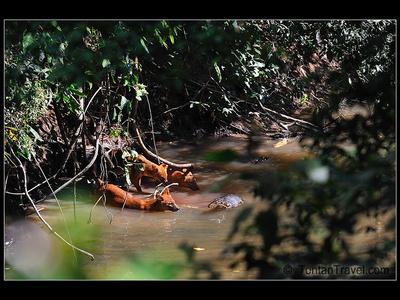
Also called the Asiatic wild dog, this social canid hunts in large packs. Its numbers have plummeted across Asia due to habitat loss, depletion of prey, and persecution, making it rare even in protected areas.
Scaly-sided Merganser
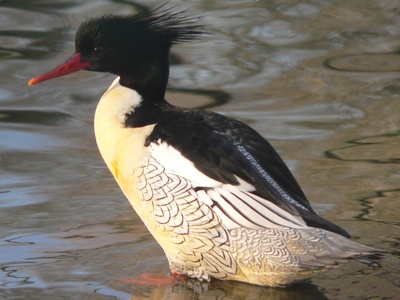
This striking sea duck, with a distinctive shaggy crest, is endangered due to habitat loss in its breeding grounds. Illegal logging and river pollution threaten the pristine forest rivers it needs to nest and raise young.
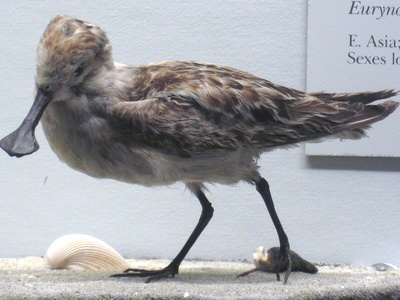
Spoon-billed Sandpiper
One of the most threatened birds on Earth, with a unique spatula-shaped bill. China’s coastal wetlands are a critical stopover for this tiny shorebird on its long migration, but these habitats are rapidly disappearing.

Yellow-breasted Bunting
Once an abundant songbird, its population has collapsed by over 90% since 1980. This catastrophic decline is primarily due to illegal mass trapping for food, particularly in southern China.
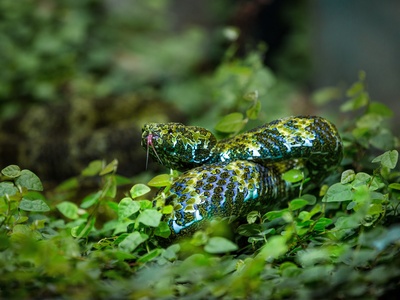
Mangshan Pit Viper
A large, spectacular pit viper discovered in 1990, known for its green and black pattern and a white-tipped tail. Its tiny range and illegal collection for the pet trade make it highly vulnerable.
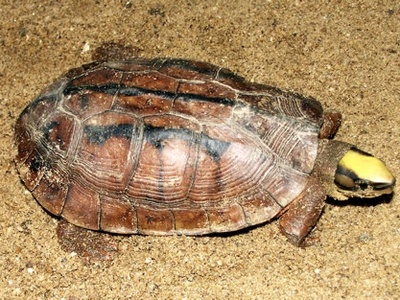
Golden Coin Turtle
Also known as the Chinese three-striped box turtle, it is one of the most endangered turtles in the world. It has been hunted to near-extinction due to its immense value in traditional medicine and the pet trade.
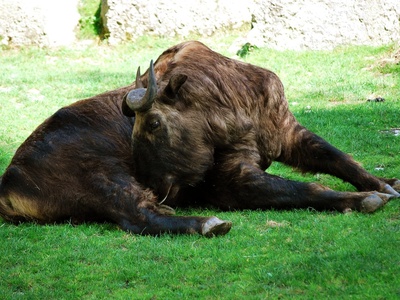
Takin
This large, muscular “goat-antelope” is a national treasure. While not critically rare, its populations are vulnerable to habitat loss, poaching, and disturbances, requiring careful management within protected areas.

White-lipped Deer
Also called Thorold’s deer, it is uniquely adapted to the harsh, high-altitude environment of the Tibetan Plateau. Habitat degradation from overgrazing and competition with livestock are its primary threats.
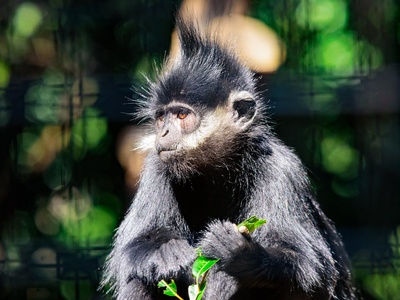
Francois’ Langur
This striking black monkey with white “sideburns” lives in tight-knit family groups on limestone cliffs. It is endangered due to habitat loss and a long history of being hunted for traditional medicine.
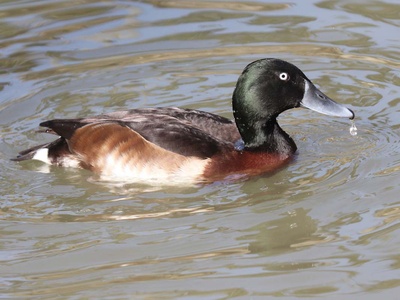
Baer’s Pochard
This diving duck has suffered a devastatingly rapid population decline, making it one of the most threatened birds in Asia. The reasons are not fully understood but are linked to wetland destruction across its range.
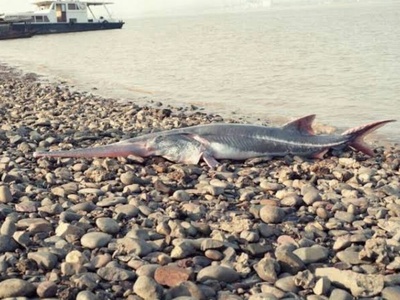
Chinese Paddlefish
Officially declared extinct in 2020, this giant fish was one of the world’s largest, reaching up to 7 meters. Its demise, caused by overfishing and dams like the Gezhouba, is a powerful symbol of the Yangtze’s ecological crisis.
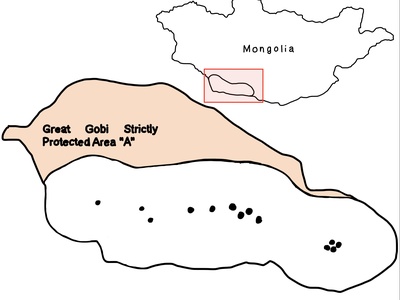
Gobi Bear
A critically endangered subspecies of the brown bear, uniquely adapted to the harsh Gobi desert. With only a few dozen individuals left, it is one of the rarest bears in the world, threatened by mining and habitat degradation.

Gray Snub-nosed Monkey
The most endangered and range-restricted of China’s snub-nosed monkeys, with only about 750 individuals. This entire population is confined to the Fanjingshan National Nature Reserve, making it extremely vulnerable.
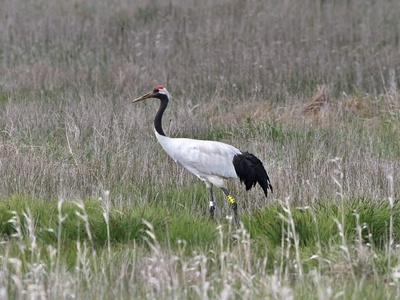
Red-crowned Crane
A symbol of luck and longevity in East Asia, this elegant crane is endangered by the loss and degradation of its wetland habitats. Coastal development in its wintering grounds poses a severe threat.
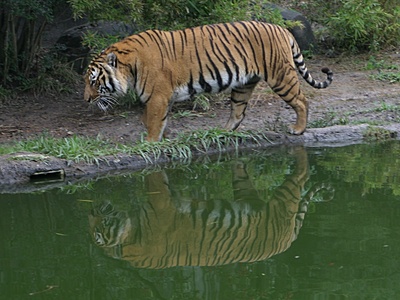
Indochinese Tiger
This tiger subspecies is on the verge of extinction in China, with perhaps only a handful of individuals remaining in Yunnan. Poaching and severe prey depletion have all but wiped out its population in the country.