Venezuela’s landscapes—from coastal islands and mangroves to the Llanos and Amazon basin—are rich in native biodiversity but increasingly exposed to non-native plants and animals. Trade, travel and changing land use have opened pathways that let some species establish and spread, creating new management challenges for conservation and public health.
There are 15 Invasive Species in Venezuela, ranging from Africanized honey bee to Yellow fever / dengue mosquito. For each entry you’ll find below the data organized as: Scientific name, Range (Venezuelan regions), Introduction pathway (max 15 words). The table highlights where each species occurs and the most likely route of arrival so you can quickly see priorities and next steps you’ll find below.
How do invasive species affect Venezuelan ecosystems and people?
Invasive species can outcompete native plants and animals, change habitat structure, reduce biodiversity and harm agriculture; some, like mosquito vectors, also pose direct human-health risks. Impacts vary by species and region, so targeted monitoring and rapid response are essential to limit long-term ecological and economic damage.
What practical actions can communities and authorities take to slow their spread?
Prioritize early detection and reporting, reduce transport pathways (clean equipment, regulate trade), remove or control established populations, eliminate mosquito breeding sites, and support coordinated regional monitoring and public education to reduce introductions and spread.
Invasive Species in Venezuela
| Name | Scientific name | Range (Venezuelan regions) | Introduction pathway (max 15 words) |
|---|---|---|---|
| Lionfish | Pterois volitans | Caribbean coast,Margarita | Aquarium trade, accidental release |
| Nile tilapia | Oreochromis niloticus | Llanos,Orinoco,Caribbean coast | Aquaculture escapes, stocking for fisheries |
| Mozambique tilapia | Oreochromis mossambicus | Llanos,Orinoco,Caribbean coast | Aquaculture escapes, stocking for fisheries |
| Giant African snail | Achatina fulica | Caribbean coast,Andes,Llanos | Horticulture, accidental pet trade release |
| Yellow fever / dengue mosquito | Aedes aegypti | Countrywide (urban, coastal regions) | Global trade, human movement |
| Asian tiger mosquito | Aedes albopictus | Caribbean coast,urban north regions | Tire trade, ornamental plant trade |
| Black rat | Rattus rattus | Countrywide,ports,urban areas | Shipping, stowaways on trade vessels |
| Norway rat | Rattus norvegicus | Countrywide,ports,urban areas | Shipping, sewer systems |
| House mouse | Mus musculus | Countrywide,urban and rural | Shipping, commensal with humans |
| Feral cat | Felis catus (feral) | Countrywide,Coastal islands | Pet abandonment, roaming pets |
| Feral dog | Canis familiaris (feral) | Countrywide,rural and urban | Abandonment, roaming pets |
| Africanized honey bee | Apis mellifera (Africanized) | Countrywide,coastal and inland | Beekeeping introductions, swarming |
| Red-eared slider | Trachemys scripta elegans | Caribbean coast,urban ponds,Margarita | Pet trade releases |
| Asian house gecko | Hemidactylus mabouia | Caribbean coast,urban areas | Stowaways in trade, pet introductions |
| Feral goat | Capra hircus (feral) | Margarita,Caribbean islands,coastal hills | Livestock escape, historical introductions |
Images and Descriptions
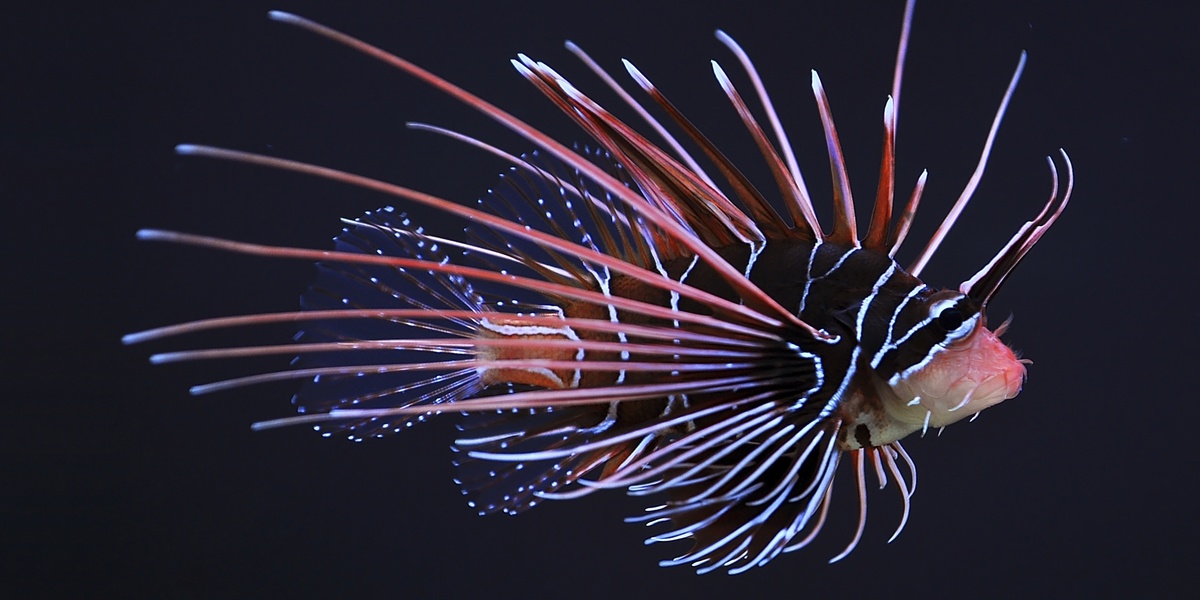
Lionfish
A striking predatory reef fish established along Venezuela’s Caribbean coast and islands; it preys on native reef fish, reduces biodiversity and fisheries; local dives and targeted removals are used, but population control remains difficult and ongoing.
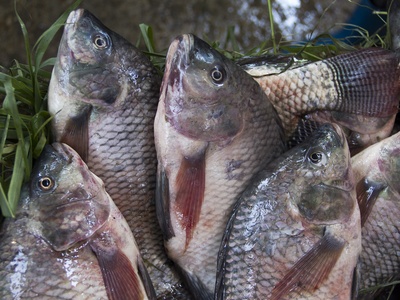
Nile tilapia
Widely established in reservoirs and rivers, Nile tilapia competes with and hybridizes native fish, altering ecosystems and local fisheries; management focuses on harvest, biosecurity at farms and preventing further stocking, but eradication is impractical.
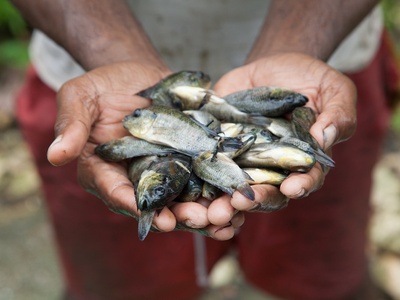
Mozambique tilapia
Present in lowland freshwater systems, this tilapia outcompetes native species and changes habitats; control is similar to Nile tilapia—fish removals and farm containment—with long-term impacts on native fish communities.
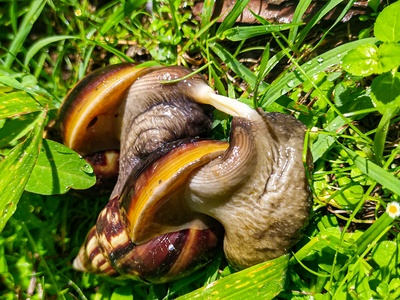
Giant African snail
Large land snail established in urban and agricultural zones; it damages crops, gardens and can carry parasites harmful to humans; control relies on manual collection, molluscicides and public education to limit spread.
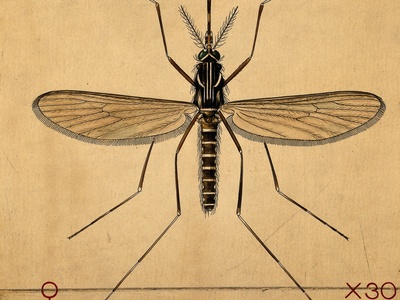
Yellow fever / dengue mosquito
A highly invasive mosquito widespread in Venezuelan towns, A. aegypti transmits dengue, Zika and chikungunya; vector control (source reduction, insecticides, community programs) is routine but outbreaks continue to occur.
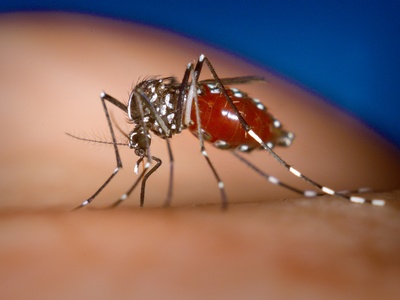
Asian tiger mosquito
Established in parts of northern Venezuela, this aggressive day-biting species spreads viruses and competes with native mosquitoes; control uses habitat elimination, surveillance and public health measures.
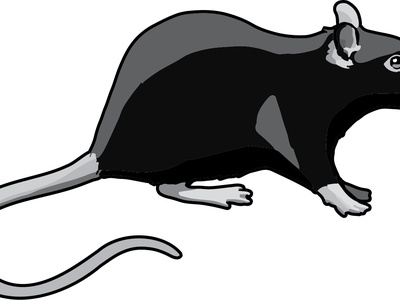
Black rat
Common around ports and cities, black rats damage crops, stored food and native fauna through predation and disease transmission; standard rodent control (baiting, sanitation) is used to reduce impacts.
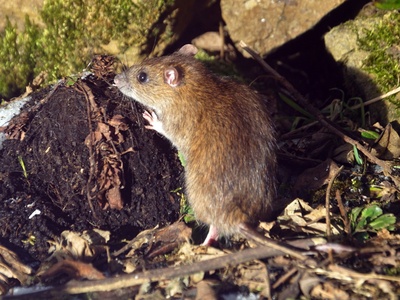
Norway rat
Widespread commensal rodent in urban and rural settings; causes agricultural losses, spreads zoonoses and competes with native species; control depends on integrated pest management and improved waste management.
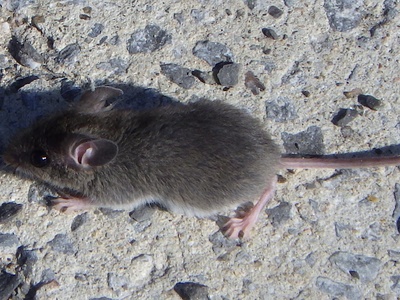
House mouse
Established in buildings and farms across Venezuela, mice damage stored food, transmit pathogens, and are resistant to eradication without persistent sanitation and control campaigns.
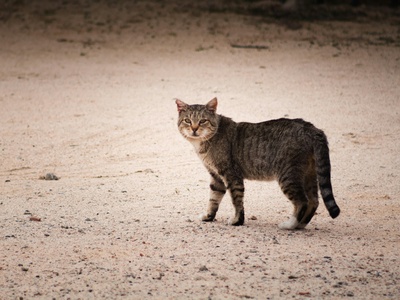
Feral cat
Free-roaming cats are widespread and prey on birds, reptiles and small mammals, threatening native wildlife; management options include trap-neuter-release, removal in sensitive areas and public education on responsible pet ownership.
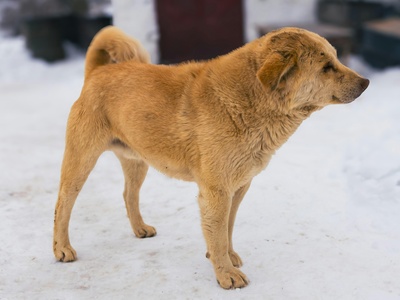
Feral dog
Large feral dog populations impact wildlife through predation and disease transmission, and pose public-safety concerns; control combines vaccination, sterilization, sheltering programs and humane population management.
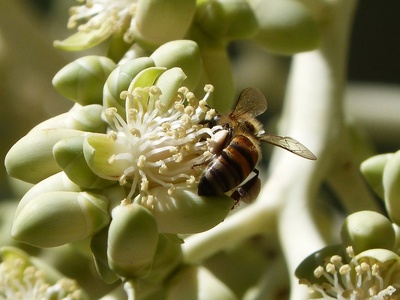
Africanized honey bee
Hybrid Africanized bees are widespread and more defensive than European strains, affecting beekeeping, livestock and people; management includes protective practices, hive management and public safety measures.
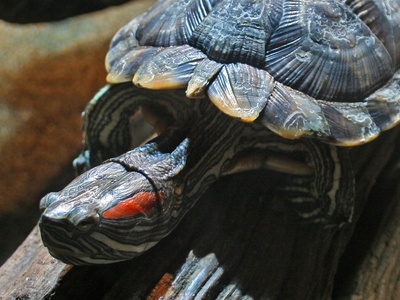
Red-eared slider
Released pet turtles have established in ponds and waterways, competing with native turtles and altering food webs; prevention focuses on pet surrender programs and removal from sensitive habitats.
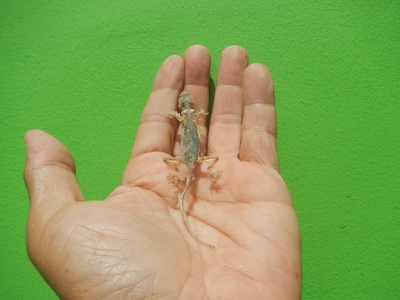
Asian house gecko
Common on buildings in coastal cities, this invasive gecko competes with native lizards and can alter insect communities; control is difficult, relying on habitat modification and exclusion in sensitive sites.

Feral goat
Feral goats on islands like Margarita overgraze native vegetation, drive erosion and threaten endemic plants; control includes fencing, targeted removal and coordinated eradication on small islands.