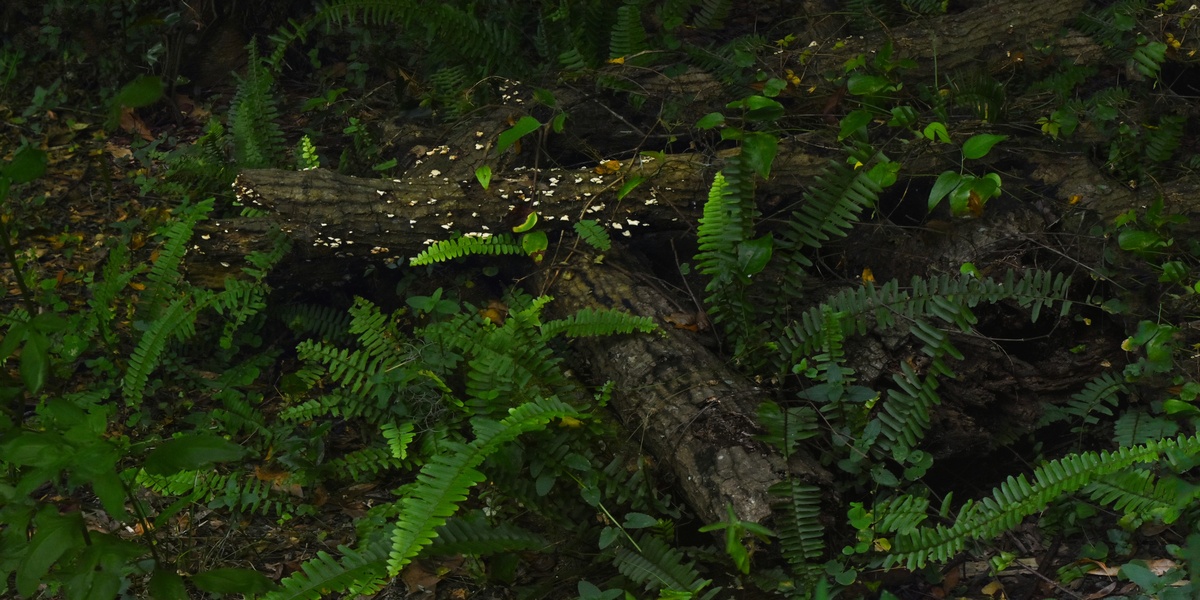
Azerbaijan sits where the Caucasus meets the Caspian Sea, a country of mountains, lowland steppes, coastal wetlands and forested valleys. That diversity creates habitats for species with narrow ranges and varying conservation concerns, shaped by fishing pressure, land use change and changing water regimes.
There are 20 Rare Animals in Azerbaijan, ranging from Beluga sturgeon to Wild boar (vulnerable local populations). For each species you’ll find below entries organized by Scientific name,IUCN status,Range & habitat so you can see where they live and how threatened they are — you’ll find below.
How were these species chosen for the list?
The list is based on national and international assessments: species that appear on Azerbaijan’s conservation lists or the IUCN Red List, plus taxa known to have restricted ranges, significant declines, or specific habitat needs; chosen examples aim to reflect freshwater, coastal and terrestrial threats.
Can visitors expect to see these animals in the wild, and where are the best places to try?
Some species are elusive or locally rare—Beluga sturgeon populations are now scarce in the Caspian, while Wild boar occur but with vulnerable local populations—so sightings aren’t guaranteed; visiting protected areas, wetlands and managed reserves with local guides gives the best chance and helps avoid disturbing sensitive populations.
Rare Animals in Azerbaijan
| Name | Scientific name | IUCN status | Range & habitat |
|---|---|---|---|
| Persian leopard | Panthera pardus tulliana | Vulnerable (regional: Critically Endangered) | Greater Caucasus, Talysh and Hirkan mountain-forests |
| Caspian seal | Pusa caspica | Endangered | Caspian Sea coastlines and haul-outs from Absheron northwards |
| Bezoar ibex (Wild goat) | Capra aegagrus | Vulnerable | Zangezur, Nakhchivan, Talysh and other rocky mountain ranges |
| East Caucasian tur | Capra cylindricornis | Near Threatened | High alpine slopes of the Greater Caucasus (Gusar, Shahdag) |
| Wild boar (vulnerable local populations) | Sus scrofa | Azerbaijan Red Book (population concerns) | Forests and lowland wetlands, Hirkan and Kura-Araz floodplains |
| Imperial eagle | Aquila heliaca | Vulnerable | Steppe, agricultural mosaics and river valleys (Shirvan, Kura-Araz) |
| Egyptian vulture | Neophron percnopterus | Endangered | Open hills, foothills and farmland across lowlands |
| Saker falcon | Falco cherrug | Endangered | Open steppe and semi-desert, Absheron and Shirvan regions |
| White-headed duck | Oxyura leucocephala | Endangered | Shallow freshwater lakes and reedbeds—Kura-Araz wetlands, coastal lagoons |
| Pygmy cormorant | Microcarbo pygmeus | Near Threatened | Freshwater wetlands, deltas and reservoirs (Kura-Araz, Mingachevir) |
| Dalmatian pelican | Pelecanus crispus | Near Threatened | Coastal lagoons, large reservoirs and wetlands (Kura-Araz) |
| Eurasian otter | Lutra lutra | Near Threatened | Rivers, wetlands and coastal zones—Kura, Lenkoran lowlands |
| Beluga sturgeon | Huso huso | Critically Endangered | Caspian Sea and Kura River spawning reaches |
| Russian sturgeon | Acipenser gueldenstaedtii | Critically Endangered | Brackish Caspian coastal waters and Kura delta rivers |
| Stellate sturgeon | Acipenser stellatus | Critically Endangered | Caspian coastal shallows and river mouths |
| Persian sturgeon | Acipenser persicus | Critically Endangered | Southern Caspian and Kura basin spawning grounds |
| Red-breasted goose | Branta ruficollis | Vulnerable | Wintering flocks on Caspian coastal wetlands and salt lakes |
| Great bustard | Otis tarda | Vulnerable | Open steppe and agricultural lowlands (historical Kura-Araz areas) |
| Cinereous vulture | Aegypius monachus | Near Threatened | Mountain woodlands and gorges (Zangezur, Greater Caucasus foothills) |
| Caucasian salamander | Mertensiella caucasica | Azerbaijan Red Book (localized rarity) | Hirkan and Lankaran moist forests and streams |
Images and Descriptions
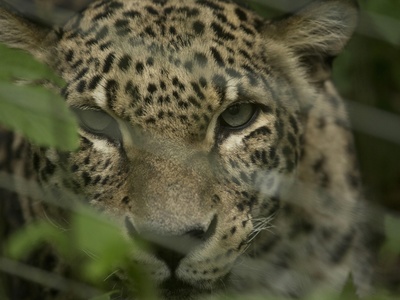
Persian leopard
A very rare top predator surviving in remote mountains; threats are poaching, prey loss and fragmentation. Look for signs and camera-trap records in Shahdag, Zuvand and Talysh protected areas, best seen by guided tracking tours.
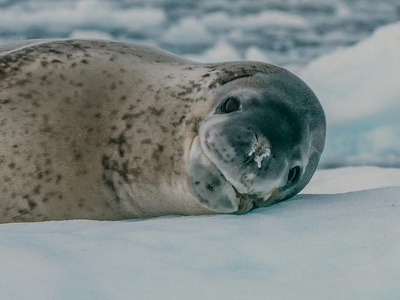
Caspian seal
Endemic to the Caspian, populations have plunged from hunting, bycatch and pollution. Visit protected sections of the Absheron peninsula and northern coasts in winter for occasional haul-out sightings; a specialist boat or NGO trip improves chances.
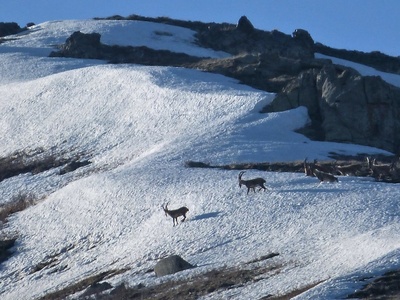
Bezoar ibex (Wild goat)
A rugged mountain goat now scattered and locally depleted by hunting and habitat pressure. Search rocky ridges of Zangezur and Talysh; best observed at dawn in protected reserves or managed hunting concessions.
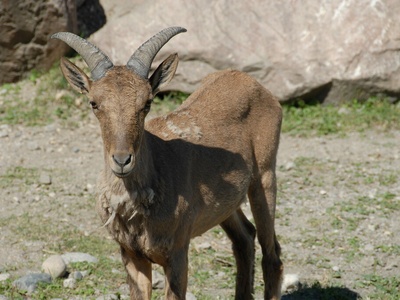
East Caucasian tur
A rare cliff-dwelling caprid threatened by hunting and competition with livestock. Find small groups on steep limestone slopes in Shahdag and nearby ridges; local guides and park rangers tip you to reliable viewing spots.
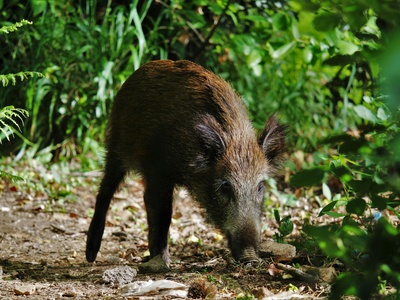
Wild boar (vulnerable local populations)
Locally reduced in parts of Azerbaijan from hunting and habitat change; look for tracks and rooting in Hirkan forests and wetlands near dawn or dusk, best with ranger-led walks.
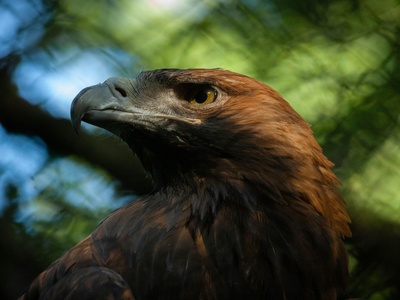
Imperial eagle
A globally threatened large eagle facing poisoning, power-line collisions and habitat loss. Scan old trees and high pylons near Shirvan and Kura-Araz wetlands during breeding season for nesting pairs.
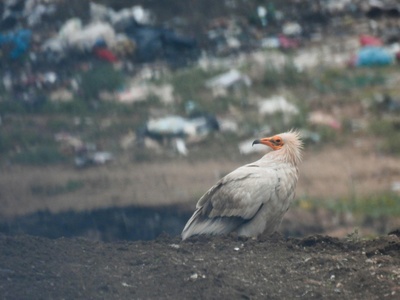
Egyptian vulture
Small and declining due to poisoning, loss of food sources and disturbance. Look near livestock carcass sites, quarries and cliff nesting areas; recorded across Kura-Araz and southern lowlands during migration and breeding.
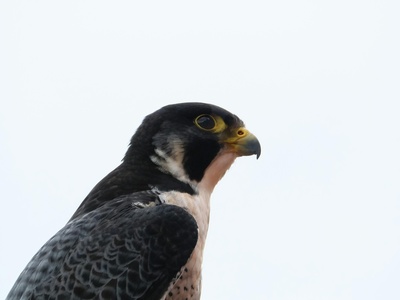
Saker falcon
A large falcon threatened by illegal capture for falconry and habitat loss. Spot perched birds on pylons and cliff edges in steppe areas; migration peaks bring better views on coastal salt flats.
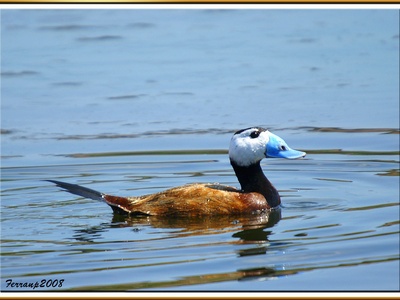
White-headed duck
A stiff-tailed diving duck reduced by hunting and hybridization with feral ducks. Best seen on protected lakes in the Kura-Araz delta during winter; quiet hides and early mornings improve chances.
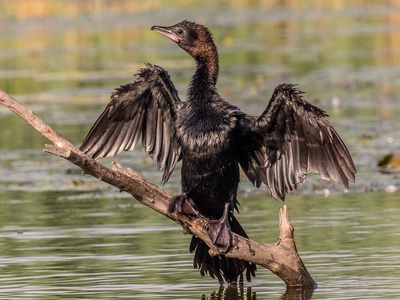
Pygmy cormorant
Small cormorant declining from wetland loss and disturbance. Watch reed-lined river channels and reservoir margins in Kura-Araz and Mingachevir for small flocks drying on branches.
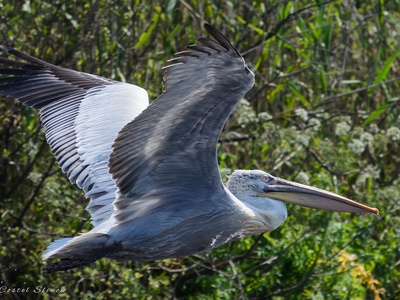
Dalmatian pelican
A huge, rare pelican vulnerable to habitat loss and disturbance. Large flocks gather at undisturbed lagoons and reservoirs; boat or hide-based watches in Kura-Araz wetlands give the best views in migration.
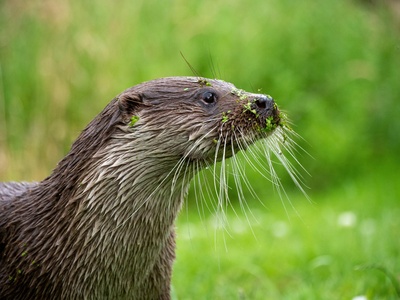
Eurasian otter
Secretive aquatic carnivore reduced by pollution, habitat loss and hunting. Look for spraints and slides on quiet riverbanks in Lenkoran and upper Kura tributaries; dawn and dusk bank watches increase sightings.
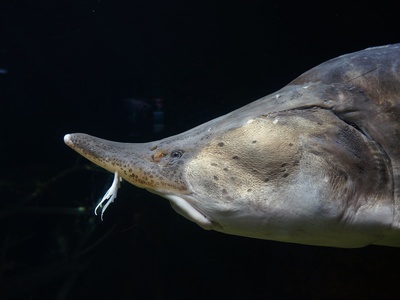
Beluga sturgeon
Iconic giant sturgeon devastated by overfishing, illegal caviar trade and dams blocking spawning routes. Now extremely rare in Azerbaijani waters; conservation patrols and river-protection zones near spawning tributaries are key monitoring sites.
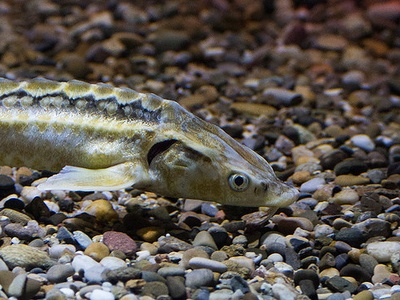
Russian sturgeon
Once common, now collapsed by overfishing, pollution and habitat barriers. Look for conservation-monitoring efforts and protected river stretches; legal fishing controls aim to allow recovery in key rivers.
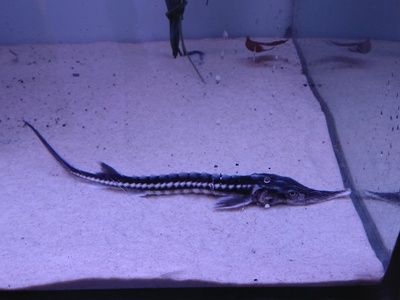
Stellate sturgeon
A medium-sized sturgeon hammered by illegal catch and river infrastructure. Rare in Azerbaijan; sightings primarily from scientific surveys and strict protection zones near river mouths and deltas.
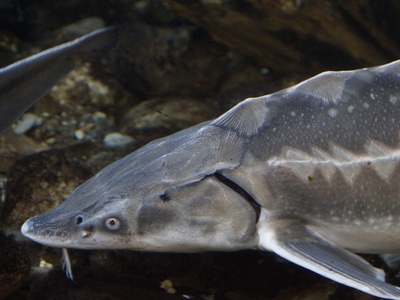
Persian sturgeon
A Caspian endemic under severe pressure from poaching and dams. Conservation projects focus on the Kura delta and tributaries—public sightings are rare, best observed via research reports and regulated monitoring.
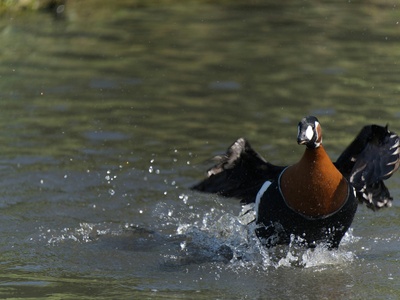
Red-breasted goose
A striking, rare winter visitor threatened by habitat loss and disturbance. Scan coastal roosts and shallow lagoons on the Absheron coast and southern wetlands during winter months for small flocks.
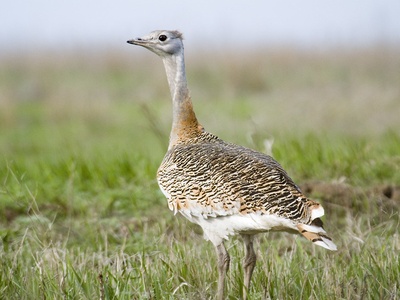
Great bustard
Once widespread, now scarce from hunting and agricultural change. Best chances are in large, undisturbed steppe tracts in the Kura-Araz region; local conservation projects target safe breeding areas.
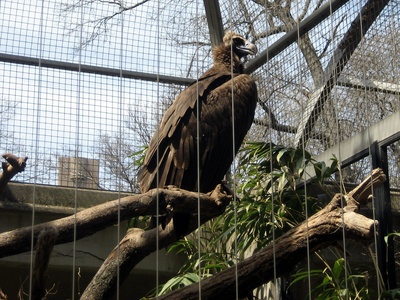
Cinereous vulture
A heavy vulture declining from poisoning and food shortage. Check high cliffs, communal roosts and carrion sites in Zangezur and southern ranges, often seen soaring in thermals in summer.
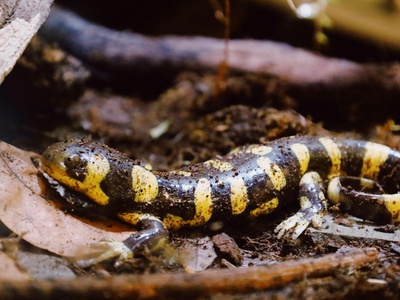
Caucasian salamander
A small, secretive amphibian endemic to Caucasus humid forests, threatened by habitat loss. Search shaded streambanks and leaf litter in Hirkan forests after rains; local expert-led walks help locate populations.