Northern Ireland’s rivers, loughs and coastline support a lot of native wildlife, but non-native arrivals can upset food webs, harm species and even clog infrastructure. Spotting and listing those arrivals helps landowners, conservationists and boaters understand risks and take targeted action.
There are 38 Invasive Species in Northern Ireland, ranging from American mink to Zebra mussel. For each species you’ll find below the fields Scientific name,Category,Where found so you can quickly compare identity, impact type and locations.
How harmful are species like the American mink and Zebra mussel to Northern Ireland’s habitats?
American mink can prey on ground‑nesting birds and small mammals, reducing local populations, while Zebra mussel colonies alter freshwater ecosystems and foul pipes and boat hulls. Impacts vary by species and site, but many invasives reduce biodiversity, change food chains and create economic costs — early detection and control reduce those risks.
How can I report a sighting or help prevent the spread locally?
Take a clear photo, note the location and date, and report sightings to DAERA or your local council (many groups accept citizen reports). Prevent spread by cleaning boats and gear, not releasing non-native pets, and joining local monitoring or control efforts to support coordinated responses.
Invasive Species in Northern Ireland
| Name | Scientific name | Category | Where found |
|---|---|---|---|
| Japanese knotweed | Fallopia japonica | plant | Riversides, roadside verges, urban areas across NI |
| Giant hogweed | Heracleum mantegazzianum | plant | Riverbanks, roadside verges, disturbed ground |
| Himalayan balsam | Impatiens glandulifera | plant | Rivers, wet woodland and canals throughout NI |
| Rhododendron | Rhododendron ponticum | plant | Upland woodlands, forest edges (Mournes, Antrim hills) |
| New Zealand pygmyweed | Crassula helmsii | alga/plant | Ponds, ditches, slow-moving waterways across NI |
| Lagarosiphon | Lagarosiphon major | alga/plant | Loughs, canals and slow rivers (notably larger lakes) |
| Canadian waterweed | Elodea canadensis | plant | Ponds, canals and rivers across NI |
| Parrot’s feather | Myriophyllum aquaticum | plant | Ponds, slow rivers, wetlands around urban and rural NI |
| Floating pennywort | Hydrocotyle ranunculoides | plant | Rivers, lakes, slow-flowing channels in lowland NI |
| Japanese rose | Rosa rugosa | plant | Coastal dunes, beaches and roadside hedges |
| Gunnera (giant rhubarb) | Gunnera tinctoria | plant | Wet coastal grassland and stream margins in parts of NI |
| Seaweed (wireweed) | Sargassum muticum | alga | Rocky coasts, harbours, Strangford Lough and other sheltered bays |
| Pacific oyster | Magallana gigas | invertebrate | Strangford Lough, sheltered coasts and estuaries |
| Zebra mussel | Dreissena polymorpha | invertebrate | Lakes and slow rivers (potentially in larger NI loughs) |
| Pacific slipper limpet | Crepidula fornicata | invertebrate | Coastal mudflats and bays (recorded in Irish Sea areas) |
| Asian shore crab | Hemigrapsus sanguineus | invertebrate | Rocky shorelines and harbours around NI coasts |
| Harlequin ladybird | Harmonia axyridis | invertebrate | Gardens, woodlands and urban areas across NI |
| Signal crayfish | Pacifastacus leniusculus | invertebrate | Rivers, lakes and canals (notably larger waterways) |
| New Zealand mud snail | Potamopyrgus antipodarum | invertebrate | Freshwater habitats, lakes and rivers across NI |
| Grey squirrel | Sciurus carolinensis | mammal | Woodlands, parks and gardens throughout NI counties |
| American mink | Neovison vison | mammal | Rivers, shorelines and wetlands across NI |
| Canada goose | Branta canadensis | bird | Waterbodies, farmland and urban parks across NI |
| Common carp | Cyprinus carpio | fish | Lakes, coarse fisheries and lowland still waters |
| Rainbow trout | Oncorhynchus mykiss | fish | Rivers and fisheries (stocked and feral populations) |
| Ash dieback | Hymenoscyphus fraxineus | pathogen | Woodlands, hedgerows and urban trees across NI |
| Phytophthora ramorum | Phytophthora ramorum | pathogen | Woodland, nurseries and ornamental plantings in NI |
| Bohemian knotweed | Fallopia × bohemica | plant | Rivers, disturbed ground and urban fringes |
| Rough water fern | Azolla filiculoides | plant | Ponds, ditches and slow waterbodies in NI |
| Japanese knotweed (hybrid complex) | Fallopia spp. (complex) | plant | Urban, riparian and disturbed sites across NI |
| Sargassum muticum (alternative entry to ensure clarity) | Sargassum muticum | alga | Sheltered coasts, harbours and rock pools in NI |
| Gorse-invading species note | Ulex europaeus (native but sometimes invasive in parts) | plant | Heathland and scrub (note: native but can be locally invasive) |
| Invasive oyster disease (Bonamia/Marteilia monitoring) | Bonamia ostreae / Marteilia refringens | pathogen | Bivalve populations in coastal NI waters |
| Garden escape alert (general) | Various non-native ornamentals | plant | Parks, gardens and occasional escapes in NI |
| Hybrid bluebell concerns | Hyacinthoides × massartiana | plant | Woodland edges and gardens |
| Rosa rugosa (coastal detail) | Rosa rugosa | plant | Dune systems and coastal margins |
| Feral domestic rabbit note | Oryctolagus cuniculus (feral impacts) | mammal | Farmland, grassland and dunes |
| Marine biofouling species group | Various (e.g., bryozoans, tunicates) | invertebrate | Harbours, marinas and sheltered bays |
| Note on coverage | — | — | — |
Images and Descriptions
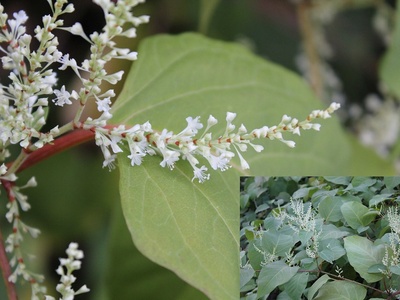
Japanese knotweed
Introduced from East Asia, it forms dense stands that damage banks, buildings and biodiversity. Control requires repeated herbicide or professional excavation; Japanese knotweed is a notifiable problem—report escapes to DAERA or use licensed contractors for disposal.
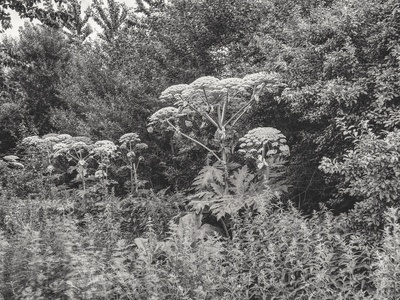
Giant hogweed
Native to the Caucasus, its sap causes severe skin burns and it outcompetes native plants. Remove carefully with protective gear, report large stands to local council/DAERA and follow biosecurity to avoid spread of seed.
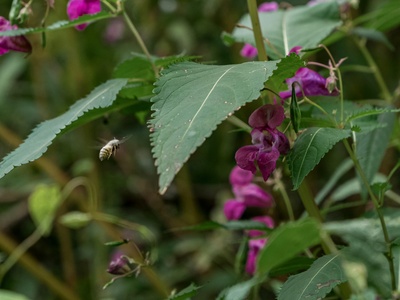
Himalayan balsam
South Asian origin, it forms single-species stands that increase bank erosion and reduce biodiversity. Hand-pull before seeding or cut-stem in summer; volunteers often run clearance and local authorities welcome reports.
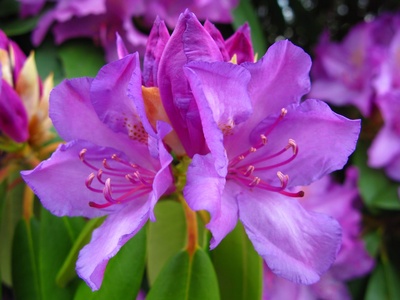
Rhododendron
Introduced as an ornamental from Iberia/Caucasus, it shades and poisons soils, reducing native woodland regeneration. Control by cutting, stump-treating and tree-restoration; many conservation bodies run removal programmes—report large infestations.

New Zealand pygmyweed
Aquatic plant from New Zealand, forms dense mats that smother native plants and block drains. Control is difficult—drainage, herbicide and prevention of spread via equipment are vital; report sightings to NNSS/DAERA.
Lagarosiphon
Submerged aquatic from southern Africa, it forms dense beds that hinder boating, angling and oxygen levels. Mechanical removal and biosecurity to prevent fragment spread are essential; report to fisheries authorities.
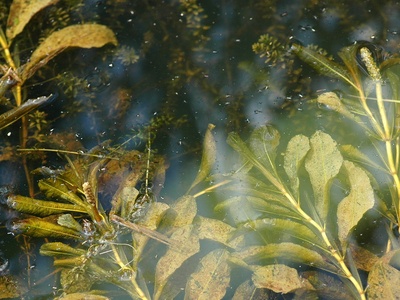
Canadian waterweed
North American origin, it can form dense underwater stands, affecting flow and native aquatic plants. Control by cutting and biosecurity; common but still managed locally to protect angling and conservation sites.
Parrot’s feather
South American aquatic plant, creates thick mats that impede waterways and reduce biodiversity. Remove mechanically where possible, avoid transferring fragments, and report new sites to DAERA/NNSS.
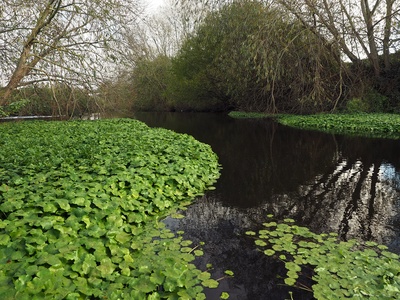
Floating pennywort
South American origin, it forms floating mats that choke watercourses, increasing flood risk and harming wildlife. Early removal and strict biosecurity are advised; report infestations to local authorities.
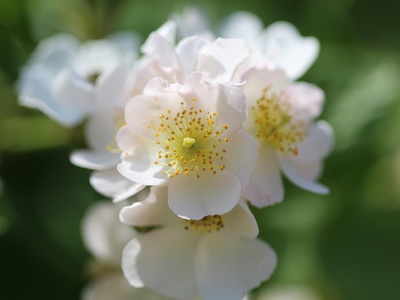
Japanese rose
East Asian coastal shrub, forms dense thickets that displace dune specialists and change dune dynamics. Control by cutting and herbicide, and prevent further planting; report expanding populations to local conservation groups.
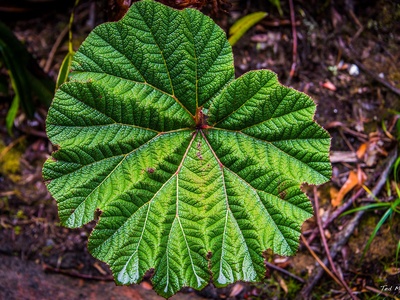
Gunnera (giant rhubarb)
South American native, makes large clumps that shade natives and alter wetland habitats. Remove by careful excavation and repeated control; many local groups report and manage infestations.
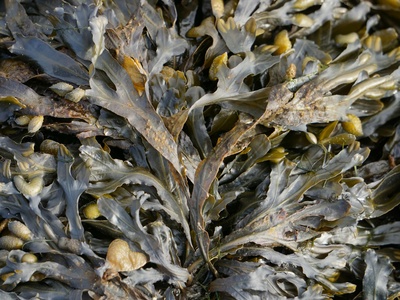
Seaweed (wireweed)
North‑west Pacific alga that smothers native seaweeds and fouls fishing gear. Remove from shores when possible, clean boats and report sightings to marine authorities/NNSS.
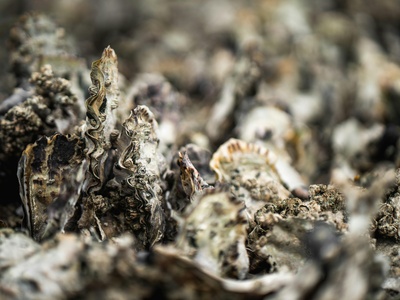
Pacific oyster
Introduced for aquaculture from the Pacific, now forming wild reefs that alter shore habitats and fisheries. Management complex; report unusual spread to DAERA/Marine Directorate and follow shellfish/fouling biosecurity.
Zebra mussel
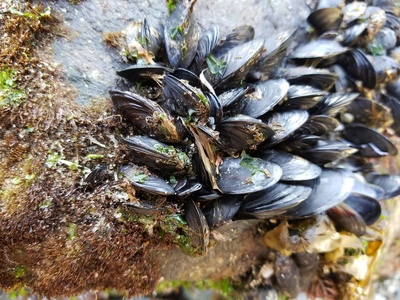
Freshwater mussel from Eurasia; filters water, clogs infrastructure and outcompetes natives. Prevent spread by draining/cleaning boats and angling gear; report new detections to fisheries/DAERA.
Pacific slipper limpet
North American gastropod that smothers sediments and alters benthic communities. Report sightings to marine authorities; control options are limited, making prevention vital.
Asian shore crab
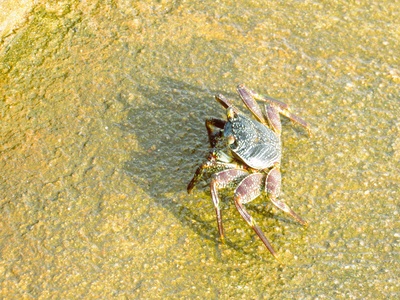
East Asian crab that competes with native species and can damage fisheries. Scrub and inspect gear, report records to marine monitoring schemes and avoid releasing ballast or shellfish.
Harlequin ladybird
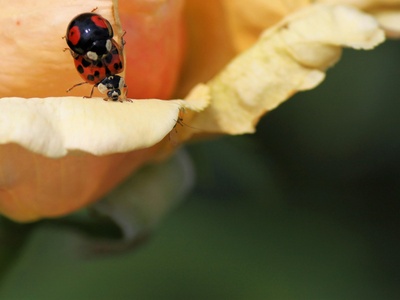
Native to Asia, it preys on native insects and outcompetes native ladybirds; can invade buildings. Report to recording schemes, avoid moving plants/fruit where adults hide, and support native habitat restoration.
Signal crayfish
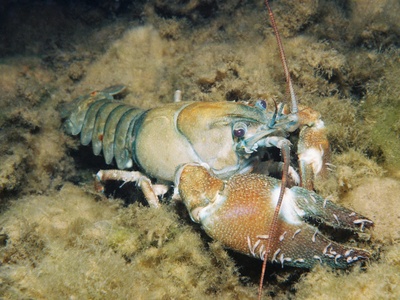
North American crayfish that carries crayfish plague, displacing native crayfish and damaging banks. Spread controlled by biosecurity, trapping and angling restrictions; report sightings to fisheries authorities.
New Zealand mud snail
Tiny snail from New Zealand that can reach high densities, altering food webs and fouling gear. Clean, drain and dry equipment between waters and report new sites to local fisheries/DAERA.
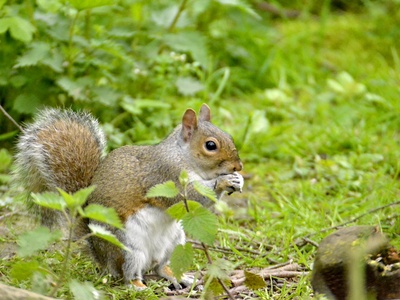
Grey squirrel
Introduced from North America, it outcompetes native red squirrels and damages trees. Control programmes and habitat management help; report sightings if part of local control efforts and never feed or translocate.
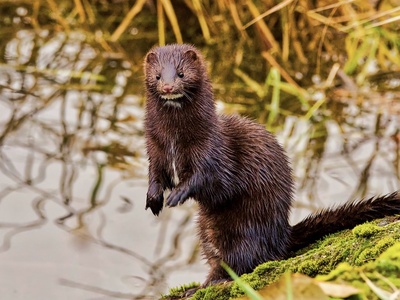
American mink
Escaped from fur farms, mink prey on waterbirds and fish, harming biodiversity. Trapping and coordinated control reduce impacts; report sightings to conservation bodies and avoid releasing captive animals.
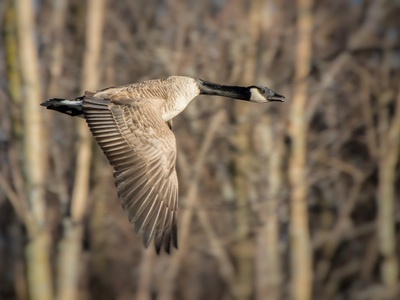
Canada goose
North American goose established in NI, causing crop damage, fouling and aggressive behaviour. Local control measures (egg oiling, exclusion, scaring) are used; report problem flocks to local councils.
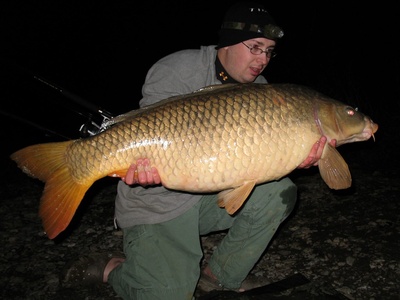
Common carp
Introduced for angling, carp can uproot vegetation and increase turbidity, harming habitats. Management includes netting, exclusion and habitat restoration; follow biosecurity and report illegal introductions.
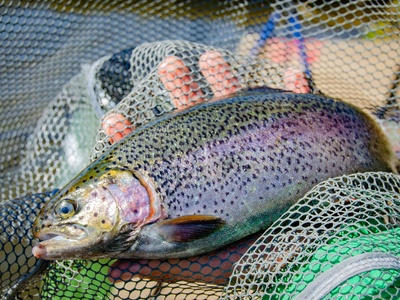
Rainbow trout
North American trout widely stocked for angling; feral fish can compete with natives and carry disease. Use licensed stocking, follow angling biosecurity and report disease or unexpected escapes to fisheries officers.
Ash dieback
Non-native fungal pathogen from Asia causing widespread ash mortality and ecosystem impacts. Report suspected cases, follow guidance on tree safety and avoid moving ash timber or firewood to limit spread.
Phytophthora ramorum
Invasive water‑mould causing blight in larch and other ornamentals, leading to dieback and felling. Follow plant movement restrictions, report suspect symptoms to DAERA and dispose of infected material legally.
Bohemian knotweed
Hybrid between Japanese and giant knotweed, equally invasive and damaging to structures and habitats. Control requires repeated herbicide or excavation; treat as knotweed and report to DAERA/NNSS.
Rough water fern
Floating fern from the Americas that forms dense mats, reducing oxygen and shading native plants. Remove mechanically and prevent spread on equipment; report new infestations to local environmental bodies.
Japanese knotweed (hybrid complex)
Refers to knotweed hybrids common in NI—same impacts as Japanese knotweed: bank erosion, infrastructure damage and high control costs. Professional management and reporting to DAERA are advised.
Sargassum muticum (alternative entry to ensure clarity)
Highly invasive brown seaweed from the NW Pacific, it overgrows native seaweeds and fouls gear. Remove from shorelines where possible, thoroughly clean boats and report records to local marine monitoring.
Gorse-invading species note
Ulex is native to parts of the UK and Ireland and can behave invasively following disturbance; excluded from main invasive list but worth noting in management plans to avoid confusion.
Invasive oyster disease (Bonamia/Marteilia monitoring)
Non-native parasites that threaten shellfish health and fisheries; biosecurity and monitoring programmes run for commercial and wild beds—report sick or high-mortality shellfish to DAERA.
Garden escape alert (general)
Many garden plants can naturalise; only species with established wild populations are listed above. Prevent escapes by not planting known invasives, and report escapes to local recording schemes.
Hybrid bluebell concerns
Hybrid between native and Spanish bluebells can dilute native genetics; avoid planting non-native cultivars and report spread in sensitive woodlands to conservation groups.
Rosa rugosa (coastal detail)
Forms dense, impenetrable hedges that alter dune structure and outcompete specialist flora. Mechanical removal and careful herbicide application help control; do not plant on vulnerable dunes and report major stands.
Feral domestic rabbit note
Domesticated rabbits that have gone feral can cause local habitat damage and agriculture impacts; management via regulated control helps reduce grazing pressure in sensitive reserves.
Marine biofouling species group
Several non-native fouling species colonise pontoons and aquaculture gear in NI, altering ecosystems and spreading on vessels. Clean gear, follow hull‑cleaning guidance and report unfamiliar species to marine authorities.
Note on coverage
This list focuses on species with established wild populations in Northern Ireland; for new sightings always check DAERA/NNSS guidance and report to local recording schemes or environmental authorities.