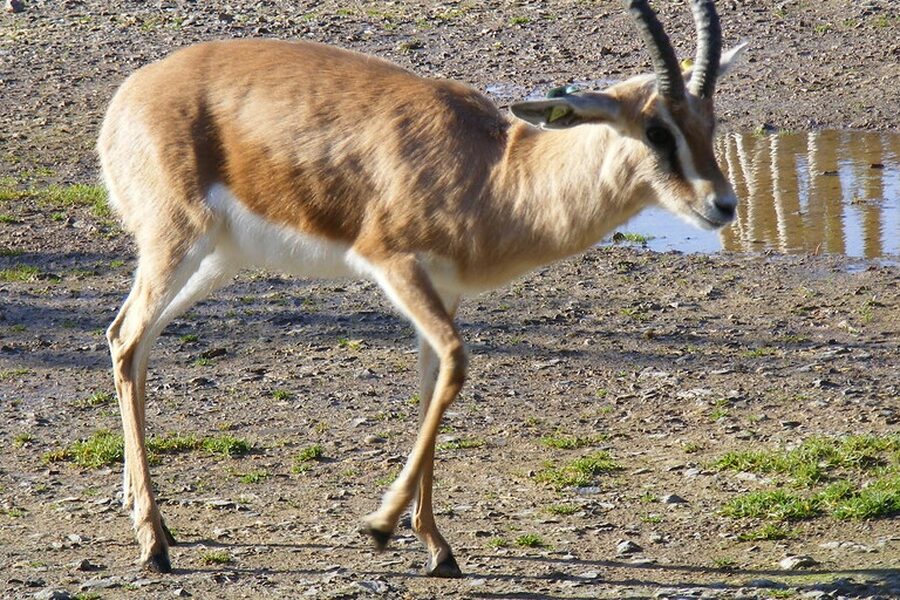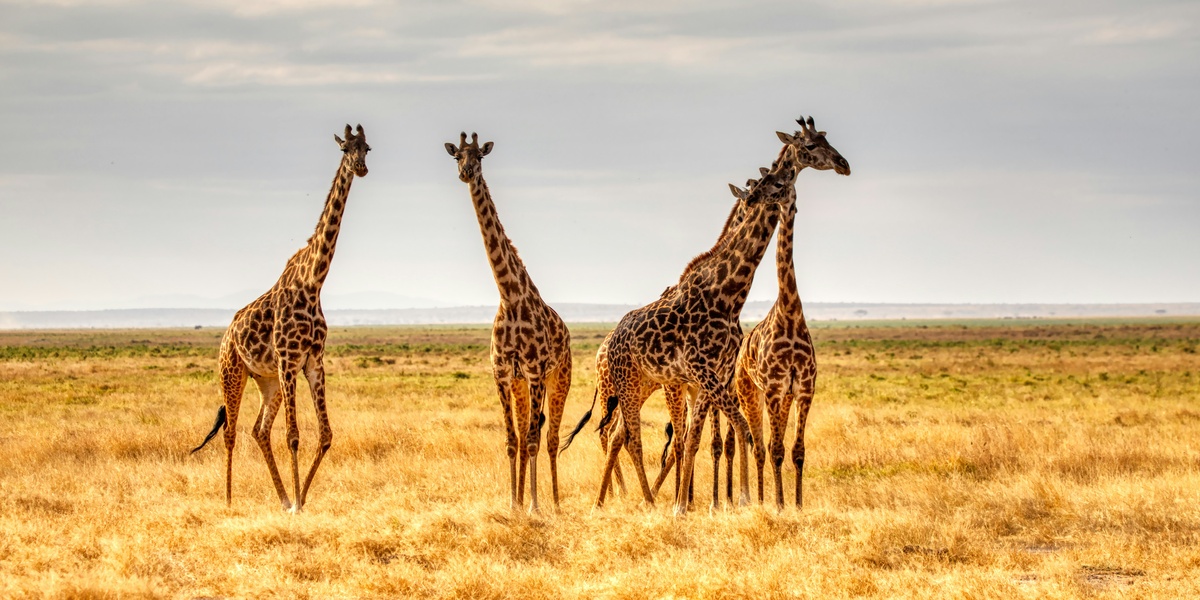
Across plains, woodlands and mountain slopes, hoofed mammals play key roles in grazing dynamics and food webs. Noting differences in size, horns and habitat makes it easier to recognize species in the field and understand how they shape local landscapes.
There are 16 Ungulate Examples, ranging from American bison to Wildebeest (Blue). For each entry you’ll find below Scientific name,Native range,Average weight (kg), so you can compare identity, distribution and typical body mass—you’ll find below.
How can I use this list to identify an ungulate while out in nature?
Start by checking the native range to narrow possibilities, then use average weight and visible features (horns, coat, body shape) to refine the ID. The scientific name on the list gives a precise reference, and combining these columns with photos or a regional field guide makes identification reliable.
Are all these species wild, and should I worry about conservation status?
Most entries are wild species, but conservation status varies by species and region. Some populations (for example, American bison) have been restored in parts of their range, while others face habitat loss or hunting pressure; check IUCN or local conservation sources for current status before planning work or visits.
Ungulate Examples
| Common name | Scientific name | Native range | Average weight (kg) |
|---|---|---|---|
| Plains zebra | Equus quagga | Eastern and southern Africa; savannas and grasslands | 300-350 |
| Black rhinoceros | Diceros bicornis | Sub-Saharan Africa; dry savannas and woodlands | 800-1,400 |
| White rhinoceros | Ceratotherium simum | Southern and eastern Africa; open grasslands and floodplains | 1,400-3,600 |
| Indian rhinoceros | Rhinoceros unicornis | Indian subcontinent; tall grasslands and riverine forests | 2,200 |
| Brazilian tapir | Tapirus terrestris | Amazon and adjacent South America; tropical forests and wetlands | 150-250 |
| Giraffe | Giraffa camelopardalis | Sub-Saharan Africa; open woodlands and savannas | 800-1,200 |
| Moose | Alces alces | Northern Eurasia and North America; boreal forests and wetlands | 400-700 |
| Elk (Wapiti) | Cervus canadensis | North America and parts of Asia; forests and montane meadows | 200-350 |
| White-tailed deer | Odocoileus virginianus | North and Central America; forests, fields, suburbs | 45-100 |
| Reindeer (Caribou) | Rangifer tarandus | Circumpolar Arctic and subarctic; tundra and boreal forest | 80-200 |
| American bison | Bison bison | North American grasslands and plains | 450-900 |
| Hippopotamus | Hippopotamus amphibius | Sub-Saharan Africa; rivers, lakes and floodplains | 1,500-1,800 |
| Wild boar | Sus scrofa | Eurasia (introduced worldwide); forests, scrub and agricultural land | 50-150 |
| Pronghorn | Antilocapra americana | Western North America; open plains and grasslands | 45-65 |
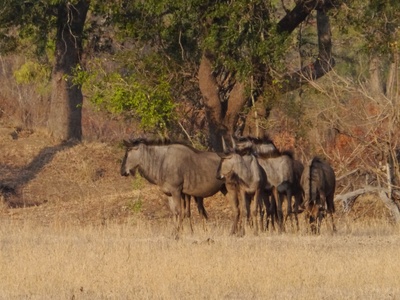
| Wildebeest (Blue) | Connochaetes taurinus | Eastern and southern Africa; savannas and floodplains | 150-250 |
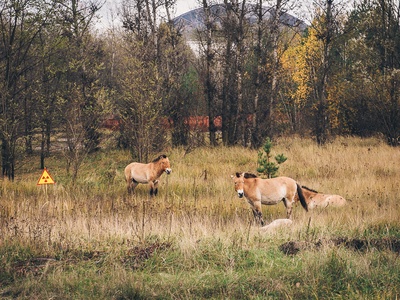
| Przewalski’s horse | Equus ferus przewalskii | Mongolian steppes; grassland and semi-desert | 300-350 |
Images and Descriptions
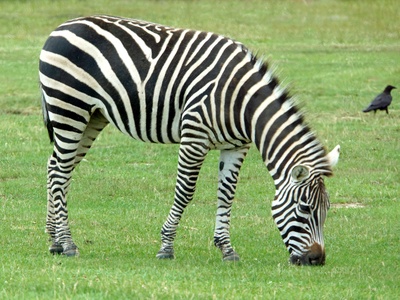
Plains zebra
Striped equid common on African savannas, living in large grazing herds; adults weigh about 300–350 kg. Notable for bold black-and-white stripes that aid social recognition and fly deterrence. IUCN: Near Threatened (NT).
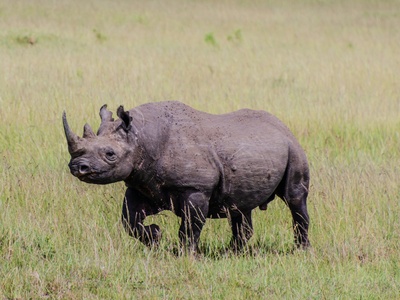
Black rhinoceros
Compact, powerfully built browser with a hooked upper lip for grasping shrubs; adults weigh 800–1,400 kg. Highly threatened by poaching for horn and habitat loss. IUCN: Critically Endangered (CR).
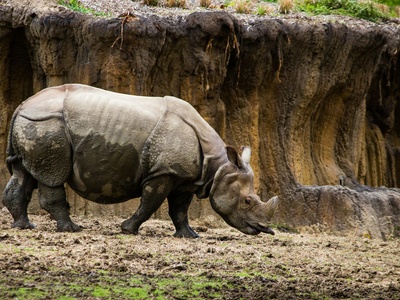
White rhinoceros
Large grazer with a broad, square lip adapted for grass; can weigh 1,400–3,600 kg. Once hunted heavily but some populations persist. IUCN: Near Threatened (NT).
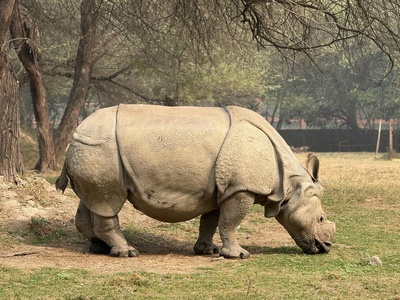
Indian rhinoceros
Thick-skinned, single-horned giant of South Asian floodplains; males can weigh around 2,200 kg. Known for armor-like skin folds and conservation successes from strict protection. IUCN: Vulnerable (VU).
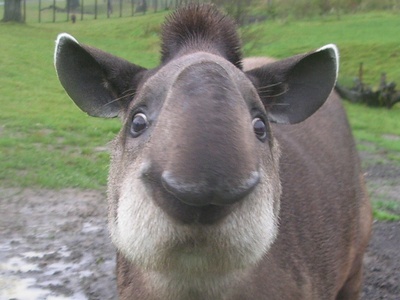
Brazilian tapir
Stocky, short-trunked browser found in South American forests and swamps; adults weigh 150–250 kg. Notable for its flexible proboscis used to grab foliage. IUCN: Vulnerable (VU).
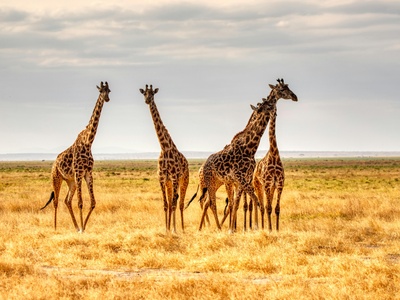
Giraffe
Tall, long-necked browser of African savannas; adults weigh 800–1,200 kg. Famous for extreme height used to feed on high foliage and spot predators. IUCN: Vulnerable (VU).
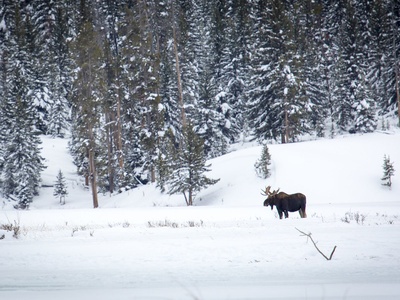
Moose
Largest deer species inhabiting northern forests and wetlands; adults weigh 400–700 kg. Males grow massive palmate antlers and are strong swimmers. IUCN: Least Concern (LC).
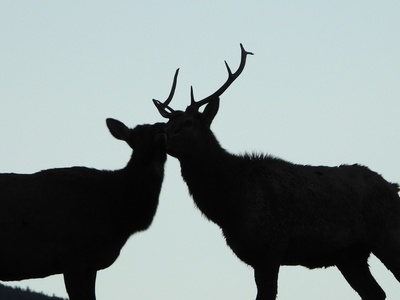
Elk (Wapiti)
Large cervid known for loud mating calls (bugling) and seasonal migrations; adults weigh 200–350 kg. Important game mammal with widespread populations. IUCN: Least Concern (LC).
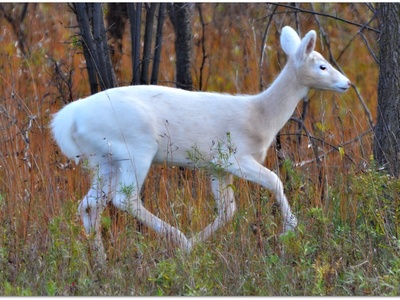
White-tailed deer
Common adaptable deer recognized by its white tail flash; adults weigh 45–100 kg. Thrives near humans and is a familiar sight across its range. IUCN: Least Concern (LC).
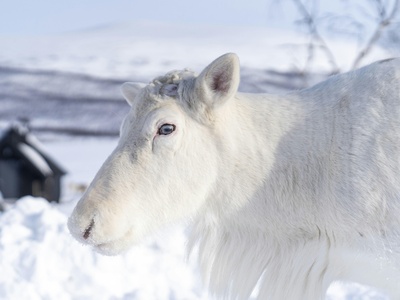
Reindeer (Caribou)
Migratory cervid of Arctic and subarctic regions; adults weigh 80–200 kg. Notable for enormous seasonal migrations and antler growth in both sexes. IUCN: Vulnerable (VU).
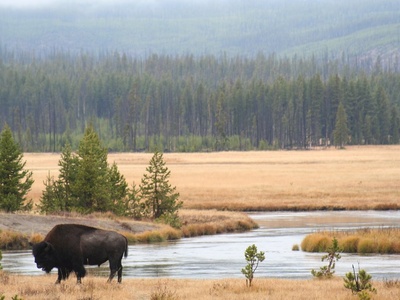
American bison
Massive grazer of prairies with a characteristic shoulder hump; adults weigh 450–900 kg. Nearly driven to extinction in the 19th century, now partially recovered through conservation. IUCN: Near Threatened (NT).
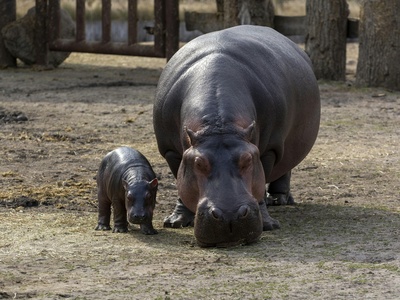
Hippopotamus
Large, mostly aquatic mammal spending days in water and nights grazing; adults weigh 1,500–1,800 kg. Notable aggressive behavior and important ecosystem engineers. IUCN: Vulnerable (VU).
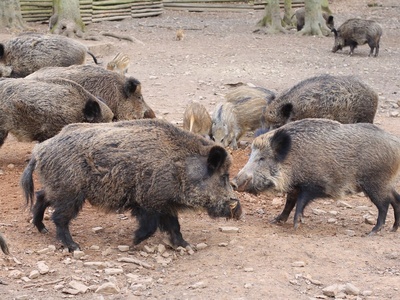
Wild boar
Omnivorous, adaptable suid and ancestor of domestic pigs; adults weigh 50–150 kg. Known for rooting behavior, ecological impact, and wide distribution. IUCN: Least Concern (LC).
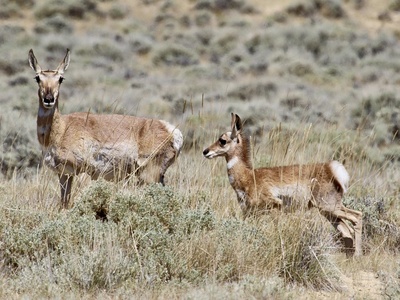
Pronghorn
Distinctive North American ungulate famed for speed and endurance; adults weigh 45–65 kg. Has unique branched horns and is the fastest land mammal in North America. IUCN: Least Concern (LC).
Wildebeest (Blue)
Gregarious grazers famous for massive seasonal migrations across the Serengeti and Masai Mara; adults weigh 150–250 kg. Herd movements shape ecosystems and attract predators. IUCN: Least Concern (LC).
Przewalski’s horse
Last truly wild horse subspecies, reintroduced to Mongolia after captive breeding; adults weigh 300–350 kg. Notable as a symbol of species recovery. IUCN: Endangered (EN)