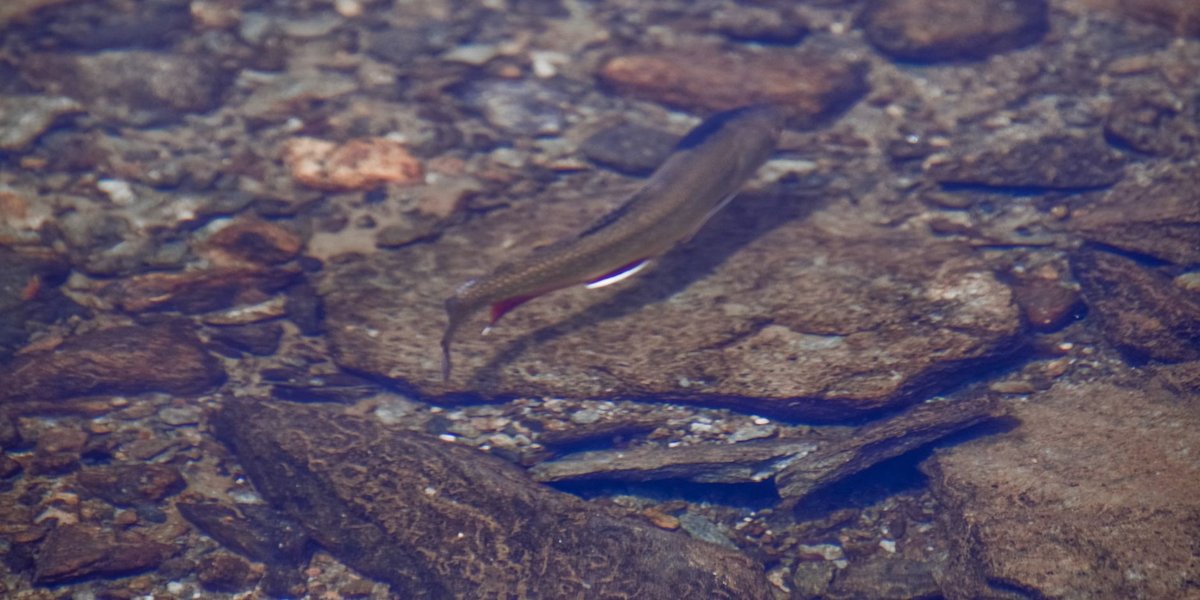
Liechtenstein is smaller than most cities, has no natural lake, and sits wedged between the Alps and the Rhine. So it’s no surprise the country’s fish list is short: just 14 species, native and introduced combined. What’s more interesting is which 14, and why a landlocked micro-state with barely 160 square kilometers of territory still has a genuinely distinct fish community worth knowing.
This is the full list, with what each species actually looks like in the water, not just a name on a taxonomic table.
Table of Contents
- Why Liechtenstein Has So Few Fish Species
- 1. Spined Loach
- 2. Stone Loach
- 3. Common Barbel
- 4. Crucian Carp
- 5. Common Carp
- 6. Common Bream
- 7. Common Bleak
- 8. White Bream
- 9. Asp
- 10. Common Minnow
- 11. Common Rudd
- 12. Rainbow Trout
- 13. European Perch
- 14. Bullhead (Cottus gobio)
- Fishing in Liechtenstein: Permits and Access
Why Liechtenstein Has So Few Fish Species
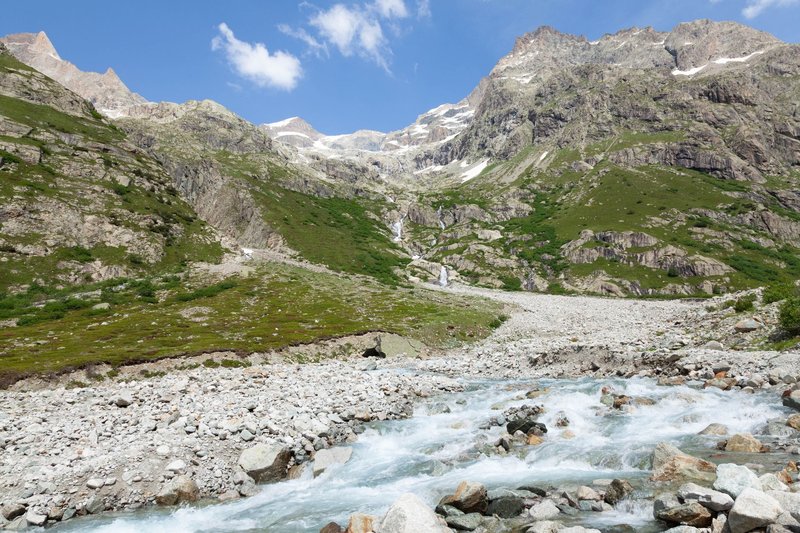
A country’s fish list is basically a function of its water. Liechtenstein has one major river, the Alpine Rhine (Alpenrhein), which forms almost its entire western border with Switzerland, plus a scatter of small tributary streams like the Samina and Ellbach that drop fast out of the mountains. There’s no natural lake — Stausee Steg is a man-made reservoir built for hydropower — and no wetland complex or floodplain lake system of the kind that stacks species counts in flatter countries.
Cold, fast, oxygen-rich Alpine water favors a narrow set of specialists: trout, sculpins, loaches, and a handful of cyprinids tolerant of current. It filters out the slow-water and warm-water species — carp-family fish that thrive in oxbows, backwaters, and lowland lakes — that pad out species lists in flatter countries. Add a small total catchment area and you get a short, but not boring, list.
1. Spined Loach
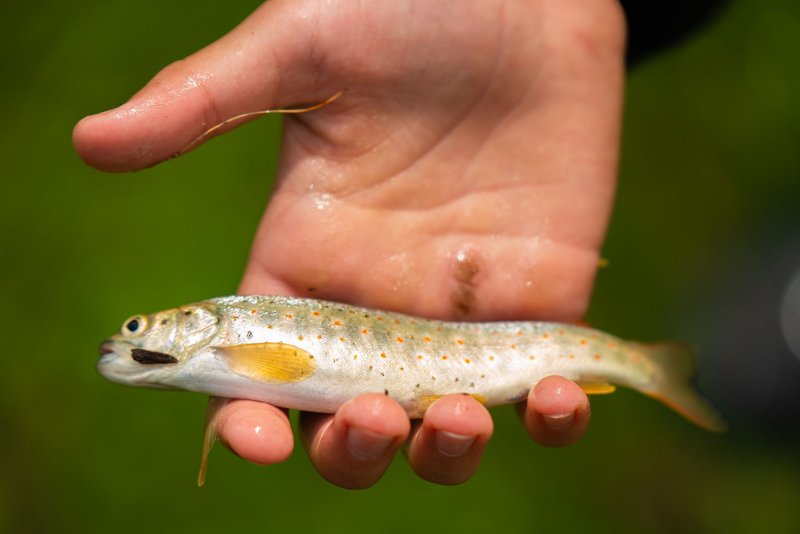
Cobitis taenia is a bottom-dwelling loach, rarely longer than 10 centimeters, with a mottled brown-and-cream body built for lying flat against gravel and sand. It has a small erectile spine below each eye — the source of the name — which it can flick up as a defense when a predator gets too handsy. Spined loach are nocturnal foragers, sifting substrate for insect larvae and detritus after dark, and they’re native to the slower margins of the Alpenrhein system. The species is listed as threatened across parts of its European range, and its presence in Liechtenstein’s records is one of the few “you have to look for it” entries on the list.
2. Stone Loach
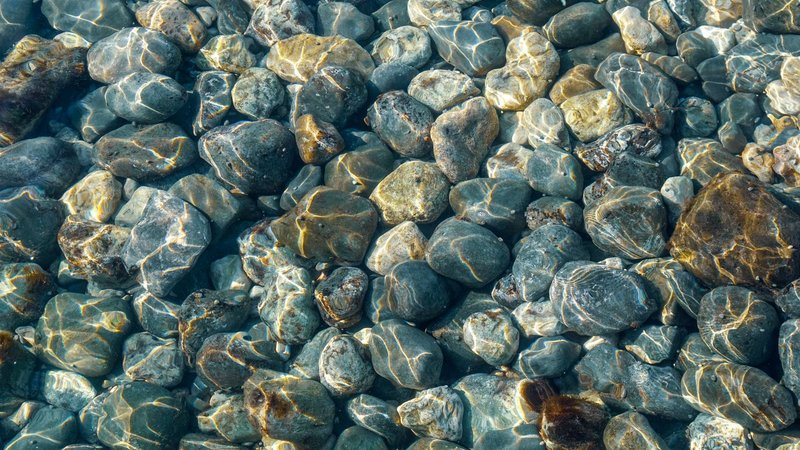
Barbatula barbatula is the more common of Liechtenstein’s two native loaches, and it’s a fixture of clean, gravelly mountain streams across the country’s tributary network. It’s slimmer and paler than the spined loach, with six barbels around its mouth that it uses to feel out food on the streambed — mostly caddisfly and mayfly larvae. Stone loach are a genuine water-quality indicator: they disappear fast when a stream silts up or warms, which makes their continued presence in Liechtenstein’s smaller creeks a decent proxy for how clean those creeks still are.
3. Common Barbel
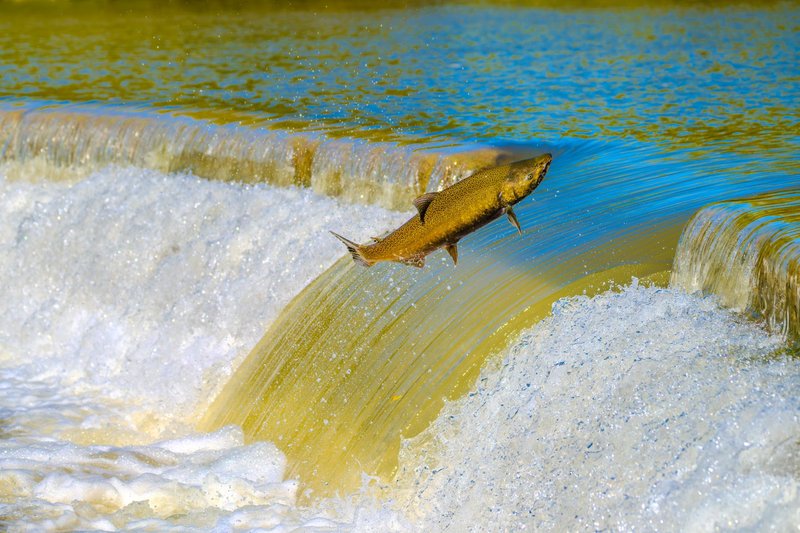
The common barbel (Barbus barbus) is one of the larger fish on this list, capable of pushing past 80 centimeters in the main Rhine channel, with a torpedo-shaped body built to hold position in strong current. Four long barbels frame its downturned mouth, an adaptation for grubbing invertebrates out of gravel beds rather than chasing prey in open water. Barbel are a genuine draw for the country’s anglers — they fight hard on a line and favor the same fast, well-oxygenated stretches of the Alpenrhein that also hold trout, which means the two species are frequently caught from the same runs.
4. Crucian Carp
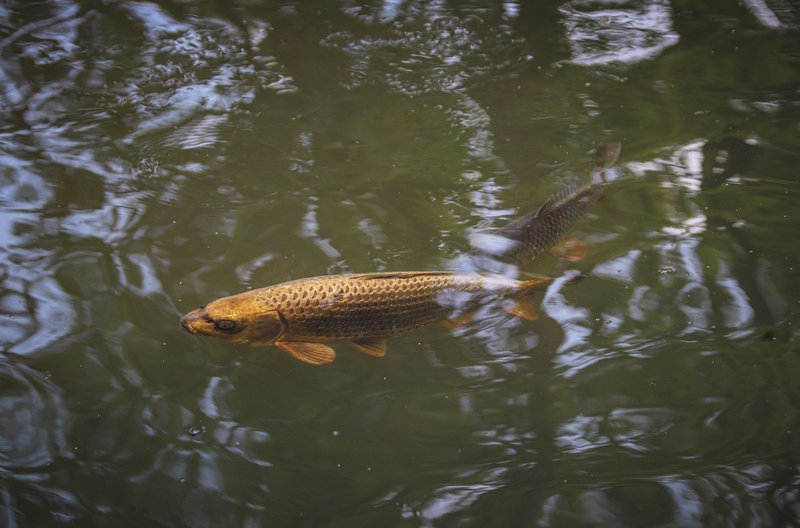
Carassius carassius is a deep-bodied, golden-bronze cyprinid that tolerates conditions almost no other fish on this list can handle: low oxygen, high turbidity, even near-freezing still water where it can survive winters that would suffocate a trout. That toughness is exactly why it persists in Liechtenstein’s slower, more stagnant pockets — backwaters and ponds rather than the fast Rhine current. It’s a native species, though genuinely wild, unhybridized crucian carp populations have become harder to find across much of Central Europe as they interbreed with introduced goldfish and common carp.
5. Common Carp
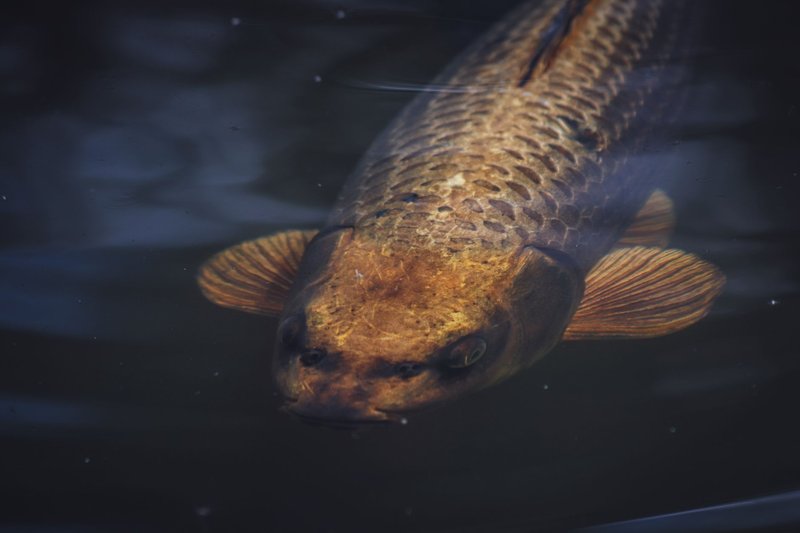
Common carp (Cyprinus carpio) is one of only two introduced species on Liechtenstein’s list, brought into Central European waters for aquaculture and angling centuries ago and now naturalized well beyond its original Black Sea and Caspian range. It’s a heavy, olive-gold fish with long dorsal fin and two pairs of barbels, capable of growing to over a meter given enough slow, food-rich water. In Liechtenstein it sticks to the calmest available water — the Stausee Steg reservoir and slack sections of the Rhine — since it lacks the current-adapted body plan that lets barbel and trout thrive in the country’s faster reaches.
6. Common Bream
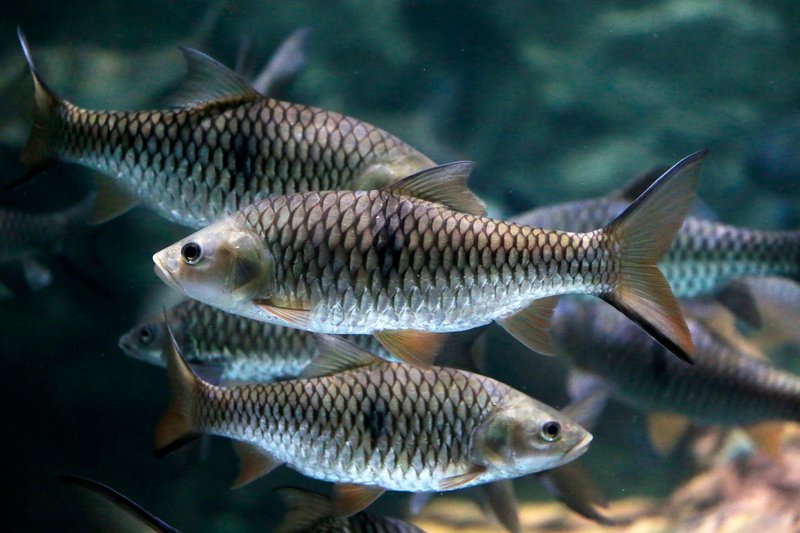
The common bream (Abramis brama) is a laterally flattened, silvery-bronze cyprinid that schools in slow, deep water and feeds by tipping nose-down to vacuum invertebrates from soft sediment — a feeding posture anglers call “bream tailing” because the fish’s tail breaks the surface while it forages. It’s a lowland and slow-river specialist by nature, which limits it in a country this mountainous to the calmer stretches of the Alpenrhein and the reservoir, where it shares water with carp and rudd rather than the trout-and-barbel water upstream.
7. Common Bleak
Alburnus alburnus is a small, slender, highly reflective cyprinid — rarely more than 15 centimeters — that swims in tight surface schools and is one of the primary forage fish for the Alpenrhein’s predators. Its scales are so silvery and loosely attached they were historically harvested to make imitation pearls, a use called “essence d’Orient” that briefly turned bleak fishing into a minor European industry. In Liechtenstein it’s a background species rather than a target one: important to the food web, invisible to most casual observers.
8. White Bream
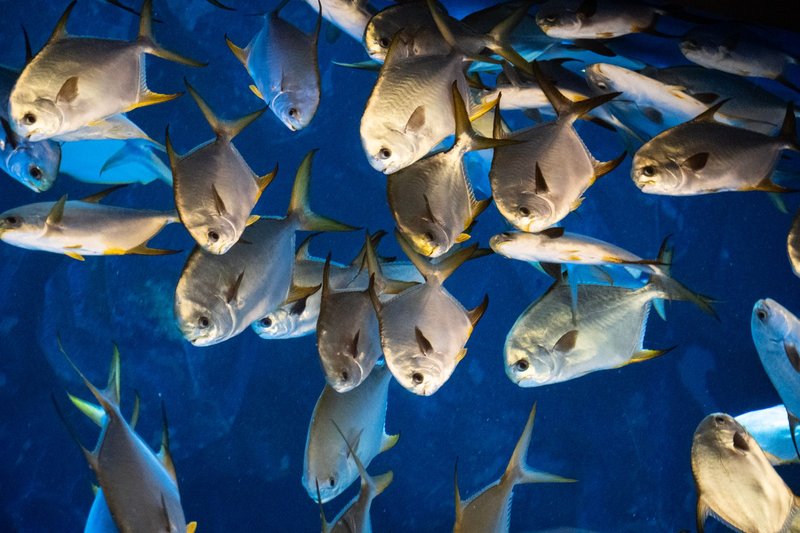
White bream (Blicca bjoerkna) looks enough like a young common bream to be genuinely hard to tell apart at a glance — the giveaway is eye size (proportionally larger in white bream) and a slightly deeper, more silver-white body rather than the common bream’s bronze cast. It occupies the same slow-water niche as its larger cousin and schools with it in mixed groups, which is part of why the two get confused so often, including sometimes in anglers’ own catch logs.
9. Asp
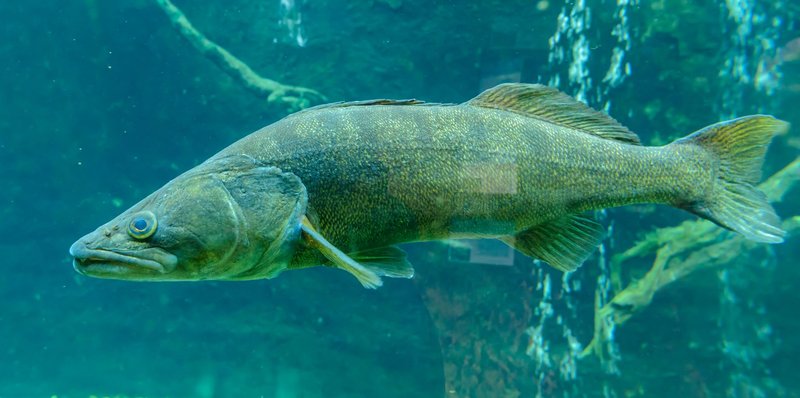
The asp (Leuciscus aspius) is the outlier on this list: a genuinely predatory cyprinid, unusual for a carp-family fish, that hunts smaller fish like bleak near the surface with fast, splashy strikes. It’s a long, silvery, powerfully built fish that can exceed 80 centimeters, and its presence signals a healthy prey base of smaller schooling species in the Alpenrhein. Asp populations have declined across parts of Western Europe due to river channelization, which makes a stable Alpenrhein population a modest but real conservation positive for the region.
10. Common Minnow
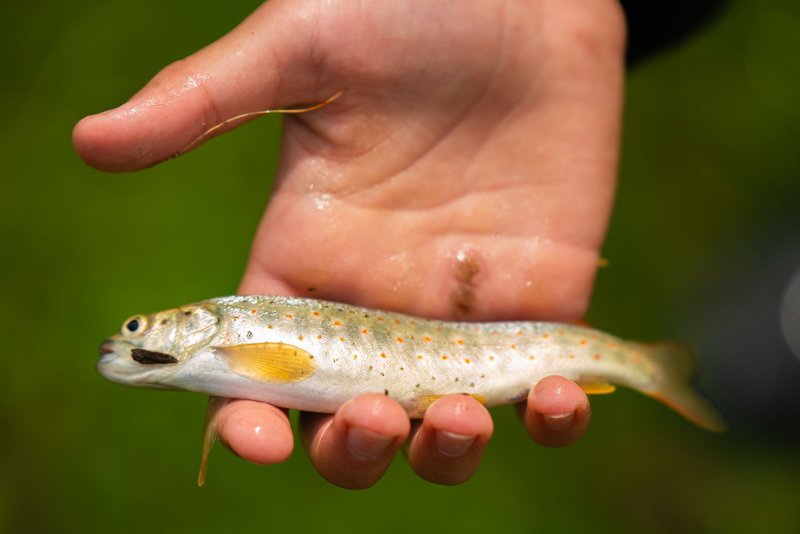
Phoxinus phoxinus is small — most adults stay under 10 centimeters — but ecologically outsized: dense minnow shoals in cold, clean tributary streams are a primary food source for trout, and their disappearance from a stream is one of the earliest warning signs of water quality decline. Breeding males develop a striking flush of red along the belly and fins each spring, a color shift that makes minnow spawning runs one of the more visually dramatic events among Liechtenstein’s smaller fish.
11. Common Rudd
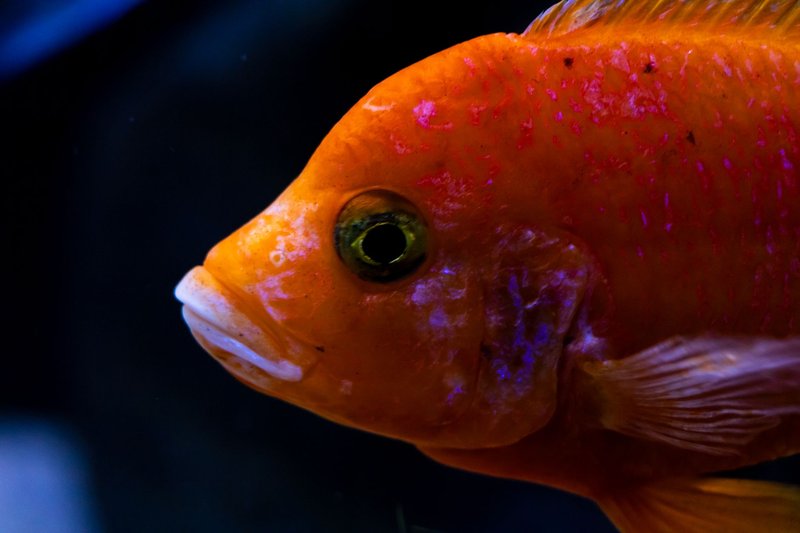
Common rudd (Scardinius erythrophthalmus) is easy to pick out among the country’s cyprinids for its vivid orange-red fins and pelvic markings against a golden-bronze body. Unlike bottom-feeding bream, rudd feeds up in the water column and even takes insects off the surface, favoring the weedy, sun-warmed margins of slow water over open channel — again, the reservoir and calm Rhine backwaters rather than the fast Alpine reaches.
12. Rainbow Trout
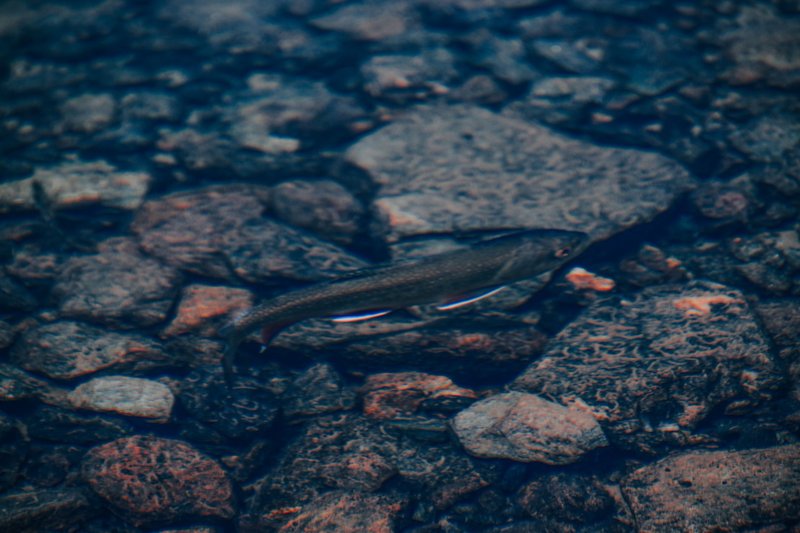
Rainbow trout (Oncorhynchus mykiss) is the second of Liechtenstein’s two introduced species, brought from its native Pacific coast of North America to European hatcheries in the late 19th century and stocked widely ever since for sport fishing. It’s identifiable by the broad pink-to-red stripe running the length of its flank and heavy black spotting over an olive-green back. In Liechtenstein it’s actively stocked in the Alpenrhein and Stausee Steg specifically to support the local angling community, alongside the country’s native brown trout populations, which fill the same cold-water predator niche.
13. European Perch
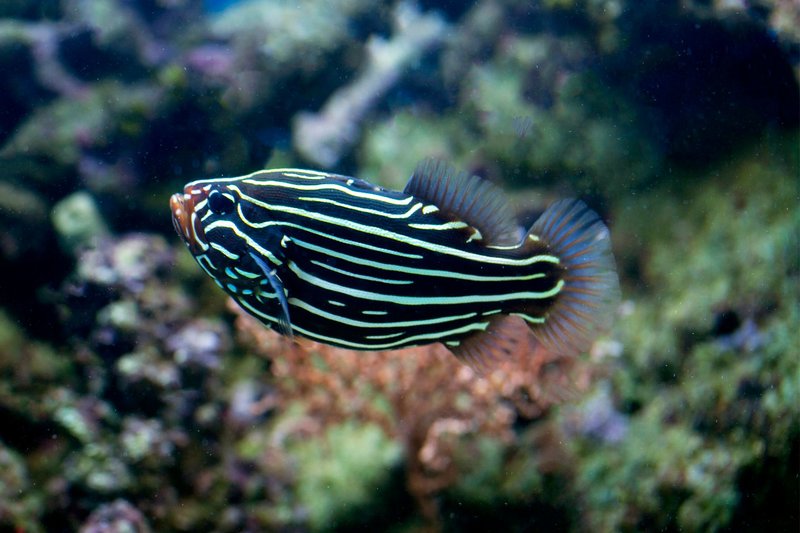
European perch (Perca fluviatilis) is unmistakable: a deep-bodied, olive-green fish with 5–9 dark vertical bars and bright orange-red pelvic and anal fins. It hunts smaller fish, including bleak and minnow, from ambush points around structure — sunken wood, weed edges, rocky drop-offs — rather than in open chase. Perch tolerate a wider range of water conditions than most of this list, which is part of why they turn up in both the reservoir and the calmer Rhine sections.
14. Bullhead (Cottus gobio)
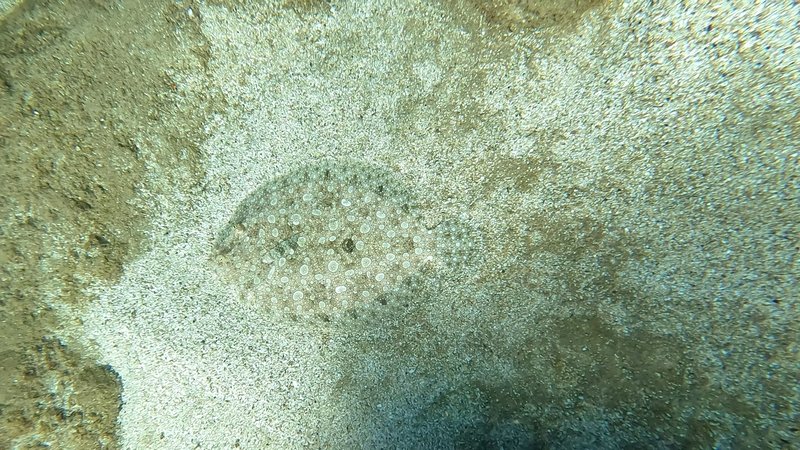
The bullhead, or European sculpin, is arguably the most specialized fish on Liechtenstein’s list: a mottled, scaleless, flat-headed bottom-dweller with oversized pectoral fins that let it wedge into gaps between cobbles in fast, cold, oxygen-saturated streams. It has no swim bladder, which means it can’t hover in the water column — it either sits on the bottom or moves, nothing in between. Bullhead are strictly intolerant of pollution and warming, and their presence in a stream is one of the more reliable single-species indicators of pristine Alpine water quality that biologists use in the region.
Fishing in Liechtenstein: Permits and Access
You can’t just show up with a rod. A fishing license (Fischereikarte) is required everywhere in the country, and anglers as young as 12 can qualify by passing an exam, though unaccompanied fishing under Article 7 of the Liechtenstein Fisheries Ordinance is only permitted from age 14.
Visitors have one realistic entry point: the Fischereiverein Liechtenstein (the national angling association) sells short-term visitor permits for Stausee Steg, the man-made reservoir that’s the most accessible water in the country — day permits run around CHF 45, weekly permits around CHF 170. The Alpenrhein itself and the smaller mountain tributaries are almost entirely reserved for FVL members, and wading is banned in most flowing water outside a few designated Rhine stretches. It’s a small program for a small country: local estimates put the active angling community at around 250 people, which tracks with how tightly access is controlled.
The tight regulation isn’t bureaucratic overreach so much as proportionate to the stakes. With only 14 species and no natural lake to fall back on, there’s limited redundancy in the system — losing a stream to poor water quality or overfishing isn’t something Liechtenstein’s fish community would easily absorb.