Belize packs more wildlife into a country the size of Massachusetts than most places manage with ten times the land. It has more than 125 mammal species (over 80 of them bats), somewhere between 590 and 618 bird species depending on who’s counting, and the second-largest barrier reef in the world offshore. The catch: most of the famous mammals are shy, nocturnal, or both. Knowing which animals you’ll likely meet and which you’ll only hear is what separates a good trip from a disappointed one.
This guide sorts the animals of Belize by habitat, with a straight read on sighting odds, where to go, and when.
Table of Contents
- TLDR: What a One-Week Trip Delivers
- Rainforest and Jungle
- Reef and Sea
- Rivers, Lagoons and Wetlands
- Birds of the Sky and Canopy
- Guaranteed Sightings vs. Wild Odds
- Quick-Reference Table
- Snakes, Crocodiles and Staying Safe
- Seeing Wildlife Responsibly
TLDR: What a One-Week Trip Delivers
Near-certain: howler monkeys, toucans, parrots, frigatebirds, stingrays, nurse sharks, and a dozen reef fish species. Likely with a guide: scarlet macaws (in season), spider monkeys, crocodiles, manatees, sea turtles. Long shots: jaguar, tapir, margay, jaguarundi, harpy eagle. If a jaguar or tapir is on your list, plan a visit to the Belize Zoo, then treat any wild sighting as a bonus.
Rainforest and Jungle
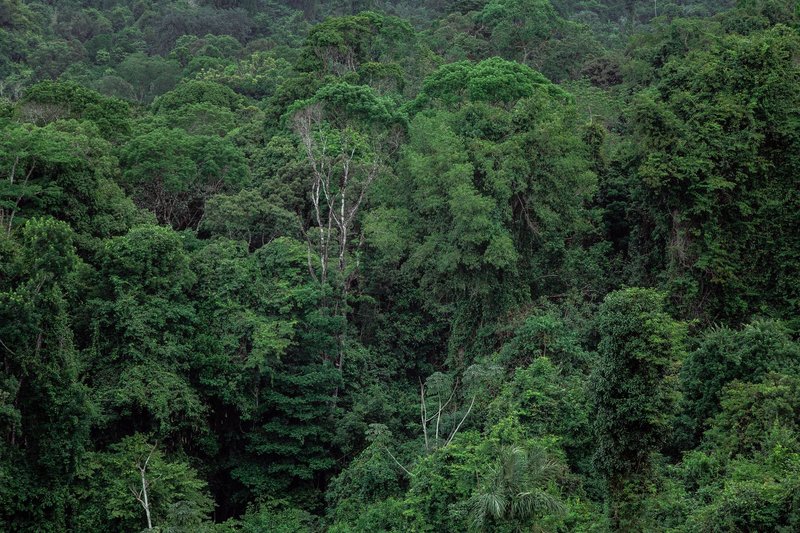
Belize’s forests run from the Maya Mountains in the south and west to broadleaf lowland jungle in the north. Most of the large mammals live here, and most of them avoid you. For scientific names and where each species lives, see a curated list of Belize’s native animals.
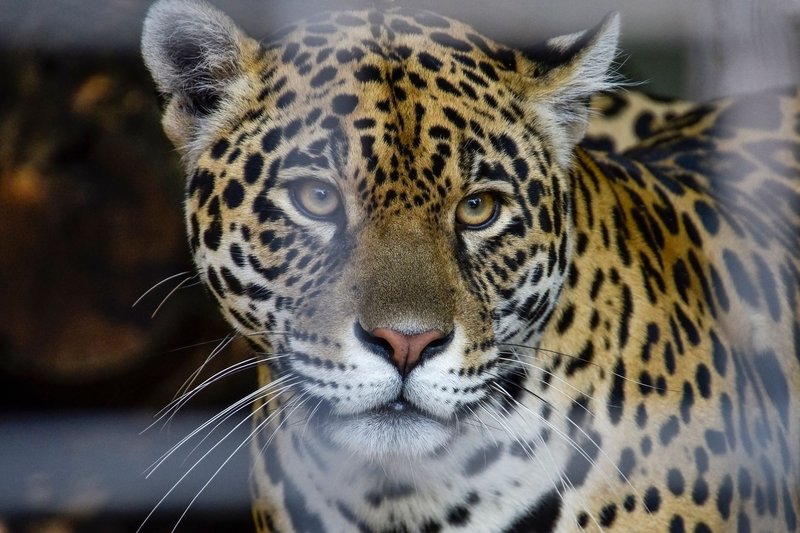
Jaguar
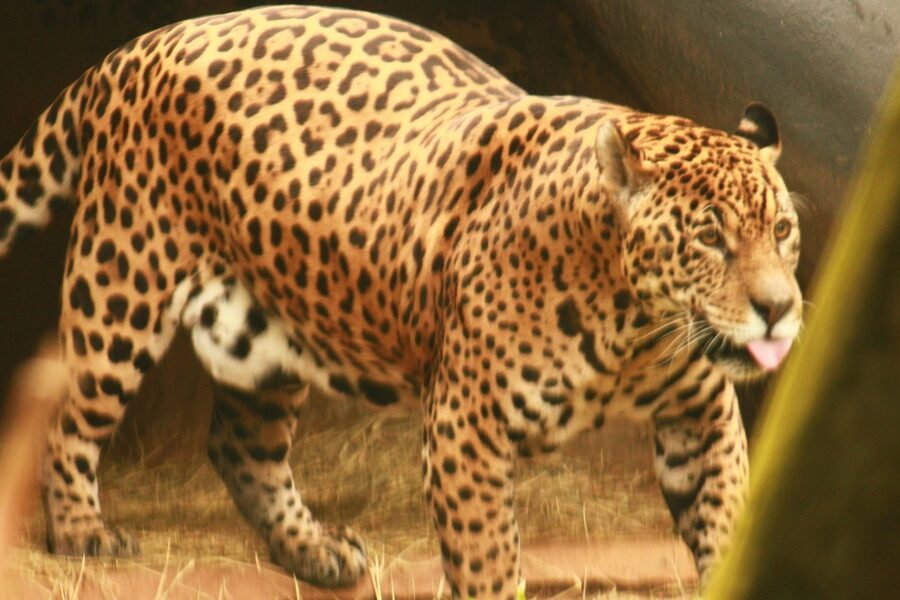
The jaguar is the largest cat in the Americas, and Belize protects it better than almost anywhere. The Cockscomb Basin Wildlife Sanctuary, set aside in 1986, was the world’s first reserve designed specifically for jaguars. National Geographic notes that the cats are solitary and mostly active at dusk and night.
Sighting odds in the wild: very low. Researchers at Cockscomb count jaguars through camera traps, not eyeballs. Walk the trails at dawn and you’ll see tracks, scrapes and scat. You’ll probably go home with a camera-trap photo from the visitor center at best. Best bet for a real look is the Belize Zoo, where rescued jaguars live in large enclosures.
Baird’s Tapir
Baird’s tapir is the national animal of Belize, and locals call it the “mountain cow.” It looks like a pig that lost an argument with an anteater: a stocky, 600-pound body with a short, flexible trunk. It’s listed as endangered by the IUCN, and Belize holds one of the healthiest populations in Central America.
Sighting odds in the wild: low. Tapirs feed at night near water. Cockscomb and the forests around Gallon Jug are your best chances, ideally on a night walk with a guide. The zoo’s tapirs are famously relaxed about visitors.
Howler Monkeys and Spider Monkeys
Black howler monkeys are the animals you’ll hear before anything else. A troop’s roar carries over a mile through the forest, usually at dawn or before rain, and sounds like wind in a tunnel. Sighting odds: very high. The Community Baboon Sanctuary, a network of private landowners protecting riverside forest, is named for the local word for howlers (“baboon”), and guides there can put you under a troop within minutes. Lamanai and Cockscomb are also reliable.
Spider monkeys are harder. They need big stretches of tall forest and move fast through the canopy. Look for them at Lamanai, Caracol, and in the southern forests, typically in the morning. Sighting odds: moderate with a guide.
The Secretive Small Cats: Margay, Ocelot, Jaguarundi, Puma
Belize has all five of the Americas’ small and mid-sized wild cats: jaguar, puma, ocelot, margay and jaguarundi. Most search results skip the last three. The margay is a tree-climbing cat with oversized eyes. The jaguarundi looks more like a long, dark otter than a cat. Both are mostly solitary and rarely seen. Sighting odds: close to zero, unless you spend nights in the field. Treat these as animals you know are out there, not animals you’ll photograph.
Bats, Peccaries and the Rest
Bats outnumber every other mammal group in Belize. Cave systems such as those near San Ignacio hold colonies, and emerging bats at dusk are a free show. White-lipped and collared peccaries, agoutis, coatis and pacas turn up on early walks. The agouti is a rodent that looks like a long-legged guinea pig and is common in forest-edge areas. Sighting odds: high for agouti, moderate for coati and peccary.
Reef and Sea
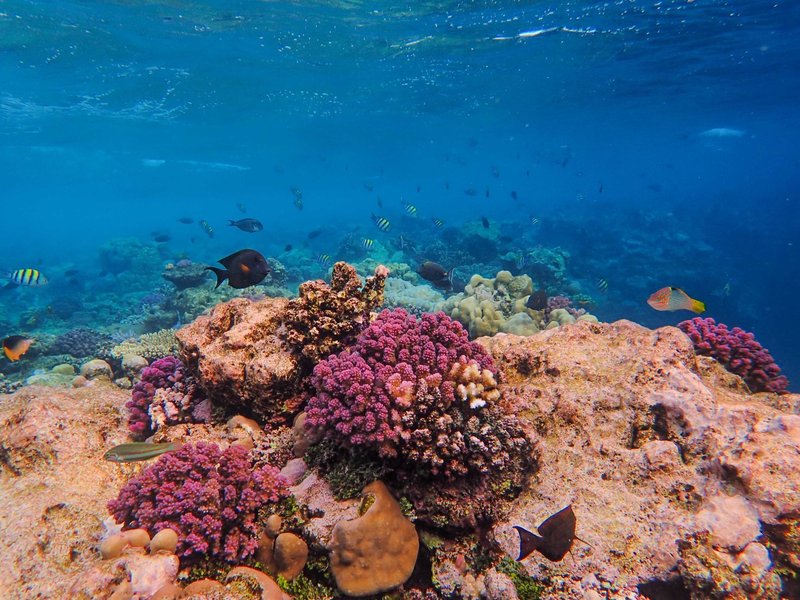
The Belize Barrier Reef runs roughly 190 miles along the coast and is a UNESCO World Heritage site. Water visibility is the main variable, and calm months (roughly March to June) give the best conditions.
Nurse Sharks and Stingrays
Hol Chan Marine Reserve, near Ambergris Caye, and the adjacent Shark Ray Alley are the easiest places on the coast to swim with nurse sharks and southern stingrays. Nurse sharks are docile bottom-dwellers that rest in groups, and the guides here have been feeding them for years, so the animals expect boats. Sighting odds: near certain on a snorkel tour. It’s a managed, feed-adjacent experience, so go for the density of animals, not for a wild-encounter feel.
Whale Sharks
Whale sharks gather at Gladden Spit, off southern Belize, to feed on spawning snapper. This happens around the full moon from roughly March to June, with April and May the peak. Sighting odds: good during the window, almost zero outside it. Book a licensed operator out of Placencia and check lunar dates before you fix your travel plans.
Sea Turtles
Green, loggerhead and hawksbill turtles all use Belize’s waters. Green turtles are the most common sight while snorkeling seagrass beds and reef edges. Nesting happens on beaches from about May to October, and at some sites you can join a ranger-led turtle watch. Sighting odds: high for snorkelers, moderate for nesting if you visit in season.
Manatees
The Antillean manatee, a subspecies of the West Indian manatee, is the sea cow you want. Belize has one of the largest populations in the region. Swallow Caye Wildlife Sanctuary, near Belize City, is the standard place to meet them, and rules there limit boat traffic and forbid touching. Sighting odds: moderate to good on a dedicated tour. Manatees surface only briefly to breathe, so calm mornings help.
Rivers, Lagoons and Wetlands
Crocodiles
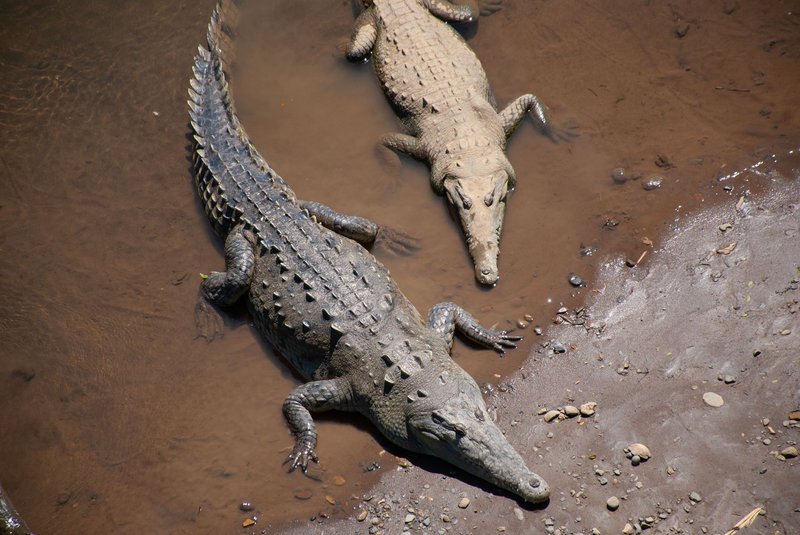
Belize has two species: the American crocodile, which lives in coastal lagoons and saltwater mangrove channels, and the smaller Morelet’s crocodile, which prefers freshwater rivers and lagoons. Night boat tours on the New River or in Crooked Tree lagoon will light up eyeshine in the shallows. Sighting odds: very high on a guided boat trip.
Wading Birds and the Jabiru Stork
Crooked Tree Wildlife Sanctuary is a wetland complex north of Belize City, and it’s a prime stop for birders. The headliner is the jabiru stork, a tall, white bird with a black head and red collar, among the largest flying birds in the Americas. They nest in the dry season, around November through April, and the lagoons shrink as water levels fall, which concentrates fish and birds for easy viewing. Sighting odds: good in season. Expect herons, egrets, kingfishers and snail kites on the same boat ride.
Birds of the Sky and Canopy
Keel-Billed Toucan
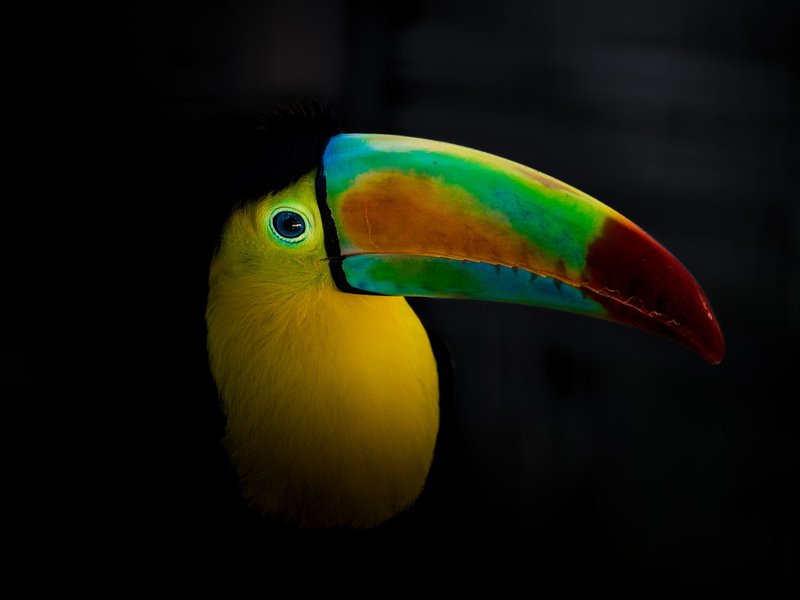
The keel-billed toucan is the national bird of Belize. The rainbow-colored bill looks too heavy for the bird, and you’ll spot it perched on exposed branches in the early morning. Sighting odds: high almost anywhere with mature trees, including the grounds of many lodges.
Scarlet Macaw
Belize’s wild scarlet macaw population is small and concentrated in the southern Maya Mountains, notably around the Red Bluff area near Monkey River and the Chiquibul. Spotting a pair at dawn is a trip highlight. Best season: roughly January through March, when the birds visit fruiting trees at lower elevations. Sighting odds: moderate with a guide, high at the zoo.
Harpy Eagle and Other Raptors
The harpy eagle is among the largest eagles on Earth, and Belize’s lowland forests hold a handful of rare records. A confirmed sighting would be a major birder event. Sighting odds: effectively none for visitors. Instead, look for easier raptors: king vultures, black hawk-eagles, ornate hawk-eagles and swallow-tailed kites over the Mountain Pine Ridge and Caracol.
Birds Anyone Can Spot
Frigatebirds loop above the cayes, brown pelicans dive off docks, and great kiskadees call from every power line. Even a morning on a hotel balcony will give you a decent list. Add a boat ride and the list doubles.
Guaranteed Sightings vs. Wild Odds
The Belize Zoo sits on 29 acres of tropical savanna about 30 miles from Belize City, and it only houses native species, mostly animals that were orphaned, injured, or previously held as pets. Jaguar, puma, ocelot, tapir, harpy eagle, scarlet macaw, jabiru stork, and howler monkeys are all there, and signs written by the staff are worth reading for their blunt humor.
Wild sanctuaries such as Cockscomb and Crooked Tree offer the real thing, but with no guarantees. A reasonable plan: spend an afternoon at the zoo to get close to animals you almost certainly won’t meet in the forest, then spend your wild-sighting effort on animals with good odds, such as monkeys, birds, crocodiles, and reef species.
Quick-Reference Table
| Animal | Where to look | Sighting odds | Best season / time |
|---|---|---|---|
| Jaguar | Cockscomb Basin, Belize Zoo | Very low in the wild | Dawn and dusk; dry season |
| Baird’s tapir | Cockscomb, Gallon Jug, Belize Zoo | Low in the wild | Night; near water |
| Black howler monkey | Community Baboon Sanctuary, Lamanai | Very high | Dawn |
| Spider monkey | Lamanai, Caracol | Moderate | Morning |
| Nurse shark / stingray | Hol Chan, Shark Ray Alley | Near certain | Year-round |
| Whale shark | Gladden Spit | Good in window | March to June, near full moon |
| Sea turtle | Reef and seagrass, nesting beaches | High (snorkel) | Nesting May to October |
| Manatee | Swallow Caye | Moderate to good | Calm mornings |
| Crocodile | New River, Crooked Tree | Very high on boat tours | Night tours |
| Jabiru stork | Crooked Tree | Good in season | November to April |
| Keel-billed toucan | Most forests and lodge grounds | High | Early morning |
| Scarlet macaw | Red Bluff, Maya Mountains | Moderate | January to March, dawn |
| Margay / jaguarundi | Remote forest | Close to zero | Night |
| Harpy eagle | Remote lowland forest | Effectively none | Not predictable |
Snakes, Crocodiles and Staying Safe
Belize has venomous snakes, the fer-de-lance (locally “yellow-jaw tommygoff”) being the main concern. Bites are rare. Wear closed shoes on trails, don’t put your hands where you can’t see, and follow your guide’s lead. Boa constrictors are common and harmless to adults. For the full range of risks, from crocodiles to marine hazards, see the complete list of dangerous animals in Belize.
Crocodiles are wild animals, not attractions. Keep out of the water in lagoons and river mouths unless a licensed operator says it’s safe. On the reef, don’t touch corals or feed fish yourself.
Seeing Wildlife Responsibly
Pick licensed guides. They know local patterns, read animal behavior, and keep you at a distance that doesn’t stress the animals. Skip any operator offering to hold wild animals, touch manatees, or bait big cats. In national protected areas, rules exist because populations are small. Pay the entrance fees, since they fund the rangers and camera traps that keep jaguars and tapirs around.
Belize rewards patience more than itineraries. Start at the zoo, add a night walk, take one reef trip and one boat tour of a lagoon, and you’ll see more of the country’s animals than most visitors do.