TL;DR
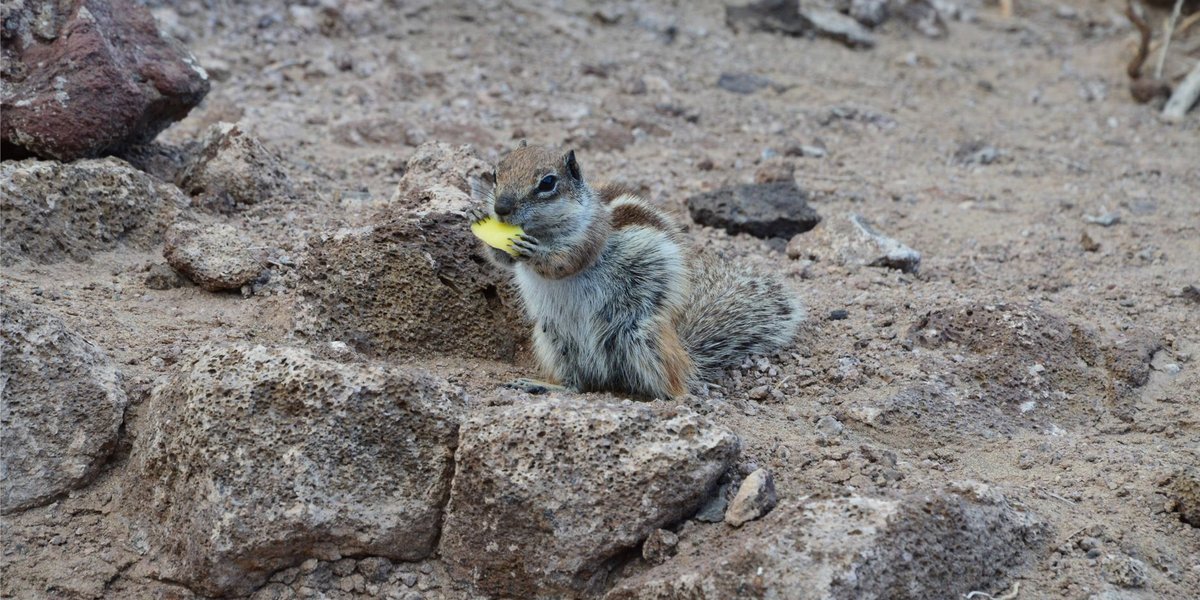
- Val’s gundi (Ctenodactylus vali) is a herbivore. It eats leaves, stalks, flowers and seeds of desert plants.
- It doesn’t need to drink. It gets its water from the plants it eats.
- It doesn’t store food. It forages daily, often over long distances.
- No one has published a species-specific plant list for Val’s gundi. The details below come from the Val’s gundi itself where data exists and from its close relative, the common gundi, where it doesn’t.
The short answer: plants, and only plants
Val’s gundi eats vegetation. In the rocky, dry country of Morocco, Algeria and Libya, that means whatever green or seed-bearing plant matter it can reach: leaves, stalks, flowers and seeds.
The best-documented gundi diet belongs to the common gundi (Ctenodactylus gundi), the Val’s gundi’s closest relative in the same genus. According to the Animal Diversity Web, common gundis feed on desert plants such as grasses and acacia. Val’s gundi lives in the same kind of terrain, has the same body plan and belongs to the same family, so the same menu is a safe working assumption.
That’s an inference, though, and it’s worth saying plainly. Most pages on this animal blur the line between “Val’s gundi eats this” and “gundis eat this.” Only the second claim has real support.
What’s documented and what’s inferred
Documented for the gundi family:
- Plant-based diet: leaves, stalks, flowers, seeds.
- No need for free water in the wild.
- Small, scattered food sources in dry habitat.
Inferred for Val’s gundi from the common gundi:
- Specific plants, such as desert grasses and acacia.
- Seasonal shifts in what it eats.
- Exactly how far it travels in a day to feed.
If you see a confident list of “Val’s gundi’s favorite plants” online, check where it came from. Chances are it was copied from a common gundi fact sheet.
Why a Val’s gundi diet looks the way it does
The habitat sets the menu
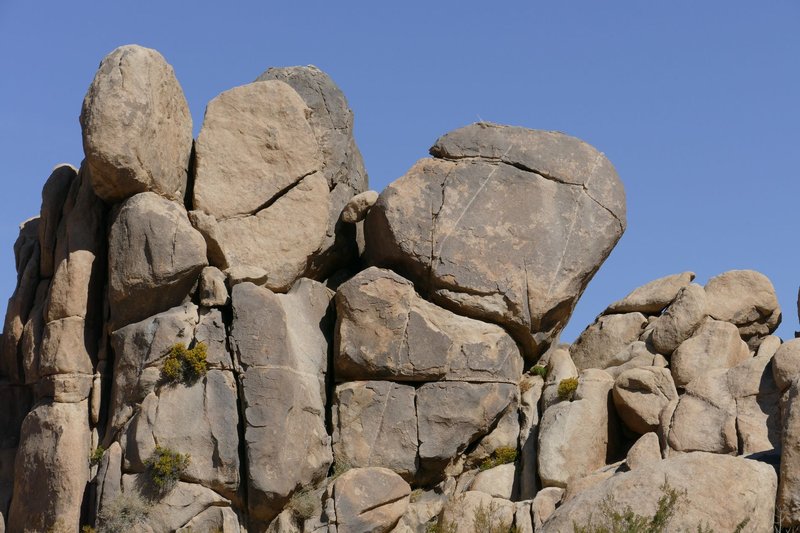
Val’s gundi lives in rocky desert and semi-desert terrain, the sort of ground where boulders and crevices matter more than any grass. Plants grow in patches, and many are dry and woody for much of the year.
That shapes the animal’s whole feeding strategy. A gundi can’t settle in one spot and graze it down. It moves between rock shelters and scattered plants, taking what it finds.
No food hoarding
Many desert rodents stockpile seeds. Gundis don’t. They forage and eat, then forage again, which is why they spend so much of the day moving around their territory. Food is scarce enough that they cover a lot of ground for it, and they have no burrow pantry to fall back on.
Water comes from the food
Do gundis drink water? Not in any way that matters. Gundis get the moisture they need from plant tissue. The family account at Animal Diversity Web describes the gundis as animals well adapted to arid environments, and kidneys that produce concentrated urine are part of that package, so the animal loses very little water to waste.
Timing helps too. Plants hold the most moisture early in the morning, after the cool night, and gundis are active at those cooler hours. Feeding at dawn means more water per mouthful.
Feeding behavior: solitary and mostly daytime
Val’s gundi is largely solitary and active in the daytime. Both facts affect how it eats.
Being diurnal means it’s out when predators can see it, so it feeds in short bursts close to rock cover. A gundi that wanders too far from a crevice is exposed. The rocky ground works as both home and escape route.
Being solitary means no sharing of feeding grounds with a colony. Each animal works its own patch of sparse plants. That’s a different picture from the social, group-living image you might have from other small rodents.
Gundis are also known as “comb rodents,” after the stiff bristles on their hind feet. Those bristles are used for grooming, not for digging up food, so the diet stays surface-based: plant material the animal can nibble where it sits or find on the ground.
FAQ
Does Val’s gundi drink water? Not in the wild, as far as the family record shows. It meets its water needs through the plants it eats and conserves what it takes in.
Does it store food for winter? No. Gundis don’t hoard. They forage daily.
Does it eat insects or meat? No evidence points to that. The documented gundi diet is plant matter only.
Can I keep one as a pet and feed it like a hamster? Val’s gundi isn’t a standard pet, and nothing here is a feeding plan for captive animals. A hamster mix is built for a different animal. The details above describe wild behavior in arid habitat.
The takeaway
Val’s gundi’s diet is simple: desert plants, eaten fresh, with no drinking and no stockpiling. What makes it interesting is how tightly that diet ties to the animal’s landscape. Rocky ground, patchy plants, cool dawn feeding and kidneys built to save water all point to one outcome: an animal that gets by on almost nothing.
The species-specific data gap is real. Until someone publishes a field study with a Val’s gundi plant list, the honest summary is “a herbivore of arid scrub, eating what its relatives eat.” To check the species’ current conservation status, the IUCN Red List is the place to look.