
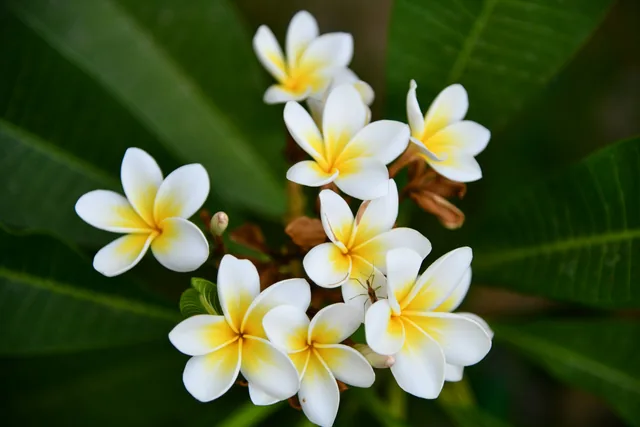
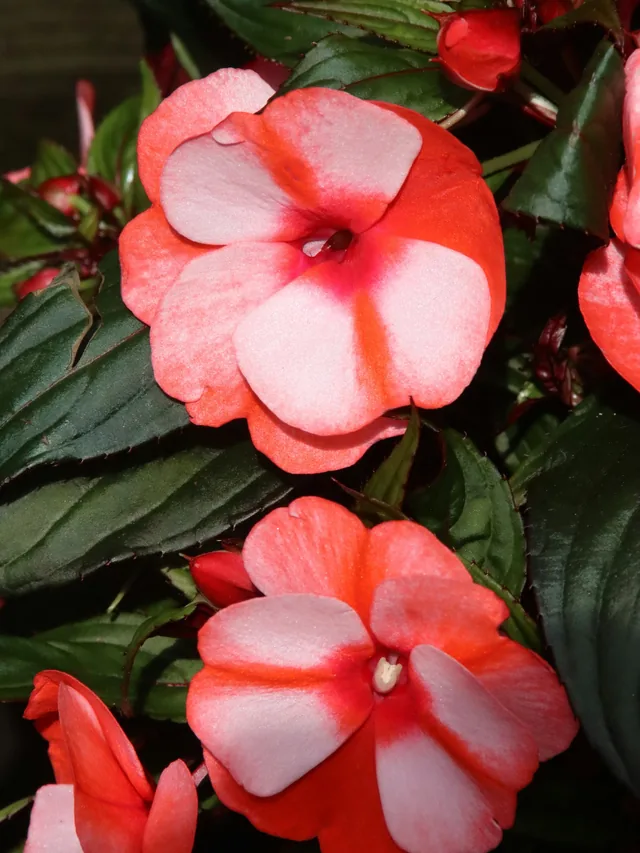
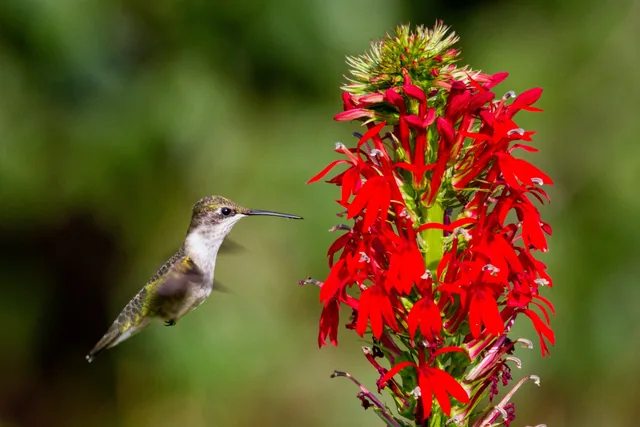
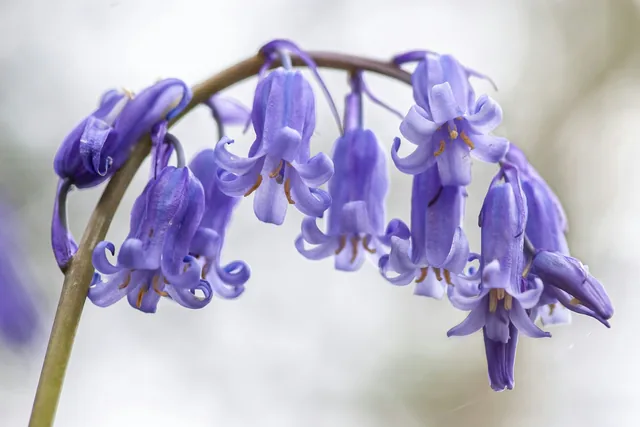
Can you name the flower?
Ten flower photos, four choices each, no timer. Pick a level.
Your photos
Keep reading about flowers
More quizzes
This flower identification quiz shows you 10 flower photos and asks you to name each one from four choices. It works as a flower ID quiz for gardeners, students and anyone who walks past a bloom and wonders what it is. After every answer you see the mark that identifies the flower, so each round of this flower identification game prepares you for the next.
How the flower ID quiz works
The quiz holds 120 flowers, 40 per level. Every round draws 10 at random, so a second round is different from the first.
- Easy covers the flowers known around the world: Rose, Sunflower, Tulip, Lotus, Cherry Blossom and Lavender.
- Medium is the garden and the flower shop: Dahlia, Zinnia, Ranunculus, Lisianthus, Clematis and Bleeding Heart. The wrong answers share a color or a shape with the flower in the photo.
- Hard is a wildflower quiz: Trillium, Bloodroot, Joe-Pye Weed, Cowslip and Fireweed, with wrong answers drawn from the plants that grow beside them.
Score 10 out of 10 to earn the top rank, Master botanist, then share your score.
How to identify a flower from a photo
Botanists work through the same features in the same order. Color comes last, because one species can bloom in several colors.
- Count the petals. Lilies, tulips and irises have parts in threes or sixes. Buttercups, phlox and most other broadleaf plants have them in fours or fives.
- Look at the overall shape. Is it a flat disc, a bell, a trumpet or a spike? Foxglove and lupine are spikes. Queen Anne’s Lace is a flat umbrella of tiny flowers, called an umbel.
- Check for a composite head. A daisy or sunflower is hundreds of tiny florets packed into one head. The “petals” are ray florets and the center is a cluster of disc florets.
- Read the leaves and stem. Square stems point to the mint family, which includes bee balm and salvia. Lacy leaves separate a cosmos from a daisy.
- Note where it grows. Season and habitat narrow the list quickly. Bloodroot opens in early spring woods, and goldenrod peaks in late summer fields.
How to tell look-alike flowers apart
These are the marks that decide the hardest pairs in the quiz.
- Queen Anne’s Lace or Poison Hemlock: Queen Anne’s Lace has a hairy stem and often one dark floret in the center. Poison Hemlock has a smooth stem blotched with purple. Hemlock is deadly, so never touch or taste a plant in this family unless you know what it is.
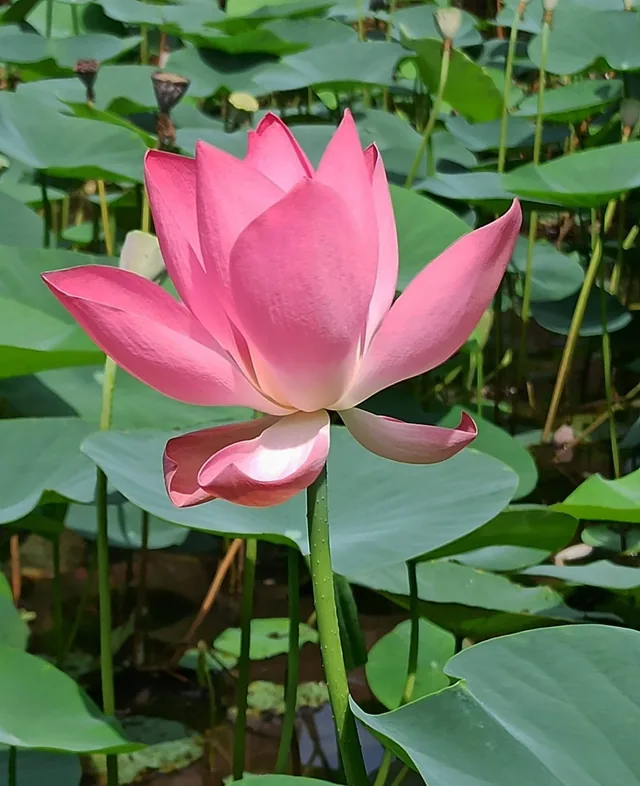
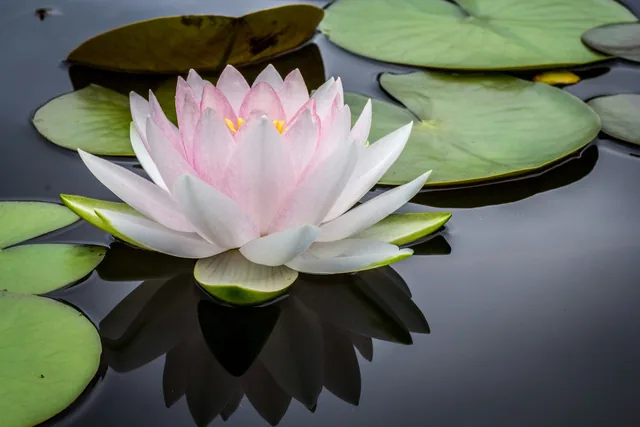
- Lotus or Water Lily: a Lotus rises well above the water on a stiff stem. A Water Lily floats on the surface, and its round leaves have a single notch.
- Azalea or Rhododendron: Azaleas usually have five stamens per flower and small, thin leaves. Rhododendrons usually have ten or more stamens and large leathery leaves.
- Peony or Ranunculus: a Peony has broad soft petals in a loose bowl and can span 8 inches. A Ranunculus has paper-thin petals wrapped in tight rings.
- Delphinium or Lupine: each Delphinium floret has a spur at the back. Lupine has pea-shaped florets and leaves shaped like an open hand.
- Bee Balm or Wild Bergamot: Bee Balm is bright red and grows in moist soil. Wild Bergamot is pale lavender and takes dry meadows.
- Primrose or Cowslip: a Primrose has one pale flower on each stem. A Cowslip carries a nodding cluster of deep yellow bells on one stalk.
Identify the flowers you find
For a flower outside the quiz, upload a photo to iNaturalist, where other observers confirm the species. To check a name, search the USDA PLANTS Database for North American plants, the Missouri Botanical Garden Plant Finder for garden plants or the Royal Horticultural Society plant search for UK gardens.
The bees and butterflies on those flowers are a different job: WunderWild names animals from a photo you take on your iPhone.
Frequently asked questions
How do I find out what flower this is?
Count the petals, then note the flower’s shape, its leaves and where it grows. Those four facts narrow most flowers to a few candidates in a field guide. A photo app such as iNaturalist can suggest a name when you get stuck.
How many types of flowers are there?
Botanists recognize more than 300,000 species of flowering plants, and they are the largest group of land plants. The quiz covers 120 of the flowers people meet most often.
What is the difference between a wildflower and a garden flower?
A wildflower grows without cultivation, and a garden flower is planted and tended. Many garden flowers are bred from wild ones: the Oxeye Daisy, Foxglove and Columbine all grow in both places.
Why do some flowers have colored leaves instead of petals?
Those colored parts are bracts, leaves modified to attract pollinators. The magenta on a Bougainvillea is bracts around tiny white flowers, and the Indian Paintbrush works the same way.
Are these real flower photos?
Yes. Every photo shows a real flower and comes from Wikimedia Commons, iNaturalist, Unsplash or Openverse. The photographer and license appear after you answer.
Can I use this flower quiz in class?
Yes. It runs on a projector, computer or tablet with nothing to install. To add it to your own site, click “Embed this quiz” under the game and copy the code.
More flowers to learn
Practice between rounds with our guides to flowers from A to Z, wildflower examples, pink flowers, white flowers, orange flowers and poisonous white flowers. Then try the other photo quizzes.